Table of Contents >> Show >> Hide
- The Quick Verdict
- What Are Quinoa and Couscous, Exactly?
- Nutrition Showdown: Where Quinoa Pulls Ahead
- Where Couscous Still Deserves Credit
- So Why Do Dietitians Usually Pick Quinoa?
- Which One Is Better for Specific Goals?
- How to Make Either One Healthier
- The Final Nutrition Call
- Experience Section: What People Often Notice When They Choose Quinoa Over Couscous
- Conclusion
If quinoa and couscous were contestants on a nutrition game show, the host would probably pause for dramatic effect, open the envelope, and say: “By a clear margin, quinoa.” Not because couscous is some kind of culinary villain in a tiny beige sweater, but because quinoa checks more of the boxes dietitians care about most. It brings more fiber, more protein, better protein quality, and a naturally gluten-free profile to the table. Couscous, meanwhile, is tasty, fast, and surprisingly useful, but regular couscous is still a refined wheat product unless you choose the whole-wheat version.
That is the short answer. The longer answer is more interesting, because both foods can fit into a healthy eating pattern. But if your goal is to pick the option that offers more nutritional value per forkful, quinoa is usually the stronger choice.
The Quick Verdict
Quinoa is the healthier choice for most people. Dietitians tend to favor it because it offers more fiber, more complete plant protein, and a whole-grain-style nutrient profile in a small serving. It is also naturally gluten-free, which matters for anyone with celiac disease, gluten intolerance, or simply a need to avoid wheat.
Couscous is not “bad,” though. It is affordable, cooks quickly, and pairs beautifully with vegetables, beans, fish, chicken, and Mediterranean flavors. It also provides selenium, an important mineral many people do not think about until a dietitian politely ruins dinner by bringing up thyroid function. But nutritionally, regular couscous usually trails quinoa in the categories that matter most for fullness, blood sugar balance, and long-term heart-friendly eating.
What Are Quinoa and Couscous, Exactly?
Quinoa: The tiny seed with a big reputation
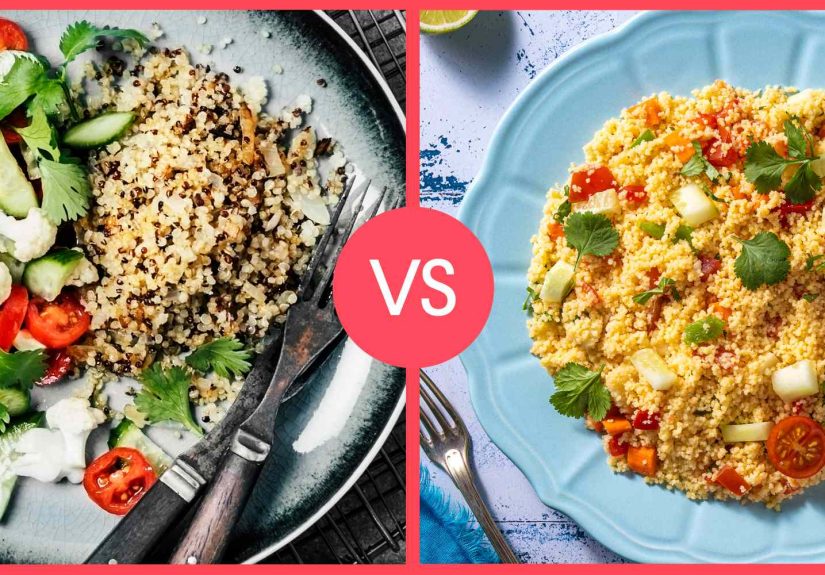
Quinoa is technically a seed, but in the kitchen it behaves a lot like a grain. It is often grouped with whole grains because it is cooked and eaten in similar ways, and its nutrition profile looks a lot more like a whole food than a refined starch. It has a slightly nutty flavor, a fluffy texture, and a little pop when you bite into it. It also works in salads, grain bowls, soups, breakfast porridge, stuffed peppers, and meal-prep containers that make you feel organized for at least 36 hours.
Couscous: The speedy side dish people mistake for a grain
Couscous looks like a grain, but regular couscous is actually a small pasta made from semolina wheat. That matters. Since it is usually made from refined wheat flour, regular couscous does not offer the same fiber-rich benefits as intact whole grains or grain-like seeds such as quinoa. Whole-wheat couscous is a better option and narrows the health gap, but standard couscous is the version most people buy, serve, and toss into weeknight dinner plans when they have exactly twelve minutes and zero emotional energy left.
Nutrition Showdown: Where Quinoa Pulls Ahead
| Nutrition Factor | Quinoa | Couscous | Who Wins? |
|---|---|---|---|
| Protein | About 8 grams per cooked cup | About 6 grams per cooked cup | Quinoa |
| Protein Quality | Complete protein with all nine essential amino acids | Not a complete protein on its own | Quinoa |
| Fiber | About 5 grams per cooked cup | A little over 2 grams per cooked cup | Quinoa |
| Gluten-Free | Yes | No, regular couscous contains wheat | Quinoa |
| Mineral Standout | Magnesium, iron, and more | Selenium is a major plus | Depends on your goal |
| Cooking Speed | Usually 15 minutes or so | Usually very quick | Couscous |
On pure nutrition, quinoa wins the match. Not in a fake wellness-influencer way. In an actual, measurable, food-label way.
1. Quinoa has more fiber
This is a big deal. Fiber supports digestive health, helps you stay full longer, and is associated with better heart and metabolic health. Whole-grain foods and fiber-rich foods are regularly recommended for supporting cholesterol, blood sugar control, and satiety. Quinoa gives you more fiber than regular couscous, which means it often keeps you full longer after a meal.
That makes quinoa especially useful in lunches and dinners where you want staying power. A quinoa bowl with roasted vegetables, chickpeas, and a lemon-tahini dressing tends to hold people over better than a couscous bowl built the same way. Couscous is more likely to leave someone rummaging for a snack an hour later, ideally not directly from the cereal box.
2. Quinoa offers better protein
Yes, couscous has some protein. But quinoa has more, and more importantly, its protein quality is better. Quinoa is one of the few plant foods commonly described as a complete protein, meaning it contains all nine essential amino acids. That does not mean every meal needs to be a protein thesis defense, but it does make quinoa especially appealing for plant-forward eaters, vegetarians, and anyone trying to make a grain-based meal feel more balanced.
If you build a meal around quinoa, you are already getting a small but meaningful protein boost. With couscous, you often need stronger protein partners, such as lentils, salmon, chicken, tofu, or beans, to bring the meal into better balance.
3. Quinoa is naturally gluten-free
This point alone makes quinoa the obvious winner for some people. If you have celiac disease, medically diagnosed gluten intolerance, or simply need to avoid wheat, couscous is off the list because it is made from wheat semolina. Quinoa, on the other hand, is naturally gluten-free. That does not automatically make it healthier for everyone, because gluten-free is not a magic halo, but it does make quinoa more versatile and safer for people who cannot eat gluten.
4. Quinoa is closer to a whole-food choice
Dietitians routinely recommend choosing whole grains over refined grains when possible. Why? Because whole grains and similar whole plant foods tend to come with more fiber, vitamins, minerals, and compounds linked to better long-term health. Regular couscous, while convenient, is typically refined. Quinoa lands much closer to the whole-food end of the spectrum, which is one reason nutrition professionals are so fond of it.
Where Couscous Still Deserves Credit
Now for a fair defense of couscous, because it does not deserve to be banished to the pantry shadow realm.
It is fast
Couscous is one of the quickest starches you can make. When time is tight, that matters. A healthy food that actually gets cooked is often more useful than a perfect food sitting untouched in the cabinet beside the chia seeds you swore you would use.
It is easy to like
Couscous is fluffy, mild, and familiar. For picky eaters, kids, or people easing into healthier meals, it can be a gentler bridge food than quinoa, which has a stronger flavor and texture. If couscous helps someone eat more vegetables, beans, and home-cooked meals, that is still a win.
It provides selenium
Couscous has one standout nutritional advantage: selenium. This mineral plays roles in thyroid function, DNA production, and protecting cells from oxidative damage. That does not make couscous nutritionally superior overall, but it does mean it brings something valuable to the table.
Whole-wheat couscous is much better than regular couscous
If you love couscous and do not want to break up with it, there is good news: whole-wheat couscous is the smarter pick. It offers more fiber and a stronger nutrition profile than the standard refined version. It still is not quinoa’s twin, but it is a much closer cousin. Pun absolutely intended.
So Why Do Dietitians Usually Pick Quinoa?
Because dietitians are not just looking at one nutrient. They care about the full package: fiber, protein quality, nutrient density, satiety, dietary restrictions, and how a food fits into long-term eating habits.
Quinoa checks more of those boxes. It helps build meals that are more filling without requiring giant portions. It supports plant-based eating better than couscous. It gives gluten-free eaters a reliable starch option. And it aligns more closely with the repeated public health message to favor whole, fiber-rich foods over refined grains.
In other words, quinoa is not just “healthy.” It is strategically healthy. It helps with the stuff people actually struggle with: staying full, building balanced meals, adding fiber, and avoiding the classic dinner problem of “I ate, but somehow I am still hungry.”
Which One Is Better for Specific Goals?
For weight management
Quinoa usually has the edge because its higher fiber and more complete protein profile can support fullness. Foods that help you feel satisfied often make it easier to avoid random snacking and overeating later.
For blood sugar balance
Quinoa again tends to be the better pick because whole, fiber-rich foods are generally preferred over refined grains for steadier energy and better glucose control. Portion size and what you eat with it still matter, of course. Even a healthy grain can become less impressive when buried under a lake of sugary sauce.
For gluten-free eating
No contest. Quinoa wins.
For fast weeknight dinners
Couscous wins for convenience. If the choice is between couscous and ordering greasy takeout for the fourth time this week, couscous can absolutely be part of the healthier decision.
For athletic or active lifestyles
Both can work, but quinoa offers a more nutrient-dense base. Couscous can still be useful before or after workouts when you want quick, easy carbs with a lighter texture.
How to Make Either One Healthier
No grain or seed exists in isolation. The rest of the plate matters. Here is how to make both options work harder for you:
- Pair them with vegetables for fiber, volume, and color.
- Add a protein source like beans, tofu, chicken, eggs, fish, or Greek yogurt-based sauces.
- Use olive oil, avocado, nuts, or seeds for healthy fats and better satiety.
- Watch sodium in broths, seasoning packets, and store-bought sauces.
- Choose whole-wheat couscous when possible if you are buying couscous.
A quinoa bowl with black beans, avocado, roasted peppers, and salsa is an excellent lunch. A couscous salad with cucumbers, chickpeas, parsley, tomatoes, and grilled salmon can also be terrific. The difference is that quinoa starts from a stronger nutritional foundation before you even add the extras.
The Final Nutrition Call
If you are choosing between quinoa and regular couscous and asking which one is healthier, the answer is pretty clear: quinoa.
It has more fiber, offers more protein, provides complete protein, and is naturally gluten-free. It also lines up better with the broader nutrition advice to eat more whole, minimally processed plant foods. Couscous is still useful, delicious, and worth eating, especially if it helps you cook at home more often. But on nutrition alone, quinoa takes first place.
The best summary might be this: couscous is convenient, but quinoa is more impressive. One is a good side dish. The other is a side dish that shows up with better credentials.
Experience Section: What People Often Notice When They Choose Quinoa Over Couscous
In everyday life, the quinoa-versus-couscous decision is not made in a lab. It happens in kitchens, office lunchrooms, school-night dinners, and grocery aisles where someone is staring at two boxes and wondering which one deserves cart space. And when people start choosing quinoa more often, a few common experiences tend to come up again and again.
The first is fullness. Many people say quinoa keeps them satisfied longer than couscous. This usually shows up at lunch. A couscous salad may taste great at noon, but by 2:30 p.m. the snack drawer starts calling like a haunted house. Quinoa meals, especially when paired with beans, vegetables, and a healthy fat, often feel more substantial. The difference is not dramatic in a movie-trailer voice kind of way, but it is noticeable enough that people stick with it.
The second experience is steadier energy. Again, this is not magic. It is usually the result of a meal that has more fiber and a better balance of nutrients. Someone who swaps a refined grain side for quinoa may simply feel less of that sleepy, hungry rebound later. A lot of busy people do not describe this in clinical terms. They say things like, “I didn’t crash after lunch,” or “I wasn’t looking for cookies an hour later.” Honestly, that is nutrition success translated into regular human language.
People who eat plant-based meals often notice something else: quinoa makes it easier to build a dinner that feels complete. A bowl of roasted vegetables over quinoa with tahini or lemon dressing can stand on its own much better than the same vegetables over plain couscous. Couscous often needs more backup. It wants a stronger protein partner and more fiber from other foods to make the meal feel balanced. Quinoa does more of that heavy lifting by itself.
Those who need to avoid gluten usually report the most obvious difference of all: quinoa gives them flexibility without compromise. It can replace couscous in stuffed vegetables, grain bowls, cold salads, breakfast porridges, and side dishes. For people with celiac disease or wheat sensitivity, that is not a minor convenience. It is the difference between participating in a meal comfortably and having to play detective with every ingredient.
That said, real-life experience also explains why couscous remains popular. It is fast. Very fast. On nights when dinner needs to happen immediately, couscous can save the plan. It is soft, mild, and family-friendly. Some people genuinely prefer its texture over quinoa, which can feel more assertive and slightly earthy. And when couscous helps someone cook a meal at home instead of grabbing fast food, it is doing something good.
So the lived experience usually lands in the same place as the nutrition analysis. Quinoa tends to win on health benefits and staying power. Couscous wins on speed and ease. The healthiest routine for many people is not perfection. It is knowing that quinoa is the stronger everyday choice, while couscous can still be a practical backup, especially if you choose the whole-wheat kind and pair it with plenty of vegetables and protein.
Conclusion
Quinoa is not just the trendy option with better public relations. It is, in most cases, the genuinely healthier choice. Couscous still belongs in a balanced kitchen, but if you are choosing one pantry staple to support better nutrition, quinoa deserves the promotion.