Table of Contents >> Show >> Hide
If you have ever wanted a plant that looks a little elegant, smells a little wild, and behaves like it has absolutely no patience for soggy soil, meet rue. This old-fashioned herb, botanically known as Ruta graveolens, has been grown for centuries for its blue-green foliage, yellow flowers, and dramatic personality. It is not the diva of the herb garden, exactly, but it does have rules. Break them, and rue will sulk. Follow them, and it can become one of the easiest, toughest, and most interesting plants in the yard.
This guide covers how to grow and care for rue in a practical, modern way. You will learn where to plant it, how to water it, when to prune it, and what problems to avoid. You will also get the one warning every gardener should hear before touching this plant on a sunny afternoon. Spoiler: gloves are your friend.
What Is Rue?
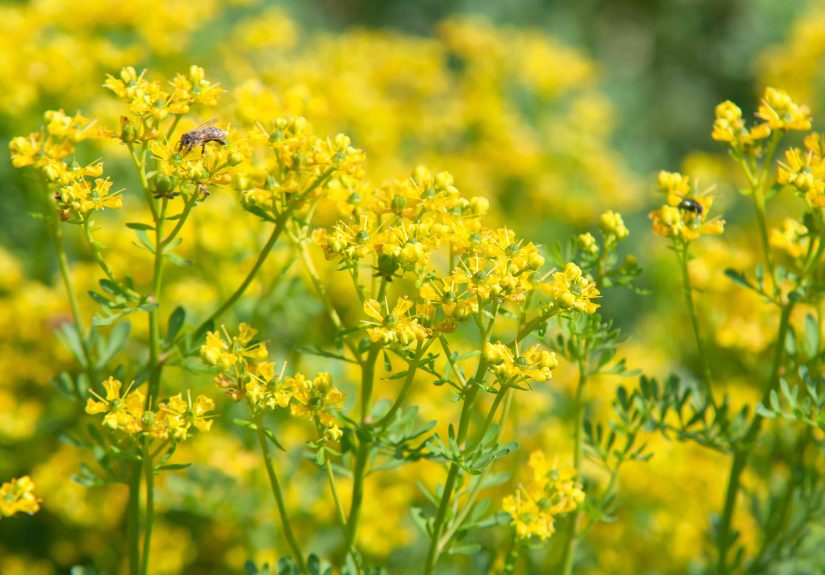
Rue is a woody perennial herb with fern-like, bluish leaves and clusters of small yellow flowers. In warm climates it can stay evergreen, while in cooler regions it behaves more like a hardy perennial that rests through winter and returns when temperatures improve. Mature plants usually form a rounded mound about 2 to 3 feet tall and wide, which makes rue useful in herb gardens, pollinator plantings, border edges, and dry, sunny spots where fussier plants throw a tantrum.
Gardeners often grow rue today more for ornament than for cooking. It has a long history in traditional gardens, but modern home growers usually value it for three things: its striking foliage color, its tolerance for hot and dry conditions, and its role as a host plant for swallowtail butterflies in some gardens. If you like plants that earn their keep without begging for daily attention, rue has strong employee-of-the-month energy.
Best Growing Conditions for Rue
Sunlight
Rue grows best in full sun, though it can handle light shade or part shade, especially in hotter regions. The best growth usually happens when the plant gets at least 6 hours of direct sun. In too much shade, rue often becomes floppy, thin, and less compact. In other words, it stops looking crisp and starts looking like it stayed up too late.
Soil
The single most important part of rue plant care is drainage. Rue likes soil that drains quickly and does not stay wet for long. Sandy, rocky, lean, or average garden soil is usually fine. Rich, heavy, or constantly damp soil is where trouble begins. If your yard holds water after rain, improve the site before planting by adding grit, using a raised bed, or choosing a container.
Rue is not a plant that demands luxury living. It can grow in soil that is not particularly fertile, and that is part of its charm. Overly rich soil may encourage soft, leggy growth rather than the dense, tidy shape most gardeners want.
Water
Young rue plants need regular moisture while they establish roots, but mature plants are fairly drought tolerant. Once established, rue prefers to dry a bit between waterings. Think deep but infrequent watering rather than constant sprinkles. If you keep the soil wet all the time, rue may respond by declining dramatically, which is a polite gardening phrase for “it is heading downhill fast.”
Temperature and Hardiness
Rue is generally hardy in USDA zones 4 to 8, though it can remain evergreen in warmer winter areas. In colder climates, a little winter mulch can help protect the roots. The plant also handles heat well, especially when the soil drains properly. That makes it a smart pick for sunny, dry spots where thirstier herbs tend to complain.
How to Plant Rue
Starting Rue From Seed
If you want to grow rue from seed, start with one key detail: the seeds need light to germinate. Surface-sow them or cover them only very lightly. Keep the soil evenly moist, not soaked, until seedlings appear. Starting seed indoors works well if your spring is cold or unpredictable. Once seedlings are large enough to handle and outdoor conditions are mild, harden them off gradually before moving them outside.
Direct sowing can work too in warm spring weather, but indoor starting gives you better control over moisture and spacing. Rue does not need a lot of pampering, but seedlings appreciate not being blasted by spring weather on day one.
Planting Transplants
When planting nursery starts or homegrown seedlings, place them in a sunny site with excellent drainage. Space plants about 18 to 24 inches apart so air can move freely and the mound has room to develop. If you want a tighter, old-fashioned herb border, you can plant a little closer, but do not cram them shoulder to shoulder.
After planting, water thoroughly to settle the roots. Then back off. Rue likes support during establishment, not a permanent swamp.
Growing Rue in Containers
Yes, rue grows well in containers, and in many gardens that is actually the easiest way to keep it happy. Use a pot with drainage holes and a fast-draining potting mix. A clay or terracotta pot is especially helpful because it sheds moisture more quickly than plastic. Container-grown rue still needs sun, but you gain the bonus of moving it if a spot proves too shady or too wet.
How to Care for Rue Through the Seasons
Spring Care
Spring is the time to tidy rue up. Prune back winter-worn or woody growth to encourage fresh shoots. If the plant has become sparse or uneven, a thoughtful spring trim can restore shape. Avoid hacking it into a stub with zero strategy. The goal is a neat reset, not a haircut performed during a power outage.
This is also a good season to divide established clumps if needed or to plant new starts once frost danger has passed.
Summer Care
In summer, rue usually settles into a low-maintenance rhythm. Water during dry spells, especially for newer plants, but let the soil dry somewhat between soakings. If the plant gets lanky, a light trim can help keep it compact. Some gardeners prune once during summer specifically to prevent woody, stretched-out growth.
Rue flowers in summer, and the bloom is modest but attractive. The foliage remains the real star, offering a cool blue-green tone that looks excellent next to silvery plants, roses, purple salvias, or warm stone edging.
Fall Care
As the growing season winds down, reduce watering frequency if rainfall increases. You can deadhead spent flowers if you want a neater look or to reduce self-seeding. On the other hand, if you would not mind a few volunteer seedlings next season, let some flowers go to seed and see what happens. Rue has a light independent streak.
Winter Care
In colder areas, mulch lightly around the base after the ground cools, especially if winters are harsh. Do not pile wet mulch against the crown like a soggy blanket. The goal is insulation, not a moisture trap. In warmer climates, winter care is minimal and the plant may keep much of its foliage.
How to Prune Rue Without Regretting It
Pruning is one of the most important parts of caring for rue because the plant becomes woody with age. Regular trimming helps it stay fuller, neater, and more attractive. A main pruning in early spring works well, followed by a lighter summer trim if the plant starts stretching.
Always wear gloves and long sleeves when pruning. Rue can cause skin irritation, and sunlight can make that reaction worse. This is not a myth invented by cautious gardeners. It is a very real reason not to march into the yard barehanded like you are starring in a whimsical gardening commercial.
Common Problems When Growing Rue
Root Rot
If rue is failing, overwatering is often the first suspect. Yellowing, collapse, or blackened stems can point to soil that stays too wet. The fix is not more fertilizer or hopeful pep talks. The fix is better drainage and less water.
Leggy Growth
Rue may become sparse or floppy in shade or if it is not pruned regularly. Give it more sun and trim it back to encourage bushier growth.
Winter Damage
Cold winters can kill back the top growth in some regions. Do not assume the plant is finished until spring has fully arrived. Rue often returns from the base if the roots survived.
Skin Irritation
This is the big one. Rue can irritate skin, especially when sap or foliage contacts skin that is later exposed to sunlight. Plant it away from narrow walkways, wear gloves when handling it, and wash up after pruning or transplanting. If children or pets use the area heavily, choose the location carefully.
Is Rue Edible?
Rue has a culinary history, and in some traditions it has been used in very small amounts for flavoring. That said, this is not a beginner kitchen herb. Because rue can be toxic and can cause dermatitis, most home gardeners are better off treating it as an ornamental herb rather than something to nibble casually. If your goal is cooking, parsley, oregano, or thyme are friendlier coworkers.
Why Grow Rue at All?
Fair question. With all the warnings, why does rue still show up in herb gardens and old garden plans? Because it offers a rare mix of beauty and toughness. The foliage color is unusual. The habit is tidy with proper pruning. It tolerates dry conditions once established. Deer and rabbits often leave it alone. It can support butterfly life cycles. And it looks fantastic in sunny plantings where Mediterranean-style herbs and drought-tolerant perennials are doing their thing.
Rue also has a certain old-world character that many modern plantings lack. It feels historic, a little mysterious, and not remotely interested in being trendy. That is honestly part of the appeal.
Real-World Experiences With Growing Rue
Gardeners who grow rue for the first time usually remember one thing right away: it does not behave like basil. Basil wants rich soil, regular water, and warm cuddly treatment. Rue wants sunlight, elbow room, and soil that drains like it has plans later. Many people make the mistake of planting rue into a cozy, moisture-retentive herb bed and then wonder why it looks offended. Once they move it to a hotter, drier, leaner spot, the plant often turns around and starts acting like itself.
A common experience is surprise at how handsome the foliage is in person. Photos rarely capture the subtle blue-green tone well. In a garden bed, especially next to darker greens or purple flowers, rue can almost glow. It has a cooling visual effect, which makes it useful in summer borders. Some gardeners start growing it for its history and keep it for the color alone.
Another frequent lesson is that rue rewards restraint. People who love tending plants every day sometimes struggle with it at first. They water too often, feed too much, and fuss over every leaf. Rue usually responds better when the gardener steps back a bit. Once established, it tends to do best when you let the soil dry some, trim it occasionally, and resist the urge to treat it like a needy annual.
Many gardeners also mention how useful rue is in places where deer or rabbits sample everything else. It is not magic, because hungry animals can surprise you, but rue often escapes the buffet line. That makes it valuable in landscapes where tender herbs disappear overnight. It can also earn its place in butterfly gardens, where growers enjoy spotting caterpillars using it as a host plant. Watching a plant go from “interesting herb” to “active part of the garden ecosystem” tends to make people appreciate it much more.
Then there is the cautionary tale nearly every experienced rue grower eventually shares: do not handle it carelessly in bright sun. Gardeners who have brushed against it bare-armed while pruning or weeding nearby sometimes learn the hard way that rue can irritate skin badly. Because of that, long sleeves and gloves quickly become part of the routine. The plant is still worth growing, but it earns respect. Think of it as the beautiful plant equivalent of a cast-iron skillet: wonderful to have, not something you grab absentmindedly.
One more real-world observation is that older rue plants can get woody and awkward if ignored. A young plant often looks compact and charming, while an older unpruned one can resemble a tiny shrub having a rough season. Gardeners who prune regularly usually get a much better-looking plant. Some also let rue self-seed lightly so there is always a younger replacement coming along. That turns a potentially short-lived herb into a continuing presence in the garden.
In the end, people who succeed with rue tend to describe the same experience: once they stopped trying to make it into a soft, lush herb and started treating it like a sun-loving, dry-soil ornamental with strong opinions, everything got easier. Rue may not be the first plant a beginner falls in love with, but it is often the one they talk about later with a grin. It is tough, useful, odd, and surprisingly stylish. In a world full of overly dramatic plants, that is refreshing.
Final Thoughts
If you are wondering how to grow and care for rue successfully, the formula is refreshingly simple: give it sun, give it excellent drainage, do not drown it, and prune it before it turns into a woody tangle. Respect its irritating sap, plant it where brushing against it is unlikely, and enjoy it for what it does best. Rue is not the soft, salad-friendly sweetheart of the herb patch. It is the tough, silver-blue veteran that thrives in heat, shrugs off drought, and adds old-fashioned character to the garden.
Grow it in the right spot, and rue can be one of the easiest conversation-starting plants you own.