Table of Contents >> Show >> Hide
- What Is English Delft Matt White Base?
- Key Features of English Delft Matt White Base
- Where to Use English Delft Matt White Base in Your Home
- Design Ideas and Color Pairings
- Practical Considerations: Installation and Maintenance
- Buying Tips for English Delft Matt White Base
- Real-Life Experiences with English Delft Matt White Base
- Conclusion: A Quiet Classic with Serious Staying Power
If you love the charm of hand-painted Delft tiles but don’t necessarily want tiny blue cows
stamped across every inch of your backsplash, the English Delft Matt White Base
tile is your new best friend. Think of it as the calm, minimalist cousin that lets the
decorative Delft motifs shinewhile still bringing history, texture, and quiet luxury to your
walls.
Originally inspired by 16th- and 17th-century Dutch and English delftware, this matte white
base tile is designed to sit alongside hand-decorated picture tiles, borders, and corners. It
gives you all the artisanal character of a heritage product, with a fresh, modern softness that
works beautifully in today’s kitchens, bathrooms, and hearth surrounds.
What Is English Delft Matt White Base?
A Modern Take on a Centuries-Old Classic
Delftware started in the Netherlands as a response to the craze for Chinese blue-and-white
porcelain. Potters in Delft and later in England developed tin-glazed earthenware with a white
surface that could be hand-painted in cobalt blue, creating the iconic pastoral scenes, ships,
florals, and animals we now associate with Delft tiles.
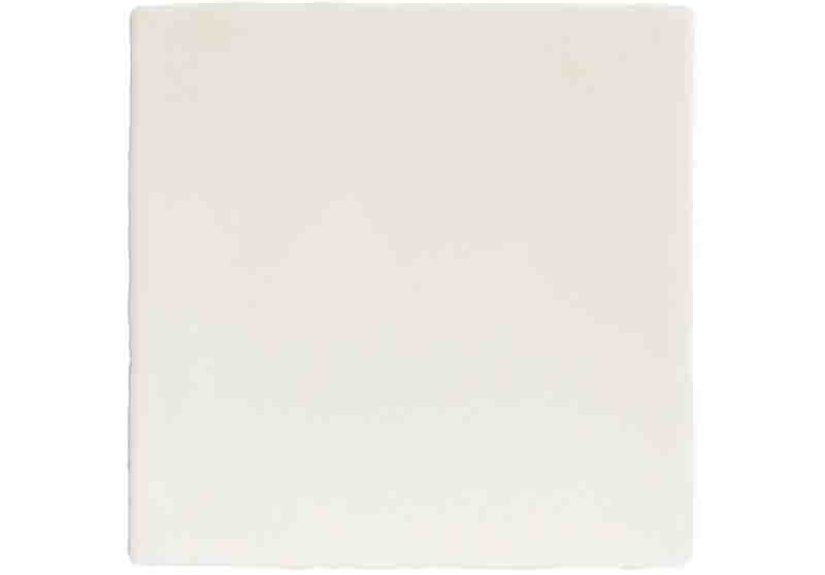
The English Delft Matt White Base tile is part of that tradition, updated for
modern interiors. Produced for premium tile brands such as Fired Earth and featured by design
curators like Remodelista, it’s typically a ceramic wall tile with:
- A soft matt white finish rather than a high gloss sheen
- A subtly irregular, hand-crafted look (not plastic-perfect machine-made)
- Classic square or rectangular formats suited to backsplashes and feature panels
- Compatibility with matching hand-decorated Delft tiles from the same collection
In many collections, the matt white base tile acts as the “field” tile, creating a clean
backdrop for scattered, hand-painted motifsbees, flowers, ships, birds, you name itso you get
the Delft story without overwhelming pattern.
Why Matte, Not Glossy?
Glossy tiles reflect a lot of light and can veer into shiny, almost glassy territory. Matte
tiles, on the other hand, feel softer and more architectural. A matt white base:
- Reduces glare from under-cabinet lighting and sunny windows
- Helps minor smudges and water spots show less than on high-gloss glazes
- Pairs beautifully with natural materials like oak, stone, and brass
- Gives Delft details a grounded, chalky backdrop so they really pop
In short, the English Delft Matt White Base tile lets your room feel cozy and
curated rather than overly shiny or “new-build show home.”
Key Features of English Delft Matt White Base
1. Heritage-Inspired, Hand-Finished Character
Many English Delft collections are inspired directly by historical tiles in archives and
museums. The matt white base tile is often designed to echo tin-glazed originals:
- Slight variations in tone and surface that mimic handmade pieces
- Soft, rounded edges rather than razor-sharp corners
- A thickness and weight that feels substantial on the wall
These subtle irregularities are exactly what designers and homeowners loveno two areas of the
wall look perfectly identical, which adds depth and authenticity.
2. Versatile Formats for Real Homes
Depending on the supplier, the English Delft Matt White Base tile is typically available in:
- Square tiles ideal for classic grids or diamond (on-point) layouts
- Rectangular tiles for brick bond or herringbone patterns
- Corner and trim pieces in coordinating finishes for neat edges and frames
This means you can treat your wall almost like a canvas, combining base tiles and decorated
motifs in panels, borders, or scattered accents.
3. Designed for Wall Use in Wet and Dry Areas
The English Delft Matt White Base is typically a glazed ceramic wall tile:
- Perfect for kitchen backsplashes and range surrounds
- Ideal for bathroom walls, shower niches, and half-height wainscoting
- Gorgeous around fireplaces and stove alcoves when properly specified
As with any tile, you’ll want to follow the manufacturer’s guidance about where it’s safe to
use (for example, whether it’s suitable for inside shower enclosures or only for splash zones
and dry walls).
Where to Use English Delft Matt White Base in Your Home
1. In the Kitchen: A Storybook Backsplash
The kitchen is the natural home for the English Delft Matt White Base tile. Pair it with
hand-decorated Delft inserts for a backsplash that feels like a page from a storybook.
Popular ways to use it include:
-
Range surround panel: Create a framed panel of decorative Delft tiles above
your stove, with matt white base tiles filling the surrounding walls. -
Scattered motifs: Place one Delft picture tile every three or four base
tiles for a playful but not busy look. -
Classic grid: Lay the matt white base in a simple grid pattern to keep your
kitchen calm and let your cabinets and hardware shine.
For cabinets, you can’t go wrong with painted blues, warm grays, or off-whites. Brass, aged
bronze, or black hardware adds a crisp contrast against the soft white background.
2. In the Bathroom: Spa Meets Old-World Charm
In the bathroom, English Delft Matt White Base tiles create a serene, spa-like
feeling with just a hint of history. Try:
-
Tiling the lower half of the walls in matt white base tiles with a slim molding trim at the
top. -
Using Delft picture tiles in the shower niche back, surrounded by matt white base tiles so
your shampoo shelf becomes a tiny art gallery. -
Pairing with marble or quartz countertops and unlacquered brass or chrome fixtures for a
timeless, tailored look.
Because the finish is matte rather than glossy, the bathroom feels cozy and cocooning rather
than clinical.
3. Around Fireplaces and Feature Walls
Historically, Delft tiles were often used around hearths to tell stories and show off wealth.
Today, you can nod to that tradition by:
- Framing a fireplace opening with matt white base tiles
- Adding a border of Delft picture tiles just inside that frame
- Carrying a strip of tile up the wall to create a focal chimney breast
The matte finish makes the fireplace feel grounded and sophisticated, especially when combined
with limewash walls or wood paneling nearby.
Design Ideas and Color Pairings
Classic Blue-and-White Country Kitchen
This is the look many people picture when they hear “English Delft.” To get it:
- Use English Delft Matt White Base tiles across the main backsplash area.
-
Introduce blue-and-white Delft picture tiles in a regular rhythm, such as every third or
fifth tile, or in a framed panel behind the range. -
Pair with painted cabinetry in navy, smoky blue, or deep cornflower, plus warm wood
worktops or stone counters.
The result feels traditional but not fussyespecially if you keep hardware and lighting simple
and robust.
Modern Farmhouse Meets Delft
Want something more current? Combine:
- Matt white base tiles in a tight grid with thin, warm white grout
- Flat-front light oak cabinets and open shelving
- Chunky farmhouse sink and understated black taps
If you choose to include Delft motifs, keep them minimaljust a few tiles near the range or
sink. The English Delft Matt White Base becomes a quiet canvas that still whispers “heritage”
without shouting.
Bold Cabinets, Calm Walls
Another popular strategy is to let your cabinets take center stage in a saturated colorforest
green, aubergine, inky tealwhile the walls and backsplash stay light. The matt white base
tile:
- Prevents bold cabinet colors from overwhelming the room
- Reflects enough light to keep the space feeling open
- Offers a subtle texture that keeps “all white” from looking flat
Add a few Delft picture tiles in tones that echo your cabinet color, and the entire palette
feels intentional and cohesive.
Practical Considerations: Installation and Maintenance
Planning the Layout
Before your installer opens a single box, spend time on layout planning:
-
Mock up the pattern: Lay tiles out on a table or the floor to decide where
any decorative Delft tiles will go. -
Check focal points: Center your layout behind the range or sink so cut tiles
end up in corners, not in the middle of your best view. -
Order extra: Because a hand-finished tile can have more shade variation,
order at least 10–15% extra to account for cuts and pattern tweaks.
Choosing Grout and Edge Details
Grout can completely change the look of your English Delft Matt White Base
installation:
- Warm white or off-white grout blends with the tile for a soft, calm wall.
- Pale gray grout lightly emphasizes each tile, giving more of a grid effect.
Don’t forget finishing details like tile trim or metal edging along open endsthese small
touches make the installation look high-end and considered.
Cleaning and Everyday Care
The matt white glaze is generally easy to live with. Day-to-day:
- Wipe down with a soft cloth and mild dish soap solution.
- Avoid harsh abrasives and very strong acids that could dull the finish.
- Seal grout (not the tile) as recommended to resist staining, especially behind cooktops.
A quick weekly wipe is usually enough to keep a matt white base looking crisp. If you’re a
splashy cook, consider a slightly darker grout or a more frequent cleaning schedule. (Tile
doesn’t judge, but tomato sauce can.)
Buying Tips for English Delft Matt White Base
When you’re ready to order, keep these tips in mind:
-
Always see a sample in person. Online photos can’t fully capture surface
sheen and subtle color shifts. -
Ask about shade variation. Handmade-look tiles often have a “V-rating” for
variation. Higher variation = more movement and character on the wall. -
Confirm lead times. Heritage-inspired collections can be made to order or
imported, so factor that into your renovation schedule. -
Check suitability. Make sure the specific English Delft Matt White Base you
’re buying is rated for your intended use (kitchen splashback, shower wall, fireplace
surround, etc.).
While some English Delft collections originate in the UK, they’re frequently curated and
recommended by U.S. design retailers and blogs, so sourcing or finding similar alternatives
through American tile showrooms is typically straightforward.
Real-Life Experiences with English Delft Matt White Base
Facts and specs are helpful, but what is it actually like to live with an English
Delft Matt White Base backsplash or bathroom? Here’s what tends to stand out once the grout has
dried and real life kicks in.
The Moment the Plastic Comes Off
After installation, there’s usually a dramatic “oh wow” moment when the protective coverings
come off the counters and appliances. With the English Delft Matt White Base,
that moment feels surprisingly calm rather than loud. Instead of a wall that screams “new
renovation,” you get a soft, textured backdrop that looks like it could have always been there.
The matte finish is often the star here. Under-cabinet lights don’t cause glare; instead, the
light grazes across the surface, picking up gentle shadowing along the edges of each tile. If
you’ve mixed in Delft picture tiles, your eye naturally lands on those little scenessailboats,
florals, insectsagainst the quiet white field.
Daily Life: Spills, Splatters, and Steam
In a working kitchen, the backsplash earns its keep fast. Tomato sauce splatters, coffee
drips, and olive oil mist are all part of the deal. With an English Delft Matt White Base tile:
-
Most everyday messes wipe off easily with a soft cloth and soapy water, thanks to the glazed
surface. -
Because the tile is matte rather than glossy, you don’t see every single dried water droplet
the second the kettle boils. -
The biggest maintenance item tends to be the grout lines, not the tile itselfespecially if
you’ve chosen a very light grout color.
Many homeowners find that once they fall into a routinequick wipe after cooking, deeper clean
once a weekthe backsplash becomes one of the easiest surfaces in the kitchen to keep looking
good.
What People Say They’d Do Differently
Ask people who’ve lived with English Delft tiles for a few years, and you’ll hear a few common
“next time” lessons:
-
More planning, fewer regrets. Some wish they had spent more time planning
where each decorative Delft tile would go. A detailed layout drawing or dry run on the
floor can prevent accidental repeats or awkward placements. -
Slightly darker grout. A super-bright white grout looks amazing on day one
but can be high maintenance behind a busy stove. A warm off-white or pale gray often hits
the sweet spot. -
Ordering a bit extra. With hand-finished collections, shade variations or
future repairs are easier to handle if you have spare tiles from the original batch.
None of these are deal-breakersthey’re just the kind of small tweaks you learn once you’ve
lived with a material rather than just admired it in a showroom.
How It Feels Years Later
One of the biggest compliments an English Delft Matt White Base wall can receive is that it
still looks “right” years down the line. While some trendy finishes age badly, a heritage
matte white field tile tends to age gracefully:
-
The style doesn’t shout a specific year or micro-trend; it feels timeless, especially paired
with classic hardware and cabinetry. -
Minor nicks or imperfections often blend in with the handmade character rather than standing
out. - If you decide to repaint cabinets or swap out hardware, the tile usually adapts beautifully.
In bathrooms, homeowners often note that the matt white base still feels calm and soothing
long-term, even when other elementswall color, towels, accessoriesrotate through different
looks.
The Intangible Part: Atmosphere
Beyond durability and easy cleaning, there’s something harder to quantify: atmosphere. The
English Delft Matt White Base tile brings a subtle sense of history into the room. Whether or
not you go all-in on Delft motifs, the association with centuries of tilemaking gives your
kitchen or bathroom a little extra soul.
Guests may not know why your backsplash feels so inviting, but they tend to notice
that it doesn’t look like everyone else’s. It has texture, warmth, and a handcrafted quality
that stands out in a world of flat, shiny surfaces and mass-produced finishes.
Conclusion: A Quiet Classic with Serious Staying Power
The English Delft Matt White Base tile is the definition of a “quiet classic.”
It doesn’t demand attention, but it anchors everything around itdecorative Delft tiles,
painted cabinets, stone counters, brass tapswith a soft, timeless presence.
If you’re looking for a backsplash or wall tile that feels both historic and current, gentle
and architectural, practical and beautiful, this might be your ideal match. Plan your layout,
choose your grout wisely, and treat the tile as the canvas for your kitchen or bathroom
storyand you’ll end up with a space that looks effortlessly stylish today and still feels
right a decade from now.