Table of Contents >> Show >> Hide
- What Epsom Salt Actually Does on Ice
- Epsom Salt vs Traditional Ice Melt
- So, Is Epsom Salt Better Than Ice?
- What Winter Experts Usually Recommend First
- When Epsom Salt Makes Sense
- When Epsom Salt Is the Wrong Move
- What About Plants, Pets, Concrete, and the Environment?
- The Smarter Alternative: Match the Tool to the Temperature
- Practical Example: Three Real-World Winter Scenarios
- The Verdict
- Winter Experience Notes: What People Learn the Hard Way
- Conclusion
Winter has a way of turning a perfectly normal front walk into an audition tape for a slapstick comedy. One minute you are carrying groceries like a competent adult, and the next minute the driveway is giving “ice rink with trust issues.” That is usually when homeowners start raiding the laundry room, the garage, and the random shelf with half-used household supplies, hoping something in there can beat the ice.
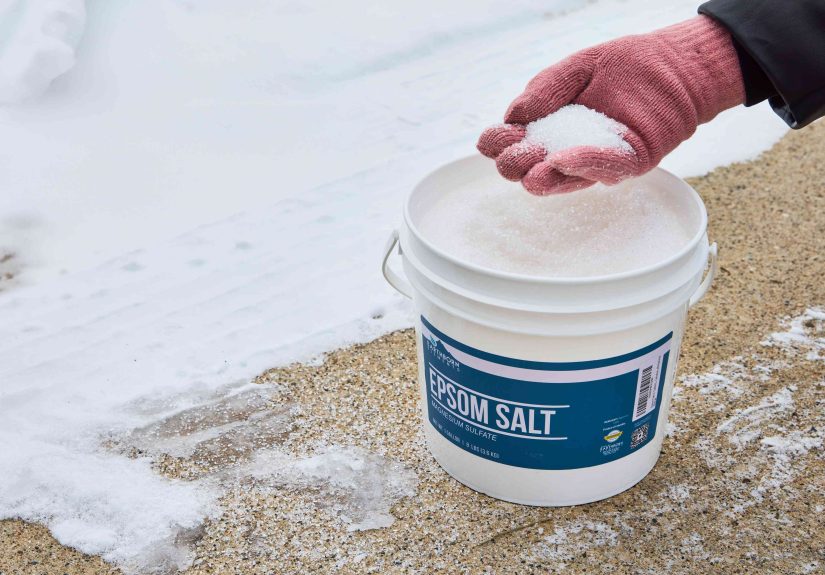
One of the most common cold-weather questions is whether Epsom salt can handle driveway ice. The answer is yes, sort of, but not in the heroic, movie-trailer way some people imagine. Epsom salt can help in certain conditions, but it is not the gold standard for serious winter ice control. It is more of a backup singer than the headliner.
This is where a winter expert’s advice matters. The real issue is not just whether Epsom salt can melt ice, but when it works, when it fails, and what tradeoffs come with every deicer you toss on your walkway. Temperature, surface type, pets, nearby plants, water runoff, and even timing all matter more than most people realize.
Here is the bottom line up front: Epsom salt is a reasonable short-term option for light ice in milder winter weather, but it is not the most effective or practical choice for bigger, colder, or high-traffic icy surfaces. For reliable winter safety, the smartest play is usually early shoveling, careful pretreatment, and the right deicer for the temperature.
What Epsom Salt Actually Does on Ice
Epsom salt is magnesium sulfate. Like other salts, it can lower the freezing point of water. That means it may loosen a thin layer of ice or help break the bond between ice and pavement. On paper, that sounds promising. On an icy driveway at dawn, it can be less exciting.
The problem is performance. Compared with standard ice-melt products, Epsom salt is slower and less reliable, especially when temperatures drop. In practical terms, that means it may help with a frosty coating on front steps, but it is not the product most winter maintenance pros reach for when the driveway looks like a frozen parking lot and the thermometer is having a bad attitude.
Think of Epsom salt as the “I’m out of the usual stuff” option. It can be useful in a pinch, especially for small surfaces and lighter ice. It is not the product that wins a winter war.
Epsom Salt vs Traditional Ice Melt
Epsom Salt
Epsom salt is appealing because many people already have it at home. It is often seen as a gentler household option, and it may help on thin ice when temperatures are not brutally low. Still, it tends to work best in narrower situations and usually needs help from elbow grease, scraping, or added traction material.
Rock Salt
Rock salt, or sodium chloride, is the cheap classic. It is widely available, familiar, and usually the first thing people picture when they hear “ice melt.” It works well enough in many ordinary winter conditions, but it loses effectiveness as temperatures fall. It can also be rough on plants, concrete, metal, and waterways when overused.
Calcium Chloride
Calcium chloride is the overachiever of the bunch. It works in colder conditions than rock salt and is often the best choice when temperatures really dive. It also acts fast, which is why it shows up in many premium ice-melt products. The tradeoff is usually price.
Magnesium Chloride
Magnesium chloride is another strong option for colder weather and is often marketed as being gentler for pets and landscapes when used correctly. It can be a practical middle ground for homeowners who want better low-temperature performance without going straight to the harshest-feeling products.
CMA, Urea, and Other Alternatives
Some alternatives are designed to reduce damage to plants, concrete, or the environment. Calcium magnesium acetate, often called CMA, is one of the more landscape-friendly options, though it is expensive. Urea is sometimes used too, but it comes with its own tradeoffs and is not a magic fix. In winter maintenance, every “better” option is really just “better for this specific problem.”
So, Is Epsom Salt Better Than Ice?
Not exactly. That is like asking whether a butter knife is better than a frozen turkey. They are not really competing categories. Ice is the hazard. Epsom salt is one possible tool. The better question is whether Epsom salt is the best tool for the job.
For most homeowners, the answer is no. Epsom salt is usually not the best tool for thick ice, repeated freeze-thaw cycles, steep driveways, or high-foot-traffic surfaces where slips can turn serious fast. On those surfaces, standard deicers with known temperature ratings usually make more sense.
Where Epsom salt can shine is in light-duty situations. A little patch of slickness on porch steps? Fine. A narrow sidewalk with a thin morning glaze and no rock salt in the garage? Reasonable. A long driveway after a storm, with packed snow and subfreezing temps? That is when Epsom salt starts looking more like a suggestion than a solution.
What Winter Experts Usually Recommend First
The best winter experts tend to say the same thing, and it is not very glamorous: shovel first. Remove as much snow and packed slush as possible before you throw chemicals at the surface. Deicers work better when they are breaking a bond or dealing with leftover ice, not when they are trying to melt an entire snowstorm by themselves.
Pretreatment also matters. Applying a suitable deicer before or right as snow begins can stop ice from bonding tightly to pavement. That makes cleanup easier, reduces the total amount of product needed, and usually gives better results than waiting until the surface turns into a skating competition.
Another expert lesson: more product is not automatically better. Many homeowners oversalt. It feels productive, but it is often wasteful and can increase damage to nearby grass, shrubs, concrete, and stormwater systems. The smart approach is a light, even application and a follow-up shovel or scrape once the slush loosens.
When Epsom Salt Makes Sense
- When you need a quick backup and do not have standard deicer on hand
- When temperatures are relatively mild for winter and the ice layer is thin
- When you are treating a small area such as front steps, a porch landing, or a short walkway
- When you can combine it with scraping and traction for better results
In these cases, Epsom salt can be useful. It is just important to keep expectations realistic. It may loosen ice. It may reduce slickness. It probably will not perform like a professional-grade deicing strategy.
When Epsom Salt Is the Wrong Move
- When temperatures are very low
- When ice is thick, packed, or covering a large area
- When the surface is steep or heavily used
- When you need quick, dependable melting for safety reasons
- When you are trying to avoid repeat applications and extra labor
If the goal is safe walking now, not “maybe improved conditions in a while,” Epsom salt is often not the winner.
What About Plants, Pets, Concrete, and the Environment?
This is where the conversation gets interesting. Many homeowners start looking at Epsom salt because they are worried about collateral damage. That concern is valid. Traditional deicers can be rough on the landscape and on built surfaces when they are applied too heavily or too often.
Rock salt is especially notorious for plant injury, chloride runoff, and corrosion issues. It can burn roots and foliage, irritate pets’ paws, and contribute to chloride pollution in lakes, streams, and groundwater. Concrete and metal can suffer too, especially over repeated freeze-thaw cycles and heavy winter use.
Some alternatives, including magnesium chloride or CMA, are often promoted as gentler options when used properly. That said, no deicer is entirely consequence-free. Even products marketed as pet-friendly or landscape-friendly should still be used carefully, sparingly, and according to the label.
Epsom salt sometimes gets points in the public imagination because it feels familiar and less industrial. That does not automatically make it the best environmental choice for every icy surface. The bigger sustainability win often comes from using less product overall, shoveling earlier, treating only critical areas, and choosing a deicer with the right balance of safety and performance for the day’s conditions.
The Smarter Alternative: Match the Tool to the Temperature
The biggest winter maintenance mistake is choosing a product by habit instead of weather. Ice control is really a temperature game.
On a cold-but-manageable day, rock salt might be enough. On a seriously frigid day, calcium chloride or another low-temperature product may be the safer bet. On a day when nothing is likely to melt effectively, sand or grit for traction may be more honest than tossing salt and hoping for a miracle.
That last point is worth repeating: traction materials do not melt ice. Sand, grit, gravel, and cat litter help people walk without skating. They are about grip, not chemistry. In some conditions, that is exactly what you need.
Practical Example: Three Real-World Winter Scenarios
Scenario 1: Thin Morning Ice on Front Steps
You wake up to a light glaze on the porch and steps. Temperatures are cold but not extreme. This is one of the few situations where Epsom salt can be a decent emergency option, especially if you scrape soon after applying and add a little traction material.
Scenario 2: Packed Driveway After Overnight Snow
The driveway has been driven on, the snow is compacted, and the surface now resembles frozen concrete armor. This is shovel-and-scrape territory first. Epsom salt alone will likely disappoint. A standard deicer rated for the temperature will be more effective.
Scenario 3: Bitter Cold, No Melting in Sight
The temperature has plunged and nearly every product is struggling. This is when winter experts often emphasize traction, minimal chemical use, and realistic safety steps. Sometimes the smartest choice is not trying to “melt it all” but making the surface safer until conditions improve.
The Verdict
Epsom salt is not a winter myth, but it is also not a winter miracle. It can help a little, especially in mild conditions and on small icy surfaces, but it is not the strongest, fastest, or most dependable answer for serious ice removal.
A winter expert would likely tell you this: use Epsom salt only when the conditions are right and your expectations are modest. For better results, clear snow early, pretreat when possible, use the correct deicer for the temperature, and switch to traction materials when melting is unrealistic.
In other words, Epsom salt has a seat at the winter table. It just should not be sitting at the head of it.
Winter Experience Notes: What People Learn the Hard Way
Anyone who has managed a home through a few real winters learns that ice control is less about one magic ingredient and more about timing, judgment, and not underestimating a shady patch of pavement. The most common experience is also the most humbling: the surface that looked “basically fine” from the window becomes the exact spot where your boots slide like cartoon props.
Homeowners often discover Epsom salt during a shortage, or after realizing the regular ice melt bag is empty right when the storm arrives. In that moment, Epsom salt feels like a clever save. Sometimes it is. On a porch step or a short walkway with light ice, it can buy enough improvement to make a scrape-and-clear routine work. That small success is why the idea keeps spreading every winter.
But longer experience usually changes the conversation. People notice that Epsom salt can be unpredictable. One day it seems helpful; the next day it barely makes a dent. The difference is almost always the conditions. A thin glaze at a relatively mild temperature behaves very differently than refrozen slush on a long driveway after a hard overnight drop. Winter has a nasty habit of punishing products that looked good in theory.
Another common lesson is that oversalting does not rescue bad timing. Many people throw deicer onto packed snow that should have been shoveled earlier, then wonder why the surface stays messy, slick, and slushy. Experienced homeowners eventually realize that the shovel does most of the heavy lifting. The salt is support staff. When that order gets reversed, results get expensive and disappointing fast.
People with pets or landscaping also tend to become more selective over time. After one season of burnt grass edges, irritated paws, or crusty white residue getting tracked indoors, the question shifts from “What melts fastest?” to “What solves the problem with the least collateral damage?” That is when homeowners start reading labels, paying attention to active ingredients, and reserving stronger products for the most dangerous spots instead of broadcasting them everywhere like winter confetti.
Then there is the traction lesson. Many people spend years assuming every winter product is supposed to melt ice. Eventually they discover that some days the best answer is simply grip. Sand, grit, or similar materials may not look as dramatic as a chemical melt, but they can make a walkway safer when the temperature is too low for reliable melting. It is not flashy, but neither is falling.
The most seasoned winter households usually end up with a small system: a good shovel, something for traction, a deicer matched to the local climate, and a backup plan for smaller icy spots. In that setup, Epsom salt can absolutely have a role. It is the household understudy, not the star actor. And honestly, that is fine. Winter safety is not about winning style points. It is about getting from the front door to the car without starring in your own viral fail video.
Conclusion
Epsom salt can help with ice, but only within limits. It is best treated as a backup for small areas and milder conditions, not as the first-choice solution for every storm. The most reliable winter strategy remains simple: remove snow early, pretreat before bonding happens, use the lightest effective amount of product, and match the deicer to the weather. That is the kind of advice that keeps your walkway safer, your plants happier, and your winter budget from quietly crying in the garage.