Table of Contents >> Show >> Hide
- The Original Vibe: A “Homes” Moment That Hit the Homepage
- What “Homes On Homepage” Should Mean in 2026
- Build Your “Homes On Homepage” Command Center (Free Tools, Real Results)
- The Home Value Rabbit Hole (and How to Use It Without Losing Your Mind)
- Mortgage Reality Check: The Least Sexy Freebie That Saves the Most Money
- The Fab Freebie Homebuyer Checklist: Must-Haves That Actually Matter
- If You’re an Agent or Marketer: Your Homepage Has Legal and Ethical Responsibilities
- Sweepstakes and “Freebies”: Fun, But Read the Fine Print
- Conclusion: Make Your Homepage Work for Your Home Search
- Experience Section: of “Homes On Homepage” in the Wild
There are two kinds of people in the world: the ones who set their browser homepage to a calming photo of a beach… and the ones who set it to “the one house that got away” and then proceed to refresh like it’s a sport. If you’re here, congratulationsyou’re in the second group. Welcome. We have open tabs.
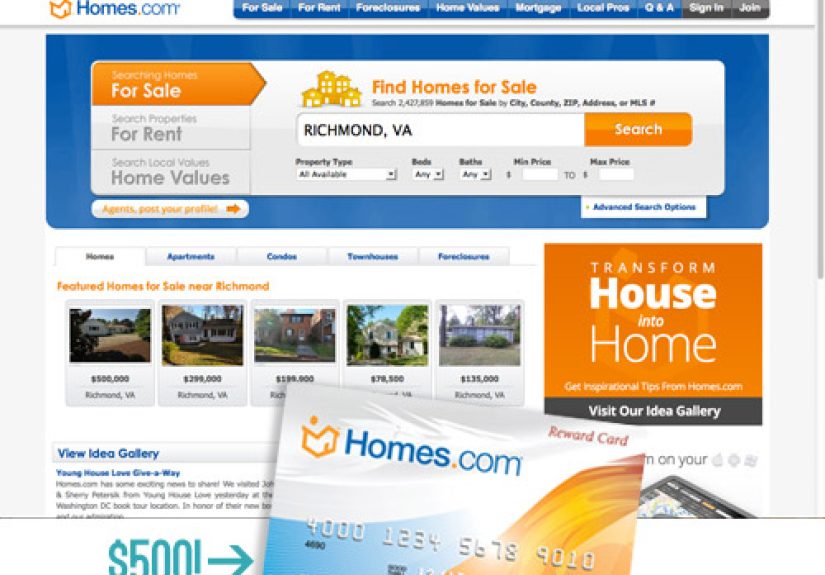
“Fab Freebie: Homes On Homepage” started as a delightfully internet-era mashup: a home-and-DIY site teaming up with a real estate portal to hype homes, dreaming, and a little “what would you do with $500?” energy. The giveaway itself is old news, but the idea is evergreen: put the home search experience where you’ll actually use itfront and center, on your homepage, in your daily scrolling orbit, in the place where your attention already lives.
This post reimagines that vibe for right now. Not just “go look at listings,” but: build a smart, free-ish home-search command center that helps you make better decisions (and fewer impulsive ones at 1:00 a.m. after watching a renovation show).
The Original Vibe: A “Homes” Moment That Hit the Homepage
Back in the day, a popular DIY blog ran a “Fab Freebie” with Homes.comcomplete with the classic “comment to enter” format and a prize that basically screamed: “Buy paint. Or a dishwasher. Or both. We won’t judge.” The charming part wasn’t the entry mechanics; it was the framing: Homes.com wasn’t just listings. It positioned itself as a place for the full home journeysearching, buying, learning neighborhoods, and yes, getting inspiration for what comes after the keys hit your palm.
Fast-forward: real estate portals are now loaded with neighborhood data, valuation tools, saved searches, and features designed to help you filter your way from “I want a house” to “I want this house for reasons that make sense in daylight.” That’s the real freebie: information, organized well.
What “Homes On Homepage” Should Mean in 2026
Let’s translate the phrase into something useful:
- Homes = listings, values, neighborhood intel, and sanity checks.
- On Homepage = the place you naturally start your browsing day (or your browsing spiral).
- Fab Freebie = you use free tools and smart structure before you spend moneyor emotional energy.
The goal isn’t to stare at houses more. The goal is to stare at houses better. Your homepage becomes a small system that: (1) keeps your search focused, (2) makes trade-offs visible, and (3) prevents you from falling in love with a home that only “works” if you stop needing sleep, storage, and reasonable mortgage payments.
Build Your “Homes On Homepage” Command Center (Free Tools, Real Results)
Think of this like a cockpit. You don’t need more screensyou need the right instruments. Here’s what to add, and why it matters.
1) Pick One Primary Portal (Yes, Just One)
Homes.com, Zillow, Redfin, Realtor.comuse whichever you like, but choose a “home base.” Homes.com leans into neighborhood and school detail, building data, and broad inventory browsing. That’s useful when you’re still defining what “right” looks like.
Pro tip: make your primary portal your actual browser homepage for 30 days. Not forever. Just long enough to learn your patternswhat you click, what you ignore, and what makes you say, “Wait… why is the laundry in the kitchen?”
2) Saved Searches and Alerts: Let Listings Come to You
Refreshing listings manually is the cardio of the internet. It feels productive. It is not. Use saved searches and alerts so new listings and price changes surface automatically. Your future self (the one who wants a life) will thank you.
Your alert setup should match your decision stage:
- Exploring: wide radius, flexible bed/bath, one or two must-haves.
- Serious: tighter area, realistic budget, clear deal-breakers.
- Actively touring: immediate alerts for new listings and price drops.
3) Add a Commute Reality Filter (Because Dreams Don’t Sit in TrafficYou Do)
A commute-time filter is the single most underrated relationship test you can run before buying: “Do I still love this charming bungalow when I remember I’ll be commuting 90 minutes each way?”
If your portal supports commute-time filtering, use it early. If not, keep a mapping tab pinned and check drive times during your actual commute hours. Yes, it’s less romantic. So is being late every day.
4) Map View + School and Amenities Layers
Homes aren’t just floor plans; they’re locations with trade-offs. A map view helps you see the context: highways, train lines, parks, commercial strips, and “why are there four tire shops on this block?”
School filters can be helpfulespecially when you’re trying to understand resale dynamics and neighborhood demand. Just remember: data is a starting point, not a verdict. Visit, ask questions, and look beyond a single score.
5) Create a Notes System You’ll Actually Use
If you tour more than three homes, your brain will begin to compress them into one mega-house: “Was the cute breakfast nook in the one with the weird basement smell… or the one with the vampire lighting?”
Your homepage setup should include a simple place to track:
- Top 10 contenders (links + one-line summaries)
- Deal-breakers noticed in photos (before you waste a tour)
- Tour notes (light, noise, layout, street feel)
- Questions for your agent or lender
A spreadsheet works. A notes app works. Sticky notes on your monitor also work, though they may eventually become a modern art installation titled “Anxiety, But Make It Stationery.”
The Home Value Rabbit Hole (and How to Use It Without Losing Your Mind)
Online home values are usefulif you treat them like weather forecasts: informative, imperfect, and not something you should argue with at Thanksgiving.
Zestimate, Redfin Estimate, and Other Automated Valuations
Zillow’s Zestimate is explicitly not an appraisal. It’s an algorithmic estimate that blends public records, listing data (when available), user-submitted updates, and market signals.
Redfin publishes median error rates and explains that estimates tend to be more accurate for homes currently on the market than for off-market properties. That transparency is helpfulbecause it reminds you where confidence should be high and where it should be… politely skeptical.
Homes.com offers valuation reports that may combine multiple automated valuation models and comparable sales context. That’s great for orientation: “Are we in the ballpark, or did my brain price this house based on vibes and crown molding?”
How to Use Value Estimates Like a Grown-Up
- Compare multiple sources. If three tools cluster, you’ve got a decent range.
- Look at comps. Recent nearby sales tell you what buyers actually paid.
- Adjust for condition. Renovated kitchen vs. “vintage since 1973” matters.
- Remember the listing strategy. Underpricing to spark competition is a thing.
- Get professional input. When it’s serious, lean on your agent and lenderand the appraisal process.
Online estimates are great for quick context. They are not great for declaring, “This house is objectively worth $X and I will now fight strangers on the internet about it.” Save that energy for moving day.
Mortgage Reality Check: The Least Sexy Freebie That Saves the Most Money
The Consumer Financial Protection Bureau (CFPB) publishes practical tools that walk buyers through mortgage shopping, closing costs, and the questions you should ask before you commit to anything with more zeros than your phone number. If your homepage setup has one “adulting” tab, make it a mortgage toolkit and readiness checklist.
A strong “Homes On Homepage” system includes three numbers you keep visible:
- Your true monthly comfort payment (not your maximum, your comfort).
- Your cash needs (down payment + closing costs + moving + first repairs).
- Your rate sensitivity (what happens if rates move and you refinance lateror don’t).
If this part feels boring, remember: boring is what keeps you from being “house poor,” which is a fancy term for “owning a beautiful home and eating cereal for dinner because you can’t afford forks.”
The Fab Freebie Homebuyer Checklist: Must-Haves That Actually Matter
“Must-have” lists can get silly fast. (Helipad? In this economy?) But a good must-have list is how you prevent yourself from buying a home that’s gorgeous on Instagram and exhausting in real life.
Category A: Non-Negotiables (Your Life Will Break Without These)
- Commute and daily logistics you can tolerate
- Safety and accessibility needs
- Enough bedrooms/bathrooms for your household reality
- A layout that matches how you live (not how you pretend you live)
Category B: High-Value Wants (Worth Paying For, Within Budget)
- Storage that prevents “closet Tetris”
- Outdoor space, even if it’s small
- Natural light (because mood matters)
- A kitchen that supports your cooking level (from “chef” to “microwave artist”)
Category C: Nice-to-Haves (Delightful, Not Required)
- Soaking tub fantasies
- Perfectly staged built-ins
- Shiplap (if that’s your love language)
Put these categories into your homepage notes system. When you find a listing you love, score it quickly: A’s first, then B’s, then C’s. That’s how you stay grounded when a listing photo uses wide-angle magic to make a closet look like a yoga studio.
If You’re an Agent or Marketer: Your Homepage Has Legal and Ethical Responsibilities
“Homes On Homepage” isn’t just for buyers. If you market housinglistings, rentals, mortgages, home insurance you’re operating in a highly regulated space. The Fair Housing Act prohibits discrimination in housing-related transactions based on protected characteristics.
Recent guidance from HUD’s Office of Fair Housing and Equal Opportunity explains how fair housing principles apply to digital advertisingespecially when targeting and delivery rely on algorithms or AI. The short version: even if targeting decisions are automated, discriminatory outcomes can still create risk. Translation: you don’t get to outsource fairness to a black box and call it a day.
Practical homepage-level habits for housing advertisers:
- Write inclusive listings. Focus on the property and amenities, not who you imagine living there.
- Avoid “steering” language. Don’t imply preferences or exclusions.
- Be careful with audience targeting. Broad reach is safer than narrow “only show this to…” strategies.
- Use fair housing notices and consistent policies. Make compliance visible and repeatable.
It’s not just about avoiding trouble. It’s about making sure housing information is accessible and fairbecause “who gets to see what” is a real-world equity issue, not a marketing experiment.
Sweepstakes and “Freebies”: Fun, But Read the Fine Print
A “Fab Freebie” is harmless fun when it’s legit. But “free” is also a favorite costume worn by scams. So here’s your quick freebie safety kit:
No Purchase Necessary Means… No Purchase Necessary
Consumer guidance from the U.S. Postal Inspection Service is blunt: you should never have to buy something or pay a fee to enter and win a sweepstakes, and your odds shouldn’t improve if you purchase. If someone tells you otherwise, that’s not a sweepstakesthat’s a problem wearing confetti.
Never Pay to Receive a Prize
If you “won” but you need to pay shipping, processing, or a mysterious “release fee,” back away slowly. Real promotions have rules you can read, eligibility you can verify, and entry methods that don’t involve panic-paying strangers.
Yes, Prizes Can Be Taxable
Gift cards and prizes can be taxable income depending on the situation. If you’re lucky enough to win something, enjoy itjust keep the paperwork and be aware that tax reporting may apply.
Conclusion: Make Your Homepage Work for Your Home Search
“Fab Freebie: Homes On Homepage” is a mood, not a moment in time. The modern version isn’t about winning a gift card (though, sure, we love a gift card). It’s about building a smart, free-first system that helps you: find better homes, avoid bad fits, and make decisions that hold up under real life.
Start simple: choose a portal, set alerts, track your must-haves, sanity-check values, and run the mortgage numbers like you’re the CEO of your own future. Because you are.
Experience Section: of “Homes On Homepage” in the Wild
Here’s what the “Homes On Homepage” experiment often looks like when you actually do itmessy, funny, and oddly empowering.
Day 1: I set my browser homepage to a real estate portal and felt instantly productive… which is hilarious, because all I did was move my procrastination to a new tab. Still, within ten minutes I noticed something important: I wasn’t looking at homesI was looking at photos. So I forced myself to open listings in a “two-minute rule” format: two minutes per home, max. If I couldn’t find the basics (price, neighborhood, key features, and a floor plan if available), it wasn’t worth emotional attachment. This alone cut my doom-scrolling by half.
Day 2: I added a commute check. Not a vibe-based “it seems close,” but a real weekday-time drive estimate. Three homes I loved immediately became “hard no.” This was depressing for about twelve secondsuntil I remembered that time is also money, and I prefer both.
Day 3: I built a tiny notes system: each favorite got a one-line label like “Great light, tiny closets” or “Perfect yard, suspicious basement.” It sounds silly until you’re comparing your fifth “open concept” listing and your brain starts buffering. Notes turned the search into something I could evaluate instead of something I could merely feel.
Day 4: I went down the home-value rabbit hole. I checked multiple estimates, then looked at comps. The estimates weren’t uselessthey were just incomplete. The biggest lesson: online numbers behave best when a home is actively listed with accurate details, and behave worst when information is outdated. Instead of arguing with the number, I used it as a prompt: “What data might be missing here?” Sometimes the answer was “a whole renovation that public records haven’t caught up to.” Sometimes the answer was “the listing photos are doing Olympic-level flattering.”
Day 5: I did the unglamorous thing: I opened a mortgage readiness checklist and wrote down my real monthly comfort payment. This was the opposite of fun. It was also the moment the search stopped being fantasy and became a plan. Suddenly, I wasn’t chasing the biggest house I could possibly afford; I was looking for the best life I could comfortably support.
Day 6: I toured two homes (in my head, via listings) and realized that my must-haves weren’t “granite” or “vaulted ceilings.” They were “storage,” “light,” and “a layout that doesn’t make daily life harder.” I updated my filters accordingly. The result was fewer listings, yesbut dramatically better ones.
Day 7: The best surprise: turning “Homes On Homepage” into a system made the whole process calmer. When the search is structured, you don’t have to rely on adrenaline. You can be excited without being chaotic. And that, honestly, is the real fab freebieconfidence you didn’t have to pay for.