Table of Contents >> Show >> Hide
- The House That Time Refused to Evict
- Why Forgotten Toys Hit So Hard
- What the Toys Said About the 1960s
- Photographing Childhood Memorabilia Without Turning It Into a Gimmick
- What Abandoned Homes Teach Us About Memory
- The Unexpected Humor in the Dust
- Why This Kind of Story Resonates Online
- Additional Reflections From Inside the House
- Conclusion
Some abandoned houses feel eerie. Some feel tragic. And then there are the rare ones that stop you cold because they do something much stranger: they remind you that laughter used to live there.
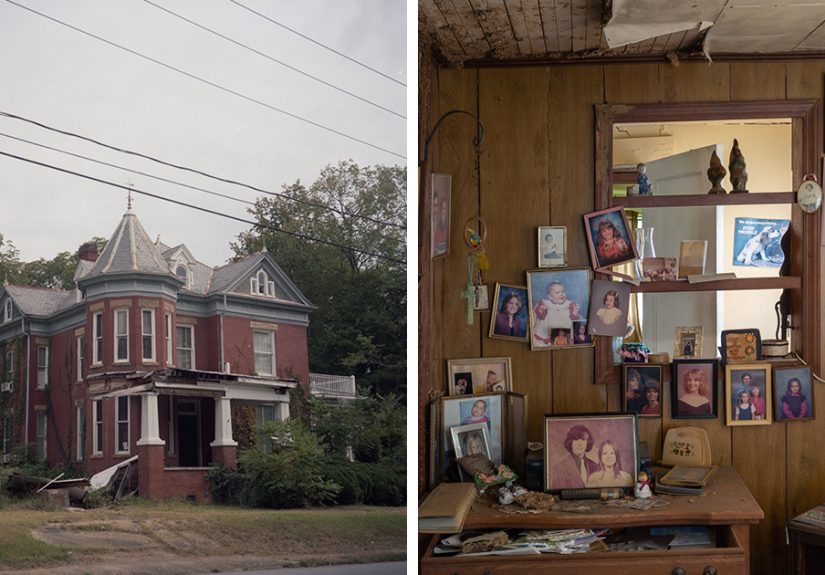
That was the feeling I had walking into an abandoned 1960s house packed with childhood memorabilia. The place was dusty, yes. Quiet, absolutely. But it was not empty. It was overflowing with the little artifacts of ordinary family life: dolls with fixed smiles, toy cars tucked beneath furniture, faded lunch boxes, paper ephemera, and the kind of well-loved plastic clutter that once made a home feel gloriously chaotic. It looked less like a haunted house and more like a time capsule with abandonment issues.
As a photographer, I came for texture, light, color, and story. What I found was something bigger. The house offered a surprisingly moving lesson about memory, American childhood, and why forgotten toys hit harder than almost any other object left behind. A cracked lamp is just a cracked lamp. A doll missing one shoe? That is emotional sabotage.
This photographic journey through an abandoned 1960s house became more than an exercise in urban exploration. It turned into a meditation on vintage toys, domestic history, nostalgia, and the stubborn way childhood leaves fingerprints on a place long after the people are gone.
The House That Time Refused to Evict
From the outside, the home looked modest and unremarkable, the kind of mid-century American house you might miss if you blinked. Inside, it felt like time had been interrupted rather than concluded. Furniture remained in place. Curtains still softened the windows. Drawers were full. Shelves sagged beneath books, trinkets, and holiday leftovers. And scattered through nearly every room were toys, keepsakes, and the small, joyful messes of family life.
That is what made the house so affecting. It did not feel staged. It felt paused. The children who once played there had obviously grown up, moved away, or been moved by circumstance. Yet their world remained behind in fragments: a toy chest with a broken hinge, a doll dress folded into a drawer, a paper doll set flattened by time, a toy car marooned near a heating vent like it had rolled there during a tantrum in 1971 and simply never recovered.
Photographing abandoned houses is often described as documenting decay, but that phrase can be too blunt for places like this. Decay was present, sure, but so was intimacy. The house still carried the logic of family routines. There were signs of birthdays, school years, rainy afternoons, and Christmas mornings. The toys were not just objects. They were evidence.
Why Forgotten Toys Hit So Hard
Anyone can feel a tug when they see old toys, even if they never owned the exact ones in front of them. That is because toys are emotional shortcuts. They connect us to imagination, routine, comfort, and identity faster than almost anything else. Childhood memorabilia is rarely expensive in the traditional sense, but it is often priceless in the emotional one.
In photographs, forgotten toys have a special power. They bring scale to absence. A house with peeling wallpaper tells you it is old. A house with a tiny stuffed bear sitting upright on a child’s chair tells you someone once mattered there. A lot.
That emotional contrast is what gives abandoned house photography its punch. The camera captures decay, but the toys introduce memory. They soften the image while making it sadder. It is a rude little trick, honestly. A sunlit room full of dust is atmospheric. A sunlit room with a doll staring at you from a shelf is a direct attack.
There is also something especially powerful about childhood objects because they were designed for use, not reverence. Toys were meant to be dragged, hugged, chewed, stacked, crashed, dressed, and forgotten under the couch. When those objects survive into old age, they carry wear differently than adult possessions. Scratches, stains, bent corners, and mismatched pieces do not read like damage. They read like biography.
What the Toys Said About the 1960s
Plastic, color, and cheerful modernity
One of the most fascinating things about exploring a house filled with vintage toys is how clearly the objects reflect their era. The 1960s were a boom time for mass-market playthings in America. Plastic became a defining material, television and branding increasingly shaped what children wanted, and toy design leaned into bright colors, novelty, and modern convenience.
That spirit lingered in the house. You could feel it in the cheerful finishes, the molded parts, the candy-colored accessories, and the unapologetic optimism of the objects themselves. Mid-century toys often looked like little promises about the future. They suggested that life would be brighter, shinier, faster, and maybe available in turquoise.
Even when a specific brand name was no longer visible, the style of the toys hinted at the cultural landscape of the time. Fashion dolls recalled the era that made Barbie a household icon. Military figures and play sets echoed the period when G.I. Joe redefined boys’ toys by turning “dolls” into “action figures.” Toy ovens, illuminated art toys, and model cars reflected the years that popularized the Easy-Bake Oven, Lite-Brite, and Hot Wheels. In other words, the house was not just filled with toys. It was filled with the design language of 1960s American childhood.
Television moved into the playroom
The house also showed how much entertainment culture had moved into children’s everyday lives. Branded lunch boxes, character-based items, and pop-culture tie-ins helped transform bedrooms and playrooms into extensions of what children watched and admired. Paper dolls, toy figures, and decorative objects did more than occupy time. They let kids rehearse identity, taste, fantasy, and belonging.
That matters because abandoned toys are not just cute relics. They are clues. They tell us what kind of stories children absorbed, what kinds of roles they acted out, and what the larger culture sold as fun, normal, or aspirational. A toy kitchen suggested one future. A race car suggested another. A doll wardrobe suggested a whole mini-economy of fantasy. Together, they formed a map of how childhood was being imagined at the time.
Photographing Childhood Memorabilia Without Turning It Into a Gimmick
When I began photographing the house, I quickly realized the challenge was not finding compelling subjects. It was avoiding the obvious. Abandoned places already come with built-in drama, and toys can easily push an image into cheap sentimentality or internet-bait spookiness. I did not want that. I wanted the photographs to feel observant, not manipulative.
Let the light do the storytelling
The strongest images came from restraint. Natural light spilling through old curtains was more powerful than any forced theatrical setup. Morning light revealed pastel tones and softened the mood of bedrooms. Late afternoon light added long shadows that made empty playrooms feel reflective rather than creepy. Dust caught in the sunbeam did half the work for free. Nature, as it turns out, is an excellent production assistant.
Small details often carried the biggest emotional weight
Wide shots established context, but close-ups carried the heart of the story. A worn toy wheel. A handwritten name inside a book. A box of crayons fused together by heat. A doll with tangled hair lying beside a stack of school papers. Those were the moments that transformed the house from a location into a life.
That is also why photographing forgotten toys requires patience. The image is rarely about the object alone. It is about the relationship between the object and the room around it. A toy car on an empty shelf means one thing. That same toy car in front of family portraits, peeling wallpaper, and a rain-streaked window means something much richer.
Respect the scene
Historic preservation guidance emphasizes documenting fragile places before details vanish, and that mindset shaped my approach. I did not want to “improve” the scene. Rearranging objects might create a prettier frame, but it would erase the very thing that made the house valuable: authenticity. When a room has survived for decades in near-stillness, your first job is not styling. It is witnessing.
That also applies to the objects themselves. Old plastics, paper, photographs, and textiles can be surprisingly vulnerable. Heat, moisture, mold, and careless handling can do real damage. So if you are documenting a house like this, treat it less like a treasure hunt and more like a fragile archive. The story is already there. You do not need to shake it loose.
What Abandoned Homes Teach Us About Memory
The deeper I got into the photo series, the clearer it became that abandoned houses are really accidental museums of ordinary life. Not the polished kind with tidy labels and gift shops, either. These are messier museums, full of unresolved stories and unlabeled emotions. Their collections are random, intimate, and wildly revealing.
A house packed with childhood memorabilia tells a particularly layered story because children’s objects tend to outlast the children who used them in a visible way. Adults often take the important paperwork, jewelry, and valuables. But the toys, craft supplies, stuffed animals, and playroom clutter are frequently what remain. That does not make them less important. In many ways, it makes them more human.
They show what a family did when nobody was posing for a formal portrait. They reveal taste, routine, class, aspiration, and affection. They suggest what was treasured, what was tolerated, and what was too ordinary to save until it became extraordinary by surviving. In a house like this, the forgotten toy becomes a witness. It says, “Someone lived here in full color.”
The Unexpected Humor in the Dust
For all its emotional heft, the house was not relentlessly sad. In fact, some moments were unintentionally hilarious. There is something surreal about finding a row of plastic animals lined up with military seriousness in a bedroom that has otherwise surrendered to entropy. At one point I found a toy clown whose expression suggested it had been silently judging the room for fifty years. Frankly, I respected the commitment.
That balance of humor and melancholy is part of what makes forgotten toys so visually compelling. Childhood itself is not solemn. It is weird, messy, dramatic, imaginative, and occasionally deranged in the most charming way possible. Any honest photo essay about abandoned childhood memorabilia should leave room for that. The point is not to embalm the past. It is to notice how alive it still feels.
Why This Kind of Story Resonates Online
There is a reason readers click on stories about abandoned houses, vintage toys, and lost childhood spaces. These images combine three irresistible ingredients: mystery, nostalgia, and material detail. Viewers want to know what happened, what the objects are, and why the whole thing feels so personal even when it belongs to strangers.
From an SEO perspective, that means this topic naturally connects to powerful search intent around abandoned house photography, forgotten toys, 1960s memorabilia, vintage childhood objects, nostalgia, and time capsule homes. But the reason it performs is not just keyword relevance. It performs because it taps into shared emotional memory. Most people do not need to have visited an abandoned mid-century house to understand what it means to see a toy left behind. They feel the story instantly.
That is what makes this subject so rich for long-form storytelling. It works as visual culture, domestic history, nostalgia writing, and human-interest journalism all at once. It is eerie enough to intrigue readers, specific enough to reward them, and emotional enough to stay with them after they scroll away.
Additional Reflections From Inside the House
The longer I stayed in the house, the more I noticed that the experience was not really about “discovering” things. It was about being slowed down by them. In everyday life, we move fast. We categorize objects in an instant: toy, trash, keepsake, donation pile, junk drawer casualty. In this house, that quick sorting mechanism broke down. Every object asked for a second look.
A tiny shoe in the corner was no longer just a tiny shoe. It became a question. Who wore it? Was it part of a doll outfit, or did a child tuck it there while playing house? A stack of old valentines was not just paper. It was proof that somebody once worried about classroom crushes and candy hearts. A coloring book with only three pages filled in felt oddly poignant, like an afternoon interrupted and never resumed.
I also kept thinking about the adults who made this childhood possible. Someone bought these toys. Someone wrapped them at Christmas, stepped on them barefoot, told children to clean them up, then probably gave up and kicked them under a chair. Someone listened to the racket, the laughter, the dramatic sobbing over missing accessories. Childhood memorabilia does not just preserve children. It preserves parenting, too. Behind every toy chest is an exhausted adult who at some point muttered, “If I trip on that one more time, it is going in the trash.” Somehow, miraculously, it did not.
What made the house unforgettable was that it held both abundance and silence at the same time. The rooms were full, but the life had drained out of them. That tension made every photograph feel like a negotiation between presence and absence. I was standing in the aftermath of years of activity, trying to translate that into still images without flattening it into a cliché.
And that is the real challenge with a place like this. You are always one step away from reducing it to “spooky” or “sad” when it is actually more complicated. The house was sad, yes, but it was also tender. It was strange, but also funny. It was broken, but still expressive. The toys had not lost their personality just because the house had lost its people.
When I look back at the photographs now, what stays with me most is not the dust or the decay. It is the stubborn normalcy of the objects. The toys were never trying to become symbols. They were just doing what toys do: waiting to be picked up, even when nobody comes back for them. That quiet readiness is what makes them unforgettable. In the end, the house did not simply show me abandoned things. It showed me how powerfully ordinary objects can carry a family’s emotional weather long after the forecast is gone.
Conclusion
Photographing an abandoned 1960s house packed with childhood memorabilia changed the way I think about forgotten toys. They are not just nostalgic props or eerie visual hooks. They are tiny archives of feeling, snapshots of domestic culture, and surprisingly sharp witnesses to the lives that unfolded around them. In the right light, a toy car, a doll, or a faded paper treasure can say more about a vanished household than an entire room of furniture.
That is why this kind of story resonates so deeply. It is not really about abandonment alone. It is about what remains when ordinary life slips out of frame. And sometimes, what remains is a toy chest full of bright plastic history, still waiting with all the patience in the world.