Table of Contents >> Show >> Hide
- What Is a Cerebral Hemorrhage, Exactly?
- Why Celebrity Cerebral Hemorrhage Deaths Hit So Hard
- Famous People Who Died of Cerebral Hemorrhage
- Patterns Behind Celebrity Cerebral Hemorrhage Deaths
- What These Stories Teach Us About Stroke Awareness
- Experiences and Reflections: How These Deaths Shape Our View of Brain Health
When a celebrity dies suddenly of a cerebral hemorrhage, the headlines feel extra shocking.
One day they’re giving a speech, filming a movie, or performing onstage; the next, news alerts mention words
like “massive brain bleed” and “hemorrhagic stroke.” It’s jarring, and it raises a lot of questions:
How does a cerebral hemorrhage happen? Could anyone be at risk? And which famous people lost their lives
this way?
This guide walks through some of the most notable celebrity cerebral hemorrhage deaths,
from presidents and business titans to actors, musicians, and trailblazing entertainers. Along the way,
we’ll unpack what a cerebral hemorrhage actually is, highlight patterns in these stories, and pull out
a few lessons about stroke awareness and preventionwithout getting grim or overly technical.
Think of this as a mix between a history lesson, a celebrity list, and a quiet reminder that brain health
deserves as much attention as the latest award show. No scare tacticsjust clear information, real examples,
and a human look at how a sudden brain bleed has changed history more than once.
What Is a Cerebral Hemorrhage, Exactly?
A cerebral hemorrhage is bleeding inside the brain. A blood vessel in or around the brain
bursts, and blood leaks into the surrounding tissue. Because the skull is a closed, rigid space, that
extra blood has nowhere to go, so it builds pressure. Brain cells don’t like being squeezed, so they can
quickly become damaged or die.
In medical language, this is a type of hemorrhagic stroke. You may also see related terms
like intracerebral hemorrhage (bleeding within the brain tissue itself) or subarachnoid
hemorrhage (bleeding into the space around the brain). All of these are serious, medical-emergency
situations.
Common risk factors include:
- Chronic high blood pressure that weakens blood vessel walls
- Brain aneurysms (bulging weak spots in arteries)
- Abnormal blood vessels (like arteriovenous malformations)
- Head trauma or falls
- Blood clotting disorders or certain medications that thin the blood
Symptoms often come on suddenly and may include a severe headache (“the worst headache of my life”),
weakness or numbness on one side of the body, trouble speaking, confusion, or loss of consciousness.
Because the brain controls everything, a large or poorly placed bleed can be rapidly fatal, even with
emergency care.
Why Celebrity Cerebral Hemorrhage Deaths Hit So Hard
When an everyday person dies of a brain hemorrhage, it’s a tragedy for their family and community. When a
famous person dies this way, the whole world sees it. Fans, followers, and the media
replay their last photos and interviews, analyze their lifestyle, and speculate about what happened.
That public attention can be surprisingly useful. High-profile deaths have:
- Put the spotlight on stroke symptoms and emergency care.
- Shown that brain hemorrhages can strike powerful, wealthy people, not just those with limited access to care.
- Highlighted how conditions like high blood pressure, heart disease, and smoking can damage blood vessels over time.
- Prompted donations to medical research, stroke charities, and rehabilitation programs.
Let’s look at some of the most notable famous people who died of cerebral hemorrhage and
how their stories shaped public awareness.
Famous People Who Died of Cerebral Hemorrhage
The list of celebrity cerebral hemorrhage deaths spans politics, business, entertainment,
literature, and science. Here are some of the most widely documented examples.
Franklin D. Roosevelt (1882–1945)
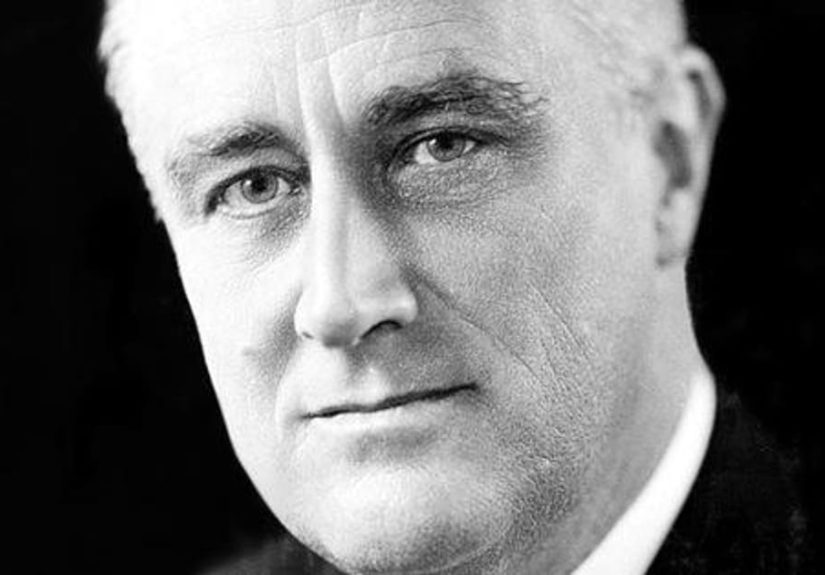
Franklin D. Roosevelt, the 32nd president of the United States, led the nation through the Great Depression
and most of World War II. On April 12, 1945, while sitting for a portrait at his “Little White House” in
Warm Springs, Georgia, he suddenly complained of a “terrific headache,” collapsed, and never regained
consciousness. Physicians diagnosed a massive intracerebral hemorrhage. He died the same afternoon at age 63.
FDR had longstanding cardiovascular disease and very high blood pressurerisk factors that significantly
increase the likelihood of a hemorrhagic stroke. His death, just weeks before the end of the war in Europe,
shocked the public and shaped global history by thrusting Harry S. Truman into the presidency during a
critical moment.
Henry Ford (1863–1947)
Industrialist Henry Ford, founder of Ford Motor Company and a key architect of mass
automobile production, also died of a cerebral hemorrhage. In April 1947, at his Fair Lane estate in
Dearborn, Michigan, he suffered a sudden brain bleed and died at 83.
Ford’s death underscored that even people with access to the best medical care of their time could not escape
the consequences of age, vascular disease, and prior strokes. Millions had driven Ford’s cars; millions also
read the headlines about how a cerebral hemorrhage ended his life.
Josephine Baker (1906–1975)
Entertainer, civil rights activist, and World War II resistance courier Josephine Baker
lived a life that sounds like three biographies packed into one. In April 1975, after a triumphant comeback
show in Paris celebrating her 50 years in show business, she was found in bed surrounded by glowing reviews.
She had suffered a cerebral hemorrhage, slipped into a coma, and died two days later at age 68.
Baker’s state funeral in Paris drew tens of thousands of mourners and full military honors. Her death
reminded the world that even icons known for seemingly limitless energy are vulnerable to silent vascular
problems building over decades.
Richard Burton (1925–1984)
Welsh actor Richard Burton, known for his powerful stage presence and film roles in
classics like Who’s Afraid of Virginia Woolf?, died in 1984 at age 58 after a cerebral hemorrhage
in Geneva, Switzerland.
Burton had a history of heavy drinking and health issues, including high blood pressureboth factors that can
weaken blood vessels and raise the risk of a brain bleed. His sudden death highlighted how lifestyle, stress,
and chronic conditions can intersect in dangerous ways.
Stuart Sutcliffe (1940–1962)
Artist and musician Stuart Sutcliffe is often called “the fifth Beatle.” He played bass with
the Beatles in their early Hamburg days before stepping back to focus on painting. In April 1962, at just
21 years old, he collapsed in Hamburg and died on the way to the hospital. An autopsy found a cerebral
hemorrhage, sometimes described as a ruptured aneurysm or brain bleed.
His death is especially striking because of his age. A cerebral hemorrhage in a young adult is uncommon,
and in many such cases there’s an underlying structural problem in the brain’s blood vessels that had never
been detected.
Trey Wilson (1948–1989)
American character actor Trey Wilson appeared in films like Bull Durham and
Raising Arizona. In January 1989, he died suddenly in New York at age 40 from a cerebral hemorrhage.
Wilson’s death is a reminder that hemorrhagic strokes are not only a disease of the very old. While age
raises risk, people in their 30s, 40s, and 50s canand doexperience catastrophic brain bleeds, sometimes
linked to undiagnosed high blood pressure or hidden vascular abnormalities.
Tenzing Norgay (1914–1986)
Tenzing Norgay, the legendary Sherpa mountaineer who reached the summit of Mount Everest
with Sir Edmund Hillary in 1953, died in 1986 in Darjeeling, India. Some sources describe his cause of death
as a cerebral hemorrhage, while others mention a bronchial or respiratory condition; not all accounts agree
on the exact medical details. What is clear is that he died suddenly at 71 after a lifetime of intense
physical work at extreme altitudes.
Norgay’s story illustrates another theme: even individuals who seem extraordinarily fit and resilient can
face vascular problems later in life, especially after years of physical stress, variable medical care,
and limited early detection tools.
Walter P. Chrysler (1875–1940)
Automotive pioneer Walter P. Chrysler, founder of the Chrysler Corporation, died in 1940 at
age 65 after a cerebral hemorrhage, following earlier strokes. His career helped reshape American
transportation and industrial design, yet it ultimately ended the same way many non-famous lives do: with a
sudden, devastating brain bleed.
Leo Baekeland (1863–1944)
Chemist Leo Baekeland, often called the “father of plastics” for inventing Bakelite, died in
1944 after what many historical accounts describe as a cerebral or brain hemorrhage. His death rarely makes
pop culture lists, but it shows how brain bleeds have touched not only entertainers and politicians, but also
scientists whose work changed everyday life.
Other Notable Names
Lists compiled by historians and popular sites on famous people who died of cerebral hemorrhage
also include:
- Social reformers and nurses, such as Lillian Wald
- Industrial leaders like Walter Chrysler and Henry Ford
- Mountaineers, artists, writers, and public figures from around the world
The exact details differsome had long-standing health issues, others seemed relatively healthybut the
common thread is a sudden bleed in the brain that turned an ordinary moment into a final one.
Patterns Behind Celebrity Cerebral Hemorrhage Deaths
When you line up these celebrity cerebral hemorrhage deaths, a few patterns emerge:
1. Vascular Health MattersA Lot
Many high-profile cases involve underlying cardiovascular issues: long-term high blood pressure, heart
disease, prior strokes, or years of smoking and heavy drinking. Over time, those conditions silently damage
blood vessels, making them more likely to rupture.
2. Age Is a Factor, but Not an Absolute Shield
Some names on this list died in their 60s or 80s; others, like Stuart Sutcliffe and Trey Wilson, died in
their 20s or 40s. While risk increases with age, younger people can still suffer a brain hemorrhageoften
because of aneurysms, congenital vessel abnormalities, or severe head trauma.
3. Lifestyle and Stress Play Supporting Roles
The celebrity lifestyle can be hard on the body: demanding schedules, long travel, chronic stress, irregular
sleep, and sometimes alcohol or drug use. Those factors don’t “cause” a hemorrhage by themselves, but they
can worsen blood pressure control and overall vascular health.
4. Medical Care Has Improved, but Speed Still Wins
Several of the famous people on this list lived in eras when brain imaging and modern neurosurgery didn’t
exist. Today, CT scans, intensive care, and advanced surgery can sometimes save lives or reduce disability
after a hemorrhagic strokebut only if the person gets to the hospital quickly. Even now, delays can be
fatal.
What These Stories Teach Us About Stroke Awareness
Reading about famous people who died of cerebral hemorrhage isn’t just morbid curiosity.
It’s also a crash course in why stroke awareness matters.
Know the Emergency Signs
Health organizations often use memory devices like “FAST” (Face drooping, Arm weakness, Speech difficulty,
Time to call emergency services) to describe stroke symptoms. A cerebral hemorrhage can add extra signs,
such as:
- Sudden, severe headache, often described as a “thunderclap” or “worst headache ever”
- Sudden vomiting or collapse
- Seizures
- Loss of consciousness
If someone has these symptoms, emergency servicesnot a “wait and see” approachare crucial.
Quiet Risk Factors Deserve Loud Attention
Many of the celebrities on this list lived with chronic health conditions that raised their risk: high blood
pressure, heart disease, smoking, heavy alcohol use, or prior strokes. Those same risk factors are incredibly
common in the general population.
Regular checkups, blood pressure control, treating cholesterol and diabetes, avoiding tobacco, and moderating
alcohol intake won’t guarantee that a brain hemorrhage never happensbut they drastically improve the odds.
Fame Doesn’t Equal Immunity
One subtle lesson in any celebrity cerebral hemorrhage death list is this: access to wealth,
prestige, and top-tier doctors doesn’t erase biology. Arteries don’t care how many awards you’ve won.
That can be oddly reassuringbecause it means the steps we take for our own brain health are genuinely
powerful, even without red carpets or private jets.
Experiences and Reflections: How These Deaths Shape Our View of Brain Health
Beyond the headlines and medical terminology, there are the human stories that unfold after a cerebral
hemorrhageespecially when the person who died was famous.
Fans often remember exactly where they were when they heard the news. Older generations recall hearing that
Franklin D. Roosevelt had died of a “brain hemorrhage” during World War II and feeling as if the whole world
suddenly shifted. Film lovers remember the shock when a relatively young actor dies suddenly, with no widely
known serious illness beforehand. Music fans still talk about the “what ifs” surrounding artists whose lives
were cut short by brain bleeds or other sudden strokes.
For families and close friends, of course, the experience is much more personal and painful. Accounts from
relatives of stroke victimsfamous or nottend to have a lot in common. One moment, the person is talking or
laughing; a few minutes later, they’re confused, slurring their words, or unconscious. Ambulances, ER staff,
and hurried scans blur together in memory. Even when the medical team does everything right, a large
hemorrhage can still be fatal or leave profound disability.
When the person is a public figure, those intimate moments are followed by a second wave of experience:
the public reaction. Condolence messages flood social media, news anchors recount the person’s career, and
old interviews resurface. Sometimes, charities or foundations focused on stroke, brain health, or broader
medical research see a surge in donations. In that way, the shock of a celebrity cerebral hemorrhage
death can indirectly fuel progress and awareness that help others.
People who have survived a hemorrhagic stroke themselves or in their families often say that reading about
famous cases made them feel less alone. Realizing that presidents, industrial giants, and global
entertainers faced the same type of medical crisis can be strangely comforting. It reinforces the idea that
a brain hemorrhage is not a punishment or a personal failure; it’s a medical event that can strike across
income, career, and fame levels.
These stories also nudge many of us toward small but meaningful changes. Maybe it’s finally taking high
blood pressure seriously, buying a home blood pressure cuff, or scheduling a checkup instead of ignoring
symptoms. Maybe it’s learning stroke warning signs and talking about them with family. Or maybe it’s as
simple as appreciating that health is fragile and worth protecting, even when life feels busy and
invincible.
Ultimately, a list of famous people who died of cerebral hemorrhage is more than a collection
of trivia. It’s a reminder that the brain is both powerful and delicate, that time matters in a medical
emergency, and that paying attention to vascular health today can change the ending of tomorrow’s story.
The celebrities on this list didn’t have access to today’s full range of imaging and treatment options, and
sometimes they faced risks we now understand much better. Learning from their experiences is one way to
honor their livesand maybe to protect our own.
sources:
FDR and presidential death details:
Henry Ford and cause of death:
Josephine Baker and cerebral hemorrhage:
Richard Burton and Trey Wilson obituaries:
Stuart Sutcliffe brain/cerebral hemorrhage:
Tenzing Norgay, Leo Baekeland, Walter Chrysler hemorrhage reports: