Table of Contents >> Show >> Hide
- Why Fiber Matters (More Than Your Group Chat Thinks)
- How Much Fiber Do You Need Each Day?
- Fiber-Rich Foods List (By Category)
- How to Add More Fiber Without Upsetting Your Stomach
- High-Fiber Meal Ideas (That Don’t Taste Like Cardboard)
- Downloadable Guide: Copy, Save, Print
- FAQ: Fiber Questions People Whisper Like Secrets
- Conclusion: Your Next Move (Hint: It’s Not “Buy a Weird Powder”)
- Real-Life Fiber Experiences (The 500-Word “Been There” Add-On)
If “eat more fiber” sounds like advice your doctor gives right before sprinting out of the room, you’re not alone. Fiber is the nutritional equivalent of a responsible friend: it keeps things moving, supports your heart, and helps you feel full without demanding a whole lifestyle makeover. The good news? Getting more fiber doesn’t require chewing tree bark or joining a chia cult. It’s mostly about adding smart, tasty plant foods to the stuff you already eat.
This guide breaks down fiber-rich foods (with practical serving ideas), explains soluble vs. insoluble fiber, and gives you a downloadable cheat sheet you can save or print. Consider it your “high-fiber foods list” with personality.
Why Fiber Matters (More Than Your Group Chat Thinks)
Dietary fiber is the part of plant foods your body can’t fully digest. Instead of being broken down like sugar or starch, fiber travels through your digestive system doing helpful things along the waykind of like a Roomba for your gut, but less noisy.
Soluble vs. Insoluble Fiber: The Dynamic Duo
Most plant foods contain a mix of both types of fiber, but it helps to know what they do:
- Soluble fiber dissolves in water and forms a gel-like texture during digestion. It’s associated with supporting healthy cholesterol and steadier blood sugar response. Think: oats, beans, apples, citrus, barley, and psyllium.
- Insoluble fiber doesn’t dissolve in water. It adds bulk and helps move material through the digestive tract. Think: whole wheat, wheat bran, many vegetables, nuts, and some beans.
Fiber Benefits You’ll Actually Notice
- More regular digestion (yes, we’re talking about poopmaturity is overrated).
- Fuller for longer, which can make balanced eating feel less like a white-knuckle situation.
- Heart support, especially from soluble fiber found in foods like oats and legumes.
- Gut microbiome support, because helpful gut bacteria love certain fibers as fuel.
One more reality check: many people don’t get enough fiber day-to-day. If you’re currently living the “beige foods” lifestyle, don’t panicwe’ll ramp up gently (your stomach will thank you).
How Much Fiber Do You Need Each Day?
Daily fiber needs vary by age and sex. A commonly used set of guidelines suggests:
- Women (50 or younger): about 25 grams/day
- Women (over 50): about 21 grams/day
- Men (50 or younger): about 38 grams/day
- Men (over 50): about 30 grams/day
If you don’t know your number, that’s okay. A simpler goal is to build meals around whole grains, legumes, fruits, vegetables, nuts, and seeds and let the fiber totals take care of themselves over time.
Fiber-Rich Foods List (By Category)
Below are reliable, everyday foods that can raise your daily fiber intake without making meals feel like punishment. Fiber content varies by brand, ripeness, and preparation, so treat any numbers you see on labels as the final boss.
1) Legumes: The Fiber MVPs
Beans, lentils, peas, and chickpeas are packed with fiber and plant protein. If fiber had an awards show, legumes would arrive in a limo.
- Lentils: Great in soups, salads, tacos, or simmered as a side dish.
- Black beans: Toss into burrito bowls, chili, or mash into a quick spread.
- Chickpeas: Roast for crunch, blend into hummus, or add to pasta salad.
- Split peas: Classic split pea soup is basically comfort food with a resume.
Easy upgrade: Add ½ cup beans to a salad, soup, or rice bowl. You’ll barely notice, and your fiber tally will.
2) Whole Grains: The “Actually Filling” Carbs
Whole grains keep the bran and germmeaning more fiber and nutrients than refined grains. Look for “100% whole grain” or “whole wheat” as a first ingredient when possible.
- Oats: Oatmeal, overnight oats, or blended into smoothies for a stealth fiber boost.
- Barley: Chewy, hearty, and great in soups and grain salads.
- Brown rice or wild rice: Great base for bowls and stir-fries.
- Quinoa: Quick-cooking and pairs with almost anything.
- Whole wheat pasta: The easiest “same meal, better stats” swap.
3) Fruits: Sweet, Portable, and Sneakily High in Fiber
Fruit delivers fiber plus water and natural sweetnessespecially when you eat the whole fruit (not just the juice).
- Berries (raspberries, blackberries): Tiny fruit, big fiber energy.
- Apples and pears: Keep the skin on for more fiber.
- Oranges: Whole orange > orange juice for fiber (and for keeping you satisfied).
- Avocado: Fruit that behaves like a condiment and still brings fiber to the party.
Easy upgrade: Add berries to yogurt, oatmeal, or even a salad (yes, salad can be fun).
4) Vegetables: The Volume + Fiber Combo
Vegetables are fiber-rich and help meals feel larger without relying on ultra-processed extras. Aim for varietycolors aren’t just pretty; they often signal different nutrients.
- Broccoli, carrots, green beans: Classic high-fiber staples.
- Leafy greens (spinach, kale): Fiber plus gut-friendly supportblend into smoothies or sauté as a side.
- Potatoes: Especially with skin; try roasted wedges or baked potatoes topped with beans.
- Cauliflower: Roast it, rice it, mash itchoose your adventure.
5) Nuts and Seeds: Small but Mighty
Nuts and seeds offer fiber, healthy fats, and satisfying crunch. A little goes a long way.
- Chia seeds: Stir into yogurt or make chia pudding (it’s basically dessert with benefits).
- Ground flaxseed: Add to oatmeal, smoothies, or pancake batter.
- Almonds, pistachios, walnuts: Great as snacks or salad toppers.
- Pumpkin seeds: Crunchy topping for soups and bowls.
6) “Bonus Fiber” Foods That Deserve More Hype
- Popcorn (air-popped): A whole grain snack that doesn’t feel like homework.
- Bran cereals: Check labelssome are fiber heavy-hitters.
- Vegetable-forward soups: Easy way to stack beans + veggies in one bowl.
How to Add More Fiber Without Upsetting Your Stomach
If you jump from low fiber to “I ate an entire bag of chia seeds” overnight, your digestive system may file a formal complaint. The key is to increase fiber gradually and pair it with enough fluids.
Use the “Slow and Steady” Method
- Increase fiber in steps: Add one new fiber-rich food per day (or every couple of days).
- Drink water: Fiber works best with adequate fluids.
- Spread it out: Don’t concentrate all your fiber in one mega-meal.
Read Labels Like a Fiber Detective
When comparing breads, cereals, and grain products, check the Nutrition Facts label for fiber grams per serving and scan the ingredient list. “Whole wheat” or another whole grain near the top is a good sign. Also, don’t be fooled by brown-colored breadsometimes that’s just… vibes.
Be Cautious With “Added Fiber” Products
Some packaged foods add isolated fibers (like inulin/chicory root fiber). These can help, but whole foods typically bring more nutritional value. If added fibers make you gassy, you’re not imagining ityour gut bacteria are having a banquet.
High-Fiber Meal Ideas (That Don’t Taste Like Cardboard)
Breakfast
- Oatmeal topped with berries + chopped nuts + a sprinkle of ground flax
- Whole grain toast with avocado + a side of fruit
- Smoothie with spinach, frozen berries, oats, and chia (a.k.a. “fiber in disguise”)
Lunch
- Bean-forward salad: greens + chickpeas + crunchy veggies + seeds
- Soup + whole grain: lentil soup with a slice of whole grain bread
- Wrap upgrade: whole wheat tortilla + hummus + lots of veggies
Dinner
- Grain bowl: quinoa + black beans + roasted vegetables + salsa
- Pasta night: whole wheat pasta + sautéed veggies + white beans
- Baked potato (skin on) topped with chili or lentils
Snacks
- Apple or pear (skin on) + peanut butter
- Air-popped popcorn + nuts
- Veggies + hummus
Downloadable Guide: Copy, Save, Print
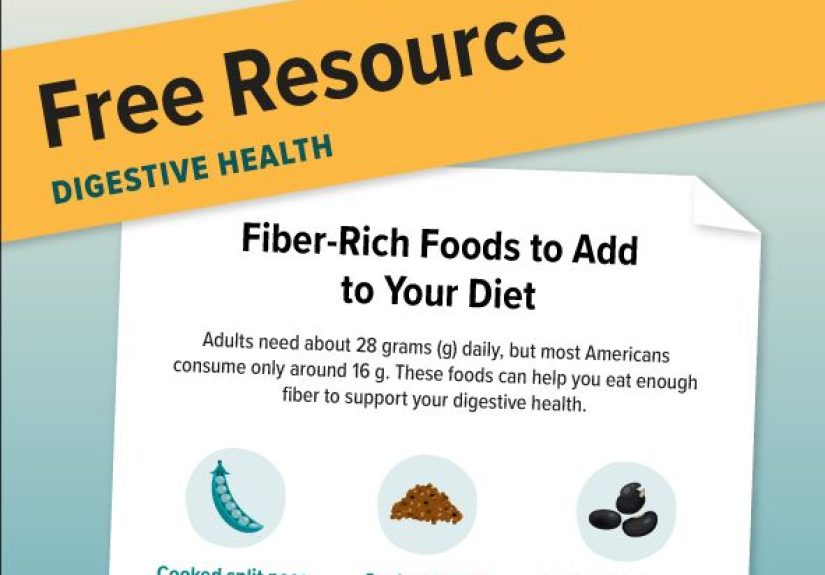
Here’s your downloadable fiber-rich foods guide. To save it: copy this section into a document, or use your browser’s Print function and choose Save as PDF.
One-Page Fiber Cheat Sheet
| Category | Top Picks | Fast Add-Ons | Easy Swaps |
|---|---|---|---|
| Legumes | Lentils, black beans, chickpeas, split peas | Add ½ cup to salads, soups, bowls | Swap part of ground meat for lentils/beans in tacos or chili |
| Whole Grains | Oats, barley, quinoa, brown rice, whole wheat pasta | Stir oats into smoothies; add barley to soups | Swap white bread/rice/pasta for whole-grain versions |
| Fruits | Berries, apples, pears, oranges, avocado | Top yogurt/oatmeal with berries | Swap juice for whole fruit most days |
| Vegetables | Broccoli, carrots, green beans, leafy greens, cauliflower | Double the veggies in stir-fries and pasta sauces | Swap chips for crunchy veggies + hummus |
| Nuts & Seeds | Chia, flax (ground), almonds, walnuts, pumpkin seeds | Sprinkle on oatmeal, salads, soups | Swap a sugary snack for nuts + fruit |
5-Minute Fiber Boost Checklist
- ☐ Add berries to breakfast
- ☐ Choose one whole grain today
- ☐ Include beans or lentils once
- ☐ Eat one whole fruit (not juice)
- ☐ Add a handful of veggies at lunch or dinner
- ☐ Include nuts or seeds as a topping
- ☐ Drink water throughout the day
FAQ: Fiber Questions People Whisper Like Secrets
Can I just take a fiber supplement?
Supplements can be useful in some situations, but whole foods bring fiber plus vitamins, minerals, and other beneficial compounds. If you use supplements, go slow and follow label instructionsyour gut appreciates a respectful introduction.
Why does fiber sometimes cause gas?
Some fibers are fermented by gut bacteria, which can produce gasespecially if your intake increases suddenly. Increase fiber gradually and stay hydrated to reduce discomfort.
Does fiber help constipation?
For many people, a fiber-rich eating pattern with enough fluids supports regularity. If you have a medical condition (or persistent symptoms), talk with a qualified healthcare professional for personalized guidance.
Real-Life Fiber Experiences (The 500-Word “Been There” Add-On)
Let’s talk about what happens in real life when you decide to eat more fiberbecause the internet often makes it sound like you’ll sprinkle chia seeds on your yogurt and immediately become a glowing wellness deity with perfect digestion and a spreadsheet of life goals. In reality, most people experience a more… human storyline.
Week one usually begins with enthusiasm and a grocery basket full of good intentions: oats, berries, lentils, a bag of kale you swear you’ll use, and a heroic quantity of beans. Then comes the classic plot twist: you add everything at once. Overnight oats for breakfast, lentil soup for lunch, bean chili for dinner, popcorn for snackcongratulations, you’ve built a fiber theme park in your colon. This is the moment people often decide fiber is a scam. It’s not. You just introduced your gut bacteria to an all-you-can-eat buffet without warning.
The smoother approach looks less exciting but works better: one new fiber habit at a time. People who succeed tend to pick a single “anchor move” that fits their routine. Example: berries every morning. Or switching to whole wheat pasta on pasta night. Or adding a half-cup of beans to a salad three days a week. These small changes don’t feel like a dietary personality transplant, and they’re easier to repeatrepeatability is where results live.
Another real-life pattern: fiber is much easier when your environment cooperates. At home, it’s straightforward to keep apples, pears, hummus, oats, and canned beans around. At work, it helps to have a “desk backup” plan: nuts, high-fiber crackers, a piece of fruit, or even microwaveable oatmeal. When people rely on vending machines and pastry trays, fiber loses by default. When people keep one reliable fiber snack nearby, fiber wins more often than you’d expect.
Travel adds a fun layer of chaos. Airport food is not famous for its legumes. The fix isn’t perfectionit’s strategy: choose oatmeal or a whole fruit when you can, add a side salad if it’s available, and keep nuts or trail mix handy. If you can hit “good enough” while traveling, you’ll bounce back faster at home. The goal is a pattern, not a spotless record.
Finally, the most underrated experience: once people consistently eat more fiber-rich foods, cravings often change. Not in a magical waymore in a “my body is finally getting enough volume and nutrients” way. Meals feel more satisfying, and the urge to snack on random ultra-processed stuff can soften. That doesn’t mean you’ll never want cookies again (you’re still alive, after all). It just means cookies stop being your only plan.
If you take one lesson from the real-world version of fiber: go slowly, stay hydrated, and build habits you’ll repeat. Your gut can handle a lot, but it prefers a friendly introduction.