Table of Contents >> Show >> Hide
- Why These “First Photos” Hit Like a Star Power-Up
- Where Is Super Nintendo World Japan, Exactly?
- The Photos Everyone Zoomed In On (Yes, We Saw You Pinch-to-Zoom)
- The Headliner: Mario Kart (Koopa’s Challenge / Bowser’s Challenge)
- Yoshi’s Adventure: The “Aww” Ride That Sneaks Up on You
- The Secret Sauce: Power-Up Bands and Real-Life “Gameplay”
- Okay, But How Do You Actually Get In? (The Practical Stuff People Wish They Knew)
- Why Nintendo + Universal Works (And Why the Photos Were the Perfect Marketing Weapon)
- The Excitement Didn’t Stop at “First Photos”
- Final Lap: What the Photos Really Promised
- Extra : What It Feels Like to Experience Super Nintendo World (A Mini “Day-in-the-Land” Story)
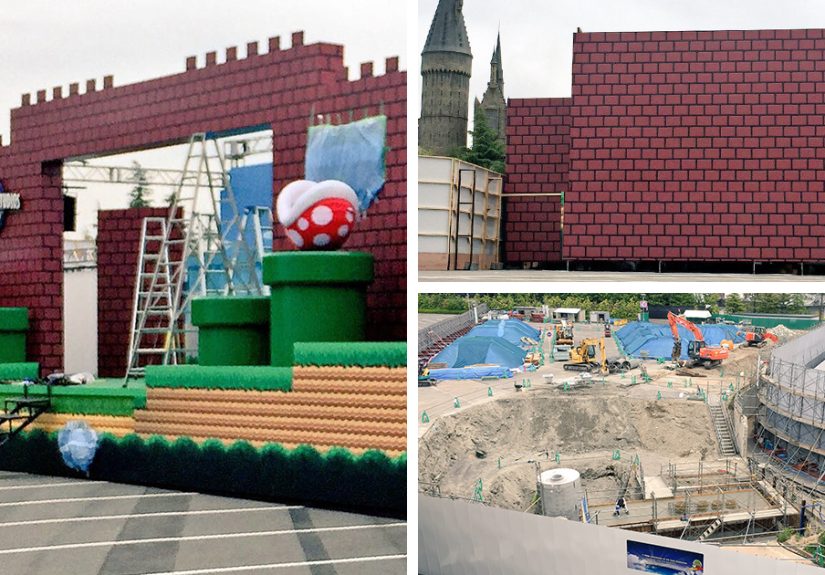
The internet has a lot of hobbiesarguing about pineapple on pizza, ranking “best” Zelda dungeons like it’s a constitutional right, and collectively losing its mind whenever a theme park dares to build something that looks like a childhood memory with a mortgage. So when the first official photo drops and sneak-peek images of Super Nintendo World Japan started circulating, the reaction was predictable in the best way: pure, joyful chaos.
And honestly? Fair. Because these photos weren’t just “a new land at Universal Studios Japan.” They were proof that someone finally turned the Mushroom Kingdom into a place you can physically walk intothrough a warp pipe, no lesswithout having to defeat a single Koopa (unless you count the one in your group chat who never picks up the tab).
Why These “First Photos” Hit Like a Star Power-Up
Theme park concept art is usually polite. It’s glossy. It’s aspirational. It’s the architectural version of saying, “We totally go to the gym.” But the first real photos and detailed previews of Super Nintendo World in Osaka felt different. They showed actual Bowser’s Castle looming over a layered landscape. They revealed ride vehicles. They hinted at interactivity that goes way beyond “press this button, win a sticker.”
A big part of the frenzy is timing and nostalgia. Nintendo fans don’t just “like Mario.” Many of us learned hand-eye coordination by launching ourselves into pits and blaming the controller. Seeing the world rendered in real spacequestion blocks, spinning coins, bright colors that look like they were dialed to “maximum joy” triggers that happy, slightly feral “I NEED TO BE THERE” impulse.
And Universal knows exactly what it’s doing. Super Nintendo World follows the modern theme park playbook: build a land so immersive it feels like a portal, then make it interactive enough that guests want to come back and “100%” it like a game. That strategy is visible in the photos, and even more obvious in the details.
Where Is Super Nintendo World Japan, Exactly?
Super Nintendo World Japan lives inside Universal Studios Japan (USJ) in Osaka. It’s not a separate theme parkit’s a fully themed land within the larger USJ park, built to feel distinct and self-contained. The whole idea is: you’re at USJ, then you step through a warp pipe and suddenly you’re in Nintendo’s reality.
Early previews and reviews noted how the entrance path and “reveal moment” are engineered like a magic trick: you don’t fully see the world until you’re meant to, then bammulti-level Mario landscape in your face, and your brain goes “oh no, my credit card is about to become a supporting character.”
The Photos Everyone Zoomed In On (Yes, We Saw You Pinch-to-Zoom)
1) The Warp Pipe Entrance and That “I’m Actually Here” Moment
Long before the land opened, concept videos teased a warp pipe entry that would funnel guests into a central hub, with major landmarks visible aheadlike Bowser’s Castleexactly the way Mario games tease danger from a distance. When real-world photos started matching that promise, fans basically did a synchronized “Wahoo!” from across the planet.
2) Bowser’s Castle: The Ultimate Photo Magnet
The first official photo sets made it clear: Bowser’s Castle isn’t just a backdropit’s the dramatic anchor of the land. Stone walls. Iron gates. A looming villain vibe that says, “Welcome! Please keep your arms inside the ride vehicle while we steal your childhood.” It’s also the gateway to the land’s headline attraction, which is where the excitement went from “high” to “launch me into Rainbow Road.”
3) The Mushroom Kingdom Details: Coins, Blocks, and Moving Chaos
Previews highlighted what makes this land feel alive: spinning coins, moving elements, and a layered environment that resembles classic Mario level design. Even the aesthetic leans into that blocky, game-like geometry rather than smoothing everything into generic fantasy. It’s a bold choiceand it’s exactly why the photos looked so instantly “Nintendo.”
The Headliner: Mario Kart (Koopa’s Challenge / Bowser’s Challenge)
If you saw the ride vehicle photos and immediately texted someone “WE’RE GOING,” you’re not alone. Mario Kart: Koopa’s Challenge (also known as Mario Kart: Bowser’s Challenge in other parks) is the marquee attraction in Japan’s Super Nintendo Worldbuilt around the idea of turning spectators into players.
How It Works (Without Spoiling the Fun)
The ride blends a physical set with high-tech layersaugmented reality, projection mapping, and screen-based effects to recreate iconic Mario Kart environments in motion. Guests wear themed headsets/goggles and ride in four-person vehicles, with the experience designed to feel like you’re racing through the Mario Kart universe, not just watching it.
Why the Photos Made Everyone Freak Out
- Ride vehicles were shown earlywhich is theme-park-speak for “this is real, and it’s coming for your wallet.”
- A big Bowser presence inside the attraction became a talking point instantlybecause of course there’s a Bowser statue. Universal didn’t build all that drama just to give you a polite villain.
- It’s positioned as a world-first Mario Kart ride experience, which is basically the theme park equivalent of releasing a new console: people will line up, and some will cry (tears of joy, mostly).
The ride is roughly five minutes long and built for replay valuebecause you’ll want to ride again to improve your “score,” catch details you missed, or simply to convince your friend who kept shouting “BLUE SHELL!” at the wrong moment that you can, in fact, do better without them.
Yoshi’s Adventure: The “Aww” Ride That Sneaks Up on You
Not everyone wants sensory overload 24/7. Sometimes you want a gentler ride that still feels like a Nintendo game. That’s where Yoshi’s Adventure comes in: a family-friendly attraction where guests climb aboard Yoshi and follow Captain Toad on a treasure hunt-style journey.
Preview descriptions leaned into the idea of searching for colored eggs to reach a “goal” eggvery on-brand for Nintendo, which loves turning even a calm ride into a quest. And because the ride is partly about views and atmosphere, it’s also a sneaky-good way to soak in the land’s design without sprinting from challenge to challenge.
The Secret Sauce: Power-Up Bands and Real-Life “Gameplay”
Here’s where Super Nintendo World stops being a pretty set and starts acting like a playable environment: Power-Up Bands. These wearable bands connect to the park’s app and let guests interact with elements throughout the land punching question blocks, collecting virtual coins, earning stamps, and tracking progress.
Why This Matters for the Hype
The first photos weren’t just “look at the castle.” They were “look at the system.” Fans realized this land is designed like a Nintendo game: collectibles, challenges, leaderboards, and hidden surprises. In other words, the land doesn’t end when you leave the ride queue. The land is the game.
Key Challenges and the Bowser Jr. Factor
Some experiences revolve around collecting keys and unlocking a bigger boss-style moment, including a Bowser Jr.-themed payoff. That’s a genius move: it gives guests a reason to explore, repeat activities, and come back later with a new strategy the same way you revisit levels to grab the last coin you missed.
And yes, the bands cost extra. But they’re also doing what Nintendo does best: turning “optional” into “emotionally inevitable.” You might tell yourself you’re fine without one. Then you see someone hit a block and hear that coin sound. Suddenly, your willpower evaporates.
Okay, But How Do You Actually Get In? (The Practical Stuff People Wish They Knew)
The popularity of Super Nintendo World in Japan has often meant timed entry, limited capacity, and a need to plan ahead. Reports from opening-era coverage described using the USJ app to secure a timed entry slot, with the option to guarantee entry through certain express-style ticket bundles (at a higher total cost).
Translation: you can’t always just wander in whenever you feel like it, especially during peak periods. The photos may have sparked the hype, but the logistics are what separate “I saw it on Instagram” from “I’m standing in front of Bowser’s Castle.”
- Arrive early if you want better odds at entry and shorter waits.
- Use the official app for entry timing and planning.
- Consider express options if your schedule is tight and you want more certainty.
It’s not glamorous advice, but it’s the difference between “I visited Super Nintendo World” and “I ate a pretzel outside the warp pipe while whispering ‘maybe next time.’”
Why Nintendo + Universal Works (And Why the Photos Were the Perfect Marketing Weapon)
Nintendo’s superpower has always been tactile joygames that feel good to play, characters that feel like friends, worlds that feel like places you’ve been even if you’ve never left your couch. Universal’s superpower is building physical spaces that deliver “movie magic” at scale. Combine them, and you get a land that’s not just themedit’s designed to be interacted with.
The photos proved the collaboration wasn’t just branding slapped on buildings. They showed a fully realized environment, filled with moving details, game mechanics, and a signature “reveal” moment. In other words: it looked expensive (because it was), it looked faithful (because Nintendo is famously protective), and it looked fun (because… come on, it’s Mario).
Even better, Super Nintendo World wasn’t built as a one-off novelty. The broader strategy clearly points to expansionnew lands, new regions, and new IP layers. Japan’s area helped set the template for later versions, and ongoing updates keep the world feeling alive.
The Excitement Didn’t Stop at “First Photos”
One reason those early images aged so well is that Super Nintendo World kept evolving. The land’s footprint and features have continued to grow, including major additions that broaden the Nintendo universe beyond Mario. That matters because it turns the hype cycle into something sustainable: new reveals, new reasons to return, new “did you see this?!” moments online.
A standout example: the Donkey Kong-themed expansion in Japan, which was positioned as a major growth step for the land. More space, new visuals, and new attraction energyexactly the kind of update that makes fans start dreaming up “okay, but what if they add Zelda next?” threads at 2 a.m.
Final Lap: What the Photos Really Promised
The first photos from Super Nintendo World Japan weren’t just theme park promo. They were a promise that Nintendo’s worlds could exist outside the screen without losing what makes them special: playful interaction, dense detail, and that instant sense of wonder that makes adults act like kids in the best possible way.
If you’re a Nintendo fan, the excitement is understandablebecause the land doesn’t just reference the games. It invites you to play them with your whole body, in a space built to reward curiosity. And if you’re not a Nintendo fan… well, give it five minutes inside the warp pipe. You’ll be humming the theme music by the time you find the exit.
Extra : What It Feels Like to Experience Super Nintendo World (A Mini “Day-in-the-Land” Story)
Picture this: you’re walking through Universal Studios Japan, and everything feels normaltheme park normal, at least. You hear distant ride screams, smell something sweet and suspiciously overpriced, and wonder if your feet will file a formal complaint by noon. Then you spot it: a green warp pipe entrance like it got ripped straight out of a Mario level and planted into the real world. You step closer and suddenly your group’s energy shifts from “we’re sightseeing” to “we’re about to enter a sacred place.”
You walk through the pipe andno exaggerationyour brain needs a second to catch up. The space opens up into a stacked, colorful landscape that feels like you’re standing inside a video game map. Coins spin. Blocks beckon. Everything looks like it was built by someone who asked, “What if dopamine was architecture?” You can’t see the rest of the park the way you normally can at USJ. It’s like the outside world got muted. All that exists now is the Mushroom Kingdom and your rapidly disappearing self-control.
The first decision hits fast: do you buy a Power-Up Band? You tell yourself you’re here for vibes, not competition. Then you watch someone tap their band on a question block and hear that unmistakable coin sound. Your inner child kicks down the door like a SWAT team. Five minutes later you’re wearing a chunky wristband and acting like a professional athlete preparing for the Olympics of Bonking Blocks.
Now the land becomes a scavenger hunt. You’re punching blocks, collecting coins, and spotting interactive games tucked into corners. The environment rewards curiosity: there’s always something moving, something blinking, something daring you to try it. At some point, you realize you’re smiling so much your cheeks hurtand you haven’t even ridden the headliner yet.
Then you head toward Bowser’s Castle. The photos didn’t fully capture the vibe. Up close, it’s dramatic in the best way heavy stone textures, imposing details, and the subtle feeling that Bowser pays for a premium villain subscription. Inside, the anticipation builds like you’re about to queue for a final boss fight. When it’s time for Mario Kart, you put on the goggles and suddenly you’re not just a guestyou’re a player. You’re aiming, reacting, trying to collect points, and laughing when your friend insists they “definitely hit” that shell. (They did not. But we support their dreams.)
After the ride, you stumble back into the land like you just got off Rainbow Road in real lifeslightly dazed, very happy, and already thinking about a second run. You grab a snack, and the food is themed enough to be adorable without turning into a museum exhibit. You take photos in front of Peach’s Castle, because it’s basically required by theme park law. You tell yourself you’ll leave soon. You do not leave soon. You keep wandering, because the land is built to feel like a level you can’t fully clear in one visit. And that’s the magic: Super Nintendo World doesn’t just give you one big moment. It gives you a hundred small onesand you want to collect every single one.