Table of Contents >> Show >> Hide
- What Is Futagami, and Why Does Everyone Whisper About It Like a Secret?
- What Makes Futagami Brass Towel Bars Different?
- Sizes, Dimensions, and What They Actually Mean in Real Life
- Where Futagami Brass Towel Bars Look Best (and Work Hardest)
- How to Choose the Right Size
- Installation Tips (So It Looks Like Design, Not a DIY Cry for Help)
- Brass Patina 101: How It Changes, and How to Care for It
- Design Pairings: How to Style Futagami Brass Towel Bars Without Overthinking It
- Is It Worth the Price?
- FAQ: Quick Answers for Real-World Decisions
- Conclusion: Small Hardware, Big Mood Upgrade
- Real-World Experiences With Futagami Brass Towel Bars (What to Expect Over Time)
If you’ve ever stayed in a hotel with a towel bar that wobbles like a baby giraffe, you already know the truth: “bathroom hardware” is not a boring category. It’s a daily-use category. And daily-use things should feel good, look good, and not betray you when the towel is wet and you’re late.
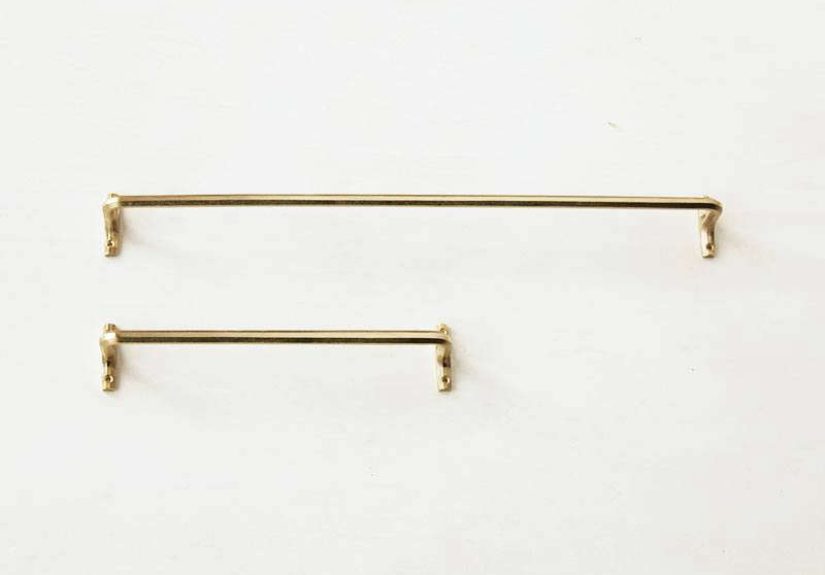
Enter Futagami brass towel barsminimalist, weighty, quietly luxurious pieces of Japanese hardware that make a towel (or tea towel, or blanket, or “I swear I’ll fold this later” robe) look like it belongs in a design magazine. The vibe is simple: a bar, two mounts, zero drama. The reality: a small upgrade that can make an entire bathroom feel more intentional.
What Is Futagami, and Why Does Everyone Whisper About It Like a Secret?
Futagami is a long-running Japanese brass foundry known for working in brass for well over a century. The brand’s modern home goodsoften created in collaboration with designer Oji Masanoritake old-school metalworking and apply it to everyday objects: hooks, towel hangers, paper towel holders, and more. The point isn’t to make “fancy” things. The point is to make ordinary things feel quietly excellent.
When people fall for Futagami towel bars, they usually fall for the same three qualities: solid brass, clean geometry, and a finish that ages on purpose. These aren’t “shiny forever” bars. They’re the kind that develop character over timelike cast iron, leather boots, or that one wooden spoon you refuse to replace because it “just stirs better.”
What Makes Futagami Brass Towel Bars Different?
1) Solid brass (not plated) with satisfying heft
The biggest difference you’ll notice the moment you pick one up is the weight. Futagami towel bars are made from solid brass, which gives them a sturdy, reassuring feel. That weight isn’t just “luxury theater”it’s a clue that the hardware can hold up under daily use when installed correctly.
2) A cast surface finish that doesn’t try too hard
Many Futagami pieces use a textured cast surface finish often described as “Ihada.” Translation: it’s not glossy-smooth like a mirror-polished faucet. Instead, it has a subtle, slightly gritty, sand-cast look that feels warm and organicespecially in bathrooms with tile, stone, plaster, or wood.
3) Patina is the plan, not a problem
Here’s where Futagami brass towel bars get emotionally divisive in the best way. Over time, brass naturally oxidizes. That means the color deepens, warms, and changes. If you want everything to look brand-new forever, you may find yourself polishing and muttering under your breath. If you like a lived-in, mellow, “this house has a soul” look, you’ll probably love watching the finish evolve.
Sizes, Dimensions, and What They Actually Mean in Real Life
Futagami towel bars are commonly available in two sizesa smaller one and a larger oneboth designed to stay compact and visually clean. The small size is ideal for hand towels and tight spaces; the large size handles bigger towels or two smaller towels without looking bulky.
- Small: roughly 7.75 inches (about 19.4 cm) wide
- Large: roughly 14 inches (about 35.5 cm) wide
- Projection/height: about 1.5 inches (about 3.7–3.8 cm), depending on listing conventions
Most listings include matching brass screws in the box, which is greatunless your wall situation is not “simple wood backing,” in which case we’ll talk installation in a minute (because tile and drywall are where good intentions go to die).
Where Futagami Brass Towel Bars Look Best (and Work Hardest)
Bathrooms and powder rooms
The obvious home: next to a sink for a hand towel, or near the shower for a bath towel. The compact profile keeps the room feeling airy, while the brass brings warmthespecially if your bathroom palette is heavy on whites, grays, and cool stone.
Kitchens (yes, kitchens)
Futagami bars are also popular as tea towel rails near a sink, or as a small hanging rail under a shelf. The brass reads like jewelry for your cabinetryeven if the “jewelry” is holding a towel that just cleaned up a pasta disaster.
Closets, mudrooms, and “drop zones”
If you’re using a small bar as a hanging point for lightweight items (scarves, small bags, keys with a hook, dog leashes), Futagami’s minimal shape keeps visual clutter down. It’s especially nice in entryways where you want function without the “hardware aisle” look.
How to Choose the Right Size
A simple rule: choose based on the towel you use most and the space you actually have.
Choose the Small if:
- You want a hand towel rail next to a vanity.
- You’re working in a narrow powder room or tight nook.
- You like a compact, minimal look with no overhang.
Choose the Large if:
- You want a bath towel to hang flatter (less bunching).
- You want room for two hand towels side-by-side.
- You’re placing it on a larger wall where the small would look a bit lost.
Pro tip: In small bathrooms, the large bar often looks “just right” because the design is visually light even when the width is larger. In bigger bathrooms, the small bar can feel intentionally restrainedlike a whisper instead of a shout.
Installation Tips (So It Looks Like Design, Not a DIY Cry for Help)
Futagami towel bars are typically intended to be screwed into solid backingespecially wood. If you’re mounting into tile, plaster, or drywall, the best approach is to plan for anchors or blocking and use appropriate screw length and hardware for your wall.
Best-case installation: into studs or wood blocking
- Find a stud (or confirm you have blocking behind tile).
- Use a level (seriouslybrass makes crooked lines look even more crooked).
- Pre-drill pilot holes to avoid splitting wood and to keep screws straight.
- Tighten until snug, not until the universe collapses.
Tile/drywall installation: still doable, just be intentional
- Use anchors rated for the load if you can’t hit a stud.
- If drilling tile, use the correct bit and go slowlyrushing tile is how you invent new curse words.
- Consider swapping the included screws for longer ones if needed (common when mounting through tile + backer board).
If you’re doing a remodel, the dream move is adding wood blocking exactly where you want hardware. It’s the kind of “future you” favor that pays dividends every single day.
Brass Patina 101: How It Changes, and How to Care for It
Brass is alive in the sense that it responds to your environmenthumidity, oils from hands, cleaning products, even how often you touch it. That’s why two Futagami towel bars in two different homes can age differently.
If you want to keep the aged, evolving look
- Dust regularly with a soft cloth.
- Clean gently with mild soap and water when needed.
- Dry after cleaning to reduce water spots and uneven marks.
- Avoid aggressive acids and abrasives unless you want to strip patina.
If you want it brighter and more uniform
You can polish brass back toward a brighter finish with an appropriate brass polish, but understand what you’re trading: you’ll reduce the “time-worn” look in favor of “freshly shined.” Neither is wrongjust pick the finish personality you want living in your bathroom.
One more reality check: bathrooms are humid. If you leave wet towels bunched for long stretches, you may see deeper darkening or spots develop faster. The hardware isn’t failing; it’s doing brass things. If you want slower patina, keep towels drier and wipe down the bar occasionally.
Design Pairings: How to Style Futagami Brass Towel Bars Without Overthinking It
Warm minimalism
Pair brass with creamy whites, natural oak, linen textures, and matte ceramics. Futagami’s cast finish looks especially at home next to handmade tile or plaster walls where perfection isn’t the goal.
Modern contrast
Brass against black tile, charcoal paint, or dark stone creates instant contrast. The bar reads as a warm line in a cool spacesimple and architectural.
Mixed metals (yes, you can)
If your bathroom already has chrome or black fixtures, you can still add a brass towel bar. The trick is repeating brass somewhere else: a small hook, a mirror frame, or even a brass-accent tray. Think “intentional mix,” not “I bought this during three separate mood swings.”
Is It Worth the Price?
Futagami brass towel bars usually cost more than big-box towel bars, and you’ll feel that immediately. But what you’re paying for is material integrity and design restraint. This is the kind of piece that can outlast trends because it never relied on a trend in the first place.
If you’re building a “forever bathroom” (or at least a “five-years-without-regret bathroom”), a towel bar is a high-touch item that earns the upgrade. You use it constantly. You see it constantly. It’s one of the rare home purchases where the cost-per-use can become laughably low.
FAQ: Quick Answers for Real-World Decisions
Will it rust?
Brass doesn’t rust the way iron does. It can tarnish and oxidize, which changes the color. That’s normal, expected, and often the point.
Can I use it as a handle?
Some retailers describe the smaller bar as usable as a handle. Practically speaking, if it’s mounted into solid backing, it’s sturdybut don’t confuse “sturdy towel bar” with “ADA-grade grab bar.” If you need a safety grab bar, buy a dedicated grab bar and install it properly.
What if I hate patina?
Then you have two options: polish regularly for a brighter look, or choose a different finish/material designed to stay consistent. Brass is honestit will show life. If you want “no change ever,” brass may not be your soulmate.
Do fingerprints show?
They can, especially early on when the brass is newer and brighter. The good news: as the finish ages, small marks tend to blend into a more uniform, warm tone.
Conclusion: Small Hardware, Big Mood Upgrade
Futagami brass towel bars are proof that “simple” doesn’t mean “basic.” They’re minimal without feeling cold, sturdy without looking heavy, and designed to age in a way that makes your home feel more personal over time.
If you love the idea of a bathroom that feels calm, intentional, and a tiny bit like a boutique hotel where someone refills the fancy soap, Futagami towel bars are an easy win. Just mount them properly, decide whether you’re Team Patina or Team Polish, and let the brass do what brass does: get better with use.
Real-World Experiences With Futagami Brass Towel Bars (What to Expect Over Time)
Let’s talk about the part that doesn’t show up in product photos: the day-by-day experience of living with a Futagami brass towel bar. Not the fantasy version where every towel is neatly folded and nobody in your house has ever heard of “dripping.” The real version.
Week 1: “Wow, that looks expensive.”
Right out of the box, a Futagami bar tends to look clean, warm, and subtly texturedmore “golden honey” than “bling.” The cast surface finish helps here; it doesn’t scream for attention. It just looks like it belongs. Guests may not name it, but you’ll get the vibe compliment: “Your bathroom feels really put together.” (Translation: “I don’t know what you did, but it worked.”)
Weeks 2–4: The fingerprints appear… and then you stop caring
In a busy household, the first noticeable change is usually faint fingerprints or darker touch pointsespecially if the bar is near a sink. The funny part is how quickly your brain adapts. At first you’ll notice every mark like it’s a personal insult. Then it becomes background texture. The bar starts to feel less like a showroom object and more like an actual part of your home.
If you’re in a humid climate or you hang very wet towels, you may also notice water marks. They’re not permanent “damage”they’re just brass reacting to moisture. A quick wipe-down after cleaning the bathroom (or after a particularly splash-happy day) keeps things from looking blotchy.
Month 2–6: The finish settles into its personality
Over the next few months, many people find the brass becomes richer and more even-tonedespecially if you let it age naturally and avoid aggressive polishing. The “new” look softens. The bar feels warmer visually, and the slight texture starts to read like a design decision instead of a manufacturing detail. This is typically the sweet spot: it looks elevated, but not precious.
Functionally, this is also when you notice the little daily joys: towels hang flatter on a bar than on a single hook, which helps them dry faster and smell less like “yesterday’s shower.” In powder rooms, the small size can make hand towels look tidy instead of slumped. In kitchens, a tea towel rail near the sink is the difference between “adulting” and “why is the towel always on the counter?”
Year 1 and beyond: Heirloom energy
After a year, the brass often reads more “antique” than “new,” but in a modern, intentional way. It can deepen in tone and pick up subtle variation, especially around the areas that get touched most. If you like a lived-in look, this is when Futagami really shinesbecause it doesn’t just sit there looking pretty. It reflects your routines.
Some owners lean into this and do basically nothing beyond gentle cleaning. Others develop a “two-times-a-year polish ritual” the way some people change air filters or pretend they enjoy cleaning grout. Either approach works. The key is consistency: polishing sometimes, then stopping, can create unevenness you didn’t intend. If you want shiny, commit to it. If you want patina, let the brass live.
The honest trade-offs
- You will notice change. That’s the point, but it can surprise people who expect a fixed finish.
- Installation matters. On a solid mount, it feels rock-solid. On weak anchors, even the nicest hardware can wiggle.
- It rewards good habits. Wringing out towels and hanging them flatter keeps the bar (and the towel) happier.
- It looks better than it has to. Which is both the blessing and the curseyou may start side-eyeing the rest of your hardware.
The biggest “experience” takeaway: Futagami brass towel bars don’t just hold towelsthey quietly set the tone of the room. They’re the kind of object you stop thinking about because it simply works… until you visit a bathroom with a rattly bar and realize you’ve been spoiled. Which is, frankly, the best kind of spoiled.