Table of Contents >> Show >> Hide
- What’s Actually Happening To These So-Called “Frankenstein Rabbits”?
- Is This Rabbit Virus Dangerous To Humans Or Pets?
- How Did This Rare Virus Spark Such A Frenzy Online?
- What Experts Urgently Want The Public To Know
- From Jackalope Myths To Modern Cancer Research
- How Worried Should We Be About These Rabbits Spreading Across The US?
- Everyday Experiences Around “Frankenstein” Rabbits: What It’s Like When Viral Wildlife Shows Up In Real Life
If you scrolled past a rabbit that looked like it escaped from a horror movie – face covered in black “horns” or tentacles – and immediately wondered, “Is this real life?” the answer is: yes, and science actually has a very calm explanation. While social media has dubbed them “Frankenstein rabbits” or “Frankenbunnies,” wildlife experts say the truth is less apocalypse and more biology class.
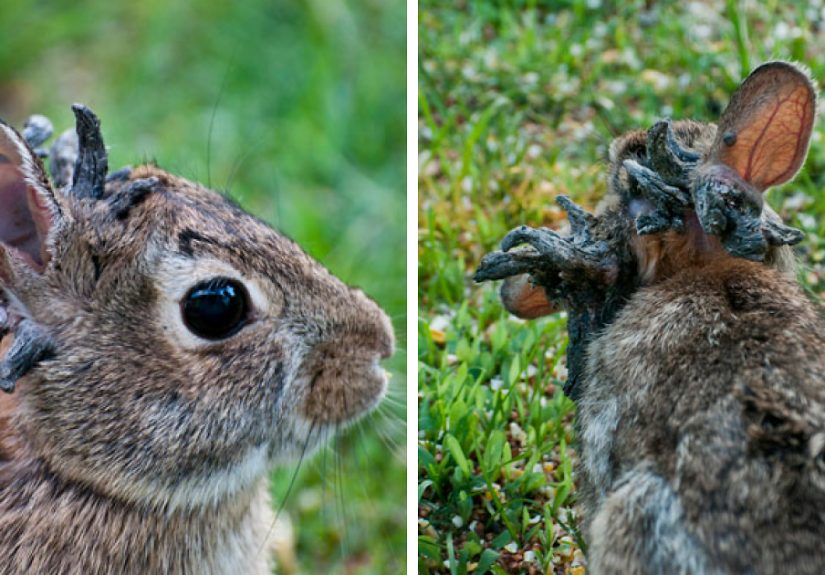
Across parts of the United States, especially Colorado and neighboring states, people have been spotting wild cottontail rabbits with eerie, antler-like growths sprouting from their faces and heads. Photos have gone viral, headlines have screamed about a rare rabbit virus in the US, and officials have had to step in with urgent warnings – not because humans are in danger, but because panicked reactions can make things worse for the rabbits and for local ecosystems.
What’s Actually Happening To These So-Called “Frankenstein Rabbits”?
Despite the dramatic nickname, these rabbits aren’t undead, mutated, or possessed by the spirit of a Halloween special. The strange growths are caused by a virus called Shope papillomavirus (also known as cottontail rabbit papillomavirus). First identified in the 1930s by virologist Richard E. Shope, this virus infects certain rabbit and hare species and causes dark, wart-like tumors, often around the head, mouth, ears, and eyes. Over time, these growths can harden into keratinized “horns” that look like something an over-caffeinated creature designer might dream up.
Wildlife officials in Colorado, Wisconsin, and other states have confirmed that the rabbits people are posting on social media are classic examples of Shope papillomavirus infections. The virus is not new, and in fact it has been studied for nearly a century. It’s even thought to have helped inspire the North American folklore of the jackalope – the mythical rabbit with antlers that appears on postcards, bar signs, and novelty T-shirts across the West.
Still, seeing those growths up close for the first time can be deeply unsettling. A normal-looking bunny with big glassy eyes plus a face full of dark, branching spikes is a strong “nope” moment for the average passerby. That emotional reaction is what’s feeding the viral frenzy – but it can also overshadow the science and the real welfare of the animals.
Is This Rabbit Virus Dangerous To Humans Or Pets?
Let’s address the question everyone asks first: Can people catch this? All the available expert guidance says no. Shope papillomavirus is highly species-specific. It affects rabbits and some related species but does not infect humans, dogs, cats, or other common household pets. You are not going to wake up one day with keratin horns because you once saw a weird rabbit on your morning jog.
Wildlife agencies and veterinary researchers explain that the virus is mainly spread between rabbits via biting insects such as ticks, fleas, and mosquitoes, and possibly through direct contact between animals. Warmer months – when insects are booming – tend to bring more cases and, lately, more photos and videos online. So while the timing may make it feel like an outbreak, this is often simply nature doing what it has been doing for decades, now happening in the age of Instagram and X.
For rabbits themselves, however, the virus is no joke. The growths can become large, heavy, and sometimes cancerous. If they grow over the rabbit’s mouth, they may interfere with eating and drinking. If they cover the eyes, they can block vision and make the rabbit more vulnerable to predators, cars, or other hazards. In severe cases, the animal can starve or become too weakened to survive.
Domestic rabbits are at particular risk if they come into contact with infected wild rabbits or face exposure to infected insects. While there’s no widely available vaccine for Shope papillomavirus like there is for some other rabbit diseases, veterinarians can sometimes remove tumors or provide supportive care for pet rabbits who develop growths.
How Did This Rare Virus Spark Such A Frenzy Online?
On paper, the story is straightforward: a relatively uncommon but well-documented wildlife disease is showing up in a cluster of rabbits in certain US regions, mostly in the West and Midwest. In reality, it’s 2025, and we live on the internet.
It only takes one striking photo – a rabbit with a face full of black tentacles, caught in perfect lighting – and a caption like “demon rabbit spotted in Colorado” to light the fuse. Viral posts quickly use words like “mutant,” “Frankenstein,” or “zombie,” and suddenly people are tagging health agencies, sharing conspiracy theories, or insisting this must be a lab accident.
Wildlife agencies in Colorado and other states report that they’ve received a wave of calls, emails, and messages from concerned residents asking whether it’s safe to let kids play outside, whether their dogs could catch the “horn virus,” and whether these rabbits are proof of something more sinister. It has forced agencies to issue official statements, “do not touch” warnings, and FAQs explaining that:
- The virus is not harmful to humans or other species.
- The condition has been documented for nearly 100 years.
- The growths often resolve on their own if the rabbit’s immune system clears the virus.
- Interfering with wild rabbits can cause more harm than good.
From an SEO and media perspective, the story checks all the boxes: animals, bizarre visuals, a dramatic nickname, and just enough scientific mystery to keep readers scrolling. But it also highlights a pattern: our brains are wired to pay attention to things that look unnatural or scary, even when the actual risk is low.
What Experts Urgently Want The Public To Know
1. Don’t Touch, Chase, Or “Rescue” The Rabbits
When officials issue urgent warnings about these “Frankenstein rabbits,” they’re usually not saying, “Run for your lives.” They’re saying, “Please don’t pick them up.” Handling wild rabbits can stress them out, risk injuries, and in some cases spread other rabbit diseases or parasites. Even if this particular virus doesn’t jump to humans, wild animals can carry fleas, ticks, and bacteria that definitely can make people or pets sick.
Experts recommend observing from a distance, keeping dogs on a leash, and keeping curious kids from trying to “help” the rabbit by chasing it or attempting to grab it. If you’re worried about a severely affected animal – for example, one that appears unable to see or eat – wildlife rehab centers or local animal control may be able to offer guidance.
2. Don’t Feed Or Relocate Wild Rabbits
Well-meaning animal lovers sometimes try to feed infected rabbits or even capture them to bring to a vet. The problem is that this can disrupt natural behavior, introduce disease into new areas, or expose pet rabbits and other animals to infected individuals. Wildlife professionals emphasize that wild rabbits are exactly that – wild. While it can be heartbreaking to see an animal suffering, interference can sometimes make the larger situation worse.
3. Protect Your Pet Rabbits
If you keep domestic rabbits, some basic precautions make sense, especially in areas where Shope papillomavirus or other rabbit diseases like rabbit hemorrhagic disease (RHDV2) have been reported:
- Keep pet rabbits indoors or in secure hutches where they cannot directly mingle with wild rabbits.
- Use insect control where appropriate to reduce flea, tick, and mosquito bites.
- Ask your veterinarian about vaccines that are available, such as those for RHDV2, which is a different and far more deadly rabbit virus.
- Check your rabbits regularly for unusual lumps, warts, or changes in eating and behavior.
While Shope papillomavirus itself doesn’t threaten humans, it serves as a reminder that monitoring animal health is part of good public and environmental health overall.
From Jackalope Myths To Modern Cancer Research
One of the more fascinating angles to this story is how a strange rabbit virus helped change human medicine. When Richard Shope began investigating “horned rabbits” in the early 20th century, he proved that the growths were caused by a virus and that those growths could become malignant tumors. This was groundbreaking at the time and helped cement the connection between certain viruses and cancer.
That line of research eventually contributed to our modern understanding of human papillomaviruses (HPV) and the development of vaccines that now prevent many HPV-related cancers. In a strange way, the “Frankenstein rabbits” roaming fields today are distant scientific cousins to the shots that protect teenagers and adults from cervical and other cancers.
On the folklore side, the same unsettling look – cute bunny plus scary horns – likely fed the legend of the jackalope. Early hunters and travelers may have seen infected rabbits and, without a virology lab handy, simply spun stories about magical horned hares. Today, we just add memes, hashtags, and a dash of “this can’t be real” in the comments section.
How Worried Should We Be About These Rabbits Spreading Across The US?
So are “Frankenstein rabbits” truly spreading across the United States, or are we just seeing more of them because people carry high-definition cameras in their pockets? The answer is probably a bit of both. Shope papillomavirus has long circulated among wild rabbits in parts of North America. Warmer temperatures, shifts in insect populations, urban expansion into wildlife habitats, and heightened social media attention can all make the phenomenon feel bigger and more sudden than it really is.
For ecosystems, the virus is more of a chronic background issue than an immediate catastrophe. Individual rabbits can suffer and die, especially when tumors interfere with basic functions, but the virus doesn’t typically wipe out entire populations the way more lethal diseases can. The larger concern, experts say, is that people may respond out of fear – trying to kill infected animals, relocate them, or capture them – instead of trusting wildlife to handle what nature has been throwing at it for generations.
For humans, the appropriate level of concern is pretty low: stay informed, be respectful of wildlife, protect your pets, and maybe think twice before using a photo of an infected rabbit as your new “cursed image” meme template.
Everyday Experiences Around “Frankenstein” Rabbits: What It’s Like When Viral Wildlife Shows Up In Real Life
Seeing photos of “Frankenbunnies” online is one thing. Encountering one at the edge of your neighborhood trail is a very different experience. Here’s what day-to-day life around these rabbits actually looks like, based on reports from residents, wildlife staff, and pet owners in affected areas.
1. The First Sightings: From Cute To Creepy In One Glance
Most stories start innocently. Someone spots a rabbit near a sidewalk, in a park, or in a patch of tall grass along a bike path. At first, it just looks like another cottontail doing cottontail things – nibbling on clover, pausing to watch passing humans, doing the occasional dramatic hop. Then the person notices something off about its face: dark shapes jutting out like twisted antlers or seaweed.
People describe a mix of fascination and instinctive discomfort. Your brain struggles to categorize what you’re seeing. It’s clearly a rabbit, but also clearly… not right. That cognitive dissonance is powerful – it’s the same emotional jolt horror movies and monster designers intentionally rely on. No wonder the photos get shared so quickly.
In many neighborhoods, the first reaction is to pull out a phone, snap several pictures, and immediately text a group chat: “WHAT IS THIS?” Within minutes, someone has uploaded the image to social media, and the comments range from “poor thing” to “this is how the apocalypse starts.”
2. The Human Ripple Effect: Group Chats, Neighborhood Apps, And Local Rumors
Once a “Frankenstein rabbit” appears in a community, there’s often a flurry of local chatter. Parents warn each other on neighborhood apps. Dog owners swap theories at the park. Someone inevitably insists it must be a new mutation or a secret government experiment. Others bring up unrelated diseases, confusing Shope papillomavirus with more serious threats like rabbit hemorrhagic disease or even rabies.
Wildlife agencies report that during these spikes of attention, their phones light up. Staff spend time reassuring people that the virus is not harmful to humans, explaining what it is, and reminding callers not to try to catch or treat the rabbits themselves. For small agencies with limited staff, public education can quickly become a full-time job.
At the same time, these conversations can have some positive side effects. Residents become more aware of local wildlife, more curious about how ecosystems work, and sometimes more attuned to other environmental issues in their area. A scary-looking rabbit can become a gateway to learning about disease ecology, insect vectors, and the role of science in both human and animal health.
3. Life As A Pet Owner In “Frankenbunny” Territory
For people who keep rabbits as pets, living in an area with known cases of Shope papillomavirus – and other rabbit diseases – can change day-to-day routines. Many pet owners start taking extra precautions: keeping rabbits indoors more often, adding fine mesh to outdoor enclosures to limit insect bites, and double-checking that their pets never have direct contact with visiting wild rabbits in the yard.
Some owners describe becoming “that person” who checks their rabbits’ faces and ears a little more often, watching for tiny warts or unusual bumps. The vast majority never see anything like the dramatic growths in viral photos, but that small increase in vigilance can mean quicker vet visits and better outcomes if something ever does seem off.
There’s also an emotional component. Many people feel a surprising sense of empathy for the wild rabbits they see online. The growths look uncomfortable, and it’s hard not to project your feelings about your own pets onto an anonymous animal in a photo. That compassion, channeled well, can support donations to wildlife rehab centers and greater public support for habitat protection and responsible pest management.
4. The Expert Experience: Calm In The Middle Of The Storm
For wildlife biologists and veterinarians, “Frankenstein rabbits” are a vivid example of how quickly a niche scientific topic can explode into mainstream attention. Many of them have studied or known about Shope papillomavirus for years. To them, the recent frenzy feels less like a brand-new emergency and more like watching an old paper suddenly go viral because someone finally attached a dramatic nickname and a high-resolution picture.
Experts emphasize that, from their perspective, the real work is steady and somewhat unglamorous: monitoring rabbit health over time, tracking where cases occur, educating the public, and making sure other, more serious diseases are being properly surveilled. They’re glad people are curious, but they also want the conversation to move beyond fear and into understanding.
In a way, these horned rabbits reveal how modern life blends science, social media, and storytelling. A strange but natural virus becomes a viral headline. A regional wildlife issue becomes global clickbait. And somewhere in the middle, people are trying to decide what to do when a rabbit that looks like a small woodland boss from a video game shows up in the community garden.
The bottom line? The “Frankenstein rabbits” are real, the virus is real, and the photos are real – but the panic doesn’t need to be. With a little context, a little distance, and a lot of respect for wildlife, we can turn a frightening image into an opportunity to learn, care, and maybe even appreciate how weird and wonderful the natural world can be.