Table of Contents >> Show >> Hide
- What Exactly Is a French Market Basket?
- Why It Works So Well (Spoiler: Physics, Not Just Vibes)
- Materials 101: Straw, Palm, Wicker, RaffiaWhat’s the Difference?
- How to Choose the Right French Market Basket
- How to Pack a French Market Basket Like a Pro
- Beyond the Market: 9 Everyday Uses That Just Make Sense
- Wicker & Straw Care: Keep It Cute for Years
- Is a French Market Basket “Sustainable”?
- French Market Basket Style: How to Wear It Without Trying Too Hard
- FAQ
- Conclusion
- Market-Day Experiences: The French Market Basket in Real Life
If a tote bag and a picnic basket had a very stylish baby, it would probably be the French market basket.
It’s light but sturdy, simple but charming, and somehow makes your weekend errands feel like a movie montage
(the kind where you buy flowers and nobody texts you about “quick questions”).
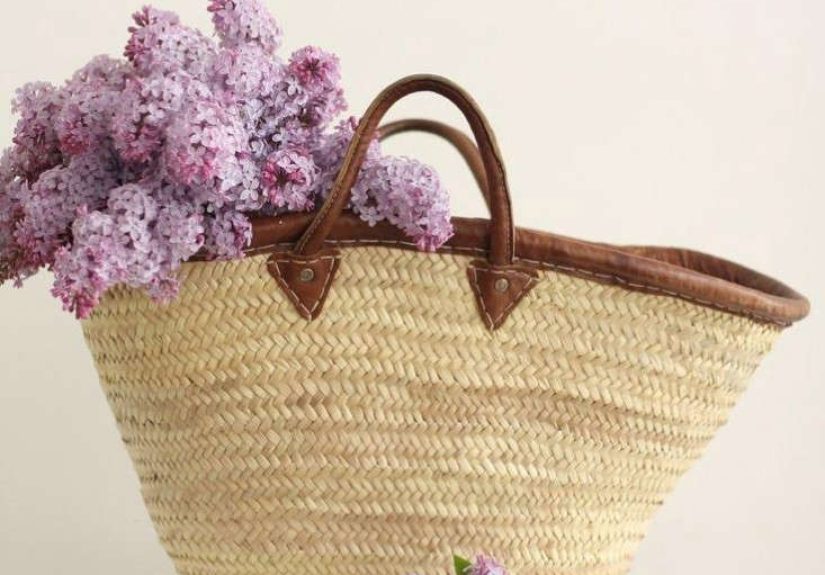
In practical terms, a French market basket is a woven carryalloften straw, palm leaf, wicker, or rattan
designed to haul produce, bread, and everyday goods. In cultural terms, it’s a tiny rebellion against flimsy plastic bags,
overstuffed backpacks, and the chaos of “where did my apples roll off to?”
What Exactly Is a French Market Basket?
Traditionally, this basket is an open-top, handwoven carrier with two handles (often leather). In France, you’ll see versions
called a panier (basket) and sometimes panier en osier (a basket made from willow/wicker). Over time, the style
became recognizable worldwide: an oval or slightly rounded basket that sits comfortably against your hip and carries
everything from baguettes to bouquets.
In the U.S., the term “French market basket” usually refers to that classic woven shapepart shopping companion, part summer accessory,
part home-storage superhero. It shows up at farmers markets, beach days, garden harvests, and (let’s be honest) in entryways holding
scarves that you swear you’ll wear “once it gets chilly.”
Why It Works So Well (Spoiler: Physics, Not Just Vibes)
1) It protects delicate groceries better than a floppy bag
A structured basket keeps heavier items from sliding into and crushing softer produce. If you’ve ever watched tomatoes get bullied by a jar of
pasta sauce, you already understand the appeal. The basket’s rigidity creates “zones,” making it easier to keep berries, herbs, and eggs safer.
2) It ventilates fresh food
Open weaving allows airflow, which can be helpful for items like bread, greens, or just-picked produce. You’re not trapping warm, damp air
like you might in a sealed baggood news for anyone who has accidentally created a mini rainforest in a plastic tote.
3) It carries awkward shapes like it’s a talent show
A baguette, a bunch of kale, a carton of strawberries, and a sunflower bouquet walk into a basket… and actually fit.
Long items can peek out the top without tearing anything or jabbing you in the ribs.
Materials 101: Straw, Palm, Wicker, RaffiaWhat’s the Difference?
Here’s where it gets mildly nerdy (in a good way). “Wicker” isn’t one specific materialit’s a weaving style.
The basket itself can be made from different plant fibers, each with a slightly different look, feel, and durability.
Straw & Palm Leaf
Many classic “market basket” styles are woven from straw or palm leaves. They’re lightweight and summery, with a warm, natural color that
looks good with basically everythingjeans, dresses, linen pants, your “I woke up like this” outfit… all of it.
Willow/Wicker
Willow is a classic choice for baskets. It tends to feel a little more “basket-basket” (structured, traditional) and less “handbag,”
though the line blurs depending on the shape and handles.
Rattan
Rattan comes from climbing palms and is known for being strong, flexible, and lightweightpopular in woven furniture and baskets.
Rattan-based weaving can be durable, but like most natural fibers, it appreciates not living its best life in constant moisture.
Raffia
Raffia is often used in “basket bag” styles that lean more fashion-forwardslouchier shapes, different weaves, and sometimes more
“city tote” than “market hauler.” Think: brunch first, market second, still a good idea.
How to Choose the Right French Market Basket
Not all baskets are created equal. Some are built for serious grocery missions. Some are built to look cute while carrying two limes and a
book you won’t read. Both have valuelet’s just label them honestly.
Pick your size based on your real life, not your fantasy life
- Small: Great for flowers, a quick produce run, or daily essentials. Also perfect if you walk everywhere and hate heavy bags.
- Medium: The “sweet spot” for farmers market browsingenough room for produce, bread, and small pantry items.
- Large: Ideal for big hauls, beach days, picnics, and “I’m hosting and pretending I’m calm” moments.
Handle length matters more than you think
Short handles feel classic and carry well in-hand. Longer leather straps are easier on the shoulder and keep your hands freeespecially helpful
when you’re juggling coffee, keys, and the sudden urge to buy “just one more” bunch of herbs.
Look for comfort details
- Smooth handle attachments: Rough or poky joins can scratch your arm or snag clothing.
- A stable base: A flatter bottom helps the basket sit without rolling your apples into the street.
- Optional lining: A fabric liner can help contain smaller items and protect delicate fabrics from catching on the weave.
How to Pack a French Market Basket Like a Pro
This is where the basket goes from “cute” to “quietly brilliant.” Use the shape to your advantage, and you’ll stop playing
“produce Jenga” on your walk home.
The simple packing rule: heavy on bottom, fragile on top
- Bottom layer: jars, boxed items, sturdy fruits (apples, oranges), potatoes
- Middle layer: leafy greens, mushrooms, tomatoes (if you must), wrapped cheese
- Top layer: eggs, berries, herbs, bread, and anything you’d cry over if crushed
Add “mini organizers”
If you shop often, toss in a couple of reusable produce bags or a small cloth pouch. They help corral tiny items like garlic, shallots,
or that one lemon that always tries to escape.
Beyond the Market: 9 Everyday Uses That Just Make Sense
A French market basket isn’t a one-hit wonder. It’s the kind of household item that keeps finding new jobslike a friend who somehow
thrives in every group project.
- Beach tote: towels, sunscreen, water bottle, and snacks with airflow and structure.
- Picnic basket: add a cloth napkin “liner,” and suddenly you’re the main character.
- Garden harvest: perfect for carrying herbs, tomatoes, and flowers without sweating everything.
- Entryway drop zone: hats, gloves, scarves, mailcontained chaos is still progress.
- Pantry helper: onions or garlic (in a dry space) and snack storage.
- Kids’ stuff: books, toys, art suppliesbonus points if you can carry it one-handed.
- Guest towels: rolled towels in a bathroom look instantly intentional.
- Car trunk organizer: groceries stop sliding like they’re auditioning for a stunt movie.
- Gift basket base: fill it with food, coffee, or spa items and the container becomes part of the gift.
Wicker & Straw Care: Keep It Cute for Years
Natural woven materials are sturdy, but they’re not invincible. Treat your basket like you would a good cutting board:
keep it clean, keep it dry, and don’t leave it somewhere damp and mysterious for months.
Routine cleaning (the “two-minute reset”)
- Shake out crumbs: upside down, gentle taps.
- Dust or vacuum: a soft brush attachment gets into the weave.
- Wipe gently: a slightly damp cloth, not a soak.
Deeper cleaning (when life happens)
If something sticky gets on the weave, use mild soapy water on a cloth and wipe carefully. Avoid saturating natural fibers.
Let it air dry completelyideally in a dry, breezy spot.
Mildew or musty smells
Mildew can happen if the basket stays damp. A common approach is a light vinegar-and-water wipe for affected areas, followed by thorough drying.
The key is no lingering moisture. Drying fully isn’t optional; it’s the whole plot.
Storage tips that prevent damage
- Avoid high humidity zones: basements and damp closets can invite mold.
- Keep out of harsh sun long-term: too much direct sunlight can dry fibers and make them brittle over time.
- Don’t crush it: store it upright or hang it so the shape stays true.
Is a French Market Basket “Sustainable”?
Sustainability isn’t a sticker; it’s a system. The most sustainable basket is the one you use for years.
A durable woven basket can reduce reliance on single-use bags and add a reusable, repairable piece to your daily routine.
But materials and craftsmanship matter.
What to look for if you want the “good” kind
- Solid weaving with consistent tension: fewer gaps, fewer weak points.
- Sturdy handle attachments: leather or reinforced joins that won’t pop mid-haul.
- Minimal chemical finishes: natural fibers don’t need heavy coating to be functional.
- Buy once, use often: the “cost per trip” becomes tiny over time.
French Market Basket Style: How to Wear It Without Trying Too Hard
The secret is that the basket already has personalityso you don’t need to overstyle it. Pair it with basics:
denim, a white tee, linen, a sundress, or even your work outfit if you like mixing polished and relaxed textures.
Three easy looks
- Farmers market casual: jeans + sneakers + basket + reusable produce bags.
- Beach day: swimsuit + cover-up + basket (towel on the bottom, sunglasses on top).
- City summer: midi dress + sandals + basket with a small pouch inside for keys and wallet.
FAQ
Can a French market basket replace a reusable grocery bag?
For many shopping trips, yesespecially if you’re buying produce, bread, and pantry items. For frozen foods or anything that needs temperature control,
pair the basket with an insulated pouch.
Will it snag clothes?
It can if the weave is rough or if you carry delicate knits. A fabric lining or inner pouch helps. Also, smoother weave quality makes a difference.
Is it okay if it looks “imperfect”?
Absolutely. Handwoven items often have slight variations. That’s not a flaw; that’s the whole point.
You’re buying something made by hands, not a plastic clone factory.
Conclusion
A French market basket is one of those rare items that earns its popularity. It’s useful, durable, breathable, andyesvery photogenic,
but the real win is how it simplifies everyday errands. You carry more comfortably, pack more intelligently, and waste less along the way.
Plus, it quietly upgrades your entire “I’m just running out for a second” routine.
Market-Day Experiences: The French Market Basket in Real Life
There’s a particular kind of confidence that shows up the moment you walk into a farmers market carrying a French market basket.
Not loud confidencemore like “I remembered my reusable bags and I know what I’m cooking this week.” It’s the same energy as
having your headphones charged or finding exact change in your pocket. Small victory, big mood.
Picture the classic Saturday setup: the air is cool enough to make coffee taste better, and every booth is basically competing in the category
of “Most Aromatic.” Fresh bread smells like it’s trying to recruit you. Citrus is glowing like it’s under studio lighting. Someone’s selling herbs
that still have dirt clinging to the roots, which is nature’s way of saying, “Yes, I’m the real deal.”
The basket becomes your rolling storylineone stop at a time, each item like a chapter.
The first thing you notice is how the basket changes your shopping rhythm. With a bag, you tend to toss things in and hope for the best.
With a basket, you place things. Tomatoes go carefully to one side. A bundle of asparagus gets laid diagonally like it’s posing.
Berries get the VIP penthouse suite at the top. And suddenly you’re not just shoppingyou’re curating.
(Is that dramatic? Yes. Is it also true? Also yes.)
Then comes the unplanned moment: you see flowers. You did not come for flowers. You have no vase plan.
But the flowers look like a personal invitation to be the kind of person who casually buys flowers.
The basket makes this decision easier because it can cradle a bouquet without bending every stem into a tragic arc.
You tuck them in, and for the rest of the morning, you’re carrying a visible reminder that joy can be purchased in bunches.
The basket also shines during the “one more thing” spiral. You came for eggs and greens. Now you’re holding jam, bread, mushrooms, and a wedge of cheese
you were “just going to sample.” In a soft tote, that’s a recipe for squished bread and regret.
In a basket, you can stack with intention: heavy jar at the bottom, bread on the side, eggs on top, and the cheese nestled in the middle like it’s
a treasured artifact (which, emotionally, it is).
And yes, people notice. Someone will ask where you got it, or they’ll smile like they recognize a shared language: the language of useful,
beautiful objects. It’s not about showing off. It’s about the quiet satisfaction of having the right tool for a lovely job.
By the time you walk home (or back to your car), the basket feels like a companionholding your choices, protecting your fragile finds,
and making the whole experience feel a little more deliberate and a lot more fun.
That’s the charm of the French market basket: it’s not just what you carryit’s how you carry the day.