Table of Contents >> Show >> Hide
- Quick snapshot: gallstones vs. kidney stones
- What exactly are gallstones?
- What exactly are kidney stones?
- Symptoms: how the pain feels (and where)
- Complications: when stones become an emergency
- Diagnosis: the tests that settle the argument
- Treatment: what actually fixes each problem
- Prevention: how to reduce your risk (without living on air and regret)
- Specific examples: two pain stories that look similar (until you zoom in)
- Common myths that deserve retirement
- When you’re not sure which stone it is
- Conclusion
- Experiences people commonly report
- SEO tags (JSON)
Stones are rude little rocks with one big talent: showing up uninvited and ruining your day. But “stone pain” isn’t one-size-fits-all.
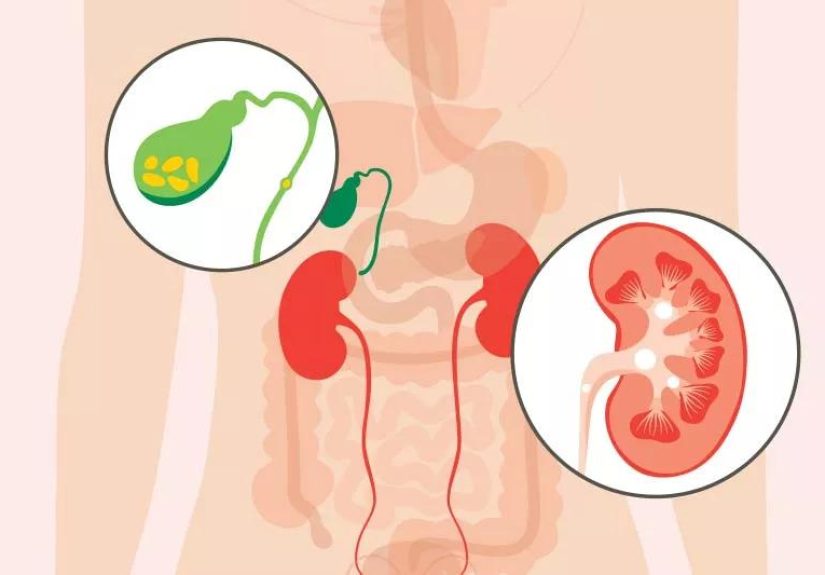
Gallstones form in your gallbladder (part of digestion). Kidney stones form in your urinary tract (part of plumbing).
They can both cause intense pain and nauseayet the location, timing, urine clues, and tests usually point to which one is the troublemaker.
This guide breaks down the real differencessymptoms, causes, diagnosis, treatment, prevention, and what to do if you’re not sure.
(Spoiler: if you have fever, jaundice, or can’t keep fluids down, don’t “wait it out” to prove you’re tough.)
Quick snapshot: gallstones vs. kidney stones
| Feature | Gallstones (Cholelithiasis) | Kidney Stones (Nephrolithiasis) |
|---|---|---|
| Where they form | Gallbladder or bile ducts (digestive system) | Kidneys/ureters/bladder (urinary system) |
| Common makeup | Mostly cholesterol stones; also pigment (bilirubin) stones | Most commonly calcium-based; also uric acid, struvite, cystine |
| Typical pain location | Right upper abdomen; may radiate to right shoulder/back | Flank (side/back), often radiates toward lower abdomen/groin |
| Pain timing | Often after a heavy/fatty meal; may occur at night | Often comes in waves as the stone moves; not meal-linked |
| Urine changes | Usually none | Common: blood in urine (hematuria), urgency, burning |
| First-line imaging | Ultrasound is the usual starting test | CT is commonly used; ultrasound may be used in some cases |
| Common definitive treatment | Gallbladder removal (cholecystectomy) for symptomatic stones | Depends on size/location: pass naturally, meds, lithotripsy, ureteroscopy |
What exactly are gallstones?
Your gallbladder is a small storage pouch under your liver. It holds bile, which helps digest fats.
Gallstones are hardened, pebble-like pieces that form when bile chemistry gets out of balancemost often involving cholesterol,
or sometimes bilirubin (pigment stones).
Common types of gallstones
- Cholesterol stones: typically yellow-green and mostly hardened cholesterol (the most common type).
- Pigment stones: darker stones made from bilirubin; some people have mixed stones.
Why gallstones cause pain
Many gallstones are “silent” and never cause symptoms. The problem starts when a stone blocks a bile duct.
That backup of bile can trigger a gallbladder attack, often described as biliary colic.
It’s not “colic” because it’s cuteit’s called that because the pain can be intense and stubborn.
What exactly are kidney stones?
Kidney stones form when minerals and salts in urine become concentrated and crystallize.
They can sit quietly in the kidney, but symptoms usually start when a stone moves into the ureter (the tube that carries urine from kidney to bladder).
Common types of kidney stones
- Calcium stones: the most common (often calcium oxalate; sometimes calcium phosphate).
- Uric acid stones: linked to high uric acid levels and more acidic urine.
- Struvite stones: associated with urinary tract infections; can grow large.
- Cystine stones: rare; linked to an inherited condition (cystinuria).
Why kidney stones hurt
The urinary tract is basically a narrow hallway with no interest in accommodating sharp-edged guests.
When a stone blocks flow or scrapes tissues, you can get severe pain, nausea, and sometimes blood in the urine.
Symptoms: how the pain feels (and where)
Gallstone symptoms (classic pattern)
- Pain in the right upper abdomen that can build quickly and last from 30 minutes to several hours.
- Radiating pain to the back (between shoulder blades) or right shoulder.
- Nausea/vomiting, especially during an attack.
- Attacks often follow mealsespecially heavier or fatty mealsand can show up at night.
Not everyone reads the “textbook.” Some people feel pressure, fullness, or indigestion-like discomfort.
But the right-upper-abdomen + after-eating pattern is a big clue.
Kidney stone symptoms (classic pattern)
- Flank pain (side/back) that can be severe and may come in waves.
- Pain that travels toward the lower abdomen, groin, or even testicles in some men.
- Blood in urine (pink/red/brown) is common.
- Urinary symptoms like burning, urgency, or frequent small urinationespecially if the stone is near the bladder.
- Nausea/vomiting can happen because the pain is intense (your body’s way of being dramatic).
The “tell me in 10 seconds” trick
Ask yourself these two questions:
- Is the pain tied to eating (especially fatty meals) and located high on the right? That leans gallbladder.
- Is the pain on the side/back and marching toward the groin, with urinary changes? That leans kidney stone.
Of course, bodies love plot twists. That’s why tests matter.
Complications: when stones become an emergency
Gallstone red flags
A simple gallbladder attack can turn into inflammation (cholecystitis) or involve the common bile duct.
Seek urgent care if you have:
- Fever or chills with abdominal pain
- Jaundice (yellowing of skin/eyes) or very dark urine/pale stools
- Persistent, worsening right-upper abdominal pain that won’t ease
- Confusion, low blood pressure, severe weakness (especially in older adults)
Kidney stone red flags
Kidney stones become dangerous when they cause infection behind a blockage or significant obstruction.
Get urgent care if you have:
- Fever/chills (possible infection)
- Severe pain with vomiting that prevents fluids/meds staying down
- Difficulty urinating or inability to urinate
- One kidney, pregnancy, or known kidney disease and severe symptoms
Diagnosis: the tests that settle the argument
How gallstones are diagnosed
Clinicians combine your symptom story with physical exam and imaging. The most common starting test is
abdominal ultrasound, which is especially good at seeing gallstones.
Blood tests may be added if infection, inflammation, or bile duct blockage is suspected.
- Ultrasound: common first-line test for gallstones
- Endoscopic ultrasound (EUS) / MRCP: may help when bile duct stones are suspected
- Blood tests: can show signs of infection or bile duct obstruction in complicated cases
How kidney stones are diagnosed
Kidney stones often require a mix of urine testing, imaging, and sometimes stone analysis.
A urinalysis can show blood and infection clues.
Imagingoften a CT scancan locate stones and show obstruction.
- Urinalysis: checks for blood, infection, and stone-forming minerals
- Imaging (often CT): identifies stones in the urinary tract and their size/location
- Follow-up testing: may include 24-hour urine studies and blood tests for prevention planning
Treatment: what actually fixes each problem
Gallstone treatment
If gallstones aren’t causing symptoms, treatment often isn’t needed.
But once stones cause recurrent attacks or complications, the most common definitive fix is
cholecystectomysurgical removal of the gallbladder.
You can live without a gallbladder; bile simply flows directly from liver to intestine.
- Pain control during biliary colic (often NSAIDs, sometimes stronger meds)
- Cholecystectomy for symptomatic or complicated gallstones
- ERCP is typically used for stones stuck in the bile duct (not to “remove gallstones from the gallbladder”)
Translation: ERCP is like calling a tow truck to clear a traffic jam in the main road.
It doesn’t demolish the garage where the problem cars keep coming from.
Kidney stone treatment
Treatment depends on size, location, symptoms, and whether infection/obstruction is present.
Many smaller stones pass with time, hydration, and pain control.
Larger or stuck stones may need procedures.
- Hydration + pain control: the starter pack for many uncomplicated stones
- Medical expulsive therapy: sometimes medications are used to help stones pass (case-dependent)
- Shock wave lithotripsy (ESWL): uses shock waves to break stones into smaller pieces
- Ureteroscopy: a scope removes or breaks up stones in the ureter/kidney
- Emergency care: needed for obstructing stone with infection
Prevention: how to reduce your risk (without living on air and regret)
Preventing gallstones
Gallstone risk is influenced by weight, hormones, genetics, and bile chemistry.
You can’t change your family tree, but you can reduce modifiable risks:
- Aim for gradual weight loss if needed (rapid weight loss can raise gallstone risk).
- Choose a balanced eating pattern with fiber, produce, and healthy fats in reasonable amounts.
- Stay active and manage metabolic health (blood sugar, triglycerides).
Preventing kidney stones
Kidney stone prevention is more “numbers-based,” because urine chemistry matters.
Many prevention plans start with one surprisingly unglamorous strategy: drink enough fluids.
For recurrent stone formers, clinicians often target enough intake to produce a high urine volume.
- Hydrate consistently (not just when you feel like a raisin).
- Limit sodium if you make calcium stones (sodium can increase urinary calcium).
- Keep dietary calcium adequate (food calcium can be protective for many people).
- Adjust oxalate, animal protein, and purines depending on your stone type and lab results.
- Get a stone analysis if possibleknowing the type helps prevention get specific.
Specific examples: two pain stories that look similar (until you zoom in)
Example A: “It hits after dinner”
Someone eats a cheeseburger-and-fries dinner and later develops steady right-upper abdominal pain that builds over 20–30 minutes,
plus nausea. The pain radiates to the right shoulder blade and lasts a few hours.
They feel better by morning but get a repeat episode after another heavy meal.
That pattern strongly suggests gallstones with biliary colic.
Example B: “It starts in my back and won’t sit still”
Someone develops sudden severe flank pain that comes in waves, pacing the house because lying still doesn’t help.
The pain creeps toward the groin, and their urine looks pink.
They also feel urgency and burning. That combination leans kidney stoneespecially with hematuria and urinary symptoms.
Common myths that deserve retirement
-
Myth: “Gallstones always cause pain.”
Reality: Many are silent until they block a duct. -
Myth: “Kidney stones always cause blood you can see.”
Reality: Blood may be microscopic and only show on urinalysis. -
Myth: “If I avoid calcium, I’ll avoid calcium stones.”
Reality: For many people, adequate dietary calcium helps; the plan should match your stone type and labs. -
Myth: “Once the pain stops, the danger is gone.”
Reality: Infection, blockage, jaundice, or persistent symptoms still require evaluation.
When you’re not sure which stone it is
If you’re stuck between “gallbladder” and “kidney,” focus on the clues that matter clinically:
- Pain location: right upper abdomen (gallbladder) vs. flank/groin migration (kidney)
- Meal relationship: fatty/heavy meals triggering attacks suggests gallbladder
- Urine clues: blood, burning, urgency suggest kidney stone
- Systemic signs: fever, chills, jaundice = don’t delay care
The best next step is usually a clinician visit for targeted testingbecause guessing wrong can mean missing a blockage or infection.
Conclusion
Gallstones and kidney stones share a name and a talent for misery, but they come from different systems and behave differently.
Gallstones tend to cause right-upper abdominal pain often linked to meals and can radiate to the right shoulder/back.
Kidney stones more often cause flank pain that travels toward the groin, plus urinary symptoms and blood in the urine.
The good news: both conditions are very diagnosable with the right tests, and both have effective treatments.
The smart move is recognizing red flagsfever, jaundice, severe persistent pain, vomiting with dehydration, or trouble urinatingand getting evaluated promptly.
Experiences people commonly report
Let’s talk about the part most articles skip: the “what it feels like in real life” sidebecause people rarely describe pain like a textbook.
These are common experiences patients report in clinics and ERs, and noticing the pattern can help you describe symptoms clearly (which speeds up diagnosis).
With gallstones, many people describe a weird mismatch between what they ate and how intense the pain becomes.
It’s not always a fast-food disastersometimes it’s a “normal” meal that just happens to be higher in fat than usual (pizza night, creamy pasta, holiday food).
The pain can feel deep and steady, and people often say it’s located high in the abdomen, under the right ribs.
A frequent comment is, “I thought it was heartburn, but heartburn doesn’t make me consider bargaining with the universe.”
Some people notice the pain creeping into the back or right shoulder blade, which can be confusing because it feels like a muscle issue.
Another very real experience: attacks often show up later in the day or at night. People wake up thinking they slept wrong, only to realize the pain isn’t changing with position.
Another common gallbladder experience is the “waves of nausea without a clear stomach cause.”
People might not have diarrhea or classic “stomach bug” symptomsjust nausea, maybe vomiting, and a sense that food is suddenly a bad idea.
Many say they feel bloated or gassy and try antacids first. When those don’t help, it becomes clear this is not a simple digestive tantrum.
After the attack passes, people often feel surprisingly normal, which can make them delay careuntil the next episode repeats the performance.
With kidney stones, the experience is often described as pain that won’t let you get comfortable.
People pace, shift positions, and can’t find a “safe angle.” That restlessness is a classic clue clinicians notice.
The pain may start in the back or side, then migratealmost like it’s traveling a routedown toward the lower abdomen or groin as the stone moves.
Many people say the pain comes in surges, where it ramps up, eases slightly, and ramps up again.
It’s also common to feel nauseated simply because the pain is intense (your nervous system doesn’t like surprises).
Then there are the urine-related experiences that tend to point toward kidney stones:
urgency that feels like you “have to go right now,” peeing in small amounts, or burning.
Some people notice pink or tea-colored urine and assume it’s dehydrationuntil it happens again.
Others only learn there’s blood in the urine after a test, which can be surprising when you can’t see it.
A lot of first-timers also report thinking it must be a back injury, because the pain sits near the flankuntil urinary symptoms appear.
Finally, a shared experience with both conditions: people often try to tough it out.
If you take one practical lesson from these stories, make it this:
pain plus fever, pain plus jaundice, or pain plus inability to keep fluids down is not a “wait and see” situation.
Those combinations can signal infection or blockage that needs prompt treatmentnot a test of willpower.