Table of Contents >> Show >> Hide
- The “Where Am I?” Toolkit: 4 Regional Clues That Beat Guesswork
- Gardening By Region: A U.S. Climate Playbook
- Northeast
- Southeast
- Midwest and Ohio Valley
- Great Plains
- Southwest Desert
- Mountain West and High Elevation Areas
- Pacific Northwest
- California (Coast, Valleys, and Inland)
- A Simple Regional Planning Method You Can Use Anywhere
- Quick Regional Cheat Sheet
- Conclusion: The Secret Isn’t a Perfect PlantIt’s a Perfect Match
- 500+ Words of Real-World “Gardening By Region” Experiences (Collected Wisdom)
The United States is basically a reality show made of climates. One episode is foggy coastal lettuce weather,
the next is “why is my shovel melting?” desert heat, and somewhere in the middle the Midwest is flipping
between snow and 80°F like it’s testing your emotional resilience.
That’s why gardening by region works so well: you stop fighting your climate and start collaborating with it.
The goal isn’t to copy a garden you saw online. The goal is to build a garden that thrives where you actually live
with your local frost dates, heat waves, rainfall habits, soil quirks, and “surprise wind event” schedule.
The “Where Am I?” Toolkit: 4 Regional Clues That Beat Guesswork
1) USDA Hardiness Zone (Winter survival)
Your USDA Plant Hardiness Zone tells you how cold your winters can getuseful for choosing perennials, shrubs,
and trees that won’t tap out in January. Think of it as a winter jacket rating for plants.
2) Heat reality (Summer stress)
Zones don’t tell you how punishing summer gets. Two places can share a USDA zone and still be wildly different:
one might have mild summers; another might bake plants daily. Heat stress affects flowering, fruit set, and how often
you’re out there whispering “please don’t bolt” to your lettuce.
3) Frost dates (Your true planting clock)
The last spring frost and first fall frost define your frost-free growing window. Seed packets love generalities.
Frost does not. If a crop is frost-tender (tomatoes, peppers, basil), timing matters more than optimism.
4) Water pattern (Rainy season, dry season, or “mystery”)
Regional rainfall patterns decide whether your biggest challenge is fungal disease or hauling hoses.
A garden plan that works in a wet-summer climate can flop hard in a dry-summer climateand vice versa.
Gardening By Region: A U.S. Climate Playbook
Below are region-based strategies with specific examples. If you’re on a border (or in a microclimate),
borrow techniques from both sides. Your yard is allowed to be complicated.
Northeast
What you’re working with
- Cold winters, true freeze-thaw cycles, and spring that shows up late (then immediately gets confident).
- Humid summers in many areas, which means disease pressure can spike.
- Shorter growing season in northern zones and higher elevations.
Strategies that win
Lean into season extension. Cold frames, row covers, and low tunnels turn a short season into a reasonable one.
Start cool-season crops early (peas, spinach, radishes, brassicas), and protect them when spring plays tricks.
Warm the soil before you plant warm-season crops. If your soil is cold and soggy, roots sulk.
Raised beds, black plastic, and soil-warming mulches can help you get ahead without gambling on weather.
Example timing mindset: Many gardeners use local “last average frost” as the anchor date for tender transplants.
After that, tomatoes and peppers can move outside with far fewer dramatic setbacks.
Good regional picks
- Vegetables: kale, broccoli, peas, potatoes, carrots; then tomatoes and squash once nights warm.
- Perennials: cold-hardy berries, native pollinator plants, and tough shrubs adapted to winter extremes.
Southeast
What you’re working with
- Long growing season, mild winters in many areas, and humidity that makes fungi feel emotionally supported.
- Hot summers can stall flowering and fruit set, especially for cool-season favorites.
- In many places, pests are not seasonal visitorsthey are residents.
Strategies that win
Flip the script: grow cool-season crops when your “winter” behaves like spring.
In much of the Southeast, fall and winter can be prime time for greens, brassicas, carrots, and herbs.
Summer is often the “hard mode” season for many vegetables.
Mulch like you mean it. A consistent mulch layer reduces moisture loss, buffers soil temperature swings,
and helps keep rain from splashing soil (and soil-borne disease) onto plants. Just keep mulch pulled back from stems and trunks
to avoid rot and critter issues.
Expect sandy soil in parts of the Deep South and Florida. Sandy soils drain fast and can be low in organic matter.
Compost and other organic amendments improve water-holding capacity and nutrient availabilityyour plants will notice.
Good regional picks
- Heat-tolerant edibles: okra, sweet potatoes, Southern peas/cowpeas, eggplant.
- Cool-season stars (timed right): collards, kale, lettuce, broccoli, carrots.
- Landscape approach: prioritize disease-resistant cultivars and air circulation (space plants; prune thoughtfully).
Midwest and Ohio Valley
What you’re working with
- Big temperature swings and weather mood swings: late frosts, surprise heat, then a storm that was “not on the calendar.”
- Often heavier soils (including clay), and spring rain that can delay planting.
- Excellent summer growing potential when soil structure is healthy and drainage is managed.
Strategies that win
Protect soil structure. Working wet soil is how you end up with concrete clods and sad roots.
If you’ve got clay or clay-loam, wait until it crumblesnot smearsbefore digging or tilling.
Building organic matter over time improves drainage and makes your garden easier to work.
Stagger plantings. Succession planting is your secret weapon in a region where spring can be late and summer can be intense.
Plant quick crops (radishes, lettuce, beans) in rounds instead of all at once.
Use frost dates as guardrails, not handcuffs. Plant cool-season crops early, but have covers ready.
For warm-season crops, waiting until soil actually warms can beat planting early and watching plants stall for weeks.
Good regional picks
- Reliable vegetables: sweet corn, beans, tomatoes (once warm), cucumbers, winter squash.
- Soil helpers: compost, leaf mold, and cover crops in off-season beds.
Great Plains
What you’re working with
- Wind (the unofficial state bird), periodic drought, and fast evaporation.
- Wide temperature ranges and high sun exposure.
- In many areas, naturally alkaline soils that can affect nutrient availability.
Strategies that win
Design for wind. Use fencing, hedges, trellises, or strategic planting to reduce wind stress and moisture loss.
Wind doesn’t just break plantsit dries them out faster than you think.
Water efficiently. Drip irrigation and soaker hoses target roots and reduce loss.
Mulch is your moisture insurance policyespecially during hot, windy stretches.
Know your soil pH. In very alkaline or very acidic soils, nutrients can become harder for plants to absorb,
which can look like “mysterious deficiencies” even when you’ve fertilized. A soil test helps you choose the right fix.
Good regional picks
- Drought-smart edibles: okra, melons (with proper watering early), herbs like thyme and rosemary in suitable spots.
- Landscape approach: drought-tolerant natives and xeriscape principles (right plant, right place).
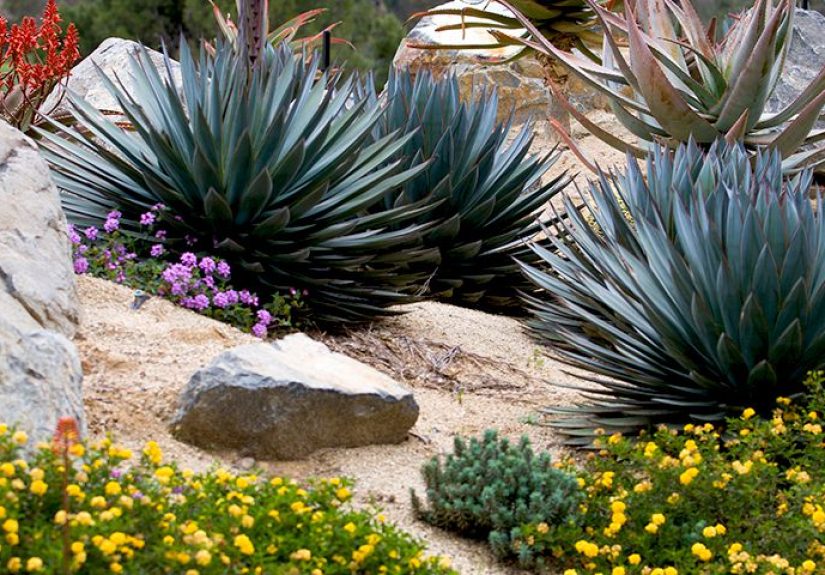
Southwest Desert
What you’re working with
- Intense summer heat, low humidity, and sun that does not negotiate.
- Two-season logic: cool-season gardening can be excellent; midsummer can be survival gardening.
- In parts of Arizona and New Mexico, monsoon season changes the timing and the tasks.
Strategies that win
Garden on the desert schedule. In many desert areas, fall planting ramps up as extreme heat eases.
Summer can be about maintenance, shade, and keeping roots alivenot forcing lettuce to “believe in itself.”
Use shade intelligently. Shade cloth, afternoon shade, and careful placement (east side of structures, under trellises)
can make the difference between thriving and crispy.
Watch salts and watering habits. Desert watering can concentrate salts over time.
Deep, consistent watering (and good soil structure) encourages deeper roots and steadier growth.
Good regional picks
- Heat-resilient crops: eggplant, peppers, okra (with proper watering), and many herbs.
- Cool-season winners: leafy greens, brassicas, carrotsoften best in fall through spring windows.
Mountain West and High Elevation Areas
What you’re working with
- Short growing seasons, late frosts, early frosts, and daily temperature swings.
- High UV exposure and drying winds.
- Microclimates everywhere: a south-facing wall can act like a cheat code.
Strategies that win
Choose quick-maturing varieties. If your season is short, pick cultivars bred for shorter days-to-harvest.
Bush beans, early tomatoes, and compact squash types can outperform long-season giants.
Use microclimates on purpose. Plant heat-lovers near reflective walls or in protected courtyards.
Use windbreaks and covers early and late in the season.
Pacific Northwest
What you’re working with
- West of the Cascades: mild temperatures, wet winters, and a summer dry season that surprises newcomers.
- East of the Cascades: more continentalhotter, drier summers and colder winters.
- Slug pressure and fungal disease can be significant in wetter areas.
Strategies that win
Plan around the wet/dry pattern. In many western PNW areas, the rainy season runs through fall, winter, and spring,
while summer is dry enough that irrigation becomes essential right when everything is growing fast.
Go native (or at least native-informed). Many native plants are adapted to wet winters and dry summers and can reduce
maintenance while supporting pollinators.
Stay ahead of mildew and rot. Space plants, prune for airflow, and avoid overhead watering late in the day.
Healthy airflow is the quiet hero of coastal and rainy climates.
California (Coast, Valleys, and Inland)
What you’re working with
- A Mediterranean pattern in many regions: wetter winters, drier summers.
- Huge microclimate diversity: coastal fog belts, hot inland valleys, and mountain climates within a short drive.
- Year-round growing potential in many areasif you time cool- and warm-season crops correctly.
Strategies that win
Use warm-season vs. cool-season timing. Many California gardeners can grow cool-season crops in fall/winter and
warm-season crops through spring/summersometimes with overlapping windows depending on region.
Don’t assume your county = your garden. Coastal and inland areas can differ dramatically.
A vegetable that loves coastal conditions can struggle just a few miles inland where summer heat spikes.
Treat local planting guides as “starting points,” then adjust by observing your yard.
A Simple Regional Planning Method You Can Use Anywhere
- Find your USDA hardiness zone for perennials and long-term plant choices.
- Identify your heat and sun reality (how many days feel punishing, and when).
- Write down your last and first frost dates (or at least the usual range) and plan your crops around them.
- Test your soil before you “fix” itpH and nutrient balance matter, especially across different regions.
- Pick region-adapted plants (ideally natives or well-adapted varieties) and build from there.
- Match watering to climate: drip + mulch in dry/windy regions; airflow + smart irrigation timing in humid regions.
Quick Regional Cheat Sheet
| Region | Biggest Challenge | Best “Power Move” |
|---|---|---|
| Northeast | Short season + late frosts | Season extension + soil warming |
| Southeast | Heat + humidity + disease | Grow cool-season in fall/winter; airflow + mulch |
| Midwest/Ohio Valley | Wet springs + heavy soils | Protect soil structure; stagger planting |
| Great Plains | Wind + drought + alkaline soil | Windbreaks + drip irrigation + soil testing |
| Southwest Desert | Extreme heat + water loss | Shade strategy + desert-season timing |
| Pacific Northwest | Wet winters + dry summers | Plan irrigation for summer; choose adapted plants |
| California | Microclimates everywhere | Use local planting windows; observe and adjust |
Conclusion: The Secret Isn’t a Perfect PlantIt’s a Perfect Match
The most successful gardeners aren’t the ones who “try harder.” They’re the ones who stop arguing with their climate.
Gardening by region turns random trial-and-error into smart, repeatable decisions:
pick plants that fit your winter lows, respect your summer heat, plant by frost dates, and build soil that behaves in your region.
Do that, and suddenly your garden feels less like a science experiment and more like a partnership.
The weather will still surprise youbecause it’s weatherbut you’ll be working with the rules of your region, not against them.
500+ Words of Real-World “Gardening By Region” Experiences (Collected Wisdom)
Gardeners tend to learn regional lessons the same way people learn not to touch a hot pan: one memorable mistake at a time.
Here are common experiences gardeners share across the U.S.the kind of hard-earned knowledge that doesn’t always fit neatly on a seed packet.
In short-season regions (especially the Northeast and high elevations), many gardeners discover that “early” isn’t the same as “successful.”
Planting tomatoes outside on the first warm weekend can feel heroic… until the next cold night stalls them for weeks. The experience that sticks is this:
warm-season plants don’t just need warm air; they need warm soil. A lot of gardeners end up loving raised beds, dark mulches, or simple row covers
because they make spring less like a coin flip.
In the Southeast, gardeners often report the opposite surprise: the garden can be productive for so much of the year,
but summer is the season that humbles you. Folks who move from cooler regions learn quickly that humidity changes everythingtomatoes crack,
fungal issues appear overnight, and pests seem to RSVP to every meal. The “aha” moment is usually when someone shifts their calendar:
cool-season crops become a fall-and-winter tradition, and summer becomes a time to grow heat-tough plants (okra, sweet potatoes),
protect soil with mulch, and prioritize airflow.
In the Midwest and Ohio Valley, one of the most repeated stories is about soil timing. Many gardeners learn that digging
when the ground is wet creates clods that last all season. After a couple years of wrestling with brick-like beds, gardeners start building
organic matter, using compost, and switching to gentler cultivation. They also discover the joy of succession planting: instead of one giant
lettuce harvest followed by a heat wave, they plant smaller batches and keep harvests coming.
In the Great Plains, wind becomes personal. Gardeners talk about seedlings that looked fine in the morning and were flattened by lunch.
Over time, many end up designing their whole space around wind management: trellises that double as wind screens, living windbreaks, and lower-profile crops.
Water habits change toodrip irrigation and deep watering become non-negotiable, because shallow watering plus wind equals constant stress.
In the Southwest desert, the shared experience is learning to garden “sideways” compared with cooler climates.
Newcomers often try to garden through peak summer the way they did elsewhere, then discover that shade and timing are the real tools.
Many desert gardeners talk about shifting big planting windows into fall and late winter/spring, using shade cloth in summer,
and focusing on keeping soil covered and roots protected. The win is realizing the desert can be incredibly productivejust not on the same schedule.
In the Pacific Northwest and parts of coastal California, gardeners often learn that rain isn’t always the gift it seems.
Wet winters can mean soggy soil, slugs, and rot, while dry summers demand irrigation right when plants are at peak growth.
The “regional confidence” moment is when a gardener starts planning around those rhythmschoosing plants adapted to wet winters and dry summers,
improving drainage, and watering consistently through the summer dry spell.
Across regions, the biggest shared lesson is simple: your best garden is rarely a copy-paste. It’s a response to your place.
Once gardeners accept thatand start using regional guides, soil tests, and their own observationssuccess becomes repeatable, not accidental.