Table of Contents >> Show >> Hide
- What Is Geometric Cube Decor Dove?
- Why Cube Shapes Work So Well in Interior Design
- Why Dove Tones Are So Popular
- Best Materials for Geometric Cube Decor Dove
- How to Style Geometric Cube Decor Dove in Different Rooms
- Design Styles That Love Geometric Cube Decor Dove
- How to Choose the Right Size
- Color Pairings for Dove Cube Decor
- Common Mistakes to Avoid
- Buying Tips for Geometric Cube Decor Dove
- DIY Ideas for Geometric Cube Decor Dove
- How Geometric Cube Decor Dove Improves Visual Balance
- Real-Life Styling Examples
- Experience Section: Living With Geometric Cube Decor Dove
- Conclusion
Note: This article is written as original, web-publishing-ready content based on real interior design principles, current home decor trends, and practical styling knowledge. It contains no source-link inserts or citation placeholders.
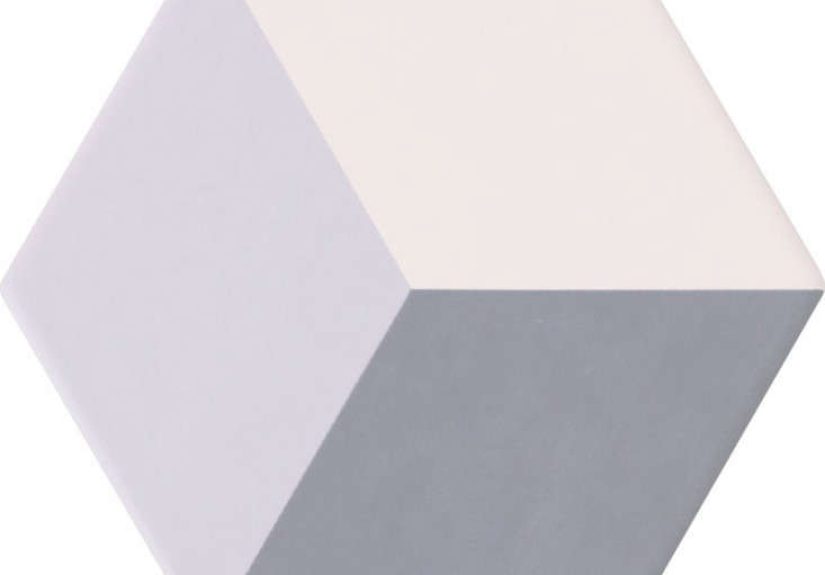
Geometric cube decor dove sounds like the name of a mysterious art object you would find in a bright gallery, guarded by a very serious person wearing black. But in home design, it can mean something much more approachable: cube-shaped decorative accents in soft dove tones, often white, warm gray, pale greige, or muted ivory, used to bring structure, calm, and modern personality into a room.
At its best, geometric cube decor dove combines three design ideas that rarely argue with each other. Geometry brings order. The cube brings balance. Dove-inspired coloring softens the whole look so your living room does not feel like a math classroom with throw pillows. The result is clean, sculptural, peaceful, and surprisingly flexible.
Whether you are styling a bookshelf, coffee table, entry console, office desk, bedroom dresser, or modern retail display, geometric cube decor in dove tones can make a space feel intentional without shouting for attention. It is the design equivalent of someone who is stylish, calm, and knows exactly where their keys are.
What Is Geometric Cube Decor Dove?
Geometric cube decor dove refers to decorative objects, sculptures, shelves, blocks, planters, trays, wall accents, or tabletop pieces built around cube geometry and finished in a dove-like color palette. “Dove” usually suggests a soft white, warm gray, pale stone, or creamy neutral. It is lighter and gentler than charcoal, less stark than pure white, and more sophisticated than plain beige.
The cube shape is one of the most recognizable forms in design. It has equal sides, clean lines, and a grounded presence. Unlike curved objects, cubes feel stable and architectural. They create visual rhythm when repeated, stacked, rotated, or grouped. That makes them useful in both minimalist interiors and more layered, eclectic spaces.
When the cube is finished in a dove tone, it loses any harshness. A matte dove-white ceramic cube, for example, feels calm and gallery-like. A dove-gray concrete cube feels modern and earthy. A resin geometric knot sculpture in a soft dove finish can look playful, polished, and expensive even when it is simply sitting on a bookshelf pretending it owns the place.
Why Cube Shapes Work So Well in Interior Design
Geometric shapes are powerful because they tell the eye where to go. Circles feel soft and flowing. Triangles create movement. Cubes and squares communicate balance, order, and dependability. In a room filled with sofas, cushions, curtains, plants, and everyday clutter, cube decor acts like a visual pause button.
A cube also works because it naturally repeats patterns already found in homes. Windows, tiles, books, framed art, shelving units, cabinet doors, and floor plans often rely on squares and rectangles. Adding cube decor reinforces that built-in structure. It makes the space feel connected instead of randomly assembled during a late-night online shopping adventure.
The Cube as a Sculptural Accent
Cube decor can be purely decorative, such as a small ceramic sculpture, an abstract knot statue, or a stack of carved wooden blocks. These pieces are especially useful when a surface feels too flat. A coffee table with only books can look unfinished. Add a dove-white cube sculpture, and suddenly the table looks styled rather than abandoned.
Sculptural cube accents work best when they have texture or shadow. Raised edges, cutouts, woven forms, ribbed surfaces, or interlocking cube patterns give light something to play with. A plain cube can be beautiful, but a cube with depth can make a room look curated.
The Cube as Functional Decor
Not all geometric cube decor has to sit there looking pretty and refusing to help. Cube shelves, cube storage boxes, modular cube organizers, cube planters, and cube trays are functional pieces that also strengthen the design language of a room.
For example, a set of dove-gray cube storage bins can make an open shelf look organized while hiding cables, toys, craft supplies, or that mysterious pile of things everyone swears they will sort “this weekend.” Cube planters can frame small succulents or herbs. Cube trays can collect candles, matches, beads, keys, or jewelry without making the surface feel messy.
Why Dove Tones Are So Popular
Dove colors are popular because they are soft neutrals with personality. Pure white can sometimes feel sharp or clinical. Cool gray can feel flat in low light. Beige can become dull if it is not balanced with texture. Dove tones sit in the friendly middle. They bring warmth, calm, and flexibility.
A dove-white or dove-gray finish pairs beautifully with wood, glass, marble, rattan, brass, black metal, linen, boucle, and leather. It also works with many popular design styles, including modern minimalist, Japandi, Scandinavian, transitional, contemporary farmhouse, soft industrial, and organic modern interiors.
Another benefit is that dove tones photograph well. In web design, real estate staging, social media, and product styling, soft neutrals help objects look bright without appearing washed out. A dove cube object on a wood console creates contrast while staying gentle. It says, “I have taste,” not “I own a spotlight.”
Best Materials for Geometric Cube Decor Dove
The material changes the mood of cube decor. The same cube shape can look luxurious, rustic, playful, or futuristic depending on what it is made from. Choosing the right material helps your decor fit the room instead of looking like it wandered in from another house.
Ceramic
Ceramic cube decor is perfect for a clean and polished look. Matte ceramic in dove white or pale gray feels calm and refined. Glossy ceramic adds a little shine, which works well in bathrooms, kitchens, and modern living rooms. Ceramic also pairs beautifully with candles, books, and glass vases.
Resin
Resin is common in modern geometric sculptures because it can be molded into interesting shapes, including knots, loops, stacked cubes, and abstract forms. A dove-colored resin cube sculpture is lightweight, affordable, and easy to style. It often gives the look of gallery decor without requiring a gallery-level budget.
Wood
Wooden cube decor adds warmth. Painted dove-white wood feels coastal or Scandinavian. Natural wood cubes with dove-gray accents feel organic and relaxed. Wood also makes cube decor less formal, which is helpful in family rooms, kids’ rooms, and casual home offices.
Concrete or Stone
Concrete and stone cube decor bring weight and texture. A small dove-gray concrete cube can look striking on a black shelf or walnut coffee table. Stone-like finishes are excellent for organic modern interiors because they combine geometry with natural texture.
Metal
Metal cube decor is sharper and more architectural. A white powder-coated metal cube shelf can feel clean and modern. A brass cube frame adds warmth and glamour. Black metal outlines paired with dove surfaces create crisp contrast without overwhelming the room.
How to Style Geometric Cube Decor Dove in Different Rooms
The best thing about geometric cube decor dove is its versatility. It can be subtle or dramatic, functional or sculptural, symmetrical or casually stacked. The trick is to use it with intention. A cube thrown randomly onto a shelf is just a cube. A cube styled with books, texture, lighting, and contrast becomes decor.
Living Room
In the living room, use dove cube decor on coffee tables, media consoles, side tables, or built-in shelves. A low cube sculpture can sit on a stack of design books. A pair of small cube candle holders can anchor one side of a tray. Cube storage baskets can hide remote controls and chargers while keeping the room visually tidy.
For a modern look, pair a dove-white cube sculpture with a black metal floor lamp and a warm wood coffee table. For a softer look, place it near a linen sofa, a textured throw, and a ceramic vase. The goal is to mix hard lines with soft materials so the room feels balanced.
Bedroom
Bedrooms need calm, and dove cube decor fits that mood beautifully. A small cube lamp, cube jewelry box, or sculptural cube object on a nightstand can create a polished look without making the space feel busy. Dove tones are especially useful in bedrooms because they support a quiet palette.
Try pairing cube decor with rounded shapes, such as a curved mirror, a round tray, or a soft upholstered headboard. This contrast keeps the room from feeling too boxy. Nobody wants to sleep in a room that looks like it was designed by a very stylish calculator.
Home Office
Cube decor is a natural fit for offices because it communicates order and focus. A dove-gray cube pen holder, cube bookend, or modular cube shelf can make the workspace feel more structured. The clean geometry can also help reduce visual chaos, which is useful when your inbox is already doing enough emotional damage.
For a professional background on video calls, style a shelf with three elements: books, a plant, and one geometric cube piece. This creates depth and polish without distracting from your face or making your background look like a furniture catalog exploded.
Entryway
An entryway is a great place for cube decor because it sets the tone quickly. A dove cube tray can hold keys. A cube planter can soften a narrow console. A wall-mounted cube shelf can display a small object, candle, or seasonal accent.
Keep the arrangement simple. Entryways are often small, so too many pieces can look cluttered. One strong geometric accent is usually better than five tiny objects fighting for attention like contestants on a reality show.
Kitchen and Dining Area
In kitchens, geometric cube decor works best when it is functional. Think cube utensil holders, cube spice containers, cube planters for herbs, or dove-white ceramic containers on open shelving. In dining areas, cube candle holders or a low geometric centerpiece can add structure without blocking conversation.
If your kitchen has lots of straight lines from cabinets, tile, and appliances, use cube decor sparingly. Balance it with natural materials like wood cutting boards, woven placemats, or fresh greenery.
Design Styles That Love Geometric Cube Decor Dove
Because cube decor is simple and dove tones are neutral, this combination can work across many interiors. Still, it shines especially well in certain design styles.
Modern Minimalist
Minimalism loves clean lines, negative space, and quiet colors. A single dove cube sculpture on a bare console can be enough. The key is restraint. Choose one or two high-impact pieces and let them breathe.
Japandi
Japandi design blends Japanese simplicity with Scandinavian warmth. Dove cube decor fits perfectly when paired with light wood, handmade ceramics, linen, paper lamps, and muted earth tones. Choose matte finishes and natural textures rather than glossy, flashy surfaces.
Scandinavian
Scandinavian interiors often use pale neutrals, soft woods, and practical storage. Cube shelves, cube baskets, and dove-white decorative blocks can support the look while keeping it functional. Add greenery to avoid a room that feels too pale.
Contemporary Farmhouse
In farmhouse-inspired spaces, cube decor can modernize the look. A dove-gray concrete cube beside a rustic wood tray adds contrast. A white cube lantern or cube planter can feel fresh without clashing with shiplap, woven textures, or vintage accents.
Soft Industrial
Industrial design often includes metal, concrete, brick, and dark finishes. Dove cube decor softens those materials. Try a dove-white cube sculpture on a black metal shelf or a pale concrete cube planter against exposed brick.
How to Choose the Right Size
Scale matters. A tiny cube on a huge table can look lost. A giant cube on a small shelf can look like it is trying to escape. Before buying or placing geometric cube decor, think about the surface and surrounding objects.
For coffee tables, choose cube accents between four and ten inches wide, depending on table size. For bookshelves, smaller objects can work well if grouped with books or plants. For floor decor, larger cube stools, side tables, or modular storage pieces can create architectural impact.
A useful rule is to vary height. If everything on a shelf is the same size, the arrangement becomes flat. Combine a cube sculpture with a tall vase and a horizontal stack of books. This creates a triangle of visual interest, even when the main object is square.
Color Pairings for Dove Cube Decor
Dove tones are flexible, but the right color pairing can make them shine. The safest pairings are warm wood, black, soft beige, cream, charcoal, sage green, muted terracotta, and brushed brass. These colors add depth while keeping the overall palette calm.
For a crisp modern look, pair dove-white cube decor with matte black and glass. For an organic look, pair dove-gray cubes with oak, linen, and greenery. For a warmer look, add brass, camel leather, or soft clay tones. For a coastal look, use pale blue, sandy beige, and natural woven textures.
Common Mistakes to Avoid
The first mistake is using too many cubes. Repetition is good, but overdoing it can make the room feel rigid. If every object is square, your space may start looking like a storage unit with better lighting.
The second mistake is ignoring texture. A dove cube object needs contrast. If it sits on a white shelf against a white wall with no texture nearby, it may disappear. Add books, wood, plants, woven baskets, or darker accents to help it stand out.
The third mistake is choosing the wrong finish. Glossy finishes can look glamorous, but they may feel too slick in a natural room. Matte finishes are easier to style and usually look more expensive. Textured finishes are ideal when the color is very subtle.
The fourth mistake is treating decor as filler. A cube accent should contribute to the room’s rhythm, color story, or function. Do not buy random objects just because a corner looks empty. Empty space is not always a problem. Sometimes it is just your room taking a deep breath.
Buying Tips for Geometric Cube Decor Dove
When shopping for geometric cube decor dove, look for pieces with good proportions, clean finishing, and enough visual interest to justify their place in the room. A simple cube can be beautiful, but it should feel intentional. Check the material, dimensions, weight, and surface finish before buying.
If you are buying online, pay close attention to scale photos. A decorative cube may look large in a product image but arrive small enough to be mistaken for a fancy paperweight. Read the dimensions carefully. Your future self will thank you, probably while not returning a tiny object in an oversized box.
For long-term value, choose pieces that can move between rooms. Dove-white and dove-gray decor is great for this because it can adapt as your style changes. A cube sculpture that works on a living room shelf today might later look great on a bedroom dresser or office console.
DIY Ideas for Geometric Cube Decor Dove
If you enjoy DIY projects, geometric cube decor is one of the easier styles to create. You can paint wooden blocks in a dove-white or dove-gray finish, stack them into an abstract sculpture, and seal them with a matte topcoat. You can also use small cube boxes as planters, candle bases, or shelf risers.
For a more artistic project, try creating a cube wall arrangement with lightweight wood or foam blocks. Paint them in slightly different dove tones for a subtle 3D effect. Arrange them in a grid or staggered pattern above a desk, bed, or console table. The result can look custom and architectural without requiring advanced carpentry skills.
Another simple idea is to update old storage cubes. Paint them in a soft dove shade, add brass pulls, line the inside with peel-and-stick wallpaper, or use them as open display boxes. This is a budget-friendly way to refresh a room while keeping storage practical.
How Geometric Cube Decor Dove Improves Visual Balance
Good interior design is not only about buying pretty things. It is about balance. Cube decor helps because it creates a stable visual anchor. In a room with many soft forms, such as pillows, rugs, curtains, and rounded upholstery, cubes introduce definition. In a room with many hard edges, dove coloring softens the geometry.
This push and pull is what makes a room feel complete. Too much softness can feel messy. Too much structure can feel cold. Geometric cube decor dove sits right between those extremes. It offers shape without harshness and simplicity without boredom.
Real-Life Styling Examples
Imagine a walnut coffee table with a cream sofa nearby. Place two books on the table, add a small black tray, and top it with a matte dove-white cube knot sculpture. The sculpture brings height and geometry, the books add layers, and the tray keeps everything organized. The look is modern but still comfortable.
Now imagine a home office with white walls, a light oak desk, and a black task lamp. Add a dove-gray cube pen cup, a square stone coaster, and a small cube planter with a trailing plant. Suddenly the desk feels designed, not just equipped.
In a bedroom, place a dove ceramic cube box on a nightstand next to a linen lampshade and a small framed photo. The cube box can hold rings, earbuds, or lip balm while adding a clean architectural note. Useful and attractive: the rare home decor double win.
Experience Section: Living With Geometric Cube Decor Dove
One of the most interesting things about geometric cube decor dove is how quietly it changes the mood of a room. It does not usually create a dramatic before-and-after moment like painting a wall dark green or replacing a sofa. Instead, it improves the room in small, steady ways. You notice the shelf feels cleaner. The coffee table looks more finished. The entryway seems less chaotic. The space begins to look like someone made decisions on purpose.
In my experience styling interiors and analyzing decor layouts, cube accents are especially useful for people who want their home to look more polished but do not want to fill it with fragile, fussy objects. A dove cube sculpture is easy to dust, easy to move, and hard to style incorrectly. It works with books, plants, candles, trays, lamps, and framed art. It does not demand a matching set, which is great because overly matched decor can make a room feel like a showroom where nobody is allowed to eat snacks.
The dove color range is also forgiving. Many people think white decor is simple, but pure white can be surprisingly difficult. It can look too bright beside warm walls or too cold beside natural materials. Dove tones solve that problem by adding warmth, grayness, or creaminess. They blend with both cool and warm palettes, which makes them ideal for real homes where furniture is collected over time rather than purchased in one heroic weekend.
Cube decor also helps with shelf styling. Bookshelves are one of the hardest areas to decorate because they need variety without mess. A geometric cube object can act as a bookend, a riser, or a visual break between rows of books. When placed beside round pottery or leafy plants, it creates contrast. When placed near rectangular frames or storage boxes, it creates rhythm. The best shelves usually mix vertical lines, horizontal stacks, organic shapes, and geometric forms. Cube decor handles the geometric part beautifully.
Another practical experience is that cube decor works well in small spaces. In apartments, dorm-style rooms, compact offices, and narrow entryways, large decorative objects can feel intrusive. A cube accent gives structure without taking up much space. A small dove-gray cube tray on a console can hold keys and look intentional. A cube planter on a windowsill adds greenery without visual clutter. A cube wall shelf can turn an unused vertical area into a display spot.
For renters, geometric cube decor dove is particularly helpful because it adds architecture without renovation. You may not be able to install built-ins, change tile, or repaint the whole apartment, but you can add modular cube shelves, sculptural blocks, or dove-toned storage. These pieces create the feeling of structure and design even when the room itself is basic.
There is also an emotional side to this style. Dove tones feel calm. Cubes feel stable. Together, they create a sense of order that can be surprisingly comforting. In a busy household, a neatly styled cube tray near the door can make daily routines smoother. In a bedroom, a simple cube lamp or box can support a peaceful mood. In an office, cube organizers can make work feel less scattered.
The best advice from experience is to avoid treating geometric cube decor as a trend-only purchase. Choose pieces that have lasting qualities: good material, pleasing proportions, neutral color, and flexible use. A well-chosen dove cube piece can move through different seasons and styles. In spring, pair it with greenery. In fall, add warm wood and amber glass. During the holidays, use it beside metallic accents. In summer, style it with linen, shells, or pale blue details.
Finally, remember that decor should support your life, not create homework. Geometric cube decor dove is appealing because it is simple, adaptable, and quietly stylish. It gives your room structure without making it stiff. It adds beauty without being dramatic. And unlike some decor trends, it does not require you to explain to guests why there is a giant object shaped like an emotional question mark on your coffee table.
Conclusion
Geometric cube decor dove is a smart choice for anyone who wants a home that feels modern, calm, and thoughtfully styled. The cube shape brings order and structure, while dove tones keep the look soft and livable. From sculptural accents and storage cubes to planters, trays, shelves, and DIY wall art, this design idea works across many rooms and styles.
The secret is balance. Pair cube shapes with softer textures. Use dove colors with warm woods, greenery, black accents, or brushed metals. Choose pieces with texture, proportion, and purpose. When done well, geometric cube decor dove does not just fill space. It gives the room rhythm, polish, and a quiet sense of confidence.

![18 Best Types of Charts and Graphs for Data Visualization [+ How to Choose]](https://corkopencoffee.org/wp-content/uploads/2026/05/18-best-types-of-charts-and-graphs-for-data-visualization-how-to-choose-qKM1PBYG-thumb.jpg)