Table of Contents >> Show >> Hide
- What Is a German Dust Pan & Hand Broom?
- Why People Love This Style of Dustpan and Brush Set
- Key Materials That Make the Difference
- Where a German Dust Pan & Hand Broom Works Best
- How to Use It the Right Way
- How to Choose the Best German Dust Pan & Hand Broom
- How to Care for a Natural-Bristle Hand Broom
- Is It Worth the Price?
- Who Should Buy a German Dust Pan & Hand Broom?
- Final Thoughts
- Experience: Living With a German Dust Pan & Hand Broom
- SEO Tags
If you have ever looked at a cheap plastic dustpan and thought, “This is technically a tool, but emotionally it is a betrayal,” you are not alone. That frustration is exactly why the German dust pan and hand broom has built such a loyal following. It turns a tiny chore into a less annoying ritual, which may be the most romantic thing a cleaning tool can do.
In today’s market, “German dust pan & hand broom” usually refers to a style of well-made cleaning set associated with traditional German brushmakers, especially designs that pair a sturdy metal dustpan with a hand broom made from natural bristles and wood. These sets are often built with beechwood handles, stainless steel or powder-coated metal pans, and horsehair or other natural fibers. In plain English: they look nicer, feel better in the hand, and often do a better job with fine dust than bargain-bin sweepers that seem to scatter crumbs like confetti.
But good looks are not the whole story. A quality dustpan and brush set is about function: better pickup, better control, better durability, and less plastic cluttering your utility closet. So let’s dig into what makes a German-style set special, where it shines, what materials matter, and whether it deserves a place in your kitchen, entryway, workshop, or that mysterious corner where cereal crumbs go to retire.
What Is a German Dust Pan & Hand Broom?
A German dust pan and hand broom is typically a compact sweeping set designed for quick, precise cleanups. Unlike full-size brooms that handle entire floors, this setup is meant for targeted messes: coffee grounds under the grinder, flour explosions near the mixer, tracked-in grit by the back door, fireplace ash nearby, potting soil on the porch, or the eternal kingdom of crumbs under the dining table.
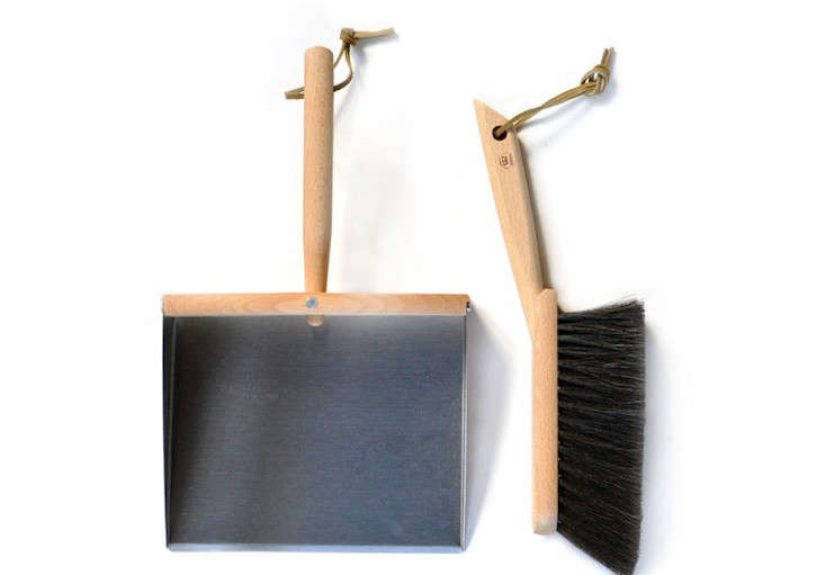
The classic version usually includes:
- A hand broom with dense natural bristles
- A metal dustpan that feels sturdy rather than flimsy
- Wooden handles, often oiled or stained beechwood
- Thoughtful storage details, such as hanging loops or magnetic pairing
Many German-made sets prioritize craftsmanship and natural materials over flashy gimmicks. That means fewer rattly plastic joints, fewer awkward angles, and more attention to how the broom glides, how the dustpan sits on the floor, and how the set stores when not in use.
Why People Love This Style of Dustpan and Brush Set
1. It picks up fine dust better than many cheap sets
One of the biggest reasons people seek out a German hand broom set is performance on fine debris. High-quality natural bristles, especially horsehair or split horsehair, are known for their softness and flexibility. That makes them especially handy for sweeping up small particles like dust, sand, flour, and dry crumbs without sending them flying into a secondary zip code.
If your current dustpan situation requires three passes, two sighs, and a pep talk, this upgrade starts to make sense fast.
2. It is gentler on floors
Natural-bristle hand brooms are often a smart match for delicate indoor surfaces. On sealed wood, tile, stone, and smooth flooring, a softer broom can collect debris without the harsh scraping feel that some stiff synthetic bristles create. That is one reason design-minded and floor-conscious shoppers keep returning to these sets.
3. It is built to stay out, not hide in shame
Let’s be honest: a German dust pan and hand broom often looks good enough to leave out in the open. With beechwood, metal, leather loops, and simple shapes, it reads more “practical home object” than “emergency plastic scoop from aisle 14.” If you care about utility tools looking decent in your kitchen, mudroom, or pantry, that matters.
4. It can be a more sustainable choice
Many premium German-style sets use renewable or biodegradable materials such as wood, natural hair, or plant fiber. That does not automatically make every set eco-perfect, of course, but compared with throwaway plastic alternatives, a durable natural-material tool often has longer staying power and less disposable energy.
Key Materials That Make the Difference
Beechwood handles
Beechwood shows up often in German cleaning tools because it is durable, smooth, and comfortable to hold. Oiled beechwood develops character over time and tends to look better with age instead of simply looking “older.” It brings a warm, tactile feel to an otherwise ordinary tool.
Stainless steel or coated metal dustpans
A sturdy metal dustpan is one of the most noticeable upgrades over a cheap set. It resists warping, feels more stable during use, and usually handles repeated scooping better. Some designs include deeper pans or ridges that help keep debris from tumbling back onto the floor like it has unfinished business.
Horsehair bristles
Horsehair hand brooms are especially prized for indoor cleanup. They are soft, flexible, and effective at gathering fine dust. If your mess is mostly dry debris on smooth floors, horsehair is often the star player.
Split horsehair
Some brooms use split horsehair, which is even finer and especially good at collecting tiny particles. The trade-off is that finer bristles usually need a lighter touch. This is not the brush for treating your floor like you are trying to start a campfire.
Arenga or tougher plant fibers
For rougher jobs or outdoor spaces, some German-style hand brushes use stronger natural fibers like arenga. These bristles are better suited to patios, workshops, garage corners, and gritty entryways where softness matters less than toughness.
Where a German Dust Pan & Hand Broom Works Best
Kitchen cleanup
This is where the set earns its rent. A hand broom is perfect for toast crumbs, coffee grounds, dry baking spills, sugar scatter, and that mysterious ring of debris that appears around pet bowls five seconds after cleaning.
Entryways and mudrooms
Fine sand and dry dirt collect fast near doors. A quality hand broom makes quick cleanup easy without hauling out a full-size vacuum every time someone walks in like they just returned from an archaeological dig.
Fireplace and woodstove areas
A sturdy dustpan and brush set can be useful around hearths for ash and dry debris, though you should always make sure the material and intended use match the mess. Hot ash and delicate indoor bristles are not a happy couple.
Workshops, porches, and patios
If you choose a version with tougher fibers, a German hand brush can also handle sawdust, dry leaves, potting soil, and outdoor debris. Just do not expect one soft indoor broom to excel at every job from marble tile to muddy boots. That is asking a lot from a humble brush.
How to Use It the Right Way
Technique matters more than people think. A hand broom works best when the dustpan lip sits as flush to the floor as possible and the debris is swept in with short, controlled strokes. Fast, wild flailing only makes the dirt nervous.
For finer natural bristles, especially split horsehair, a pulling motion is often better than an aggressive pushing motion. That helps preserve the bristles and improves pickup. Indoors, slow and steady usually beats dramatic and theatrical.
How to Choose the Best German Dust Pan & Hand Broom
Choose bristles by mess type
- Horsehair: best for fine indoor dust and delicate floors
- Split horsehair: excellent for very fine particles
- Arenga or tougher fibers: better for coarser dirt and outdoor areas
Look at dustpan shape and edge
A good dustpan should sit low enough to gather debris cleanly and deep enough to keep it there. If the edge is awkward or the pan is too shallow, you will spend your mornings sweeping the same oatmeal flake in circles.
Check storage features
Magnetic pairing, leather loops, and nesting handles are not just pretty details. They help keep the set accessible, and tools that are easy to grab tend to get used more often. That is how homes stay cleaner: not through guilt, but through convenience.
Match the tool to your floor
If you have hardwood, tile, or stone and want to avoid harsh scraping, softer natural bristles make sense. If your main problem is coarse dirt at the back steps, go sturdier.
How to Care for a Natural-Bristle Hand Broom
A well-made German dust pan and hand broom can last for years if you treat it like a real tool and not like a prop in a rage-cleaning montage.
Basic care tips
- Shake out loose dust and hair regularly
- Wash bristles occasionally with lukewarm water and mild soap or detergent
- Press out excess moisture gently with a towel
- Air-dry thoroughly, ideally hanging or with bristles pointed downward when appropriate
- Do not store the broom damp
- Condition unfinished or oiled wood as needed with an appropriate wood-safe oil
Also, do not use soft indoor horsehair bristles for soaking-wet messes, greasy sludge, or outdoor abuse. They are elegant little workers, not tiny superhero mops.
Is It Worth the Price?
That depends on what you value. If you want the cheapest possible tool to disappear into a closet and maybe crack in a year, probably not. But if you appreciate durable materials, better small-mess cleanup, and tools that feel satisfying to use, then yes, a German dustpan and brush set can absolutely be worth it.
The value is not just in the materials. It is in the daily experience. Good grip. Better control. Less plastic. Better pickup of dust and crumbs. Easier storage. A tool you actually want to use. Those small differences add up because this is the kind of object you reach for constantly.
In other words, it is not really about buying a fancy dustpan. It is about buying a version of an everyday tool that finally behaves like it respects your time.
Who Should Buy a German Dust Pan & Hand Broom?
- People with hardwood, tile, or other smooth floors
- Anyone who deals with constant kitchen crumbs or entryway grit
- Homeowners trying to reduce disposable plastic tools
- Design lovers who want functional objects that also look good
- Anyone tired of dustpans that leave a smug little line of debris behind
Final Thoughts
The German dust pan & hand broom may sound like a niche home accessory, but its appeal is refreshingly practical. It combines sturdy materials, efficient sweeping, and thoughtful design in a way that makes ordinary cleanup easier and strangely more pleasant. That is no small achievement in the glamorous world of crumbs and floor grit.
If you choose the right bristle type, care for it properly, and use it where it shines, a good German-style set can become one of the handiest tools in the house. It will not change your life in the cinematic sense. But it may change how you feel when you spill coffee grounds at 6:30 in the morning, and frankly, that is the kind of realistic home improvement most of us can use.
Experience: Living With a German Dust Pan & Hand Broom
There is a particular kind of satisfaction that comes from using a tool that does exactly what it should do without drama. That is the real experience of owning a German dust pan and hand broom. It is not flashy. It does not beep. It does not connect to Wi-Fi. It simply handles everyday messes with the calm confidence of an object that knows its purpose.
For many people, the first surprise is how different the broom feels in the hand. The wooden handle tends to feel warmer and more solid than plastic, and the balance often feels more natural during use. Instead of gripping a flimsy handle and hoping the bristles cooperate, you get a more controlled sweeping motion. It sounds minor, but when you are brushing up coffee grounds, cracker crumbs, or tracked-in sand, the difference is obvious.
Then there is the sound. Cheap plastic brooms often scrape, chatter, or flick debris around like they are auditioning for a percussion ensemble. A natural-bristle hand broom is usually quieter and smoother. On tile or sealed wood, it glides more than it clacks. That softer contact makes routine cleanup feel less aggressive and more precise. It is a small sensory detail, but it changes the mood of the task.
Another common experience is that people start using the set more often because it is easier to grab and nicer to leave out. When a dustpan and brush are stored neatly on a hook, nested together, or held by a magnet, they become part of the room instead of a hidden emergency tool. That means quicker cleanups and less temptation to ignore little messes until they become bigger ones. One minute you are sweeping up a bit of flour by the counter, and the next you realize your whole kitchen is staying cleaner because the barrier to action is lower.
There is also a strange pleasure in how capable the tool feels with ordinary debris. Bread crumbs, dry rice, pet kibble dust, potting soil, fireplace residue, and fine grit near the doorway all seem less irritating when the broom actually gathers them instead of scattering half of them sideways. You stop doing the awkward “sweep, miss, curse softly, sweep again” routine. The dustpan feels more cooperative, and the broom feels less like it is freelancing.
Over time, the experience becomes less about novelty and more about rhythm. You notice the wood aging nicely. You notice that a quick shake-out and occasional wash keep the bristles working well. You notice that the tool still looks respectable even after real use. That is the quiet charm of well-made household equipment: it settles into daily life and earns its place without begging for attention.
Perhaps the best way to describe the long-term experience is this: a German dust pan and hand broom makes small cleaning tasks feel less like interruptions and more like brief resets. You spill something, you sweep it up, and you move on. No wrestling with flimsy edges. No cracked plastic hinge. No feeling like you lost a battle to three grains of sugar. Just a simple, capable tool doing a simple, necessary job well. In a home full of disposable stuff, that can feel surprisingly luxurious.