Table of Contents >> Show >> Hide
- Why Fleas Keep Coming Back
- Step 1: Treat Every Pet at the Same Time
- Step 2: Deep Clean the Places Fleas Love Most
- Step 3: Treat the Home, Not Just the Air
- Step 4: Don’t Forget the Yard
- Step 5: Follow Up or the Fleas Will
- Common Mistakes That Make Flea Problems Worse
- When to Call a Veterinarian or Pest Professional
- Real-World Experiences: What a Flea Battle Actually Feels Like
- Conclusion
- SEO Tags
Finding fleas in your home can make you feel like you have lost a tiny, jumpy war against invisible confetti. One minute your dog is scratching. The next minute your socks are under attack, your couch feels suspicious, and you are vacuuming like you are auditioning for a cleaning competition. The good news: you can get rid of fleas. The less fun news: it takes a plan, patience, and a little consistency.
If you want to remove fleas in your home for good, you need to think bigger than the pet. Fleas are not just hanging out on your dog or cat like freeloading hitchhikers. Most of the flea population in an infestation is actually in the environment as eggs, larvae, and pupae hiding in carpets, upholstery, cracks in floors, and pet bedding. That is why quick fixes often fail. Killing a few adult fleas is satisfying, but it is not the same thing as ending the problem.
This guide walks you through the smartest way to remove fleas in your home, protect your pets, avoid common mistakes, and keep the little jumpers from staging a comeback tour.
Why Fleas Keep Coming Back
Before you start the anti-flea campaign, it helps to know what you are fighting. Fleas have a life cycle with four stages: egg, larva, pupa, and adult. The adults are the ones you notice because they bite and jump. The other stages are the reason infestations can drag on.
Adult fleas lay eggs on pets, but those eggs do not stay put. They fall into carpeting, rugs, furniture, floor cracks, and bedding. Then they hatch into larvae, which hide in dark places and feed on organic debris. After that, they enter the pupal stage inside a cocoon. This is the flea’s armored bunker. Pupae are notoriously hard to kill, and they can wait around until vibrations, warmth, or carbon dioxide signal that a host is nearby.
Translation: you may treat your home, feel victorious for a few days, and then suddenly see fleas again. That does not always mean your plan failed. It often means new adults are emerging from cocoons you did not know were there. Annoying? Absolutely. Normal? Also yes.
Step 1: Treat Every Pet at the Same Time
If you have pets, this is non-negotiable. You cannot remove fleas in your home if the animals keep serving as an all-you-can-eat buffet. Every pet in the household needs to be treated at the same time, including the indoor cat who acts offended by sunlight and the dog who thinks the backyard is his kingdom.
What to do first
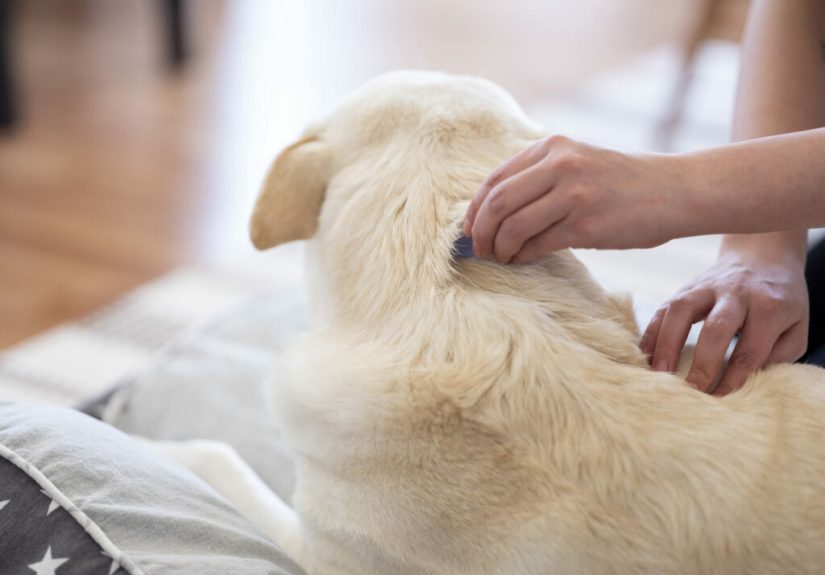
- Use a flea comb to remove adult fleas and flea dirt.
- Give your pet a bath if appropriate for the species and coat type.
- Talk to your veterinarian about the best flea preventive or treatment.
- Continue year-round flea prevention after the infestation is gone.
Not all flea products are equal, and not all of them are safe for every animal. Dogs and cats are not interchangeable furry roommates when it comes to flea medicine. A product labeled only for dogs should never be used on cats. Some dog flea products can be toxic to cats, so read every label like it is a final exam.
For many households, the most effective long-term approach includes veterinarian-recommended oral or topical flea control products. Products that kill adult fleas help reduce biting fast, while insect growth regulators can help interrupt reproduction. A flea shampoo may help with immediate cleanup, but it is usually not enough by itself for long-term control. Think of it as opening the game, not winning it.
Step 2: Deep Clean the Places Fleas Love Most
Once the pets are treated, move on to the home. This is where many people either go all in or give up halfway through because they vacuumed once and expected a standing ovation from the carpet. Flea removal works best when you are thorough.
Start with laundry
Wash all pet bedding, blankets, throws, and any family bedding where pets sleep. Use hot, soapy water when the fabric allows. Dry thoroughly. If old pet bedding is heavily infested and beyond saving, replacing it may be the easiest path to sanity.
Vacuum like you mean it
Vacuuming is one of the best first steps for flea control. It removes adult fleas, eggs, larvae, dried blood, pet hair, and debris that flea larvae use as food. It also disturbs cocoons, encouraging adult fleas to emerge so they can be caught or exposed to treatment.
Focus on:
- Carpets and rugs
- Upholstered furniture
- Under cushions
- Along baseboards
- Cracks and crevices in floors
- Under beds and furniture
- Any spot where your pet sleeps, lounges, sheds, or dramatically flops down
In the early phase of an infestation, daily vacuuming is ideal. If that feels unrealistic, aim for very frequent, targeted vacuuming around hot spots. Afterward, empty the canister outdoors or seal and discard the bag so fleas do not get a chance to crawl back out like tiny action heroes.
Consider steam cleaning
Steam cleaning can help kill fleas in multiple life stages, especially in carpets and upholstery. It is particularly useful in areas where pets spend a lot of time. Just remember that cleaning and treatment timing matters. If you use a residual insecticide spray indoors, do not steam clean over it right away and cancel out its lingering effect.
Step 3: Treat the Home, Not Just the Air
If the infestation is moderate or severe, cleaning alone may not be enough. You may need to treat the home environment with a product labeled for indoor flea control. The best results usually come from targeting the areas where fleas actually develop instead of spraying everything in sight like you are filming a dramatic pest-control montage.
What kind of product helps?
Look for products designed for flea control in homes that include:
- An adulticide to kill biting adult fleas
- An insect growth regulator (IGR) such as methoprene or pyriproxyfen to disrupt eggs and larvae
This combination matters because killing adult fleas alone is like mopping the kitchen while the sink is still overflowing. You need to cut off the next generation too.
Where to apply treatment
Concentrate on the places pets use most:
- Carpets near pet beds
- Throw rugs
- Under furniture
- Edges of rooms and floor cracks
- Upholstered furniture, especially under cushions
Hardwood, tile, and concrete floors usually need more vacuuming than spraying, unless the product label specifically directs otherwise.
What about flea bombs or bug foggers?
They are popular because they sound easy. Unfortunately, fleas do not care about your desire for convenience. Total-release foggers often miss the hidden places where flea larvae and pupae actually live. They can also pose risks to people and pets if used improperly. In most cases, targeted treatment is more effective than filling a room with pesticide mist and hoping the fleas politely surrender.
If you use any flea treatment product indoors, read the label carefully, keep pets and people off treated areas until they are fully dry, and follow every precaution. This is especially important in homes with children, cats, fish tanks, or anyone with asthma or other respiratory conditions.
Step 4: Don’t Forget the Yard
Outdoor flea treatment is not always necessary, but it can help if your pets spend time outside or if your infestation keeps bouncing back. Fleas outdoors usually cluster in shaded, humid areas where pets rest, crawl under porches, nap near shrubs, or patrol the fence line like underpaid security guards.
Outdoor flea hot spots
- Dog houses and kennels
- Shady areas under decks or bushes
- Leaf piles and brush piles
- Areas near pet bedding or outdoor resting spots
Improve the yard environment by mowing the lawn, removing debris, and opening up areas to sunlight where possible. Flea larvae do not thrive in sunny, dry conditions. If treatment is needed, target only the areas where pets spend time rather than spraying the entire yard like you are trying to impress the neighbors.
Also try to reduce wildlife and rodent traffic. Stray animals, opossums, and rodents can help reintroduce fleas to your property. Store pet food securely, manage trash properly, and avoid creating cozy shelter zones for uninvited furry guests.
Step 5: Follow Up or the Fleas Will
This is the step people most often skip. Then they wonder why the fleas are back and acting like they pay rent.
Because pupae are protected inside cocoons, you should expect continued emergence for days or even weeks after your first cleanup and treatment. That means follow-up matters. Continue vacuuming, washing bedding, and keeping pets on effective flea control. Depending on the severity of the infestation, you may need more than one round of treatment according to the label directions.
Moderate to severe infestations can take weeks to bring under control, and some cases may stretch longer. Do not mistake “I saw two fleas after treatment” for “nothing worked.” Instead, look for a clear downward trend. Fewer bites, fewer fleas on the comb, less scratching, and fewer sightings around pet areas are signs you are winning.
Common Mistakes That Make Flea Problems Worse
- Treating only the pet: The home environment is usually the bigger part of the problem.
- Ignoring one pet: Fleas love loopholes. Treat every pet in the household.
- Using the wrong product: A dog-only product on a cat is a dangerous mistake.
- Relying on home remedies: Garlic, brewer’s yeast, random essential oils, and gimmicky gadgets are not a reliable flea solution.
- Stopping too early: Flea cocoons can make the infestation seem “new” again after you think you are done.
- Using foggers as a shortcut: Easy does not always equal effective.
When to Call a Veterinarian or Pest Professional
Sometimes DIY flea control is enough. Sometimes it turns into a full-time emotional support project. Contact your veterinarian if your pet is losing hair, has red or infected skin, seems lethargic, or if you are unsure which flea product is safe. Pets with flea allergy dermatitis can react dramatically even to a small number of bites.
Call a licensed pest professional if:
- The infestation is severe
- You have treated correctly and still see heavy flea activity after several weeks
- The home was recently vacant and seems to have an established flea population
- You are uncomfortable applying indoor pesticides yourself
There is no shame in bringing in reinforcements. Even great generals hire specialists.
Real-World Experiences: What a Flea Battle Actually Feels Like
One of the most common experiences people describe is the moment they realize the fleas are not “just on the dog.” It often starts with a pet scratching more than usual. Then someone notices little black specks on the pet bed, or a tiny jumper on a sock, or mysterious ankle bites after sitting on the couch. At first, many homeowners hope it is a small problem. By day three, they are lifting sofa cushions like detectives in a crime show.
Another frequent experience is frustration after the first round of cleanup. A family may wash every blanket, vacuum the entire house, treat the pets, and still spot fleas a week later. That is when discouragement sets in. People assume the treatment failed, when in reality they are seeing newly emerged adults from pupae that were already hiding in the environment. This part is mentally exhausting because the house looks clean, the pets seem better, and yet the problem is not fully gone. Flea removal tests your patience almost as much as your vacuum cleaner.
Pet owners also talk about how flea control changes daily routines for a while. Laundry piles grow. Vacuuming becomes a regular appointment instead of a vague household intention. Pet bedding gets washed more often than some people wash their favorite hoodie. Families begin paying close attention to where pets nap, where they scratch, and whether one corner of the rug seems suspiciously popular with the enemy.
Homes with multiple pets often report a key lesson: if one animal is treated and another is missed, the fleas find the loophole immediately. Indoor cats are especially famous for getting overlooked because they never go outside, but fleas are not checking ID at the door. If they get into the home on another pet, a person, or a used item, they will gladly settle in.
There is also the emotional side of dealing with fleas that people do not talk about enough. It is unsettling to feel like your home has become hostile territory. You may start avoiding the rug, inspecting your ankles, and side-eyeing every tiny speck of lint. Parents worry about kids. Pet owners feel guilty even when they are doing everything right. That is why it helps to remember that flea infestations are common and fixable. They are not a sign that your home is dirty or that you have failed your pets.
The best experiences, of course, come at the end. The scratching slows down. The comb comes up clean. The vacuum no longer feels like a weapon of war. Your dog naps without chewing at his tail. Your cat stops glaring at you for the bath incident. Life gets normal again. And when homeowners look back, the people who succeed are usually the ones who stopped searching for a miracle shortcut and committed to a full plan: treat the pets, clean the house, target the hotspots, repeat the steps, and keep prevention going. Fleas are persistent, but consistent people are worse for them.
Conclusion
If you want to remove fleas in your home, the secret is not one magic spray, one heroic vacuum session, or one bubble bath for the dog. It is a layered approach. Treat every pet, wash and vacuum thoroughly, use targeted home treatment when needed, clean up the yard if it is part of the problem, and stick with follow-up long enough to break the flea life cycle.
Fleas are stubborn, but they are beatable. With the right plan, your home can go from itchy chaos back to peaceful normal. And your ankles can finally stop living in fear.