Table of Contents >> Show >> Hide
- The 2-Minute Diagnosis: What Kind of Smell Are You Fighting?
- Step 1: Remove the Source (Because No Deodorizer Beats Reality)
- Step 2: Deep Clean the Fridge (The Non-Gross Way)
- Step 3: Deodorize Like a Pro (Baking Soda Isn’t Your Only Option)
- Food Safety: The Clean Fridge Smells Better (And Keeps You Safer)
- How to Keep Your Fridge Smelling Fresh (Without Deep Cleaning Every Weekend)
- Troubleshooting: When the Fridge Still Smells After Cleaning
- Extra: Real-World Fridge Odor Experiences (Common Scenarios + What Actually Worked)
- Experience 1: “I Cleaned Everything… and It Still Smells Like Old Soup.”
- Experience 2: “The Fridge Smells Fine, but the Ice Tastes Weird.”
- Experience 3: “It Smells Like Onions Even Though There Are No Onions.”
- Experience 4: “The Smell Is MustyLike Damp Towels, But… Colder.”
- Experience 5: “My Fridge Smells Worse Right After I Cleaned It.”
- Conclusion
- SEO Tags
If your refrigerator smells like a science fair project that got funding, you’re not alone. Fridge odors are rarely “mystery smells” (even when they feel personal).
They’re usually a simple combo of: (1) spoiled food, (2) tiny spills you can’t see, and (3) a fridge that’s doing its jobcirculating air and politely sharing aromas.
The good news: you don’t need harsh chemicals or a full emotional reset. You need a game plan.
This guide walks you through a practical, expert-backed approach: find the source, deep clean the right way, deodorize effectively, and prevent the stink from coming back
like an unwanted sequel. Bonus: you’ll also learn the “sneaky” spots most people miss (hello, drip tray), plus what to do when baking soda isn’t cutting it.
The 2-Minute Diagnosis: What Kind of Smell Are You Fighting?
Before you start scrubbing like you’re auditioning for a cleaning show, take 120 seconds to identify the smell typebecause the fix depends on the cause.
- Sour or rotten: spoiled dairy, produce, leftovers, or a forgotten takeout container.
- Fishy: seafood packaging leaks, or freezer odor transferring to ice.
- Onion/garlic funk: uncovered cut onions, garlic cloves, or strong cheeses.
- Musty/mildewy: moisture + crumbs + time (often in gaskets, drawers, or the drip tray).
- “Chemical” smell: rarely foodmore often a spilled cleaning product, old odor absorber, or something stored improperly.
Quick rule: if you can smell it immediately after opening the door, it’s usually inside the main compartment. If it builds slowly, it may be hidden (drain, drip tray, gasket, or vents).
Step 1: Remove the Source (Because No Deodorizer Beats Reality)
Odor absorbers are helpful, but they are not magical erasers. If spoiled food is still in there, baking soda is basically sitting in the corner, doing deep breathing exercises.
Start here:
Do a “Trash First” Sweep
- Throw out anything moldy, slimy, leaking, or suspicious. If it makes you hesitate, it’s auditioning for the trash.
- Check door shelves (condiments age quietly but dramatically).
- Scan the back cornersitems migrate there like they’re trying to avoid rent.
Contain What Stays
- Put leftovers in airtight containers (especially anything with garlic, onions, fish, or spicy sauces).
- Keep raw meat/seafood sealed and placed low to prevent drips onto other foods.
- Wipe sticky jars and bottles before returning themoutside grime becomes inside smell.
Step 2: Deep Clean the Fridge (The Non-Gross Way)
Deep cleaning isn’t complicated, but it works best in the right order. Think: remove, wash, rinse, dry, then deodorize. Drying mattersodor loves moisture.
What You’ll Need
- Dish soap + warm water
- Microfiber cloths or non-scratch sponges
- Baking soda (gentle scrub + odor help)
- White vinegar (good for mildew odors and general wipe-downs)
- Old toothbrush (for corners, tracks, gasket grooves)
- Optional: a food-safe sanitizer step (only after washing; follow label instructions)
- Trash bag + cooler/ice packs for food
1) Empty the Fridge (Yes, All of It)
Put perishables in a cooler. This gives you access to the real troublemakers: the sticky ring under the jam jar, the mystery drip under the crisper, and the “it’s probably fine” container.
2) Remove Shelves and Drawers
Wash removable parts in warm, soapy water. If glass shelves are cold, let them come to room temp firstsudden temperature changes can crack glass.
Dry everything completely before reinstalling.
3) Clean the Interior Walls and Floor
Start with warm, soapy water. For stuck-on spills, use a baking soda paste (baking soda + a little water) as a gentle scrub.
Follow with a rinse wipe (plain water) so residue doesn’t trap future smells.
4) Target Odor Hotspots People Miss
- Drawer tracks and corners: crumbs hide here like they’re playing hide-and-seek professionally.
- Door shelves and seams: small leaks run downward and dry into odor glue.
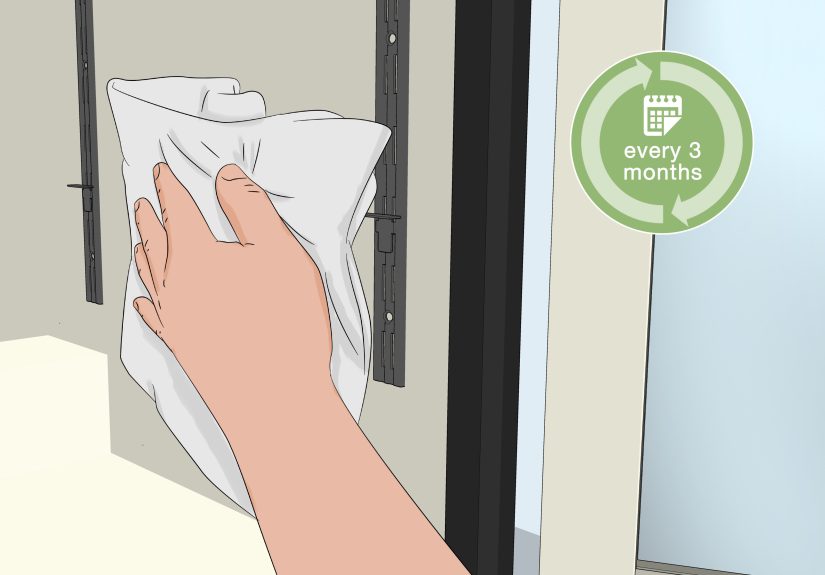
- Air vents and fan covers (if accessible): wipe carefullydon’t flood vents with liquid.
5) Clean the Door Gasket (The Smell’s Favorite Zip Code)
The rubber gasket around the door can collect moisture, crumbs, and mildew. Wipe it with warm water and mild soap, then use a toothbrush to get into folds.
Dry thoroughly. If the gasket is cracked or not sealing, odors can worsen because the fridge struggles to stay cold and dry.
6) Don’t Forget the Drip Tray (The “Why Does It STILL Smell?” Culprit)
Many fridges have a drip tray underneath (often near the back) that catches condensation. Over time, it can develop a musty smell.
Check your manual for access instructions. If you can reach it safely, remove and wash it with warm soapy water, rinse, and dry. This single step solves a lot of “I cleaned everything and it still reeks” cases.
Step 3: Deodorize Like a Pro (Baking Soda Isn’t Your Only Option)
Once the fridge is clean and dry, deodorizing works dramatically better. You’re now removing leftover odor moleculesnot trying to defeat an entire spoiled onion with a powdery box.
Option A: Baking Soda (Classic for a Reason)
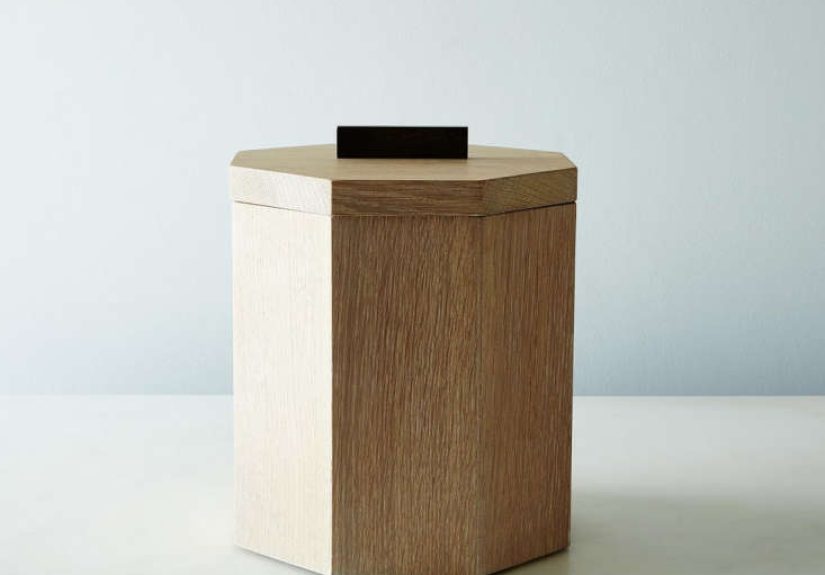
- Place an open box or a shallow dish of baking soda on a shelf (back corner is ideal).
- Replace regularly (monthly is a common guideline for best performance).
- For stronger odors, use two containers: one high, one low.
Option B: Activated Charcoal (Heavy-Duty Odor Absorber)
Activated charcoal is excellent for stubborn smells and can outperform baking soda for certain odor types. Use a bowl of activated charcoal (or a charcoal deodorizer designed for fridges).
Keep it away from spills and replace per product guidance.
Option C: Coffee Grounds (Good for “Food Funk”)
Coffee grounds can help mask and absorb mild odors. They’re best as a short-term helper, not a substitute for cleaning. If your fridge smells like “espresso shrimp,” you’ve gone too far.
Option D: Vinegar (For Musty/Mildew Notes)
A vinegar-and-water wipe can help with mildew-type odors, especially after a power outage or moisture issue. If the vinegar smell bothers you, air out the fridge for a bitfresh airflow helps.
Food Safety: The Clean Fridge Smells Better (And Keeps You Safer)
Odors often show up alongside food safety issuesleaks, spoiled items, and temperature problems.
Aim to keep your fridge at 40°F (4°C) or below. Use an appliance thermometer if you don’t have a built-in reading.
If the fridge is too warm, food spoils faster and smells worseyour nose is basically a tiny alarm system.
Smell-Based Throw-Out Rules (Simple and Sensible)
- If it smells “off,” discard iteven if the date says it’s fine.
- If a container leaked, assume nearby items might have been exposedwipe and inspect.
- When in doubt with high-risk foods (meat, seafood, dairy), don’t gamble.
How to Keep Your Fridge Smelling Fresh (Without Deep Cleaning Every Weekend)
The secret to a fresh fridge is not heroic scrubbing. It’s small habits that stop odors before they set up camp.
Weekly “Mini Reset” (10 Minutes)
- Do a quick scan for leftovers past their prime.
- Wipe obvious spills immediately (especially raw meat juices and milk).
- Check the crisper drawers for produce turning into compost.
Storage Habits That Prevent Odors
- Airtight containers for leftovers and cut produce.
- Wrap strong foods (onion, garlic, cheese, seafood) or store in sealed bins.
- Label leftovers with datebecause “mystery soup” always loses.
- Use fridge bins to catch drips and make wipe-ups easy.
Maintenance That Helps (Quietly, but Powerfully)
- Wipe door handles and shelves regularly (sticky residue becomes stink).
- Keep the gasket clean and dry.
- Replace water filters as recommended (ice and water can carry odors if systems are neglected).
- Don’t overload the fridgeairflow matters for consistent cooling and odor control.
Troubleshooting: When the Fridge Still Smells After Cleaning
If you’ve cleaned, dried, and deodorized, but the smell is still hanging around like it pays rent, run through this checklist.
1) Check the Drip Tray Again
It’s common for odors to persist if the drip tray wasn’t cleaned or fully dried.
2) Inspect for Hidden Leaks
Pull out the bottom drawers and look for dried spills underneath. Also check the back wall and vent area for residue.
3) Clean Removable Parts Thoroughly (Including Undersides)
Shelves and drawers can trap drips underneath. Wash both sides, rinse, and dry completely.
4) Upgrade Your Odor Absorber
If baking soda isn’t enough, switch to activated charcoal for a few days, or use both together (separate containers).
5) Temperature Check
If the fridge isn’t staying cold enough, food will spoil faster and produce persistent odors. Confirm it’s at or below 40°F (4°C).
If temperatures fluctuate, consider checking the door seal, airflow, and whether vents are blocked.
Safety Note: Don’t Mix Cleaners
Never combine bleach with vinegar, ammonia, or other cleaners. If you sanitize with bleach (optional), do it only after washing, use the correct dilution, and rinse/wipe as needed.
When in doubt, stick to dish soap + water, then deodorize with baking soda or charcoal.
Extra: Real-World Fridge Odor Experiences (Common Scenarios + What Actually Worked)
Since fridge smells are a universal human experience (right up there with losing one sock in the laundry), here are common real-life scenarios people run into
and the fixes that tend to work best. If any of these feel oddly specific, congratulations: you are living a normal life with groceries.
Experience 1: “I Cleaned Everything… and It Still Smells Like Old Soup.”
This usually happens when the visible shelves are clean, but a hidden spill dried underneath a drawer or in a corner seam.
People often wipe the top surfaces, put everything back, and the smell returns the moment the fan circulates air again.
The fix: remove drawers, check the tracks, and wipe the floor beneath themespecially the back corners. A baking soda paste can lift dried syrupy spills.
After that, a final rinse wipe and thorough drying make a big difference. Then add activated charcoal for 48–72 hours if the odor has “settled in.”
Experience 2: “The Fridge Smells Fine, but the Ice Tastes Weird.”
This is common when strong-smelling foods (fish, garlic-heavy leftovers, freezer-burned items) share space with ice.
Ice absorbs odors more easily than people expect. The fix: tightly wrap strong foods, use airtight containers, and keep an open box of baking soda in the freezer area if possible.
If the taste persists, toss old ice, wash the bin (if removable), and make a fresh batch. Also consider whether a water filter is overdue for replacement.
Experience 3: “It Smells Like Onions Even Though There Are No Onions.”
Cut onions, garlic cloves, and certain cheeses can leave odor behind, especially if stored uncovered or in thin wrap.
People often remove the item but forget the “odor footprint” on shelves and nearby packaging.
The fix: wipe the area with warm soapy water, rinse, and dry. Then deodorize with baking soda or charcoal.
Going forward: store cut onions in a sealed container (not just plastic wrap), and consider a dedicated bin for strong-smelling items.
Experience 4: “The Smell Is MustyLike Damp Towels, But… Colder.”
Musty odors often point to moisture issues: a damp crisper drawer, a dirty gasket groove, or a drip tray that has turned into a tiny swamp.
People tend to clean shelves but skip rubber seals and anything “underneath.”
The fix: clean the gasket folds gently, dry them well, and check the drip tray if your model has one.
Make sure drawers are fully dry before reinserting, and avoid storing wet produce without a breathable bag or liner.
Experience 5: “My Fridge Smells Worse Right After I Cleaned It.”
This can happen if cleaning residue remains (especially fragranced cleaners), or if vinegar smell lingers without ventilation.
Another common cause: items went back into the fridge while parts were still damp, giving odor-causing microbes a humid vacation.
The fix: do a quick plain-water wipe to remove leftover cleaner, then dry thoroughly.
Leave the door open for 10–20 minutes (if safe to do so), or run an odor absorber like charcoal for a day.
And yessometimes the simplest fix is letting everything dry fully before restocking.
The big takeaway from these scenarios: fridge odors are rarely a “one product” problem. They’re a process problem.
Find the source, clean the hidden zones, dry thoroughly, then deodorizeand your fridge will go back to smelling like… well, nothing. Which is the dream.
Conclusion
Getting rid of bad smells in your fridge comes down to four moves: remove the source, deep clean the interior (including gaskets and hidden areas),
dry everything completely, then use a smart deodorizer strategy (baking soda for everyday, activated charcoal for stubborn odors).
Once your fridge is fresh, simple weekly habitsquick toss checks, wipe-ups, airtight storage, and temperature controlkeep it that way.
Your future self (and your yogurt) will thank you.