Table of Contents >> Show >> Hide
- Why Millie Bobby Brown’s Fallon Appearance Went Viral
- The Problem With “She Looks Too Adult” Commentary
- From Eleven to Adult Star: A Career Built in Public
- Why the Fallon Comparisons Hit So Hard
- Fashion Criticism vs. Appearance Policing
- The Role of Algorithms in Turning Style Into Scandal
- What Fans Are Really Responding To
- Why Brown’s Response Matters Beyond Celebrity Gossip
- Experience-Based Reflections: What This Debate Teaches Readers
- Conclusion: The Real Story Is Growth, Not Shock
Millie Bobby Brown has grown up in front of millions of people, which sounds glamorous until you remember that millions of people also have thumbs, Wi-Fi, and opinions they treat like emergency weather alerts. Her December 2025 appearance on The Tonight Show Starring Jimmy Fallon became the latest flashpoint in a familiar internet debate: why do audiences struggle so much when a former child star stops looking like the version of themselves we met years ago?
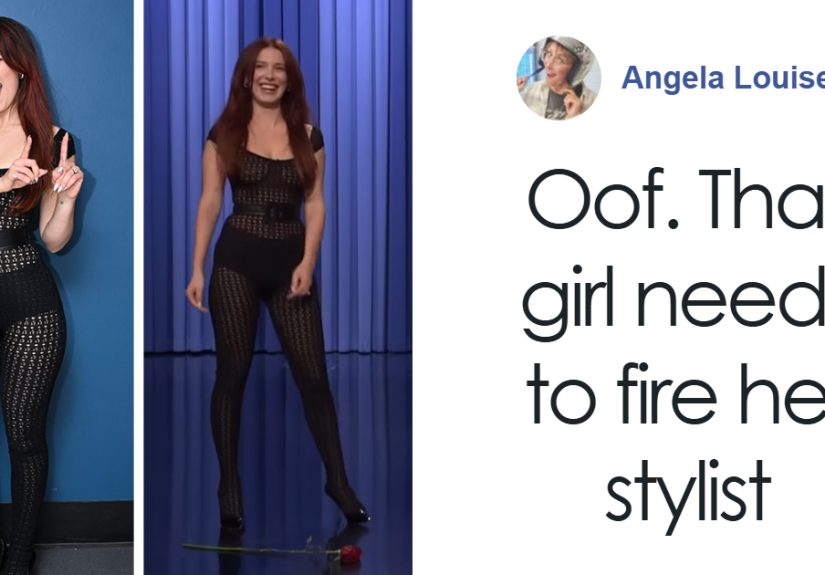
The conversation began after Brown co-hosted the late-night show alongside Jimmy Fallon during the final Stranger Things press cycle. Her sheer black knit outfit quickly became a trending style topic, but the fashion discussion soon turned into something bigger. Fans compared her current Fallon appearance with older clips from 2016, when she first appeared as a young breakout star from Netflix’s supernatural hit. Some viewers joked that the “girl skipped 20s,” while others criticized the look as too “adult.” The comment was catchy, but the reaction revealed something far more complicated than one outfit.
At the center of the debate is not only celebrity fashion, but also nostalgia, parasocial memory, online beauty standards, and the uncomfortable habit of treating women’s growth as public property. Brown is not frozen in Hawkins, Indiana. She is not Eleven in a hospital gown forever. She is an actor, producer, entrepreneur, wife, mother, and fashion risk-taker entering a new phase of public life. The internet, however, sometimes behaves like a confused time traveler who opened TikTok and shouted, “Wait, weren’t you twelve yesterday?”
Why Millie Bobby Brown’s Fallon Appearance Went Viral
Brown’s latest Fallon moment arrived during a major career milestone. Stranger Things 5 marked the end of one of Netflix’s biggest cultural phenomena, with the final season released in three parts: Volume 1 in November 2025, Volume 2 on Christmas Day, and the finale on New Year’s Eve. Naturally, the cast’s promotional appearances carried extra emotional weight. For Brown, who became internationally famous through the role of Eleven, each interview doubled as both a marketing stop and a farewell lap.
On The Tonight Show, Brown did more than sit for a standard interview. She co-hosted segments, joined Fallon for comedy bits, participated in games, and leaned into the celebratory energy of the show. Her outfita dark, sheer knit look styled with a belt and polished glamfit the bolder fashion language she had been using throughout the final season press tour. It was not an isolated style experiment. It followed a run of dramatic red carpet choices, including gothic, sheer, structured, and method-dressing-inspired looks tied to the mood of Stranger Things.
But because Brown has appeared on Fallon multiple times since the early days of Stranger Things, fans had an easy comparison tool. Side-by-side posts showed a young Brown in 2016 and a grown Brown in 2025. That contrast, compressed into a few seconds of scrolling, created the illusion that time had skipped. Of course, time did not skip. The audience simply blinked between viral eras.
The Problem With “She Looks Too Adult” Commentary
The phrase “too adult” sounds harmless at first, almost like a style note. But when applied to a woman who has already spent years defending her right to grow up, it becomes loaded. Brown has repeatedly addressed how uncomfortable it is to have strangers dissect her face, clothes, accent, makeup, and maturity level. She has pointed out that many people first met her as a child and still expect her to resemble that child forever.
That expectation is unfair for anyone, famous or not. Most people would not want their middle school photos used as a permanent public contract. Imagine showing up to a family dinner at age 22 and having relatives say, “Hmm, bold choice not to look like your seventh-grade yearbook photo.” You would probably leave before dessert, and honestly, who could blame you?
For Brown, the issue is magnified by celebrity culture. Every haircut becomes a theory. Every lipstick shade becomes a debate. Every dress becomes evidence in a case no one asked to prosecute. The commentary often pretends to be concern, but it can easily slide into policing. There is a difference between discussing fashion and suggesting that a grown woman is aging incorrectly, dressing incorrectly, or disappointing fans by no longer matching their childhood memory of her.
From Eleven to Adult Star: A Career Built in Public
Millie Bobby Brown’s public image is unusual because audiences watched her transition from child actor to adult star in real time. She debuted as Eleven in Stranger Things, a character defined by vulnerability, supernatural power, shaved hair, oversized clothes, and wide-eyed silence. That image became instantly iconic. It also became sticky. Many viewers emotionally attached Brown herself to the character’s early innocence.
As the show grew, Brown grew too. She became the face of major films, launched beauty and fashion ventures, produced projects, walked international red carpets, and built a brand beyond Hawkins. Yet some audiences still react as though her adulthood is a plot twist. The problem is not that fans remember her early work fondly. Nostalgia is normal. The problem begins when nostalgia becomes a cage.
Brown’s evolving fashion choices reflect a larger shift in her career. During the Stranger Things 5 rollout, she leaned into darker, more dramatic silhouettes that matched the final season’s mood. She also experimented with vintage references, sheer textures, corsetry, gothic glam, and confident styling. In fashion terms, this is not unusual. Press tours often have visual themes. Stars use clothing to tell a story, build anticipation, and signal creative transformation.
Why the Fallon Comparisons Hit So Hard
Late-night television has become a kind of visual scrapbook for celebrities. Fallon clips, YouTube interviews, Instagram reels, and red carpet photos allow fans to revisit someone’s entire career arc in minutes. That can be sweet. It can also be disorienting.
When viewers compared Brown’s earliest Fallon appearances with her 2025 co-hosting slot, they were really reacting to time. The same show, the same host, the same starbut a totally different life stage. In 2016, she was a young actor helping introduce a strange little Netflix series that would become a pop culture monster. By 2025, she was helping close the book on that series as one of its defining faces.
That is a major transformation. But transformation is not scandal. It is the basic operating system of being human. The internet simply has a habit of treating normal growth like breaking news.
Fashion Criticism vs. Appearance Policing
There is room to discuss celebrity fashion thoughtfully. People can love or dislike an outfit. A sheer knit catsuit can be praised as bold, critiqued as overstyled, analyzed as part of a trend, or compared with other press tour looks. Fashion is visual culture, and visual culture invites opinion.
However, criticism becomes uncomfortable when it stops discussing the styling and starts judging the person’s maturity, morality, or worth. Saying “the belt didn’t work for me” is fashion commentary. Saying “she is trying too hard to look grown” is personal projection. Saying “this outfit fits the gothic press tour mood” is analysis. Saying “she skipped her twenties” may be a viral joke, but it also reinforces the idea that women must age in a way that strangers find emotionally convenient.
Brown’s situation shows how easily online commentary blurs those lines. The outfit became less about fabric and styling and more about whether audiences were comfortable seeing her as an adult. That discomfort says more about the audience than the outfit.
The Role of Algorithms in Turning Style Into Scandal
Social media rewards strong reactions. A calm post saying “Millie Bobby Brown wore a sheer black knit outfit on Fallon, and it aligns with her recent press tour aesthetic” will not travel as far as “She skipped her 20s!” Algorithms love shock, contrast, and emotional whiplash. They especially love before-and-after comparisons because they are instantly understandable and easy to argue about.
That is why celebrity appearance debates often explode beyond their original context. A single outfit becomes a referendum on aging. A makeup look becomes a rumor factory. A haircut becomes a personality diagnosis. Suddenly, everyone is an expert stylist, dermatologist, psychologist, and auntie at the family reunion.
The viral framing also encourages people to respond quickly rather than thoughtfully. When users see a side-by-side image, they may react to the shock of time passing without considering the years of work, pressure, and personal growth behind it. The result is a feedback loop where public figures are constantly forced to defend the revolutionary act of not remaining children.
What Fans Are Really Responding To
Many fans who commented on Brown’s changed appearance may not have intended harm. Some were simply surprised. Some were nostalgic. Some were reacting to styling. Others were repeating a viral phrase without thinking too deeply about it. But intent does not erase impact.
Brown’s journey reminds us that child stars occupy a strange space in public imagination. Audiences feel like they “know” them, because they watched them grow. But watching someone on a screen is not the same as knowing them. The person has a private life, personal preferences, changing tastes, and the right to evolve without requesting public permission.
For fans, the healthier response is to separate memory from ownership. You can love young Eleven. You can cherish the early Stranger Things era. You can feel emotional seeing the cast grow up. But that does not mean Brown owes anyone a permanent visual connection to 2016.
Why Brown’s Response Matters Beyond Celebrity Gossip
Brown has been direct about the harm caused by constant appearance criticism. Her message matters because the issue extends beyond celebrities. Young women, especially, are often judged for maturing too quickly, too slowly, too visibly, too confidently, or not according to someone else’s taste. The rules change constantly. Be natural, but polished. Be stylish, but not too bold. Grow up, but do not look grown. Be confident, but not too confident. It is exhausting just reading the imaginary handbook.
When a high-profile actor pushes back, it challenges the idea that public commentary is consequence-free. It also gives everyday readers a chance to rethink how they engage with viral posts. Not every thought needs to become a comment. Not every outfit needs a moral review. Not every celebrity photo needs to be treated like a group project with no deadline and too many editors.
Experience-Based Reflections: What This Debate Teaches Readers
The Millie Bobby Brown Fallon debate feels familiar because most people have experienced some version of it, even without fame. Maybe you changed your style after high school and someone said, “Wow, you look different,” in a tone that felt less like a compliment and more like a suspicious airport interview. Maybe you tried a bold outfit and suddenly became the subject of a group chat. Maybe you posted a photo after years of staying private and someone reacted as if your adult face personally betrayed them.
That is why this story connects beyond entertainment news. It touches the ordinary awkwardness of becoming yourself while other people still remember an older version of you. Growth often makes observers uncomfortable because it forces them to update their mental files. Some people handle that update gracefully. Others act like their emotional software has crashed.
For readers, the first lesson is simple: style is experimentation, not a sworn statement. A sheer outfit, a dramatic hairstyle, a bold lipstick, or a vintage-inspired dress does not summarize a person’s character. It is one look on one day. Fashion should leave room for curiosity, mistakes, reinvention, and fun. Nobody should have to dress like a committee-approved version of their younger self.
The second lesson is about digital restraint. Before commenting on someone’s appearance, it helps to ask: Would I say this to their face in a room full of people? Would I want this said about my sister, daughter, friend, or younger self? Am I discussing the outfit, or am I judging the person? These questions do not remove humor or opinion from the internet. They simply add a little humanity, which the internet could use in bulk quantities.
The third lesson is that nostalgia should be handled carefully. Loving an actor’s early role does not mean rejecting their adulthood. Brown’s early Fallon appearances are charming because they captured a specific moment in pop culture history. Her later appearances are meaningful because they show how far she has come. Both can exist without one being used against the other.
Finally, the conversation shows that celebrity culture is most interesting when we analyze systems instead of bodies. The better story is not whether Brown looked “too adult.” The better story is why audiences struggle to let young stars grow, why algorithms reward appearance criticism, and why women’s self-presentation remains such a public battleground. That angle gives readers something useful to think about after the trending post disappears.
Conclusion: The Real Story Is Growth, Not Shock
Millie Bobby Brown’s latest Fallon appearance became viral because it placed her past and present in the same frame. The internet saw a child star it remembered and an adult woman standing confidently in her current style. Some people applauded. Some criticized. Some reached for jokes. But beneath the noise, the story is not really about one sheer outfit.
It is about the discomfort audiences feel when famous young women grow up publicly. It is about the difference between fashion commentary and personal judgment. It is about the way nostalgia can become possessive when fans forget that actors are real people, not characters paused on a streaming menu.
Brown does not need to “skip” any decade to explain herself. She is simply living through them in real time, as everyone does. The rest of us can either keep arguing with the calendar or accept the obvious: people grow, style evolves, and nobody owes the internet a childhood rerun.
Note: This article is written for editorial commentary and media analysis. It discusses public fashion coverage, fan reactions, and celebrity culture without encouraging appearance shaming or invasive speculation.