Table of Contents >> Show >> Hide
- What Is a Hand-Thrown Faceted Candleholder?
- The Beauty of Handmade Ceramic Candleholders
- How a Hand-Thrown Faceted Candleholder Is Made
- Popular Styles of Faceted Candleholders
- How to Style a Hand-Thrown Faceted Candleholder
- Choosing the Right Candle for Your Candleholder
- Candle Safety Tips for Ceramic Candleholders
- How to Care for a Hand-Thrown Faceted Candleholder
- Why a Hand-Thrown Faceted Candleholder Makes a Great Gift
- What to Look for Before Buying
- Experience Notes: Living With a Hand-Thrown Faceted Candleholder
- Conclusion
Some home accessories sit quietly in the background. A hand-thrown faceted candleholder does not. It catches light, throws shadows, shows off the maker’s fingerprints, and somehow makes an ordinary Tuesday dinner feel like it was styled by someone who owns linen napkins on purpose. Small? Yes. Dramatic? Also yes. That is the charm.
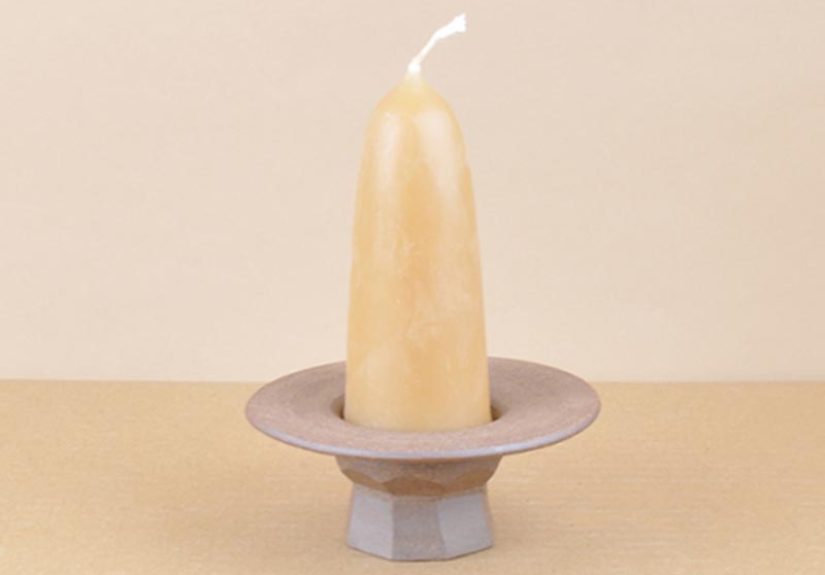
A hand-thrown faceted candleholder is more than a place to park a candle. It is a piece of ceramic art shaped on the pottery wheel, trimmed by hand, carved or cut into facets, then fired into a durable object that can live on a dining table, mantel, bedside shelf, console, or quiet corner that needs a little glow. The faceted surface gives it texture and personality. The hand-thrown form gives it warmth. Together, they create the kind of decorative candle holder that looks collected, not manufactured.
In a world full of mass-produced home décor, handmade ceramic candleholders bring back something delightfully human: slight variations, tactile surfaces, earthy glazes, and those tiny imperfections that make an object feel alive. No two are exactly alike, which is excellent news for anyone tired of owning décor that looks like it was cloned in a warehouse during a lunch break.
What Is a Hand-Thrown Faceted Candleholder?
A hand-thrown faceted candleholder is a candleholder made from clay on a potter’s wheel, then shaped with flat, angled cuts or planes around the surface. These cuts are called facets. They may be subtle and soft, bold and geometric, or somewhere in between. The result is a sculptural ceramic candleholder that plays beautifully with light.
The phrase “hand-thrown” refers to the wheel-throwing process. A potter centers clay on a rotating wheel, opens the form, pulls the walls upward, and refines the shape by hand. After the piece firms up to a leather-hard stage, the maker may trim the base and carve facets into the sides using a wire tool, knife, loop tool, or rib. The candleholder is then dried, bisque fired, glazed, and fired again to maturity.
Why the Facets Matter
Facets are not just decoration. They change the way the candleholder feels in the hand and how it behaves in a room. A smooth candleholder reflects light softly; a faceted candleholder breaks that light into angles. When a taper candle, tea light, or small pillar candle burns nearby, the edges create shifting highlights and shadows. It is a small design detail with a big visual payoff.
Faceting also gives a handmade ceramic candleholder a more architectural personality. It can look rustic, modern, minimalist, farmhouse-inspired, Scandinavian, wabi-sabi, or quietly luxurious depending on the clay body, glaze, proportions, and candle style. That flexibility is exactly why this piece works in so many homes.
The Beauty of Handmade Ceramic Candleholders
Handmade pottery has a visual language of its own. You can often see where the maker’s hand lifted the wall, where the trimming tool refined the foot, and where glaze pooled slightly at an edge. A hand-thrown faceted candleholder carries those details proudly. It is not trying to look machine-perfect. It is trying to look honest.
That honesty matters in modern interiors. Many people are choosing home accessories that feel slower, more intentional, and more tactile. Ceramic objects, especially handmade ones, offer texture without shouting. They add warmth to spaces with clean lines and bring balance to rooms filled with glass, metal, or polished surfaces.
Texture Adds Depth to a Room
A room without texture can feel flat, even when the furniture is expensive. A faceted candleholder solves that problem quickly. Place one on a wooden table, beside a linen runner, near a stack of books, or in front of a mirror, and suddenly the surface has movement. The angled ceramic planes create contrast against soft textiles, smooth marble, woven baskets, and natural wood.
Texture is especially powerful in neutral interiors. A white, cream, charcoal, terracotta, or speckled stoneware candleholder can stand out without breaking the calm color palette. It gives the eye something to enjoy without making the room look busy.
Imperfection Makes It Personal
The tiny differences in handmade pottery are part of the appeal. A slightly uneven rim, a glaze variation, or a facet that catches more light than the others can make the candleholder feel personal. It is the opposite of sterile perfection. It is décor with a pulse.
This is why a hand-thrown faceted candleholder makes such a thoughtful gift. It feels special without being overly formal. It says, “I found something beautiful for your home,” not “I panic-bought this while standing near a checkout display.”
How a Hand-Thrown Faceted Candleholder Is Made
The making process is one of the reasons these candleholders feel so valuable. Even a simple-looking piece can involve several days or weeks of work, depending on drying time, studio schedule, and firing conditions.
Step 1: Choosing the Clay
Most ceramic candleholders are made from stoneware, porcelain, or earthenware. Stoneware is especially popular because it is durable, versatile, and well suited to functional home décor. It can be smooth, speckled, sandy, or groggy depending on the clay body. Porcelain gives a more refined look, while earthenware often brings warmer, rustic character.
The clay choice affects the final personality of the candleholder. A dark stoneware body with a matte glaze can feel moody and modern. A pale clay with a translucent glaze can look delicate and airy. A raw or partially glazed surface can lean earthy, organic, and handmade in the best possible way.
Step 2: Throwing the Form
Once the clay is prepared, the potter centers it on the wheel. Centering is one of those skills that looks easy in videos and feels like wrestling a very stubborn bagel when you try it yourself. After centering, the potter opens the clay and forms the shape. The size and profile depend on the intended candle type: taper, votive, tea light, or small pillar.
A good candleholder needs balance. It should have enough weight to feel stable, a base wide enough to resist tipping, and a candle cup or opening that fits securely. The prettiest candleholder in the world is not very useful if it wobbles like a nervous flamingo.
Step 3: Trimming and Faceting
After the piece dries to leather-hard, the potter trims excess clay from the base and refines the silhouette. Then come the facets. The maker may slice vertical planes around the body, carve diagonal cuts, or create a rhythmic pattern that follows the curve of the form.
This stage requires confidence. Cut too little and the facets disappear after glazing. Cut too much and the piece may lose strength or visual balance. The best faceted candleholders look natural, as though the form was always meant to have those angles.
Step 4: Firing and Glazing
After drying completely, the candleholder is bisque fired to harden the clay. Then glaze is applied by dipping, brushing, spraying, pouring, or a combination of methods. The final firing melts the glaze and matures the clay. Depending on the kiln atmosphere and glaze chemistry, the final piece may emerge glossy, matte, satin, speckled, drippy, smoky, or beautifully unpredictable.
That kiln surprise is part of the magic. Ceramic artists may plan carefully, but fire still gets a vote.
Popular Styles of Faceted Candleholders
The hand-thrown faceted candleholder comes in many styles, which makes it easy to match with different interiors. Whether your home leans modern, rustic, cozy, or eclectic, there is likely a ceramic candleholder that fits right in.
Minimalist Stoneware Candleholder
Minimalist versions often use clean lines, neutral glazes, and simple silhouettes. Think ivory, matte white, soft gray, sand, or black. The facets add interest without disrupting the calm look. These work beautifully on modern dining tables, open shelving, and quiet bedroom corners.
Rustic Farmhouse Candleholder
Rustic faceted candleholders may feature warm clay tones, speckled glazes, visible throwing marks, or slightly chunky proportions. They pair well with reclaimed wood, linen, iron accents, dried flowers, and beeswax taper candles. The look is cozy, grounded, and welcoming.
Modern Sculptural Candleholder
Some faceted candleholders are designed almost like small sculptures. They may have exaggerated angles, asymmetrical profiles, bold glaze contrasts, or stacked forms. These are ideal for people who want home décor that starts conversations without requiring guests to pretend they understand abstract art.
Wabi-Sabi Inspired Candleholder
Wabi-sabi style celebrates simplicity, imperfection, and natural aging. A faceted ceramic candleholder with an uneven glaze, raw clay surface, or hand-carved texture fits beautifully into this aesthetic. It looks especially good with handmade tableware, linen textiles, and dried branches.
How to Style a Hand-Thrown Faceted Candleholder
One of the best things about this candleholder is how easily it moves from everyday décor to special-occasion styling. It can look casual at breakfast, elegant at dinner, and quietly dramatic during a power outage. Though, for actual emergency lighting, a flashlight is still the responsible adult in the room.
On a Dining Table
Use one candleholder as a simple centerpiece or group several in varied heights for a layered tablescape. For a relaxed dinner, pair a ceramic candleholder with linen napkins, handmade plates, and a small vase of seasonal flowers. For a more formal look, use matching taper candles and keep the surrounding décor minimal.
Faceted candleholders are excellent for tables because they add visual interest without blocking conversation. Nobody wants to spend dinner trying to make eye contact around a centerpiece the size of a shrub.
On a Mantel or Shelf
A mantel is a natural home for candleholders. Combine a hand-thrown faceted candleholder with framed art, stacked books, small bowls, or a ceramic vase. Odd-numbered groupings often look balanced, so try one candleholder with two other objects of different heights.
On open shelving, use the candleholder as a texture piece even when it is not holding a lit candle. It can stand alone as a small sculpture, especially if the glaze has depth or the facets are bold.
In a Bedroom
A ceramic candleholder can make a bedroom feel softer and more intentional. Place it on a dresser or nightstand with an unlit candle for decorative charm. If you do burn a candle, always keep it away from bedding, curtains, books, and anything flammable. Also, extinguish it before sleep. Cozy is good. Fire drill at midnight is not.
For Seasonal Décor
Hand-thrown faceted candleholders adapt easily to seasonal styling. In fall, pair them with amber glass, dried grasses, pumpkins, and warm beeswax candles. In winter, style them with evergreen sprigs, brass accents, or deep-colored tapers. In spring, use pale candles, fresh flowers, and soft textiles. In summer, keep things airy with white candles, woven placemats, and simple greenery.
Choosing the Right Candle for Your Candleholder
The best candle depends on the candleholder’s design. Some holders are made for taper candles. Others are shaped for tea lights, votives, or small pillars. Always use the size and type recommended by the maker or seller.
Taper Candles
Taper candles are elegant and classic. They work beautifully with narrow ceramic holders that include a properly sized candle cup. If the taper feels loose, use a small amount of candle adhesive or a fitted candle grip. Avoid forcing a candle into an opening because ceramic can crack under pressure.
Tea Lights and Votives
Tea light and votive candleholders are usually lower and wider. They are excellent for coffee tables, bathrooms, outdoor covered patios, and small spaces. Use candles in metal or glass cups when recommended, and make sure the candle sits flat.
Beeswax Candles
Beeswax candles are a natural match for handmade pottery. Their warm golden color looks beautiful against earthy clay and neutral glazes. They also bring a subtle honey-like scent. A faceted candleholder with a beeswax taper is basically the home décor equivalent of a warm cardigan.
Candle Safety Tips for Ceramic Candleholders
A ceramic candleholder may be beautiful, but candle safety still matters. Use candleholders that are sturdy, heat-resistant, and designed for candle use. Place them on a stable surface where they cannot be easily knocked over. Keep burning candles away from curtains, paper, dried flowers, bedding, books, pets, children, and enthusiastic elbows.
Trim candle wicks to about one-quarter inch before lighting to reduce smoking and high flames. Never leave a burning candle unattended, and do not move a candleholder while wax is melted. Keep candles away from drafts, fans, open windows, and vents, since moving air can cause uneven burning or unexpected flame behavior.
For added protection, place ceramic candleholders on a heat-safe tray, plate, or trivet, especially on delicate wood finishes or antique furniture. Even when a holder is ceramic, heat transfer and dripping wax can still affect the surface beneath it.
How to Care for a Hand-Thrown Faceted Candleholder
Care is simple, but a little attention helps preserve the piece. Let the candleholder cool completely before cleaning. Remove cooled wax gently with your fingers or a soft plastic scraper. Avoid metal tools that can scratch glaze or chip edges.
If wax is stubborn, place the candleholder in the freezer for a short time so the wax contracts and becomes easier to lift. Another method is to soften residue with warm water, but avoid sudden temperature changes. Thermal shock can damage ceramics, especially handmade pieces.
Wipe glazed surfaces with a soft damp cloth. For unglazed clay, use a dry cloth or a barely damp sponge to avoid staining. Do not soak handmade ceramics unless the maker says it is safe. If the candleholder has metallic accents, delicate glaze effects, or raw clay surfaces, treat it like art that happens to be useful.
Why a Hand-Thrown Faceted Candleholder Makes a Great Gift
A hand-thrown faceted candleholder is a gift with broad appeal. It works for housewarmings, weddings, birthdays, holidays, host gifts, and “I saw this and thought of you” moments. It feels personal without requiring exact sizing, which is more than we can say for sweaters.
Pair it with a set of beeswax tapers, a handwritten note, or a box of tea lights. For a wedding gift, choose a neutral glaze that can fit many interiors. For a holiday gift, select a warm clay tone or rich glaze. For a design lover, go bold with sculptural facets or an unusual silhouette.
What to Look for Before Buying
When shopping for a handmade ceramic candleholder, look at both beauty and function. Check that the base appears stable and proportionate. Make sure the candle opening matches the type of candle you plan to use. Read the product description for clay type, glaze details, candle compatibility, and care instructions.
Photos can reveal a lot. Look for even balance, clean finishing, and thoughtful proportions. Handmade does not mean sloppy. The best handmade pieces show character and skill at the same time.
Questions Worth Asking
Before purchasing, consider these practical questions: Is it designed for taper candles, tea lights, votives, or pillars? Is the glaze food-safe or heat-safe if that matters to the intended use? Is the bottom finished to protect furniture? Does the maker recommend felt pads, a tray, or a heat-resistant surface? Is the piece dishwasher safe, or should it be hand-cleaned?
These details help you choose a candleholder that is not only beautiful but also easy to live with.
Experience Notes: Living With a Hand-Thrown Faceted Candleholder
The first thing you notice about a hand-thrown faceted candleholder is weight. Not heaviness exactly, but presence. It has a grounded feeling in the hand, especially if it is made from stoneware. Unlike lightweight decorative pieces that feel more like props than objects, this candleholder feels permanent. You set it down, and it seems to claim its little territory on the table.
In daily use, the facets become more interesting than expected. During the day, they catch natural light from windows and create soft shadows along the clay surface. At night, with a candle lit, those same angles come alive. The flame reflects along ridges and planes, making the piece feel different from every side. It is the kind of object you rotate absentmindedly while drinking coffee, then realize you have been admiring it for three minutes like a museum visitor with nowhere urgent to be.
One of the nicest experiences is using it during an ordinary meal. You do not need a grand dinner party. Even soup and toast look better next to a handmade candleholder. The ceramic texture softens the table, while the candlelight makes the room feel calmer. It turns a basic meal into a small ritual. The food does not have to be fancy. The candleholder does some emotional heavy lifting.
It also works well as a styling anchor. On a shelf, it can sit beside a small framed print and a stack of books. On a mantel, it balances taller objects like vases or branches. On a bedside table, it adds warmth without taking up too much space. The faceted shape makes it decorative even when the candle is unlit, which is important because most candles spend more time being looked at than burned.
Another pleasure is noticing the handmade details over time. Maybe the glaze is slightly thicker near one facet. Maybe the foot ring shows a trimming line. Maybe the clay has tiny speckles that appear only in certain light. These details make the candleholder feel like a quiet companion rather than a generic accessory. It becomes part of the room’s memory.
There is also a practical learning curve. You quickly discover which candles fit best, which surfaces need protection, and how to remove wax without being dramatic about it. A candle snuffer becomes useful. So does trimming the wick. You learn to keep the candleholder away from drafts and to place it where sleeves, napkins, pets, and curious children will not turn ambiance into an incident report.
Over time, a hand-thrown faceted candleholder can become one of those objects that moves with you from room to room. It may start on the dining table, migrate to a bookshelf, spend winter on the mantel, then reappear on an outdoor covered table during a summer evening. That versatility is part of its value. It does not depend on a single trend or season.
The best experience, though, is the feeling that someone made it with attention. In a home filled with screens, cords, appliances, and objects designed to be replaced, a handmade ceramic candleholder offers a slower kind of beauty. It asks for very little: a stable surface, the right candle, a bit of care, and maybe a moment to enjoy the glow. In return, it gives texture, warmth, and a small daily reminder that useful objects can still have soul.
Conclusion
A hand-thrown faceted candleholder is a small object with impressive range. It is functional enough for everyday use, artistic enough for display, and personal enough to feel meaningful as a gift. Its faceted surface brings texture and movement, while its ceramic body adds warmth, durability, and handmade charm.
Whether styled on a dinner table, mantel, shelf, or bedside dresser, this candleholder proves that good design does not need to be loud. Sometimes it simply needs clay, fire, light, and a few well-placed angles. Add a candle, follow basic safety rules, and enjoy the glow like a person who absolutely has their life togethereven if there are dishes in the sink.
Note: Use only candles that fit securely in the holder, place the candleholder on a stable heat-resistant surface, and never leave a burning candle unattended.