Table of Contents >> Show >> Hide
- What Are Handblown Vaas Vases?
- How Handblown Glass Vases Are Made
- What Makes Handblown Vaas Vases Different From Regular Glass Vases?
- Popular Styles of Handblown Vaas Vases
- How to Choose the Right Handblown Vaas Vase
- How to Style Handblown Vaas Vases at Home
- Best Flowers for Handblown Glass Vases
- How to Care for Handblown Vaas Vases
- Are Handblown Vaas Vases Worth It?
- Buying Tips for Handblown Vaas Vases
- Experience Section: Living With Handblown Vaas Vases
- Conclusion
Some home decor pieces politely sit in the background. Others walk into the room, toss their hair back, and say, “Yes, the flowers are lovely, but have you seen me?” Handblown Vaas vases belong firmly in the second group.
The phrase “Vaas Vases” has a charming little twist: “vaas” translates to “vase” in Dutch, so the title has a playful double-vase energy. But beyond the wordplay, the idea points to something timeless: handblown glass vessels made with heat, breath, movement, and a surprising amount of human nerve. These are not ordinary containers. They are sculptural pieces that can hold tulips, dried branches, wildflowers, or absolutely nothing at alland still look like they deserve better lighting.
In a world full of machine-made decor, handblown glass vases offer something refreshingly imperfect. Tiny bubbles, soft asymmetry, color swirls, organic rims, and slight variations in thickness are not defects. They are the fingerprints of the process. A handblown glass vase says, “I was made, not copied.” That matters whether you are styling a minimalist apartment, a cozy cottage, a modern dining room, or a bookcase that currently looks like it gave up around 2019.
This guide explores what makes handblown Vaas vases special, how they are made, how to style them, how to choose the right one, and how to care for them without turning your elegant glass vessel into a tragic household incident.
What Are Handblown Vaas Vases?
Handblown Vaas vases are artisan glass vases shaped by hand using traditional glassblowing techniques. In the most basic sense, molten glass is gathered on the end of a blowpipe, inflated with air, shaped with tools, reheated, refined, and slowly cooled so the finished piece becomes stable. In the most poetic sense, it is a dance between fire, gravity, breath, and someone who knows exactly when to stop before the whole thing becomes a very expensive puddle.
Unlike mass-produced glass vases, each handblown vase has its own personality. One may have a tall column shape with a narrow mouth, perfect for single stems or eucalyptus. Another may have a wide belly and flared rim that makes roses, peonies, or hydrangeas look relaxed and full. Some are crystal clear; others carry smoky gray, cobalt blue, amber, green, pink, or speckled effects. Some are sleek enough for a modern loft, while others have a dreamy, vintage, almost Murano-inspired feel.
Why the Word “Vaas” Works So Well
Because “vaas” already means vase, the phrase “Vaas Vases” sounds memorable, stylish, and slightly international. For SEO, it also gives the topic a distinct identity. Readers searching for handblown Vaas vases may be looking for handmade glass decor, blown glass flower vases, modern glass vessels, artisan home accents, or collectible art glass. The keyword has enough uniqueness to stand out, while the product category remains familiar.
How Handblown Glass Vases Are Made
The making of a handblown glass vase begins with heatserious heat. Glassmakers gather molten glass from a furnace onto a blowpipe. The glass at this stage is glowing, elastic, and alive-looking, almost like honey if honey could casually ruin your shoes. The artist rolls the glass on a smooth surface called a marver, adds color if needed, blows air through the pipe, and shapes the form with tools, gravity, rotation, and timing.
The piece may be reheated again and again in a chamber known as a glory hole to keep it workable. If the glass cools too quickly during shaping, it can crack or stiffen before the artist finishes. Once the vase reaches the desired form, it is transferred to a pontil rod so the rim can be opened and finished. This process may leave a pontil mark on the bottom, which is often one clue that the piece was individually worked by hand.
Finally, the vase goes into an annealing oven, where it cools slowly. This step matters because glass can hold internal stress. Cooling too fast can lead to cracking later, even if the piece looks perfect at first. So yes, a good handblown vase needs patience. Apparently, glass has better emotional boundaries than most of us.
What Makes Handblown Vaas Vases Different From Regular Glass Vases?
1. Every Piece Is Slightly Unique
Mass-produced vases are designed for sameness. Handblown Vaas vases are designed for character. The rim may wave slightly. The body may lean into a soft organic curve. The color may pool more deeply in one area than another. These small differences are part of the appeal.
2. They Capture Light Beautifully
Glass is not just a material; it is a light performer. A clear handblown glass vase can make water, stems, and petals look crisp and fresh. Colored glass can cast soft reflections across a table or windowsill. Speckled, bubbled, or ribbed surfaces add texture without visual clutter.
3. They Work With or Without Flowers
A good handblown vase does not need a bouquet to justify its existence. Empty, it can function as sculpture. Filled, it becomes part of the floral arrangement. That double-duty quality makes artisan glass vases especially useful for people who love home decor but do not want to buy objects that only look good twice a year when guests come over.
4. They Bring Craft Into Everyday Spaces
There is something grounding about living with handmade objects. A handblown Vaas vase brings the studio into the home. It reminds you that someone shaped it in real time, not by clicking “duplicate” on a production line.
Popular Styles of Handblown Vaas Vases
Clear Glass Vaas Vases
Clear glass is the little black dress of vase design. It works almost everywhere. Clear handblown glass vases are perfect for fresh flowers because they let the stems become part of the display. They also suit minimalist interiors, coastal rooms, Scandinavian-inspired spaces, and modern dining tables.
Colored Glass Vases
Colored handblown vases can turn a room from “nice” to “oh, you have taste.” Amber adds warmth. Blue feels calm and collected. Green connects easily with plants and natural wood. Pink or plum creates a soft artistic accent. Smoke gray feels sophisticated without being dramatic about it.
Speckled and Bubble Glass Vases
Speckled glass and controlled bubbles add visual texture. These designs are especially attractive when placed near natural light. The tiny inclusions catch brightness and make the vase feel lively, even when it is empty.
Bud Vases
Small handblown bud vases are ideal for single stems, herbs, tiny wildflowers, or a single dramatic bloom. They are also wonderful for tables because they do not block conversation. Nobody wants to spend dinner speaking to a hydrangea wall.
Statement Vases
Large handblown glass vases can anchor a console table, fireplace mantel, entryway, or dining room. These pieces often look best with simple arrangements: tall branches, dried grasses, lilies, or sculptural stems. When the vase itself is bold, the flowers do not need to shout.
How to Choose the Right Handblown Vaas Vase
Match the Vase to Your Flowers
Before choosing a vase, think about what you plan to put in it. Tall stems need height and stability. Heavy blooms need a wider base. Loose garden flowers look beautiful in rounded vessels. Single stems shine in narrow-necked bud vases. If you buy flowers often, choose a versatile medium-height vase with a stable bottom and a mouth wide enough for casual bouquets.
Consider the Room’s Color Palette
A clear vase is the safest option, but color can create magic. If your room uses warm wood, brass, cream, or terracotta, amber or honey glass can feel rich and natural. If your decor leans modern, smoky gray or deep blue can look sleek. For soft, romantic rooms, blush, lavender, or pale green glass works beautifully.
Look at the Shape
Shape determines function. A cylinder vase feels clean and modern. A bulbous vase gives arrangements room to spread. A narrow-neck vase controls stems and makes even grocery-store flowers look intentional. A wide-mouth vase creates drama but may require more flowers or a floral grid to keep stems from flopping like tired spaghetti.
Check the Weight and Balance
Handblown glass can vary in thickness. A heavier base is helpful if you plan to display tall branches or large bouquets. Lightweight vases can be elegant, but they may not be ideal for homes with pets, small children, or adults who gesture too enthusiastically while telling stories.
How to Style Handblown Vaas Vases at Home
On a Dining Table
Use low or medium-height vases so guests can see each other. A row of small handblown bud vases down the center of the table feels elegant without becoming fussy. Try one stem per vase for a modern look, or mix herbs and flowers for a relaxed garden-table mood.
On a Mantel
A mantel is a natural stage for glass. Group three vases in different heights, but keep the colors connected. For example, combine clear, pale blue, and smoky gray glass. Add one branch arrangement in the tallest vase and leave the smaller ones empty to keep the display from looking crowded.
In an Entryway
An entryway vase sets the tone for the whole home. A large handblown Vaas vase with seasonal branches can make a strong first impression. In spring, use cherry blossoms or tulips. In summer, try wildflowers. In fall, go for dried grasses. In winter, evergreen stems look classic and smell like you have your life together.
On Open Shelving
Glass vases are perfect for shelves because they break up books, ceramics, and boxes with transparency and shine. Place a small colored vase beside stacked books or pair a clear vase with a framed print. Leave breathing room around the vase so light can pass through it.
Beside the Bed
A small handblown bud vase on a nightstand adds softness without clutter. One rose, one ranunculus, or one stem of greenery is enough. This is the kind of tiny luxury that makes Monday morning feel slightly less rude.
Best Flowers for Handblown Glass Vases
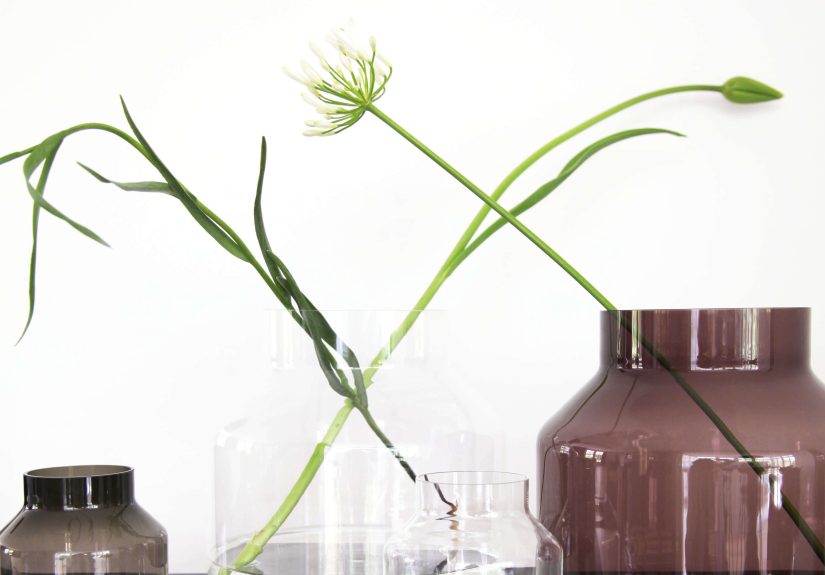
Handblown glass vases pair well with many flowers, but some combinations are especially reliable. Tulips look graceful in clear or pale green glass because their curved stems echo the organic movement of the vessel. Roses work well in rounded vases with medium openings. Peonies and hydrangeas need supportive shapes with enough room for their large heads. Lilies, gladiolus, and branches suit taller vases with weight at the base.
For a modern arrangement, try one type of flower in a single color. For a more relaxed look, mix focal flowers, filler flowers, and greenery. If the vase has a strong color or pattern, keep the flowers simple. If the vase is clear and minimal, you can be more adventurous with the bouquet.
How to Care for Handblown Vaas Vases
Clean Gently
Use lukewarm water, a soft cloth, and mild soap when needed. Avoid abrasive scrubbers, harsh chemicals, and rough brushes that can scratch or dull the surface. If the vase has a narrow neck, use a soft bottle brush rather than poking around with utensils. A spoon is for soup, not vase surgery.
Do Not Shock the Glass
Avoid sudden temperature changes. Do not pour boiling water into a cold vase or place a very cold vase under hot water. Thermal shock can crack glass, especially if the piece has varied thickness.
Change Flower Water Often
Fresh water helps flowers last longer and reduces cloudy residue inside the vase. Rinse the vase after each use and dry it carefully. Letting old flower water sit for days can leave mineral marks, odors, and a mysterious swamp vibe that no one invited.
Display Safely
Place valuable or delicate handblown vases away from edges, high-traffic areas, and unstable shelves. If you live with cats, assume every surface is a challenge course and plan accordingly.
Are Handblown Vaas Vases Worth It?
Yes, if you value craftsmanship, originality, and decor that does more than fill space. Handblown Vaas vases are not always the cheapest option, but they offer depth that mass-produced pieces rarely match. They can serve as flower vases, sculptural accents, collectible objects, gifts, wedding decor, or heirloom pieces.
The best reason to buy one is simple: it makes you look twice. Good design has that effect. It interrupts autopilot. You walk past the table, catch the curve of colored glass in the afternoon sun, and suddenly your living room feels a little more alive.
Buying Tips for Handblown Vaas Vases
Look for Clear Product Details
Good listings usually mention whether the vase is handblown, mouth-blown, handmade, studio glass, or artisan glass. Measurements should be included, especially height, width, opening diameter, and weight. Photos from multiple angles are helpful because handblown pieces often change character depending on light and viewpoint.
Understand Natural Variations
If the seller notes that each piece may vary slightly, that is normal for handmade glass. Variations in color depth, bubble placement, rim shape, and thickness often make the vase more interesting. However, cracks, sharp unfinished edges, unstable bases, or major leaning should be treated as quality concerns.
Choose Function Before Fantasy
That dramatic oversized vase may look incredible online, but if your table is tiny, it may turn your dinner area into a glass obstacle course. Think about where the vase will live, what flowers you use most, and how often you want to clean it.
Give It as a Gift
A handblown glass vase makes a thoughtful housewarming, wedding, anniversary, or birthday gift. It feels personal without requiring you to guess someone’s clothing size, which is always a dangerous little game.
Experience Section: Living With Handblown Vaas Vases
The first thing you notice when living with a handblown Vaas vase is how often it changes. A ceramic vase looks mostly the same from morning to night, but glass has moods. In early daylight, a clear vase feels crisp and quiet. By late afternoon, it may throw reflections on the wall. At night, near a lamp, colored glass can look deeper and more dramatic, like it has switched outfits for dinner.
One of the best experiences is using a handblown vase with ordinary flowers. You do not need a luxury florist bouquet. A bunch of grocery-store tulips can suddenly look editorial in the right vessel. Cut the stems cleanly, remove leaves below the water line, and let the flowers lean naturally. The slight irregularity of a handmade vase makes casual arrangements look intentional instead of messy.
Another pleasure is discovering where the vase looks best. Sometimes the spot you imagined is not the winner. A blue glass vase may disappear on a dark shelf but glow on a windowsill. A smoky gray vase may look too serious on a dining table but perfect on a stack of art books. A small bud vase may seem underwhelming alone, then become charming when grouped with two others. Styling handblown glass is part design, part experiment, and part moving things around until your room stops arguing with you.
Handblown Vaas vases also teach restraint. Because the vase itself has shape, shine, and personality, it often looks better with fewer stems. One twisting branch, three calla lilies, or a small cluster of ranunculus may be more powerful than a crowded bouquet. This is good news for both your decor and your wallet.
Care becomes part of the ritual too. You learn to rinse the vase soon after flowers fade, dry it carefully, and place it somewhere stable. You become more aware of direct sunlight, table edges, and the reckless enthusiasm of elbows. Owning handmade glass does not mean living in fear; it simply means treating beauty like it deserves a little common sense.
The most satisfying part is that a handblown vase never feels generic. Guests may not know the technique, the maker, or the vocabulary, but they notice the difference. They see the curve, the light, the tiny bubbles, the way the rim is not machine-perfect. And often, they ask about it. That is the quiet power of artisan decor: it starts conversations without yelling for attention.
In daily life, handblown Vaas vases bring a small but real kind of joy. They make flowers look better, shelves feel richer, tables feel finished, and empty corners feel considered. They are practical enough to use and beautiful enough to display. That balance is exactly why they remain popular in modern home decor, from minimalist apartments to layered, collected interiors.
Conclusion
Handblown Vaas vases combine function, artistry, and personality in one luminous object. They are flower holders, sculptural accents, conversation starters, and little reminders that handmade things still matter. Whether you choose a clear bud vase, a smoky statement piece, a colorful speckled vessel, or a tall glass vase for dramatic branches, the right piece can transform a room without demanding a full redesign.
The secret is choosing with intention. Match the shape to your flowers, the color to your room, and the size to your space. Then care for it gently, style it confidently, and let the glass do what glass does best: catch the light and make ordinary moments look a little more special.