Table of Contents >> Show >> Hide
- Why a 4-Peg Hanging Rack Is a Goldilocks Choice
- Common Styles (And What They’re Best For)
- Where to Use a Hanging Rack – 4 Peg (Room-by-Room Ideas)
- How to Choose the Right 4-Peg Rack
- Installation: Make It Secure (So Your Rack Doesn’t Become a Jump Scare)
- Design Tips: How to Make a 4-Peg Rack Look Intentional
- Maintenance and Longevity
- Smart, Specific Examples of 4-Peg Setups
- FAQs
- of Real-World Experience With a Hanging Rack – 4 Peg
There are two kinds of homes: the kind where coats magically hang themselves up, and the kind where a chair becomes a seasonal wardrobe pile. If you live in the second kind (hi, same), a Hanging Rack – 4 Peg is the small, affordable upgrade that makes your entryway look like you have your life togethereven when you absolutely do not.
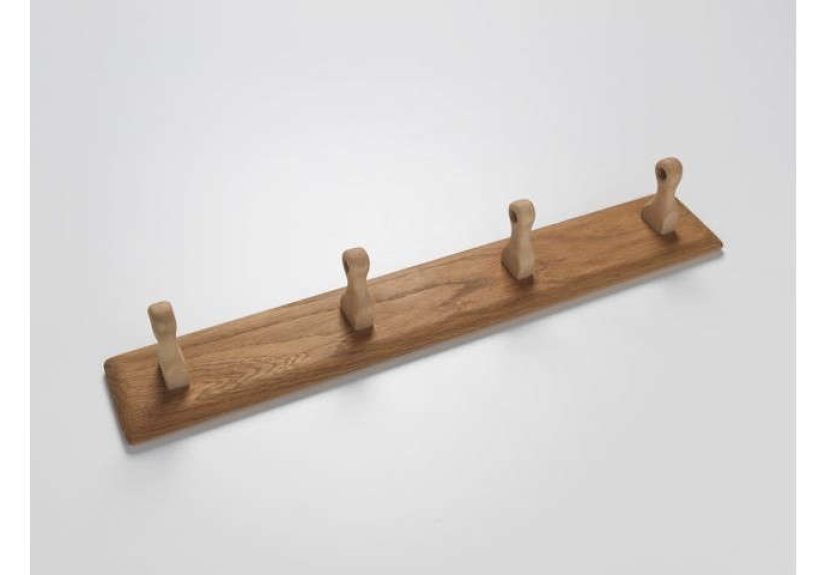
A four-peg hanging rack is exactly what it sounds like: a wall-mounted rail (wood, metal, or a mix) with four pegs/hooks designed to hold everyday grab-and-go stuffcoats, backpacks, dog leashes, towels, aprons, hats, and the mystery tote bag that contains three pens and a receipt from 2019. The “4 peg” format hits a sweet spot: big enough to be useful, small enough to fit almost anywhere, and not so long that it turns into a “hang everything you own” temptation.
Why a 4-Peg Hanging Rack Is a Goldilocks Choice
If you’ve ever tried to organize a tight space, you know the pain of “too small to matter” and “so big it takes over the wall.” A four-peg rack sits right in the middlepractical without becoming a renovation project. Here’s why it works so well:
- Just enough capacity: Four pegs handle a typical household’s daily rotationjackets, keys on a lanyard, a bag, and a leash.
- Cleaner visual footprint: Shorter rails look intentional, not like you installed a locker room.
- Flexible placement: Great for narrow entryways, bathrooms, laundry rooms, closets, offices, dorms, and mudrooms.
- Easy to “zone”: You can dedicate pegs: one per person, or categories like “outdoor,” “work,” “dog,” “misc.”
Common Styles (And What They’re Best For)
1) Classic Rail + Hooks
The most common design: a straight board or bar with four fixed hooks. It’s simple, sturdy, and fits almost any decor style. Choose this if you want something that just works and doesn’t require a design thesis.
2) Peg Rail (Round Pegs Instead of Metal Hooks)
Peg rails often feel softer and more “built-in.” They’re great for towels, scarves, and lightweight bags. If you’re planning to hang heavy winter coats or loaded backpacks daily, look for robust pegs (solid wood, strong mounting points) and a rack designed for higher loads.
3) Flip-Down or Folding Hooks
Hooks that fold up when not in use are perfect for tight hallways where you don’t want to shoulder-check a hook on the way to the kitchen. Also ideal if you like clean lines and minimal “stuff on display.”
4) Rack + Shelf Combo
Many four-hook racks include a small shelf aboveexcellent for mail trays, sunglasses, small baskets, or a plant you promise you’ll water. (No judgment. The plant and I have history.)
Where to Use a Hanging Rack – 4 Peg (Room-by-Room Ideas)
Entryway or Mudroom
This is the rack’s natural habitat. Mount it near the door to create a “drop zone” for coats, bags, and keys. Pair with a small tray or bowl underneath for pocket items, and suddenly your entryway stops functioning as a landing strip for chaos.
Bathroom
A four-peg rack in a bathroom is peak convenience: towels, robes, loofahs (the fancy ones), and that hoodie you refuse to admit is basically a robe. Choose materials that handle humiditysealed wood, stainless, aluminum, or powder-coated metal.
Laundry Room
Hang delicates bags, lint rollers, aprons, cleaning gloves, and “clothes that are not clean enough to put away but too clean to wash again.” You know the ones.
Kitchen
Great for oven mitts, aprons, reusable bags, or even measuring cups on hooks. If it’s near heat or steam, favor metal hooks and a wipeable finish.
Bedroom or Closet
Use it for tomorrow’s outfit, accessories, hats, and small handbags. It’s like a valetbut without the awkward small talk.
Kids’ Zone
Mounted at kid-height, a four-peg rack becomes a tiny independence machine: backpack, jacket, lunch bag, and sports gear all have a home.
How to Choose the Right 4-Peg Rack
Material: Wood vs. Metal vs. Mixed
- Wood rails: Warm, classic, easy to match with trim. Look for sealed/finished wood for durability.
- Metal rails: Modern, durable, often slimmer. Powder-coated finishes handle scuffs well.
- Mixed (wood + metal hooks): The best of both worldsstyle plus strength.
Hook Shape Matters (More Than You’d Think)
Hooks aren’t just decorativethey determine what stays put. If you hang slippery items (like tote straps or thin scarves), choose: double hooks, deeper curved hooks, or hooks with a small lip. Flat pegs can look gorgeous but may require hangers or looped straps for some items.
Spacing and Length
Four pegs typically sit on a rail that’s roughly 12–24 inches long depending on design. More spacing reduces “coat pile-up” (yes, coats can pile). If you live in heavy-coat country or your family loves puffy jackets, prioritize wider spacing or sturdier hooks.
Weight Capacity and Real-Life Loads
Many racks list a weight capacity, but here’s the practical truth: “weight capacity” depends on the rack’s build, the wall type, the anchors used, and whether you mount into studs. A winter coat might not weigh much, but a backpack can be surprisingly heavy especially the kind stuffed with textbooks, a laptop, and snacks “for later” that become snacks “right now.”
If you plan to hang heavy items (backpacks, tool belts, loaded tote bags), choose a rack with strong mounting hardware and mount into studs when possible. If studs aren’t available where you need the rack, select the right drywall anchors and follow their ratings and wall-thickness guidance.
Installation: Make It Secure (So Your Rack Doesn’t Become a Jump Scare)
Best Practice: Hit Studs When You Can
For the most secure mountespecially in an entrywayattach the rack into wall studs. Stud placement can be inconvenient, but you can often align at least one side into a stud, or use a mounting rail system that gives more flexibility.
If You Can’t Hit Studs: Use the Right Anchors
Drywall anchors aren’t all the same. There are lightweight plastic anchors for small loads and heavy-duty toggle-style anchors for larger loads. The “best” anchor depends on your wall material (drywall, plaster, masonry) and what you’re hanging. Always follow the anchor manufacturer’s instructions and the rack’s mounting recommendations.
Quick, Friendly Install Checklist
- Plan the height: Entryways often look best with hooks roughly at shoulder height for adults, or lower if it’s a kid zone.
- Mark level points: Use a level (or a level app in a pinchjust be honest about your risk tolerance).
- Locate studs: A stud finder helps. If you find one stud, you can often infer spacing.
- Pre-drill if needed: Especially for wood screws into studs or certain anchors.
- Mount firmly: Tight, but don’t over-torque and strip the hole.
- Test gradually: Start with light items, then work up to heavier loads.
Design Tips: How to Make a 4-Peg Rack Look Intentional
Give It a “Landing Zone” Buddy
A rack is great, but a rack with a small tray, shelf, or basket underneath is a lifestyle. Add a bowl for keys and earbuds, or a small basket for sunglasses and mail. The goal is to prevent “stuff migration” across every flat surface you own.
Use One Peg for Something Pretty
Reserve one hook for a nice-looking itema woven tote, a felt hat, a scarf you actually like. It keeps the wall from looking purely utilitarian, like you’re about to clock in for a shift at a coat-check counter.
Match Finishes to Nearby Hardware
In an entryway, matching hook finish (black, brushed nickel, brass) to door hardware or nearby light fixtures makes the rack feel built-in, even if you installed it while wearing pajama pants.
Keep It From Becoming “The Hook Jungle”
Four pegs can still get chaotic if everything hangs at once. Try a simple rule: one peg per person, or one peg per category. When the rack is “full,” it’s time to put things awaynot to start stacking items like a hanging Jenga tower.
Maintenance and Longevity
- Check screws seasonally: Heavy use can loosen hardware over time.
- Wipe finishes: Especially in bathrooms and kitchenshumidity and residue happen.
- Protect wood: If wood looks dry or stressed, a gentle clean and appropriate finish touch-up can extend its life.
- Mind sharp edges: In kid zones, choose hooks with rounded ends and smoother profiles.
Smart, Specific Examples of 4-Peg Setups
The “Morning Rush” Entryway
Mount the rack near the door. Assign pegs: Coat, Bag, Keys, Dog Leash. Add a small tray under it for mail. Result: fewer “WHERE ARE MY KEYS” moments, more on-time exits.
The “Tiny Bathroom, Big Energy” Setup
Use a four-peg rack behind the door or near the shower for towels and robes. Choose rust-resistant finishes. Bonus points: add a small shelf above (or a nearby slim shelf) for rolled washcloths so it looks spa-likewithout spa prices.
The “Kids Can Actually Use This” Zone
Mount it lower. Label pegs with names or icons. One peg for backpack, one for jacket, one for lunch bag, one for “sports gear.” You’ll still remind them, but at least the system exists.
FAQs
Is a 4-peg rack strong enough for heavy coats and backpacks?
It can beif the rack is well-built and properly installed. For heavier items, mounting into studs is ideal. If studs aren’t available, choose appropriate anchors for your wall type and follow weight guidance from the rack and anchor manufacturers.
Where’s the best height to mount it?
For adults, generally around shoulder height works well for coats and bags. For kids, mount it lower so they can independently use it. In a mixed household, consider two racks: an adult-height rack and a kid-height rack.
What if my studs don’t line up with the rack holes?
Many racks use a mounting rail or have multiple mounting options. If not, you can often mount one side to a stud and the other with a heavy-duty anchor, or choose a rack design that hides screws behind hooks where you can drill your own mounting points.
of Real-World Experience With a Hanging Rack – 4 Peg
The first time I installed a four-peg rack, I thought the main benefit would be “a place to hang coats.” That’s true, but it’s not the whole story. The real change was psychological: once a rack exists, the brain starts treating it like a rule. Not a strict, scary rule more like a friendly suggestion from your future self that says, “Hey, don’t throw that jacket on the chair again. We have a system now.”
In our entryway, the rack turned out to be less about coats and more about transitions. Coming in the door is a tiny moment of decision-making: keys, bag, jacket, random paper you’re holding. Before the rack, those items spread out like glitter. With the rack, the first three steps became automatic: bag on peg, jacket on peg, keys on the “keys peg” (yes, a dedicated peghighly recommend). It didn’t make us perfect, but it reduced the daily friction. And friction is what turns “I’ll clean later” into “Why do we live like this?”
The second surprise was how much hook shape mattered. A shallow hook looks sleek, but some bag straps will slide off if you so much as breathe near them. Once we switched to deeper, curved hooks (and used one double hook for heavier bags), the rack stopped behaving like a prank. The items stayed put, and the rack became trustworthylike a friend who actually shows up when they say they will.
In the bathroom, a four-peg rack was a game changer for towels. Towels dry better when they can hang freely, and having designated pegs kept the “which towel is whose” mystery from becoming a daily riddle. We also learned the hard way that finish matters. In humid rooms, cheap metal hardware can start looking tired fast. A sealed wood rail with rust-resistant hooks (or a fully powder-coated rack) holds up better and wipes clean more easily.
The best “life hack” ended up being how we assigned pegs. Instead of letting the rack become a free-for-all, we gave each peg a job. One peg was strictly for the dog leash (so it never wandered). One was for a daily bag. One was for jackets. The last peg was the “flex peg” for hats, umbrellas, or whatever was in rotation. That little bit of structure kept the rack from turning into a mini closet explosion.
Finally: install confidence is real. If you mount the rack securelyideally into studs, or with the right anchorsit changes how you use it. You stop gingerly hanging things like the rack is a delicate museum exhibit and start using it like the hardworking home tool it is. A Hanging Rack – 4 Peg doesn’t just hold stuff; it holds the line between “organized” and “living room chair wardrobe.” And honestly? That’s worth it.