Table of Contents >> Show >> Hide
- What Makes a V60 a V60?
- Why the Glass V60 02, Specifically?
- How the V60 Changes the Taste (When You Do Things Right)
- Gear You’ll Want (and What You Can Skip)
- Three Brew Recipes to Get You Started
- Dialing In: Fixing the Three Most Common Problems
- Glass V60 Care: Keeping It Pretty and Functional
- Glass vs. Ceramic vs. Plastic vs. Metal: Which V60 Should You Choose?
- Who the Hario V60 02 Glass Dripper Is For
- Real-World Experiences: Living With a Hario V60 02 Glass Dripper (Extra )
- Conclusion
If you’ve ever watched someone make pour-over coffee like they’re conducting a tiny orchestrakettle in hand, eyes on the scale, swirling like it’s a sacred ceremony
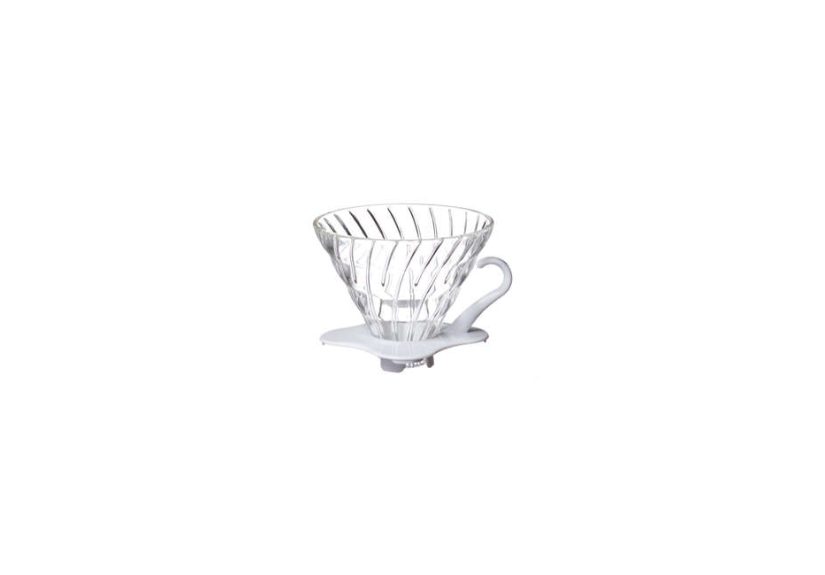
there’s a strong chance a Hario V60 was involved. The Hario V60 02 Glass Coffee Dripper is one of the most recognizable pour-over brewers on the planet,
and the glass version adds a little “science-lab chic” to the whole ritual (which is fitting, because Hario’s reputation was built on glass).
But the V60 isn’t popular just because it looks cool on a countertop. It’s popular because it gives you control. It can highlight juicy fruit notes in a light roast,
tame a heavier medium roast into something smooth and sweet, andyesmake you feel slightly superior at brunch (please use this power responsibly).
What Makes a V60 a V60?
A 60-degree cone that’s not just for aesthetics
The “V” in V60 refers to its V-shaped cone, and the “60” refers to the cone’s angle. That geometry matters: it creates a deeper bed of coffee grounds than many flat-bottom
brewers, which can encourage a more focused extraction and a cup that feels clear and articulatelike your coffee is enunciating.
Spiral ribs + one big hole = you’re in charge now
Inside the dripper, spiral ribs help air escape and prevent the filter from sticking flat against the wall. At the bottom, a single large opening means the
V60 doesn’t “decide” your flow rate for you. Your grind size, your pouring speed, and how much you agitate the bed do the deciding. This is empowering… and also the reason
two people can brew the same beans and end up with cups that taste like they used different planets for water.
Why the Glass V60 02, Specifically?
Heatproof borosilicate glass: clean flavor, clean look
The glass V60 02 uses heat-resistant borosilicate glass for the cone and typically pairs it with a plastic (polypropylene) holder/base. The glass is non-reactive
and doesn’t hold onto odors easily, so yesterday’s dark roast doesn’t haunt today’s Ethiopian. It also lets you see what’s happening: bloom expansion, drawdown speed,
channeling (a.k.a. “why is the water choosing that one weird path?”), and overall extraction behavior.
The 02 size is the “Goldilocks” option
The 02 is the most popular V60 size for a reason: it’s flexible. It can make a single mug without feeling awkwardly oversized, and it can also brew bigger batches when you’re
hostingbecause nothing says “welcome to my home” like handing guests a cup of coffee you timed with a stopwatch.
Depending on your recipe and how you define a “cup,” the 02 commonly covers the range from about 1–2 cups comfortably, up to a larger batch when needed.
Many product listings describe it as roughly 1–4 cups, and some coffee retailers note you can push it close to a liter with the right server and technique.
Practically speaking: if you’re regularly brewing for a crowd, you’ll appreciate the headroom.
How the V60 Changes the Taste (When You Do Things Right)
Clarity and aroma: the V60’s signature move
The V60 is known for producing a cup that’s clean, aromatic, and detail-forwardespecially with lighter roasts and high-quality beans. When your technique is dialed in, you get
sparkling acidity, clear fruit notes, and a finish that doesn’t feel muddy. Think “fresh peach and jasmine” rather than “brown.”
Pour speed is a flavor dial
One reason coffee pros love the V60 is that you can change the cup by changing your pouring strategy. A faster pour can reduce contact time and often keeps things lighter-bodied,
while slower, more controlled pouring can increase extraction and bring out more sweetness and heavier flavor notes. The V60 rewards attention, but it doesn’t require you to be a
wizardjust consistent.
Gear You’ll Want (and What You Can Skip)
You can absolutely brew with a V60 using basic equipment, but a few tools make life easier and results more repeatable. Here’s what matters most:
- A burr grinder: Consistency in grind size is the difference between “tasty” and “why is it sour and bitter at the same time?”
- A scale: Pour-over becomes dramatically simpler when you measure dose and water by grams.
- A kettle (preferably gooseneck): Controlled pouring helps you avoid blasting channels into the coffee bed.
- Good water: If your tap water tastes like a swimming pool’s emotional backstory, your coffee will, too.
- 02 paper filters: The V60 works best with the right size filter, properly rinsed.
What can you skip? Fancy accessories are optional. A nice server is great, but a sturdy mug works. A thermometer is helpful, but you can learn your kettle’s rhythm.
The key is consistencyyour future self will thank you when Monday’s cup tastes like Saturday’s cup.
Three Brew Recipes to Get You Started
Recipe 1: “Quick + Easy” (Balanced, daily-driver style)
This approach aims for a classic, satisfying cup with a straightforward workflow:
- Heat water to about 200°F.
- Rinse the filter thoroughly and warm the dripper and vessel; discard rinse water.
- Use 30 g coffee ground medium-fine (think table salt texture).
- Start timer, bloom with about 60 g water, making sure all grounds are wet. Wait ~30 seconds.
- Continue pouring in circles up to 200 g.
- Finish pours up to 500 g total water. Let it draw down fully.
That’s a 1:17 ratio, which often yields a clean, well-extracted cup. If it tastes thin, try 1:16. If it tastes heavy or intense, try 1:18.
Recipe 2: “Cafe Rhythm” (More pours, more structure)
If you like a more segmented approach (and you enjoy the meditative pacing), try a multi-pour recipe:
- Heat water in the 195–205°F range.
- Choose a dose around 20–27 g, depending on how much coffee you want.
- Bloom with about 50 g water in a spiral, finishing that bloom pour quickly and evenly.
- At around 0:40, pour to 150 g.
- At around 1:10, pour to 250 g.
- At around 1:40, pour to 350 g (or your target total).
- Target total brew time often lands around 2:30–3:30, depending on grind and dose.
This style can produce a very consistent cup because the structure keeps you from accidentally dumping half the kettle at once while thinking about your inbox.
Recipe 3: “Continuous Spiral” (Smooth, steady, and surprisingly forgiving)
Some brew guides emphasize a steady spiral pour and frequent small additions of wateralmost like feeding the coffee bed rather than flooding it.
If you have a gooseneck kettle, this feels natural and can help maintain an even extraction.
- After blooming, pour in a slow spiral and keep the bed active with small additions every 10–15 seconds.
- Aim for an even bed color (avoid dry pale patches) and avoid aggressive center-pouring that drills a hole through the grounds.
- Many brewers aim for a total time around 3 minutes for a satisfying mug-sized brew.
Dialing In: Fixing the Three Most Common Problems
Problem 1: “It tastes sour” (under-extracted)
- Grind a bit finer.
- Use slightly hotter water (within the 195–205°F zone).
- Increase brew time by slowing your pour or adding one extra pour phase.
- Make sure your bloom fully saturates all groundsdry pockets = uneven extraction.
Problem 2: “It tastes bitter or harsh” (over-extracted or too much fines)
- Grind slightly coarser.
- Reduce agitation (avoid aggressive stirring unless you’re intentionally testing).
- Lower water temperature a few degrees, especially for darker roasts.
- Shorten the total brew time by pouring a touch faster.
Problem 3: “It tastes flat” (often a recipe or freshness issue)
- Use fresher coffee (ideally within a few weeks of roast date for many beans).
- Check your ratiotoo much water can wash out flavor, too little can feel heavy without clarity.
- Improve water quality: filtered water often makes a bigger difference than people expect.
- Preheat the glass cone well so temperature doesn’t crash during brewing.
Glass V60 Care: Keeping It Pretty and Functional
The glass cone is generally easy to clean: rinse right after brewing, and it stays clear without much effort. Many versions are described as dishwasher-safe for the glass cone,
and the holder/base can often be removed for easier cleaning. The big “don’t”: avoid sudden thermal shock. The glass is heat-resistant, but you don’t want to go from boiling-hot
to ice-cold instantly. Treat it like you’d treat a nice mug you actually like.
Glass vs. Ceramic vs. Plastic vs. Metal: Which V60 Should You Choose?
The V60 comes in multiple materials, and they each have personalities:
- Glass: Beautiful, neutral, easy to clean, and fun to watch. Needs good preheating for best consistency.
- Ceramic: Great heat retention, classic feel, often heavier and sturdier. Can be less travel-friendly.
- Plastic: Lightweight and surprisingly effective at holding heat during brewing. Often the most forgiving and portable.
- Metal: Durable and stylish, but can shed heat quickly unless preheated thoroughly.
If you like the brewing ritual and want a dripper that looks like it belongs in a minimalist design magazine, the glass V60 02 is a strong pick.
If you want something you can toss in a bag, plastic might win. If you want a cozy, stable thermal mass, ceramic has fans for a reason.
Who the Hario V60 02 Glass Dripper Is For
The glass V60 02 is ideal if you:
- Care about flavor clarity and want to taste the differences between beans.
- Enjoy a hands-on brewing ritual (or at least don’t mind it).
- Want a brewer that can do one cup now and a larger batch later.
- Like gear that’s functional and attractive.
You might prefer a more forgiving flat-bottom dripper (or an immersion brewer) if you want maximum consistency with minimal technique. There’s no shame in that.
Coffee should make your day better, not turn your morning into an engineering exam.
Real-World Experiences: Living With a Hario V60 02 Glass Dripper (Extra )
Ask a group of pour-over people what it’s like to use a glass V60 02 day after day, and you’ll hear a surprisingly consistent theme: it turns “making coffee” into a small,
repeatable ritual that’s both calming and mildly addictive. Not in a dramatic waymore like, “Why does my regular drip machine suddenly feel like it’s doing the bare minimum?”
kind of way.
One common experience is that the glass V60 makes you more aware of temperature. With ceramic, you can sometimes get away with lazy preheating. With glass, most
home brewers quickly learn that a thorough rinse and warm-up improves consistency. People often describe the difference as going from “pretty good” to “oh, there it is”especially
with lighter roasts that need stable heat to bring out sweetness and complexity.
Another real-world observation: the V60 tends to teach you about grind quality whether you asked for that lesson or not. If your grinder produces a lot of fines,
the drawdown can slow dramatically, and your cup can swing bitter even if your recipe looks perfect on paper. Many V60 owners eventually experience the “I didn’t change anything,
why is it different today?” momentthen realize their beans aged, humidity changed, or they bumped the grinder setting by a hair. It’s annoying the first time and empowering the
tenth time, because it means you’re learning how cause and effect actually works in your cup.
The glass cone also makes it easier to spot what’s happening during brewing. People notice when their pour is too aggressive because the coffee bed forms a crater (a tiny sinkhole
of regret). They notice when the bloom is uneven because part of the bed stays dry. They notice when the drawdown channels along one side because the filter isn’t seated evenly.
Seeing these things turns troubleshooting from guessing into adjusting.
Many users also talk about how the V60 becomes a “gateway” into better coffee habits. You start with one recipe, then you try a slightly different ratio, then you experiment with
water temperature, and suddenly you’re the person explaining to a friend why “195–205°F” matters. (That friend will either thank you or quietly back away. Both outcomes are normal.)
Finally, there’s the everyday practicality: cleaning is typically quick, and the dripper doesn’t hog counter space. The glass looks great on a shelf, and it pairs nicely with a
server or a mug. Over time, lots of people find their sweet spota repeatable routine that fits their mornings. And when that routine clicks, the V60 02 stops feeling like a hobby
tool and starts feeling like a reliable kitchen staple that just happens to make café-quality coffee when you give it a little attention.
Conclusion
The Hario V60 02 Glass Coffee Dripper is iconic for a reason: it’s simple, well-designed, and capable of producing a remarkably clean and expressive cup.
The glass version adds visual feedback and easy cleanup, while the 02 size hits a sweet spot for everyday brewing and flexible batch sizes. If you’re willing to learn a repeatable
routinegood grind, good water, a rinsed filter, and a calm pourthe V60 can turn your coffee from “fine” into “wait… that’s what these beans are supposed to taste like?”