Table of Contents >> Show >> Hide
- 1. Protect Your Skin From Getting Darker in the First Place
- 2. Use Brightening Ingredients That Target Hyperpigmentation
- 3. See a Dermatologist for Stubborn Dark Spots or Uneven Tone
- Common Mistakes That Make Skin Darker Instead of Lighter
- How Long Does It Take to See Results?
- Final Thoughts
- Experiences Related to “3 Ways to Lighten Your Skin”
- SEO Tags
If you clicked this title hoping for a magic wand, I have good news and bad news. The bad news: there is no safe, smart, dermatologist-approved way to completely change your natural skin color overnight. The good news: if your real goal is to brighten dull skin, fade dark spots, calm post-acne marks, or undo some sun damage, there are effective ways to make your skin look clearer and more even.
That distinction matters. Healthy skin care is not about erasing your natural tone. It is about reducing hyperpigmentation, preventing new discoloration, and helping your skin look like its best, most rested, well-behaved self. Think “fresh and even,” not “bleached and bothered.”
Dermatologists usually use the word lighten when talking about specific pigment issues such as melasma, sun spots, tanning, or post-inflammatory hyperpigmentation. In plain English, that means the little souvenirs life leaves behind: acne marks, patches from hormones, spots from sun exposure, or discoloration caused by irritation.
Below are three practical, science-based ways to lighten skin safely, meaning you are fading unwanted discoloration instead of fighting your natural complexion.
1. Protect Your Skin From Getting Darker in the First Place
If you skip this step, the rest of your routine is basically a very expensive hobby. Sun exposure is one of the biggest reasons skin becomes darker, patchier, or uneven over time. Even if you use brightening serums every morning and night, unprotected UV exposure can keep telling your skin to make more pigment.
Why sun protection matters so much
When your skin is exposed to ultraviolet light, it produces more melanin as a defense mechanism. That can deepen tanning, make old acne marks linger, and worsen conditions like melasma. For many people, visible light can also make pigment problems more stubborn, which is why tinted sunscreen is often a smart choice when dark spots are the issue.
In other words, sunscreen is not just about preventing wrinkles and sunburn. It is also one of the best ways to keep discoloration from getting darker. If your goal is a brighter, more even complexion, daily sun protection is not optional. It is the lead singer of the band.
How to do it right
Use a broad-spectrum sunscreen with SPF 30 or higher every morning. If you spend time outside, reapply it every two hours. Wear hats, seek shade, and do not treat “cloudy” like “safe.” UV rays love a surprise appearance.
If you are dealing with melasma or dark spots, a tinted sunscreen can be especially helpful because it may offer added protection against visible light. This is often a better move than layering five different brightening products and then roasting your progress on the walk to lunch.
You should also avoid habits that trigger more pigment through irritation. Scrubbing too hard, picking at acne, over-exfoliating, and using harsh DIY treatments can all make discoloration worse. Skin remembers drama.
2. Use Brightening Ingredients That Target Hyperpigmentation
Once you are protecting your skin from more darkening, the next step is using ingredients that gradually fade existing discoloration. The key word here is gradually. Skin care is more crockpot than microwave. If a product promises to lighten everything in three days, your skin barrier would like a lawyer.
Vitamin C
Vitamin C is one of the most popular brightening ingredients for a reason. It acts as an antioxidant, helps defend skin from environmental stress, and can improve the look of dark spots over time. It is especially helpful for people who want more radiance along with pigment support.
A good vitamin C serum can fit nicely into a morning routine under moisturizer and sunscreen. It will not change your natural skin tone, but it can make dull, uneven skin look brighter and more polished.
Niacinamide
Niacinamide, a form of vitamin B3, is one of the friendliest overachievers in skin care. It can help brighten the look of skin, support the skin barrier, improve the appearance of dark marks, and play well with other ingredients. If your skin tends to get cranky easily, niacinamide is often a gentler place to start than stronger actives.
It is also useful when you want improvement without turning your bathroom shelf into a chemistry lab.
Azelaic acid
Azelaic acid deserves more applause than it gets. It can help with acne, redness, and hyperpigmentation, which makes it a strong pick if your dark spots are related to breakouts or inflammation. Many people like it because it targets discoloration without feeling as aggressive as some other treatments.
For acne-prone skin, this ingredient can be especially appealing because it tackles more than one issue at a time. That is efficient skin care. We love a multitasker.
Retinoids and retinol
Retinoids increase skin cell turnover, which can help fade post-acne marks, soften uneven texture, and improve the appearance of sun damage. Prescription tretinoin is stronger, while retinol products sold over the counter are milder but still helpful when used consistently.
The catch is that retinoids can irritate skin, especially in the beginning. And irritation can trigger more dark marks, particularly in deeper skin tones. So start slowly, moisturize well, and do not use “my face is peeling like an onion” as a measure of success. Retinoids should also be avoided during pregnancy unless a clinician specifically advises otherwise.
Gentle exfoliants
Alpha hydroxy acids such as glycolic acid and beta hydroxy acids such as salicylic acid can help remove pigmented surface cells and improve skin tone over time. These ingredients can be useful, but more is not better. Over-exfoliating can inflame the skin and leave you with the exact opposite of the result you wanted.
If you want to add an exfoliating product, begin a few times a week instead of every day. Give your skin time to tell you whether it approves.
A simple routine that makes sense
Morning:
- Gentle cleanser
- Vitamin C or niacinamide
- Moisturizer
- Sunscreen
Evening:
- Gentle cleanser
- Azelaic acid or retinoid on alternating nights
- Moisturizer
You do not need every brightening ingredient on earth at once. Pick one or two, use them consistently, and resist the urge to turn your face into a weekly science experiment.
3. See a Dermatologist for Stubborn Dark Spots or Uneven Tone
Sometimes topical products are enough. Sometimes your skin looks back at your serum and says, “That is adorable.” If your discoloration is severe, hormonal, long-lasting, or resistant to over-the-counter products, a board-certified dermatologist may be the fastest route to visible improvement.
Prescription options
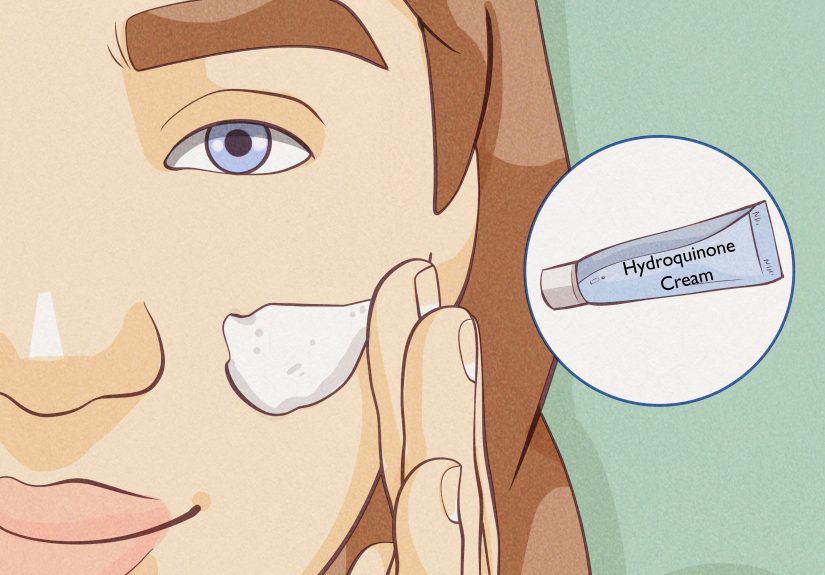
A dermatologist may prescribe treatments such as hydroquinone, tretinoin, azelaic acid, or combination creams. These are often used for melasma, post-inflammatory hyperpigmentation, and age spots.
Here is the important part: in the United States, over-the-counter hydroquinone products are not legally approved for sale, and products marketed for skin lightening may contain risky ingredients such as mercury or hidden steroids. That is a big reason not to buy mystery creams from random online sellers or unlabeled jars that promise “instant whitening.” If the packaging looks like it was designed in a basement and translated by a toaster, put it down.
Professional procedures
Dermatologists may also recommend chemical peels, lasers, or other in-office treatments. These can work well for certain cases of hyperpigmentation, but they are not one-size-fits-all. In some skin types, especially when treatments are too strong or poorly matched, procedures can actually worsen discoloration.
That is why experience matters. A qualified clinician can choose the safest option for your skin tone, skin condition, and pigment type. This is not the category for “my cousin’s friend does peels in her apartment.”
Common Mistakes That Make Skin Darker Instead of Lighter
Many people accidentally worsen pigmentation while trying to fix it. These are some of the biggest mistakes:
- Skipping sunscreen: probably the number one reason dark spots keep hanging around.
- Over-exfoliating: irritation often leads to more pigmentation, not less.
- Using harsh DIY hacks: lemon juice, straight acids, or random “bleaching” remedies can burn or inflame the skin.
- Popping or picking acne: this is basically sending a handwritten invitation to post-acne marks.
- Expecting overnight results: most brightening routines need weeks to months, not weekends.
How Long Does It Take to See Results?
This depends on the cause of the discoloration, your skin tone, your routine, and how consistent you are. Mild post-acne marks may start to look better in several weeks. Deeper pigmentation, melasma, or long-standing sun damage often takes several months.
The most realistic expectation is steady improvement, not instant transformation. A brighter, more even skin tone usually comes from small daily choices that build on each other: sunscreen, gentle care, and ingredients you actually keep using.
That may not be as exciting as an overnight miracle. But it is a lot better than melting your moisture barrier for nothing.
Final Thoughts
If you want to lighten your skin safely, the smartest goal is not to erase your natural complexion. It is to fade unwanted discoloration and help your skin look clearer, calmer, and more even. The three best ways to do that are simple: protect your skin from the sun, use proven brightening ingredients, and get professional help when pigment is stubborn or severe.
Healthy skin does not need to be lighter to be beautiful. It just needs the right support. And usually, that support starts with sunscreen, patience, and a little less faith in miracle jars.
Experiences Related to “3 Ways to Lighten Your Skin”
People who try to brighten their skin safely often describe the process in a surprisingly similar way. At first, many expect a fast transformation. They buy a serum, use it for four days, stare into the mirror like they are watching a stock chart, and decide nothing is happening. Then, a few weeks later, they realize their skin tone looks calmer, their old acne marks are not as obvious, and their complexion seems more even in daylight. Skin progress is sneaky like that.
One very common experience is discovering that sunscreen makes a bigger difference than any serum. A lot of people start a brightening routine focused on vitamin C, niacinamide, or retinol, but only begin seeing real progress when they become serious about sun protection. They stop relying on “I was only outside for ten minutes,” start reapplying SPF, and suddenly the dark spots are no longer getting darker every week. It is not glamorous, but it is effective.
Another common experience is learning that gentle beats aggressive. Many people start out thinking stronger must be better, so they use exfoliating acids too often or combine too many actives at once. What they get instead is redness, peeling, stinging, and even more discoloration. Once they scale back to a simpler routine, their skin usually settles down and begins improving again. That moment is frustrating, but it teaches an important lesson: skin responds better to consistency than chaos.
People with post-acne marks often report that azelaic acid or retinoids help the most, especially when breakouts and discoloration happen together. Their skin may not look dramatically lighter all at once, but over time it looks cleaner, smoother, and more balanced. They also notice that when they stop picking at blemishes, new marks are less intense. That sounds obvious, yet it is one of the hardest habits to break.
Those dealing with melasma often describe a more stubborn journey. Their pigment may flare with sun exposure, heat, or hormonal changes, even when they are doing many things right. For them, progress often comes from combining several smart steps: tinted sunscreen, a prescription cream, and realistic expectations. Instead of chasing perfection, they learn to manage flare-ups and protect the gains they have made.
There is also the emotional side. Some people start this process wanting “lighter skin,” but end up wanting something more specific and healthier: fewer dark spots, less dullness, and more confidence without makeup. That shift matters. It moves the goal away from changing who they are and toward taking care of the skin they already have.
In the end, the most positive experiences usually come from routines that are boring in the best possible way: gentle cleanser, one or two active ingredients, daily sunscreen, and patience. No mystery bleach. No harsh scrubs. No panic-buying seven serums at midnight. Just simple habits that slowly make skin look better. Not flashy, maybe. But your face tends to appreciate stability more than drama.