Table of Contents >> Show >> Hide
- How to Build a Thanksgiving Menu That Actually Works
- 1. The Classic Thanksgiving Menu
- 2. The Quick and Easy Thanksgiving Menu
- 3. The Southern Comfort Thanksgiving Menu
- 4. The Vegetarian Thanksgiving Menu
- 5. The Lighter, Modern Thanksgiving Menu
- How to Choose the Right Thanksgiving Menu for Your Celebration
- Conclusion
- Extended Reflections: What the Best Thanksgiving Menu Experiences Usually Feel Like
- SEO Metadata
Thanksgiving has a funny way of turning otherwise calm adults into strategic planners, oven-time gamblers, and amateur traffic controllers for casserole dishes. One minute you are casually saying, “Let’s keep it simple this year,” and the next you are comparing turkey methods like a sports analyst before the playoffs. That is exactly why having a smart Thanksgiving dinner menu matters. A good plan does more than fill plates. It keeps the day organized, balances rich and fresh flavors, and helps you actually enjoy your own holiday instead of speed-walking from the stove to the sink in gravy-splattered socks.
If you are searching for Thanksgiving menu ideas that feel festive, practical, and truly delicious, you are in the right place. The best Thanksgiving meal ideas usually follow the same logic: one strong main dish, a few comforting starches, at least one green vegetable, something tart or bright to cut through the richness, and a dessert people will “accidentally” eat twice. Below are five sample Thanksgiving menus designed for different kinds of celebrations, from a classic family feast to a vegetarian spread and a low-stress setup for hosts who would like to sit down before sunset.
How to Build a Thanksgiving Menu That Actually Works
Before diving into the sample menus, it helps to know what separates a memorable Thanksgiving dinner menu from a random parade of side dishes. First, aim for contrast. If everything is creamy, buttery, or beige, your table may look cozy but your guests will be begging for a lemon wedge and a nap. A great menu balances soft textures with crisp ones, savory dishes with sweet notes, and rich foods with something acidic or fresh.
Second, think in categories instead of chasing fifty recipes. Most successful Thanksgiving menu ideas include a centerpiece, two or three hearty sides, one green vegetable, one bright side such as cranberry sauce or salad, bread if your family takes rolls seriously, and at least one standout dessert. Third, choose dishes with different cooking methods. If every item needs the oven at the same temperature, congratulations, you have created a cooking puzzle nobody asked for. Slow cookers, stovetop sides, make-ahead casseroles, and room-temperature desserts are your best friends.
Now let’s get to the good part: the menus.
1. The Classic Thanksgiving Menu
Best for big family gatherings and traditional holiday lovers
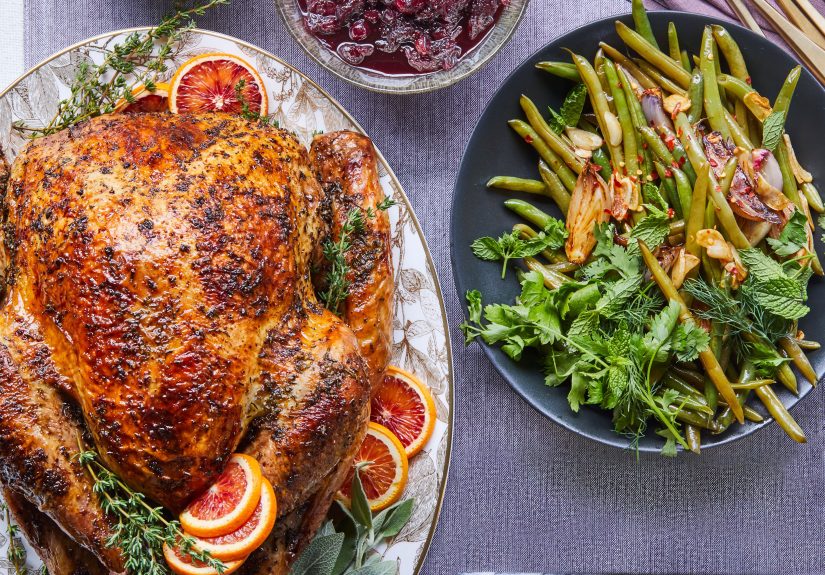
This is the menu for the household where Thanksgiving should look, smell, and taste like a postcard. It leans into the classics that people expect and genuinely want: roast turkey, stuffing, mashed potatoes, green beans, cranberry sauce, and pumpkin pie. No one is trying to reinvent the wheel here. The wheel is buttery, covered in gravy, and exactly what everyone came for.
Main: Herb-roasted whole turkey with pan gravy
Side dishes: Sausage stuffing, creamy mashed potatoes, green bean casserole, cranberry-orange sauce, soft dinner rolls
Dessert: Classic pumpkin pie with whipped cream
Why this menu works: A traditional Thanksgiving menu succeeds because it gives every guest at least one dish they have been thinking about since last November. The roast turkey brings the visual drama. Stuffing and mashed potatoes handle the comfort. Green bean casserole adds that nostalgic, familiar flavor that somehow still disappears first. Cranberry sauce sharpens the whole plate and keeps the richness from feeling too heavy. Then pumpkin pie ends the meal the way a great holiday should end: sweetly, calmly, and with at least one person insisting there is still “room for just a sliver.”
Hosting tip: Make the cranberry sauce and pie a day ahead. Thanksgiving is much nicer when dessert is already handled and one side dish is chilling peacefully in the refrigerator instead of demanding attention.
2. The Quick and Easy Thanksgiving Menu
Best for small gatherings, first-time hosts, and anyone who values sanity
Not every Thanksgiving needs a twelve-hour production schedule and a spreadsheet. This menu is designed for a smaller crowd or a host who wants a delicious holiday meal without turning the kitchen into a live-action stress documentary. It focuses on smart shortcuts, smaller proteins, and dishes that cook quickly or can be prepped ahead.
Main: Turkey breast with easy gravy
Side dishes: Skillet stuffing, garlic mashed potatoes, roasted Brussels sprouts, store-bought rolls warmed with herb butter
Dessert: Apple crisp or pumpkin trifle
Why this menu works: Turkey breast is ideal for a modest guest list because it cooks faster, takes up less oven space, and is easier to carve. Skillet stuffing gives you the cozy flavor of a traditional dressing without requiring a second oven crisis. Brussels sprouts roast quickly and bring a crisp, savory contrast to the softer sides. Warmed rolls with brushed herb butter taste thoughtful even if they began their life in a grocery bag, which is a beautiful reminder that not every holiday win requires homemade yeast dough and a personal sacrifice.
Hosting tip: Choose one dessert that feels homemade but forgiving. Apple crisp is a champion because it does not care whether your lattice skills are mediocre. It arrives warm, smells fantastic, and practically begs for vanilla ice cream.
3. The Southern Comfort Thanksgiving Menu
Best for guests who believe side dishes deserve equal billing
If your dream Thanksgiving plate looks like it should come with a porch, a story, and a second helping, this is your menu. Southern-style Thanksgiving dinner ideas are all about bold comfort, rich casseroles, and dishes that know exactly who they are. This is not the meal for tiny portions or polite appetites. This is the meal that says, “Yes, we have dressing and mac and cheese. Why are you asking like that is unusual?”
Main: Roast turkey or glazed ham
Side dishes: Cornbread dressing, baked mac and cheese, sweet potato casserole, braised green beans or collard greens, buttery biscuits
Dessert: Pecan pie
Why this menu works: Southern Thanksgiving menus shine because they layer texture and flavor so well. Cornbread dressing brings a deeper, more rustic character than standard bread stuffing. Baked mac and cheese adds creamy richness and turns the table into a comfort-food summit. Sweet potato casserole offers that sweet-savory holiday bridge that makes Thanksgiving feel like Thanksgiving. Greens bring balance and a little earthiness, which is helpful when the rest of the plate is flirting heavily with butter. Pecan pie closes the meal with crunch, sweetness, and enough richness to make coffee basically mandatory.
Hosting tip: This menu is excellent for potluck-style celebrations. Family members are often very willing to bring mac and cheese, sweet potato casserole, or pie. Nobody has ever needed to be talked into showing up with pecan pie.
4. The Vegetarian Thanksgiving Menu
Best for meat-free hosts, mixed dietary groups, or anyone craving a fresher holiday table
Vegetarian Thanksgiving menu ideas have come a long way from sad side-dish diplomacy. A meatless Thanksgiving can feel just as celebratory as a traditional one when the main dish is substantial, the sides are layered with flavor, and the menu still keeps those autumn holiday cues. The goal is not to imitate turkey badly. The goal is to serve a feast that feels intentional, generous, and worthy of the occasion.
Main: Stuffed roasted squash or mushroom lasagna
Side dishes: Wild rice stuffing, roasted carrots, green salad with apples and cranberries, mushroom gravy, crusty bread
Dessert: Apple-cranberry galette or pumpkin cheesecake bars
Why this menu works: A stuffed squash centerpiece looks beautiful on the table and carries that harvest-season spirit naturally. Mushroom lasagna is another smart option because it feels hearty and deeply savory, which keeps vegetarian guests from being treated like they wandered into the wrong holiday. Wild rice stuffing adds nutty texture. A crisp salad with apples and cranberries brightens the menu and keeps things from feeling too one-note. Mushroom gravy ties the plate together and proves, once again, that gravy is a state of mind as much as a sauce.
Hosting tip: Even if only a few guests are vegetarian, this menu works surprisingly well for a mixed crowd. Most people are delighted by a table that includes something creamy, something roasted, something crisp, and a dessert with fruit involved so they can pretend balance was part of the plan all along.
5. The Lighter, Modern Thanksgiving Menu
Best for stylish hosts, smaller appetites, and guests who still want leftovers without a food coma
Not every Thanksgiving spread needs to feel like you are preparing the nation for winter. Sometimes a lighter holiday menu is exactly right. This version keeps the spirit of the holiday intact while adding fresher vegetables, brighter flavors, and a slightly more modern feel. It still tastes comforting, but the plate feels more balanced and a little less like a carbohydrate negotiation.
Main: Dry-brined roast turkey or spatchcocked turkey
Side dishes: Herbed farro or wild rice, roasted Brussels sprouts with lemon, glazed carrots, crisp chicory or kale salad, cranberry relish
Dessert: Mini pecan pies or a pumpkin mousse parfait
Why this menu works: A dry-brined or flattened turkey often cooks more evenly and delivers crisp skin without demanding a culinary miracle. Grain-based sides like farro or wild rice bring hearty texture without duplicating mashed potatoes and stuffing at the same time. Roasted sprouts and carrots keep the seasonal flavor front and center, while a bitter or citrusy salad cuts through the richness beautifully. Smaller desserts such as mini pies or layered parfaits feel festive without sending everyone directly to the couch for a strategic recovery period.
Hosting tip: This is a great menu for guests who enjoy Thanksgiving flavors but prefer a meal that feels a touch more current. It also photographs beautifully, which should not be the main goal, but let us not pretend it hurts.
How to Choose the Right Thanksgiving Menu for Your Celebration
The best Thanksgiving menu is not the one with the most dishes. It is the one that matches your crowd, your kitchen, and your energy level. A classic menu is perfect when tradition matters most. A quick and easy menu makes sense for small gatherings or busy schedules. Southern comfort is ideal for families who treat side dishes like co-headliners. Vegetarian spreads can be spectacular when built with real intention, and a lighter modern menu is excellent for guests who want a more balanced holiday plate.
As you compare Thanksgiving meal ideas, ask three practical questions. How many people are coming? How much oven space do you have? Which dishes can be made ahead? Those answers matter more than culinary ambition. It is much better to serve five well-executed dishes than twelve stressful ones. People remember warmth, flavor, and atmosphere. They do not remember whether you made three pies instead of two unless one of those pies was unusually amazing.
Conclusion
Great Thanksgiving menu ideas are less about perfection and more about rhythm. You want a menu that feels generous, seasonal, and easy to enjoy. Whether you go with a classic roast turkey dinner, a Southern comfort feast, a vegetarian table, a lighter modern spread, or a smaller low-stress meal, the goal is the same: feed people well and give the day enough breathing room to feel like a celebration instead of a shift.
So choose the menu that fits your people, prep what you can ahead of time, and remember the most important holiday truth of all: if the gravy is warm and the dessert lands on the table, the day is probably going just fine.
Extended Reflections: What the Best Thanksgiving Menu Experiences Usually Feel Like
One of the most interesting things about planning a Thanksgiving dinner menu is that the experience is rarely just about food. It is about timing, emotion, family habits, and the tiny rituals that somehow become sacred. Every host learns very quickly that a successful Thanksgiving menu does not simply taste good on paper. It has to behave well in real life. That means dishes must hold their heat, wait patiently if guests arrive late, and still taste great when somebody inevitably says they are “just finishing one quick thing” half an hour after dinner was supposed to start.
The classic Thanksgiving experience usually feels the most familiar. There is comfort in hearing the turkey come out of the oven, seeing mashed potatoes in a big serving bowl, and watching everyone pretend they are taking modest portions before building a plate with suspicious architectural ambition. Traditional menus work because they create instant recognition. Guests know how to move through the meal. They know what flavors belong together. They know cranberry sauce is not just decoration. It is emotional support for the turkey.
Quick and easy menus create a different kind of joy. The experience is calmer. There is less frantic multitasking, less oven door choreography, and more actual conversation before dinner. Hosts who choose a smaller or simpler menu often enjoy the day more because they are not trying to prove anything with sixteen side dishes and a homemade bread basket formed under emotional pressure. They are simply serving good food that fits the moment. And honestly, guests can feel that. A relaxed host changes the energy of the room almost as much as the food does.
Southern-style Thanksgiving experiences are all about abundance and personality. These are the meals where everyone has a strong opinion about dressing, mac and cheese, sweet potatoes, and whether biscuits are necessary when rolls already exist. The answer, of course, is yes. This kind of menu creates a table with swagger. It feels generous and celebratory, and it tends to spark the most passionate dinner-table commentary because every dish arrives with memories attached. Somebody’s grandmother made it better. Somebody’s aunt added more cheese. Somebody’s cousin is already asking for the leftovers before dessert appears.
Vegetarian and lighter menus bring a fresh experience that many guests do not expect until they sit down and realize how balanced the meal feels. There is often more color on the table, more texture across the plate, and a little more breathing room between bites. Guests still get the comfort they want, but the meal can feel brighter and more dynamic. These menus are especially memorable when the main dish looks intentional and festive instead of apologetic. Nobody wants a holiday centerpiece that feels like a backup plan.
In the end, the best Thanksgiving menu experience is usually the one that lets the host be present. The meal should support the celebration, not overpower it. When the food is warm, the plate has contrast, dessert is waiting in the wings, and the host is not muttering at a baking dish like it has betrayed them personally, the holiday tends to feel right. That is what a great Thanksgiving menu really does. It feeds people, yes, but it also gives the day shape, comfort, and a little delicious drama in exactly the right amount.