Table of Contents >> Show >> Hide
- What counts as “healthy bread” (and what doesn’t)
- Healthy bread types worth meeting
- Nutrition 101: What’s in a slice?
- How to read a bread label without needing a PhD
- Health benefits: what the right bread can do for you
- Healthy ways to eat bread (so it’s not just a butter delivery system)
- Recipes: healthy bread you can actually make
- Who should be extra picky about bread?
- Conclusion: bread can be healthyand still taste like bread
- Experiences: what people actually notice when they switch to healthier bread (about )
Bread has been blamed for everything from “mysterious bloat” to “why my jeans are mad at me.”
But bread isn’t the villain. Bad bread choices (and chaotic portions) are usually the culprits.
The good news: “healthy bread” isn’t a single magic loaf guarded by monks. It’s a set of smart features
you can spot in the grocery aisleand recreate at homewithout giving up flavor.
This guide breaks down the healthiest bread types, what they actually do for your body, how to read labels
like you mean it, and a few simple recipes that make your kitchen smell like a bakery (the best kind of flex).
What counts as “healthy bread” (and what doesn’t)
Healthy bread is less about trendy buzzwords and more about whole-food ingredients,
fiber, and reasonable amounts of sugar and sodium.
In practice, the healthiest breads tend to share a few traits:
- Whole grains are front-and-center (not “mystery flour” in a superhero cape).
- Fiber is meaningfulenough to help digestion, fullness, and steadier energy.
- Added sugars are low (bread doesn’t need to taste like dessert to be lovable).
- Sodium is moderate (some loaves are basically salted air with carbs).
- Ingredients are recognizable: grains, water, yeast/sourdough starter, seeds, salt.
What usually doesn’t qualify? Ultra-refined loaves with minimal fiber, lots of added sugar,
and long ingredient lists that read like a chemistry audition. (Not always harmful in small amounts,
just not the “daily driver” choice.)
Healthy bread types worth meeting
1) 100% whole wheat bread / 100% whole grain bread
The classic upgrade. Whole wheat and whole grain breads keep more of the grain’s natural structure,
which generally means more fiber and micronutrients than refined white bread. If you want one loaf that
works for sandwiches, toast, and “I need carbs now” moments, start here.
Best for: everyday use, kids’ lunches, budget-friendly nutrition.
Watch for: look-alike labels“wheat bread” can still be mostly refined flour.
2) Sprouted grain bread
Sprouted grain bread is made from grains that have begun to sprout (aka germinate). Sprouting can change
texture and flavor, and many people find sprouted breads hearty and satisfying. These loaves often come with
solid fiber and protein, which can help you stay full longer.
Best for: people who like dense, nutty slices and want more “staying power.”
Watch for: some versions still add sweetenerscheck the label.
3) Sourdough (especially whole grain sourdough)
Sourdough’s claim to fame is fermentation. That tangy flavor isn’t just vibesfermentation can affect how
quickly the bread is digested. Many folks also find sourdough gentler on their stomach than standard loaves,
though results vary.
Best for: flavor lovers, people experimenting with steadier energy after meals.
Watch for: “sourdough” labels that are basically regular bread with sour flavoring.
4) Rye bread (100% whole rye if you can find it)
Rye brings a bold, slightly earthy taste and often a denser crumb. Whole rye can be a great option for anyone
who wants variety beyond wheat, and some people notice it feels especially filling.
Best for: open-faced sandwiches, savory toppings, “I want bread with personality.”
Watch for: rye breads that are mostly refined flour with a little rye for flavor.
5) Oat or barley breads
Oats and barley contain soluble fibers that form a gel-like texture in the digestive tract (sounds weird,
works great). In real life, this can support heart-friendly eating patterns and a more gradual rise in blood sugar.
Oat breads are usually mild and slightly sweetlike bread’s friendly golden retriever phase.
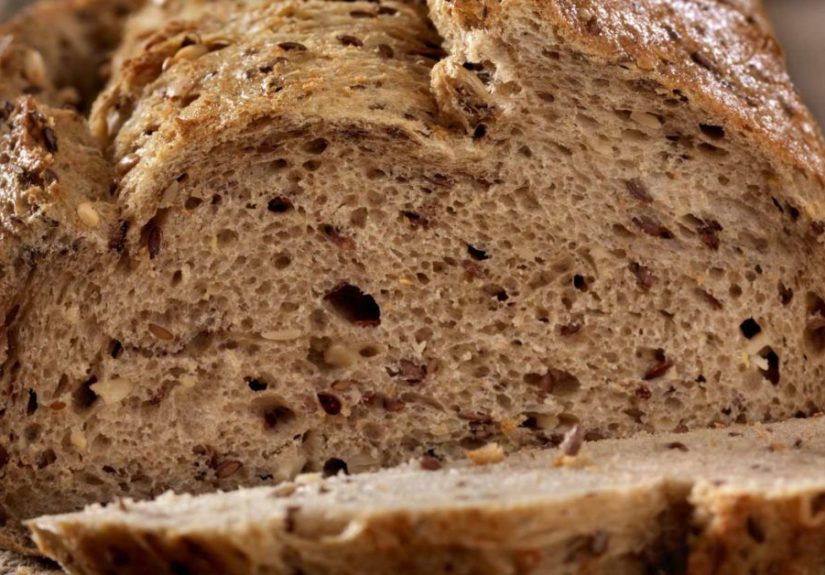
6) Seed-forward breads (flax, chia, sunflower, pumpkin seeds)
Seeded breads can boost texture, healthy fats, and micronutrients. They’re also great for people who want more
crunch and less “sad toast energy.” A slice with seeds often pairs beautifully with savory toppings and makes a
solid base for breakfast.
Best for: higher satiety, texture fans, athletes who want more than plain carbs.
Watch for: calorie densityseeds are nutritious, but they’re not weightless magic.
7) Gluten-free bread (done right)
Gluten-free bread is essential for people with celiac disease or true gluten sensitivitybut it’s not automatically
“healthier” for everyone. The best gluten-free loaves use nutrient-rich flours (like buckwheat, oat, brown rice,
quinoa) and include fiber sources (psyllium, flax, chia) to improve texture and nutrition.
Best for: those who medically need gluten-free options.
Watch for: low-fiber loaves made mostly from starches with lots of added sugar.
Nutrition 101: What’s in a slice?
Bread nutrition varies wildly. One slice can be a light snack or a stealthy sodium-sugar combo in disguise.
Still, most “healthy bread” choices trend toward:
- More fiber (often the biggest difference vs. refined bread)
- More protein (especially sprouted or seeded breads)
- Less added sugar (some sandwich breads add sweetness for softness)
- More minerals (whole grains and seeds contribute magnesium, iron, zinc, and more)
A practical target many dietitians suggest: choose breads with about 3 grams of fiber per slice
(or more) when possibleespecially if bread is a daily habit.
How to read a bread label without needing a PhD
Bread labels love word games. Here’s how to win anyway:
Step 1: Check the first ingredient
If the first ingredient is “whole wheat flour,” “whole grain wheat,” or another clearly whole grain,
you’re off to a good start. If it starts with “enriched wheat flour” (or just “wheat flour”),
that’s typically refined.
Step 2: Ignore the marketing confetti
- “Multigrain” means multiple grains, not necessarily whole grains.
- “Made with whole grains” can be true and still mostly refined.
- Brown color can come from molasses or coloring. Color is not a nutrition certificate.
Step 3: Look at fiber, added sugars, and sodium
- Fiber: aim for ~3g/slice or more when you can.
- Added sugar: lower is better; bread doesn’t need to be sweet to be good.
- Sodium: compare brandssandwich breads can vary a lot.
Step 4: Watch serving sizes
Nutrition labels may define a serving as one slice, but your sandwich is two slices (math is rude like that).
If you’re tracking fiber, sodium, or carbs, double-check what you’re actually eating.
Health benefits: what the right bread can do for you
1) Better digestion and a happier gut
Fiber supports regularity and feeds beneficial gut bacteria. Whole grains and seeds can make bread a sneaky-easy way
to improve overall fiber intakeespecially for people who don’t naturally crave beans and broccoli.
2) Heart-friendly eating patterns
Whole grains are consistently associated with better cardiovascular markers and healthier long-term outcomes.
Choosing whole grain breads (and keeping refined grains as “sometimes foods”) is one of the simplest switches
you can make without changing how you eat lunch.
3) Steadier energy and blood sugar
Bread isn’t automatically a blood sugar disasterespecially when it contains fiber and when you pair it well.
Many people do better with whole grain, rye, sprouted, or fermented breads compared with refined white bread.
4) More satisfaction per bite
A higher-fiber, higher-protein slice is often more filling, which can help with appetite regulation.
Translation: fewer “why am I hungry again?” moments 45 minutes after toast.
Healthy ways to eat bread (so it’s not just a butter delivery system)
No judgment if it is sometimes a butter delivery system. But if you want bread to work harder for you,
build balanced combos:
- For steady energy: toast + peanut butter + berries
- For a savory lunch: whole grain bread + turkey/tempeh + avocado + crunchy veggies
- For gut-friendliness: sourdough + eggs + sautéed spinach
- For heart support: oat/seed bread + hummus + tomato + olive oil drizzle
Also: freezing bread is underrated. Freeze slices, toast straight from frozen, and you’ll waste less and always
have “emergency good bread” ready.
Recipes: healthy bread you can actually make
These recipes are designed for real life: minimal weird ingredients, flexible swaps, and instructions that don’t
assume you own a medieval oven.
Recipe 1: No-knead whole wheat “weeknight” loaf
- 2 1/2 cups whole wheat flour
- 1 cup bread flour (or all-purpose)
- 1 1/2 tsp salt
- 1 tsp instant yeast
- 1 3/4 cups warm water
- Mix everything in a bowl until shaggy. Cover and rest 60–90 minutes.
- Fold the dough over itself a few times with wet hands. Rest 30 minutes.
- Shape into a round. Place on parchment. Let rise 30–45 minutes.
- Bake at 450°F in a preheated Dutch oven (lid on 25 minutes, lid off 15 minutes). Cool before slicing.
Healthy upgrades: add 2 tbsp ground flax or a handful of sunflower seeds.
Recipe 2: Seeded oat sandwich bread (soft but not sugary)
- 2 cups whole wheat flour
- 1 cup rolled oats (plus extra for topping)
- 1 cup warm milk (dairy or unsweetened soy)
- 2 tbsp olive oil
- 1 tbsp honey or maple syrup (optional, for mild sweetness)
- 2 tsp yeast
- 1 1/2 tsp salt
- 1/3 cup mixed seeds (chia/flax/sunflower/pumpkin)
- Soak oats in warm milk 10 minutes.
- Stir in oil, honey (if using), yeast, salt, flour, and seeds. Mix until a sticky dough forms.
- Cover and rise 60–75 minutes. Transfer to a greased loaf pan.
- Top with oats, let rise 30 minutes, bake at 375°F for 35–40 minutes. Cool fully for clean slices.
Recipe 3: Quick skillet whole-grain flatbread (no yeast, no drama)
- 1 cup whole wheat flour (or whole grain blend)
- 1/2 tsp salt
- 1 tsp baking powder
- 3/4 cup plain Greek yogurt (or unsweetened dairy-free yogurt)
- Mix dry ingredients. Add yogurt and stir until a dough forms.
- Divide into 4 pieces. Roll thin with a little extra flour.
- Cook in a hot skillet 2–3 minutes per side until browned and puffed.
Use it for: wraps, dipping, or “I forgot I needed bread until now.”
Recipe 4: Gluten-free buckwheat loaf (hearty + high-fiber feel)
- 2 cups buckwheat flour
- 1/2 cup ground flax or chia
- 1 tbsp psyllium husk (optional but helps structure)
- 2 tsp baking powder
- 1 tsp salt
- 2 eggs (or egg substitute)
- 1 3/4 cups water
- 2 tbsp olive oil
- Mix dry ingredients. Whisk wet ingredients separately.
- Combine, rest 10 minutes (it will thicken), then pour into a loaf pan.
- Bake at 350°F for 45–55 minutes. Cool completely before slicing.
Who should be extra picky about bread?
If you have diabetes or prediabetes
Favor breads with higher fiber and minimal added sugar. Pair bread with protein/fat (eggs, nut butter, chicken,
tofu, avocado) to slow digestion and improve satiety.
If you’re watching blood pressure
Compare sodium between brandssome “healthy-sounding” loaves are surprisingly salty. Look for options with
moderate sodium and build flavor with toppings (herbs, tomato, olive oil, vinegar) rather than relying on salt.
If you have celiac disease
Choose certified gluten-free products to avoid cross-contamination, and prioritize versions with fiber sources
(psyllium, flax, chia) and nutrient-rich flours.
Conclusion: bread can be healthyand still taste like bread
Healthy bread isn’t about punishment. It’s about picking loaves that deliver more fiber, steadier energy,
and better overall nutritionwithout turning every sandwich into a wellness lecture.
Start with a simple rule: choose breads where whole grains lead the ingredient list, fiber is meaningful,
and added sugar is low. Then enjoy your toast like the capable adult you are.
Experiences: what people actually notice when they switch to healthier bread (about )
If you’ve ever tried to “eat healthier” and immediately got ambushed by bland food, you’re not alone. The
bread upgrade can feel especially emotional because bread is comfort. It’s grilled cheese on a rainy day.
It’s “just one more slice” at dinner. So when people switch from ultra-soft refined bread to a whole grain
loaf, the first experience is often… surprise. Not always bad surprisemore like, “Oh. This bread has
opinions.”
A common pattern: the first week is about texture. Whole grain and seeded breads can be denser.
People notice they chew more, eat slower, and feel fuller sooner. That’s not magicit’s fiber and structure
doing their job. Some describe fewer snack cravings mid-morning after swapping sweetened white toast for a
sprouted grain slice with eggs or nut butter. Others say their lunches hold them longer when the sandwich
bread isn’t basically fluffy air.
The second big experience is label confusion. Many shoppers grab “multigrain” assuming it’s whole
grain, then wonder why the fiber number is tiny. Or they buy “wheat bread” and later realize the first ingredient
is enriched flour. This is where people tend to have an “I’ve been lied to by fonts” moment. Once they start
looking for “100% whole wheat/whole grain” and checking fiber per slice, shopping becomes fasterironically,
because they stop falling for marketing poetry.
Then comes the blood sugar experiment (even for people not wearing a glucose monitor). Some report
they feel less sleepy after lunch when they choose rye, sourdough, or higher-fiber whole grain breads and pair
them with protein. The pairing part matters. A slice of even healthy bread eaten alone can digest faster than the
same slice topped with hummus, turkey, or avocado. People often discover that bread isn’t the problemit’s
“naked bread” plus a sugary drink that starts the afternoon energy roller coaster.
Another real-life experience: freezer life. Once people find a bread they like, they often freeze
half the loaf immediately. It feels oddly grown-up. Toasting from frozen becomes a habit, and suddenly the “healthy”
loaf doesn’t go stale before anyone finishes it. This is also when people become suspiciously enthusiastic about
making open-faced toasts: fewer slices, bigger flavors, prettier photos.
Finally, the home-baking experience is usually less intimidating than expected. People try one no-knead loaf,
realize dough isn’t fragile (it’s just dramatic), and then start customizing: oats for softness, seeds for crunch,
a little sourdough starter for flavor. The best part isn’t perfectionit’s control. You can keep added sugar low,
bump up fiber, and make bread that tastes like something you’d actually choose, not something you “have to” eat.
That’s the moment healthy bread stops being a rule and becomes a preferenceand that’s when it tends to stick.