Table of Contents >> Show >> Hide
- Quick Verdict
- How HelloFresh Works
- Menu Variety and Plans
- Taste Test: How the Food Actually Holds Up
- Ingredient Quality and Portion Sizes
- Prep Time and Difficulty: The “Under 30 Minutes” Reality Check
- Pricing and Value
- Nutrition: Healthy-ish, With Some “Check the Label” Moments
- Packaging and Sustainability
- Delivery, App Experience, and Customer Control
- Food Safety and Freshness
- Is HelloFresh Worth It?
- How HelloFresh Compares to Other Meal Kits
- Final Take
- Editor Field Notes: A Month of HelloFresh, The Good, The Messy, and The “Wait, I Can Cook?” Moment
Meal kits promise a lot: fewer grocery-store detours, less decision fatigue, and a hot dinner that doesn’t require a PhD in “What’s in my fridge?”
HelloFresh is one of the biggest names in the category, and after comparing notes from multiple hands-on editor tests and expert roundups,
we can say this with confidence: if you want structure, variety, and solid flavor without living on takeout, HelloFresh is usually a strong bet.
That said, it’s not magic. You’ll still chop, sauté, and wash pans. Prep times can be optimistic. And the packaging situation is better than it used to be,
but it can still make your recycling bin feel like it’s training for a marathon. Consider this your no-nonsense, tried-and-tested style guide to what HelloFresh
does well, what it doesn’t, and who will love it most.
Quick Verdict
Best for: busy households, beginner-to-intermediate cooks, and anyone who wants more home-cooked meals without planning every bite.
Not ideal for: people who want ultra-fast, fully-prepared dinners every night, or advanced cooks who prefer improvising over following steps.
What we liked
- Huge weekly variety that helps prevent “meal kit boredom.”
- Mostly reliable flavor, with sauces and spice blends that make weeknight meals feel less… weeknight-y.
- Flexible subscription (skip weeks, change meals, pause/cancel with a cutoff).
- Clear recipe cards that can genuinely build cooking confidence.
What to watch
- Time estimates can be optimistic, especially if you’re new to cooking.
- Price creeps up when you choose premium proteins or smaller plan sizes.
- Packaging is improved, not eliminatedstill more single-use material than a typical grocery trip.
How HelloFresh Works
HelloFresh is a meal kit subscription: you pick a plan (based on household size and number of meals per week), choose recipes from the weekly menu,
and a box arrives with pre-portioned ingredients and step-by-step instructions. You cook the meals yourselfno chef required, but you’ll want a knife,
a cutting board, and the ability to locate your stove with confidence.
The typical weekly flow
- Choose meals from the menu (or let the system select defaults, which you can edit).
- Receive your box on your delivery day.
- Cook using recipe cards (usually with photos, timing cues, and suggested plating).
- Repeat until you’ve built a stack of recipe cards tall enough to qualify as modern art.
You’ll still need basic pantry staples like salt, pepper, oil, and butter. Some recipes call for eggs, flour, or sugarHelloFresh usually flags those
so you’re not caught mid-recipe whispering, “But why would I own flour?”
Menu Variety and Plans
HelloFresh leans hard into variety. Across editor testing and company-provided plan descriptions, the big advantage is choice: you can pivot between
comfort food, globally-inspired flavors, lighter options, and quick-prep meals without having to reinvent your personal dinner strategy each week.
Common plan styles you’ll see
- Meat & Veggies: classic crowd-pleasers, often the widest selection.
- Veggie / Plant-Based: vegetarian-forward options and meatless spins.
- Family Friendly: kid-approved flavors and simpler components.
- Fit & Wholesome: lighter meals, including calorie-conscious options.
- Quick & Easy: faster cook times, fewer steps, and easier cleanup.
- Pescatarian: seafood and vegetarian combinations.
Recent hands-on reviews also highlight expanded “convenience” offerings, including heat-and-eat or ready-made meals and more short-format recipes.
Translation: you can mix true meal kits (you cook) with quicker options when you’re running on fumes.
Taste Test: How the Food Actually Holds Up
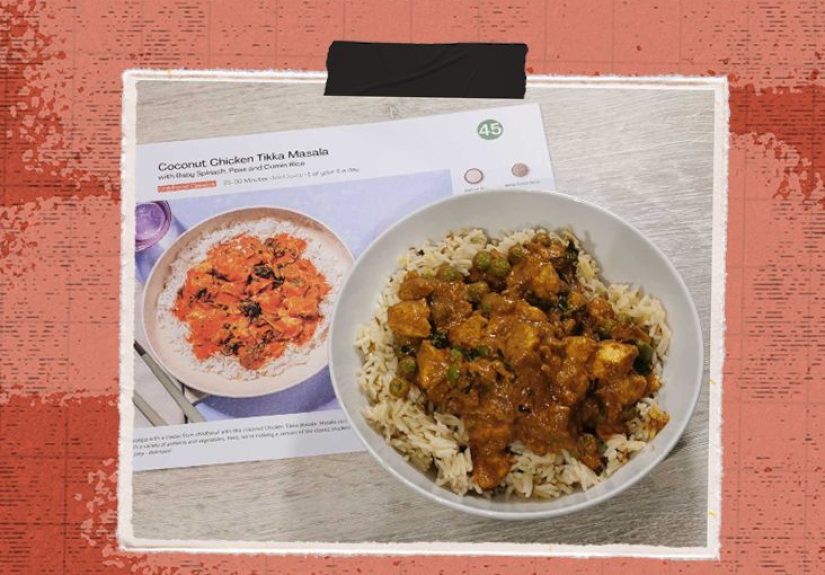
Flavor is where HelloFresh tends to win people over. Multiple editor tests describe meals as reliably tasty, with sauces and seasoning blends doing a lot
of heavy liftingin a good way. Think: “This tastes like I tried,” without requiring you to actually try that hard.
Specific dish styles that reviewers keep praising
- Globally-inspired recipes: more interesting than the “sad chicken breast era” many of us lived through.
- Comfort-food upgrades: bowls, tacos, pastas, and skillet meals with punchy sauces.
- Ready-made options: when you want dinner in minutes, not a cooking montage.
One reason HelloFresh feels more “editor-approved” than some competitors: you’re not stuck with bland, one-note seasoning. Several reviews point to
spice blends and unexpected ingredients (like chili flakes, tangy sauces, and herb-forward toppings) that make the meals feel more like a real menu
than a beige spreadsheet.
Ingredient Quality and Portion Sizes
Ingredient quality is generally described as solid, with occasional hiccupsespecially with delicate produce (the kind that bruises if you look at it
too intensely). Many testers note that proteins arrive well-chilled and separated, and that ingredients are organized to reduce confusion during prep.
Portions: “Will I still be hungry?”
For most people, portions feel satisfying. Some hands-on tests describe servings as generous, sometimes even bordering on “restaurant generous,”
particularly with proteins. That’s great if you’re feeding hungry adultsor less great if you’re tracking sodium or trying to keep things lighter.
Pro tip: if you’re portioning for kids, you may get leftovers. If you’re portioning for a teenager who just discovered weightlifting, order extra snacks.
Prep Time and Difficulty: The “Under 30 Minutes” Reality Check
HelloFresh is often positioned as beginner-friendlyand it can be, especially because the instructions are clear. But many editor tests add a key caveat:
the cook times on the card assume you chop like a TV chef and clean as you go like a saint.
What to expect in real life
- Beginner cooks: add 10–20 minutes until you get faster.
- Intermediate cooks: times are closer, but still not always exact.
- Cleanup: one-pan recipes help, but meal kits still generate bowls, boards, and utensils.
The upside? You learn. A lot of people find HelloFresh works like training wheels for cooking: you get repetition (knife work, seasoning, timing),
without the mental load of planning. Eventually, you’ll start “freestyling” the recipesswapping sides, doubling spices, and realizing you can cook a
decent dinner without Googling “how to sauté onions” every time.
Pricing and Value
Pricing for HelloFresh depends on your plan size and selections. In general, larger plans tend to lower the per-serving cost, and premium meals
(steak, seafood, specialty proteins) can add extra charges. You’ll also typically see a shipping fee per box.
What “value” really means here
A fair comparison isn’t just “HelloFresh vs. groceries.” It’s:
HelloFresh vs. groceries + planning time + food waste + takeout temptation.
If you frequently overspend at the store or default to delivery when you’re tired, a meal kit can be a surprisingly effective budget guardrail.
Ways people save money with HelloFresh
- Use intro offers strategically (and read the terms so you’re not surprised later).
- Pick more “standard” meals and limit premium upgrades.
- Order more servings per box if your household will actually eat them.
- Skip weeks when travel or leftovers make delivery unnecessary.
If you’re hoping meal kits will be cheaper than buying basic groceries with a plan and strong willpowermaybe not. If you’re hoping it will be cheaper
than frequent takeout, and easier than meal planning, the math often looks better.
Nutrition: Healthy-ish, With Some “Check the Label” Moments
HelloFresh makes nutrition fairly approachable: recipes often come with nutritional info, and menus include options geared toward lighter eating.
Some editor tests praise the clarity of the meal cards for people tracking macros or general nutrition.
Two nutrition truths can coexist
- Truth #1: Cooking at home can make it easier to control ingredients than restaurant food.
- Truth #2: Some meal kit recipes can still be high in sodium, fat, or calories (because flavor is… delicious).
The best approach is to use HelloFresh like a toolkit: choose lighter recipes on busy weeks, lean into veggie-heavy meals when you want balance,
and don’t be afraid to tweakuse less sauce, add an extra side salad, or stretch a rich meal with more vegetables.
Packaging and Sustainability
Packaging is the most common complaint about meal kits in general, and HelloFresh isn’t immune. The good news: some hands-on reviews note improvements,
including fewer individually wrapped items compared with earlier years. The “it’s a lemon, not a Fabergé egg” packaging trend appears to be declining.
What’s still frustrating
- Small plastic packets (especially sauces and liquids) are hard to eliminate at scale.
- Ice packs and insulation vary by region and can be awkward to dispose of responsibly.
What helps
- Break down boxes immediately so the cardboard doesn’t pile up.
- Designate a “recycling station” for clean plastics, paper bags, and cartons.
- Batch your cooking (two meals back-to-back) to reduce cleanup and waste from random leftovers.
If low-waste living is your top priority, meal kits may always feel like a compromise. But if your alternative is frequent takeout containers,
a meal kit can still be a step toward more home-cooked mealsjust not a zero-waste dream.
Delivery, App Experience, and Customer Control
A meal kit is only as good as the logistics. Editor tests generally describe HelloFresh as straightforward to manage:
you pick meals, set delivery, and can adjust week by week. The biggest thing to understand is the cutoff window.
Skipping, pausing, and canceling
HelloFresh markets itself as flexible: you can skip deliveries and pause or cancel, as long as you do it before the weekly deadline.
If you’re considering HelloFresh, put the cutoff date in your calendarfuture-you will be grateful.
Also worth noting: promotional deals often come with detailed terms (like how discounts are distributed across boxes, and what counts as “free meals”).
Read those terms like you read a recipe step that says “reduce by half”with respect and just a little fear.
Food Safety and Freshness
Meal kits are perishable by design, so food safety matters. Refrigerate ingredients promptly, keep raw proteins separate, and cook to safe temperatures.
This is normal kitchen stuffbut when a box arrives, it’s easy to get distracted and leave it sitting while you admire the tiny bottles of sauce.
If you add ready-made or heat-and-eat meals, treat them like any other prepared food: follow storage instructions, check dates, and keep an eye on
public health alerts. It’s rare, but alerts can happen with any large-scale food operation.
Is HelloFresh Worth It?
For many people, yesespecially if you’re trying to cook more without making dinner your second job.
HelloFresh tends to deliver on variety, flavor, and structure. Where it can disappoint is when expectations don’t match reality:
it won’t be as cheap as disciplined grocery shopping, it won’t be as fast as true prepared meals, and it won’t eliminate packaging entirely.
Choose HelloFresh if…
- You want to cook more often but hate planning meals.
- You’re bored of the same 5 dinners on repeat.
- You like the idea of learning to cook with a safety net.
- You want a flexible subscription you can skip when life gets chaotic.
Skip HelloFresh if…
- You want dinner ready in 5 minutes every night (look at fully prepared meal services).
- You already enjoy meal planning and grocery shopping.
- You strongly prefer minimal packaging and single-use materials.
- You need strict allergen control beyond typical labeling and kitchen handling.
How HelloFresh Compares to Other Meal Kits
Across major editor roundups, HelloFresh often lands as a “best all-around” pick because it balances variety, approachability, and broad appeal.
Some competitors beat it on niche prioritieslike gourmet complexity, ultra-fast prep, or ultra-specific dietary targetingbut HelloFresh is the
dependable middle lane that works for a lot of households.
If you’re debating between meal kits, your best strategy is to decide what you’re really buying:
speed, variety, nutrition, or cooking skill-building.
HelloFresh leans hardest into variety + skill-building with a side of convenience.
Final Take
HelloFresh is at its best when you treat it like a weeknight assistantnot a personal chef. It reduces decision fatigue, helps you cook more often,
and delivers enough variety that dinner doesn’t feel like a repetitive chore. If your current routine is “takeout, cereal, takeout,” this can be a real upgrade.
The key to loving it is managing expectations: plan for a little extra time, choose your meals thoughtfully, and keep an eye on your weekly cutoff.
Do that, and HelloFresh can turn “What’s for dinner?” from a daily stressor into a question you can answer without sighing dramatically.
500-word experience add-on
Editor Field Notes: A Month of HelloFresh, The Good, The Messy, and The “Wait, I Can Cook?” Moment
To make this review feel like a real test kitchen diary (without pretending a single human lived on one brand forever), here’s what the
common experience looks like when editors and product testers run HelloFresh through the weeknight grind: the rushed Mondays,
the “let’s be healthy” Tuesdays, and the inevitable Thursday when you realize you’ve been chopping the same onion for 12 years and it’s still emotionally difficult.
Week 1: The unboxing optimism phase
The first box is always a little excitingpart grocery delivery, part science experiment. Ingredients are grouped, proteins are chilled,
and the recipe cards look suspiciously like something you’d see in a food magazine (which is a fancy way of saying you might actually keep them).
Most testers report an early win: you cook a meal that tastes like it required planning… even though you mostly followed instructions and didn’t panic too loudly.
The surprise in week one is usually the sauces and seasonings. That’s often where “meal kit flavor” separates itself from “I cooked chicken and it tastes like regret.”
Many recipes include a tangy crema, a bright herb topping, or a spicy drizzle that makes the final plate feel finished.
Week 2: The time-estimate reality check
Around the second week, testers tend to notice two things. First, the prep times can be… aspirational. If the card says 25 minutes, you may spend 25 minutes
just locating your peeler and arguing with a stubborn clove of garlic. Second, you get faster. Knife work improves, your “mise en place” becomes less chaotic,
and you stop rereading step three six times like it’s an escape room clue.
This is also when people start customizing without realizing it. You add extra veggies, reduce sauce if it’s rich, or use half the salt packet because you’re
not trying to turn your bloodstream into brine. That’s a good sign: you’re using the kit as a guide, not a strict contract.
Week 3: The “menu strategy” era
By week three, experienced testers usually get tactical. You pick one “fun” meal (bold flavors, maybe premium), one quick meal (less chopping),
and one comfort meal (because Wednesday). This is also when many households discover the power move:
cook the more time-consuming meal on a calmer night, and save the simpler option for the evening you get home late and would otherwise pay $38 for lukewarm delivery fries.
Some editors highlight how variety helps prevent burnout. Instead of repeating the same tacos weekly, you can bounce from bowls to stir-fries to pastas,
and still feel like you’re eating “real food.” But this is also when packaging fatigue can peakyour trash and recycling might look like it hosted a tiny cardboard festival.
Week 4: The confidence payoff
The best long-term benefit testers describe isn’t just convenienceit’s competence. After a few weeks, you can recognize patterns:
how to roast vegetables properly, how to build flavor in a pan sauce, how long proteins really take, and how to fix a dish when it needs acid or heat.
At this point, many people start saving the recipe cards with the intention of recreating favorites using grocery-store ingredients later.
The honest month-long takeaway is refreshingly simple: HelloFresh works best when you want to cook more often with less thinking. It’s not perfect,
but it’s effective. And if it replaces even a couple of takeout nights a week, a lot of testers say it feels like a meaningful upgradenot just to dinner,
but to the whole “end-of-day” vibe.