Table of Contents >> Show >> Hide
- Why Unusual House Plant Blooms Feel So Exciting
- What Makes a Houseplant Bloom “Unusual”?
- Popular Houseplants With Weird, Wonderful Blooms
- 1. Hoya: The Wax-Star Show-Off
- 2. Holiday Cactus: The Winter Fireworks Plant
- 3. Bird of Paradise: The Living Sculpture
- 4. Pocketbook Plant: The Cartoon Bloom
- 5. Shrimp Plant: The One With the Snack-Shaped Bracts
- 6. String of Hearts: Tiny Lanterns on a Vine
- 7. Panda Plant and Other Kalanchoes: Fuzzy Leaves, Sneaky Flowers
- How to Encourage Unusual House Plant Blooms
- How to Photograph Your Most Unusual House Plant Blooms
- Photo Caption Ideas for Social Sharing
- Safety Note: Some Beautiful Blooms Are Not Pet-Friendly
- Common Reasons Your Houseplant Is Not Blooming
- Why Plant Communities Love Unusual Blooms
- Personal Experiences and Reflections: The Joy of Waiting for the Weird Bloom
- Conclusion
There are two kinds of houseplant people. The first kind buys a leafy green friend, waters it occasionally, and feels proud when it stays alive. The second kind notices a suspicious little bump on a hoya vine at 11:47 p.m., grabs a flashlight, whispers, “Is this… a bloom?” and immediately prepares a full photo shoot like the plant just won a Grammy.
Unusual house plant blooms have a special magic. They are not always big, bright, or classically pretty. Some look like tiny wax stars. Some resemble shrimp, birds, pockets, alien trumpets, or miniature chandeliers. Some appear after years of quiet leaf-growing, as if the plant finally decided the relationship was serious enough to show its weird side. That is exactly why plant lovers love them.
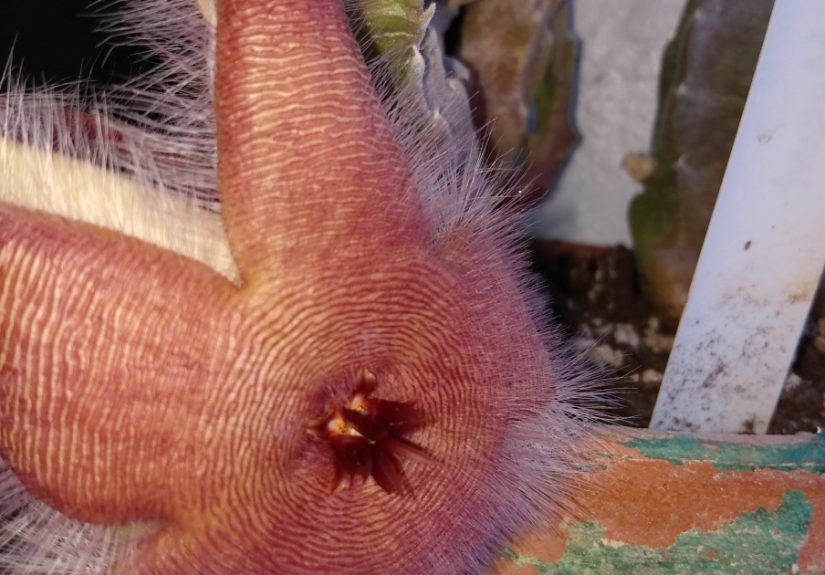
The title “Hey Pandas, Let’s Post Photos Of Our Most Unusual House Plant Blooms” feels like an invitation to celebrate the strange, funny, delicate, and sometimes dramatic flowers that appear in our indoor jungles. This article explores why houseplants bloom indoors, which plants produce the most surprising flowers, how to encourage blooms, and how to photograph them without accidentally turning your living room into a crime scene of spilled potting mix.
Why Unusual House Plant Blooms Feel So Exciting
Many popular houseplants are grown mainly for foliage. We admire the split leaves of monstera, the trailing vines of pothos, the fuzzy leaves of panda plant, and the sculptural drama of bird of paradise. But flowers? Indoors? That feels like a bonus level.
Indoor blooming can feel rare because homes are not the same as tropical forests, deserts, or greenhouses. Light is weaker, humidity is lower, temperatures are steadier, and the plant may not receive the seasonal signals it would get outdoors. So when a houseplant produces a strange bloom in a corner of the apartment, it feels less like gardening and more like receiving a secret message from nature.
Unusual houseplant flowers also remind us that plants are not décor. They are living organisms responding to light, water, nutrients, temperature, age, and stress. A bloom is often the result of a plant having enough energy to reproduce. In other words, that odd little flower spike is not just cute. It is botanical confidence.
What Makes a Houseplant Bloom “Unusual”?
An unusual bloom does not have to be rare in the scientific sense. It simply has to surprise us. A spider plant producing tiny white flowers may delight a beginner. A holiday cactus bursting into neon pink blooms in December may feel like a festive miracle. A hoya opening a cluster of waxy, fragrant stars can make even experienced growers stop scrolling and start zooming.
Some blooms are unusual because of their shape. Pocketbook plants produce pouch-like flowers that look almost too cartoonish to be real. Bird of paradise has a dramatic bloom that resembles a bird’s head. Shrimp plant earns its common name from colorful bracts that look like little seafood costumes. String of hearts can produce tubular flowers that look like tiny lanterns designed by a very fashionable insect.
Other blooms are unusual because they are unexpected. Mother of thousands, a type of kalanchoe, is famous for making baby plantlets along its leaves, but when it flowers, the pendulous bell-shaped blooms can surprise owners. Some houseplants rarely flower indoors, so a bloom becomes a bragging right. Yes, the plant did the thing. Yes, there will be pictures. Many pictures.
Popular Houseplants With Weird, Wonderful Blooms
1. Hoya: The Wax-Star Show-Off
Hoyas are beloved for their thick leaves and trailing vines, but their flowers are the real drama. A hoya bloom cluster, often called an umbel, can look like a tiny fireworks display made from porcelain, velvet, and sugar. Many hoya flowers are fragrant, especially at night, which is lovely until you wake up wondering whether your plant has started baking perfume cookies.
To encourage hoya blooms, give the plant bright indirect light, let the soil dry somewhat between waterings, and avoid cutting off old flower spurs. Hoyas often rebloom from the same peduncles, so removing them is like deleting next season’s invitation.
2. Holiday Cactus: The Winter Fireworks Plant
Thanksgiving cactus, Christmas cactus, and Easter cactus are famous for colorful blooms that appear when many other plants are taking a seasonal nap. Their flowers can be pink, red, orange, purple, white, or peach, and the petals look like they are mid-dance.
These plants are triggered by changes in light and temperature. They generally appreciate bright indirect light while blooming and evenly moist soil without soggy roots. If the plant gets too dry while in bud, it may drop flowers dramatically, like a diva leaving the stage because the dressing room had the wrong snacks.
3. Bird of Paradise: The Living Sculpture
Bird of paradise is one of the most recognizable unusual indoor blooms. Its flower resembles a tropical bird, complete with a pointed beak-like structure and bold orange and blue tones. Indoors, it usually needs strong light, patience, and maturity before it blooms.
This is not a plant that rushes. A young bird of paradise may spend years building leaves and roots before showing off. Once it is mature, slightly pot-bound conditions can encourage flowering. Translation: sometimes your plant does not want a bigger pot; it wants to feel like it has finally settled into its apartment.
4. Pocketbook Plant: The Cartoon Bloom
Pocketbook plant, also called poor man’s orchid, produces flowers with a swollen lower lip that resembles a pouch or tiny coin purse. The blooms can be yellow, orange, red, spotted, or bicolor. It looks like the plant is carrying snacks.
This plant is often enjoyed as a seasonal flowering houseplant rather than a long-term indoor companion. That does not make it less delightful. Some plants arrive, bloom like circus confetti, and exit with flair.
5. Shrimp Plant: The One With the Snack-Shaped Bracts
Shrimp plant earns its name honestly. Its colorful bracts form layered structures that resemble shrimp, while small tubular flowers peek out from the bracts. The result is playful, tropical, and just weird enough to become a conversation starter.
Give shrimp plant bright light, warmth, and regular moisture. It can become leggy if light is too low, so do not hide it in a dark corner and then ask why it looks like it has been waiting for a bus since 2008.
6. String of Hearts: Tiny Lanterns on a Vine
String of hearts is already charming thanks to its heart-shaped leaves and trailing habit. But its flowers are even stranger: narrow, tubular, and often pinkish-purple, with a shape that seems designed for a fairy-tale science lab.
This plant likes bright indirect light and well-draining soil. It also appreciates a winter rest with reduced watering. If it blooms, get close with your camera. The flowers are small, but the details are fantastic.
7. Panda Plant and Other Kalanchoes: Fuzzy Leaves, Sneaky Flowers
Panda plant is best known for its fuzzy, gray-green leaves edged in brown. It may bloom under the right conditions, though many people grow it for foliage. Other kalanchoes are more reliable bloomers, especially florist’s kalanchoe, which can produce clusters of vivid flowers.
These succulents need bright light and careful watering. Overwatering is the fastest way to turn a cute succulent into a mushy regret. Let the soil dry between waterings and use a pot with drainage.
How to Encourage Unusual House Plant Blooms
Give the Plant Enough Light
Light is the number one reason many indoor plants refuse to bloom. A plant may survive in low light, but blooming requires extra energy. Think of survival as paying rent and blooming as throwing a party. If the plant barely has enough light to keep the leaves going, it probably will not spend energy on flowers.
Bright indirect light works for many tropical flowering houseplants. Succulents and some sun-loving plants may need several hours of stronger light. If your plant stretches, leans, or produces pale growth, it may be asking for a brighter location.
Water Correctly, Not Randomly
Houseplants do not appreciate a watering schedule based solely on human guilt. Check the soil. Some plants prefer to dry slightly between waterings; others like consistent moisture. Almost none enjoy sitting in a saucer of water while their roots contemplate retirement.
Good drainage matters. A pot without drainage is not a pot; it is a ceramic swamp with decorative intentions. If you love unusual blooms, protect the roots first.
Respect Rest Periods
Some flowering houseplants need a rest period to bloom well. Certain orchids, holiday cacti, bulbs, and succulents respond to seasonal changes such as cooler nights, shorter days, or reduced watering. This rest period helps signal that it is time to prepare flowers.
The trick is to know your plant. A holiday cactus may need long nights to set buds. Some orchids need a change in watering or temperature. String of hearts appreciates reduced winter watering. Rest is not neglect when done correctly. It is plant spa season.
Feed During Active Growth
Fertilizer can help blooming plants, but more is not always better. Too much fertilizer, especially high-nitrogen fertilizer, can encourage leafy growth at the expense of flowers. Use a balanced houseplant fertilizer or one designed for blooming plants, and follow the label.
If the plant is dormant or resting, pause or reduce feeding. You would not hand someone a protein shake while they are asleep and expect gratitude.
Be Patient With Mature Bloomers
Some plants need to reach a certain age or size before flowering. Bird of paradise, for example, is not usually interested in blooming as a tiny baby plant. Orchids, hoyas, and aroids may also take time to settle in before producing flowers.
Patience is part of the hobby. The plant grows. You learn. Eventually something weird emerges from a node and you spend twenty minutes asking the internet whether it is a flower spike, a root, or evidence of alien contact.
How to Photograph Your Most Unusual House Plant Blooms
If you are posting plant bloom photos online, make them useful and beautiful. Natural light is your friend. A bright window with indirect light often creates better results than a harsh flash. Move clutter out of the frame, unless the clutter is part of the charm. A bloom next to a coffee mug, watering can, or curious cat can add personality.
Take close-up shots, but also include one photo of the whole plant. This helps viewers understand scale and identify the plant. For tiny flowers like string of hearts or hoya details, tap to focus on your phone and hold steady. If your camera keeps focusing on the background, place your hand or a plain card behind the bloom.
Include the plant name if you know it. If you do not, say so. Plant communities are full of helpful people who enjoy detective work. Just be prepared for three different answers, one Latin correction, and someone asking about your soil mix.
Photo Caption Ideas for Social Sharing
A good caption makes unusual plant blooms more engaging. Try something playful, specific, and honest. For example:
- “My hoya finally bloomed, and apparently it has been hiding a chandelier.”
- “This flower looks like a shrimp wearing formalwear.”
- “After three years of leaves, my plant has decided to become interesting.”
- “Tiny bloom, huge emotional impact.”
- “I watered this plant, gave it light, and it responded with an alien trumpet.”
Captions like these work because they combine humor with observation. They invite comments, identification help, and shared excitement.
Safety Note: Some Beautiful Blooms Are Not Pet-Friendly
Many houseplants can be toxic to cats, dogs, or curious children if eaten. Unusual blooms may make a plant more tempting because flowers dangle, smell interesting, or look like toys. Keep questionable plants out of reach and research each species before bringing it into a home with pets.
Also remember that “natural” does not automatically mean “safe.” A gorgeous bloom can still belong to a plant that causes irritation or stomach upset. Admire first, nibble never.
Common Reasons Your Houseplant Is Not Blooming
If your plant refuses to bloom, do not take it personally. It is not judging your character. Probably. The most common reasons include low light, inconsistent watering, lack of maturity, no seasonal rest, incorrect temperature, depleted nutrients, or recent repotting stress.
Start with light. Then review watering. Check whether the plant prefers to be slightly pot-bound. Consider whether it needs cooler nights or shorter days. Avoid changing everything at once, because then you will not know what worked. Gardening is part science, part patience, and part pretending you did not just Google “why is my plant being dramatic.”
Why Plant Communities Love Unusual Blooms
Unusual house plant blooms are perfect for online communities because they combine beauty, curiosity, and surprise. They are also wonderfully democratic. You do not need a mansion greenhouse to participate. A windowsill cactus, a grocery-store orchid, a trailing hoya, or a hand-me-down holiday cactus can all produce a bloom worth sharing.
Plant photos also tell stories. A bloom may represent years of care, a cutting from a grandmother, a rescue plant that bounced back, or a beginner’s first success. The flower is the headline, but the story behind it is what makes people stop and comment.
Personal Experiences and Reflections: The Joy of Waiting for the Weird Bloom
There is something deeply funny about becoming emotionally invested in a houseplant bloom. At first, you tell yourself you are a normal person with normal hobbies. Then one day your plant grows a mysterious little nub, and suddenly you are checking it before breakfast, after work, and once more before bed. You become a botanical security guard. Nobody asked you to patrol the hoya, but there you are, protecting the future flowers from drafts, dryness, and your own impatience.
The best unusual bloom experiences usually start with doubt. Is that a flower spike or a root? Is the cactus making buds or just being lumpy? Is the string of hearts blooming, or has it invented a tiny purple antenna? These questions are part of the fun. The plant does not announce its plans. It just slowly reveals them, one strange millimeter at a time.
One of the most rewarding things about unusual houseplant blooms is that they teach observation. You begin noticing small changes: a thicker node, a swelling bud, a change in leaf posture, a new scent in the evening. You learn that plants communicate quietly. They do not send notifications. They send growth.
There is also a special pride in sharing the photo. Not because the bloom is perfect, but because it happened under your care. Maybe the background is a messy windowsill. Maybe the plant has one crispy leaf you strategically cropped out. Maybe the flower is smaller than a pencil eraser. None of that matters. The bloom is proof of a relationship between plant and person.
Unusual blooms also make us more forgiving gardeners. A plant does not need to look like a catalog photo to be loved. Sometimes the weirdest bloom comes from the awkward plant in the back, the one leaning toward the window with the determination of a soap opera character. Sometimes a half-neglected cactus produces the most spectacular flowers just when you were considering giving up. Houseplants enjoy keeping us humble.
For anyone hoping to capture their own unusual bloom, the best advice is simple: learn the plant’s basic needs, give it consistent care, and pay attention. Bright light, proper watering, drainage, patience, and seasonal cues can do more than any magic trick. And when the bloom finally appears, take the photo immediately. Not later. Not tomorrow. Indoor blooms can fade, pets can investigate, and life can interrupt. The plant has staged the event; you are now the official photographer.
Most of all, enjoy the weirdness. A houseplant bloom does not have to be elegant to be wonderful. It can be strange, tiny, dramatic, fragrant, floppy, spotted, or suspiciously shrimp-like. That is the charm. These blooms remind us that nature has a sense of humor, and sometimes it chooses to express itself in a pot beside the sofa.
Conclusion
Unusual house plant blooms turn ordinary indoor gardening into a small adventure. They surprise us, reward patience, and prove that even familiar plants can still have secrets. From waxy hoya stars and holiday cactus fireworks to bird of paradise sculptures and pocketbook plant pouches, these blooms give plant lovers a reason to look closer.
If your houseplant produces a strange flower, celebrate it. Take the photo. Share the story. Ask for an ID if you need one. Laugh at the odd shape. Admire the details. Whether the bloom is rare, common, gorgeous, or deeply weird, it deserves its moment in the spotlight.
So, hey pandas, plant parents, windowsill gardeners, and accidental succulent collectors: post those unusual house plant blooms. Somewhere out there, another plant lover is waiting to say, “Wait, that grows indoors?”