Table of Contents >> Show >> Hide
- What Is Lloyd Hotel in Amsterdam, Exactly?
- The Building’s Backstory Is Wilder Than Most Hotel Bios
- Location: Why the Eastern Docklands May Be the Smart Stay
- Design and Rooms: Stylish Without Feeling Generic
- Food, Drink, and Public Spaces
- Service, Amenities, and Practical Details
- What Makes Lloyd Different From Other Amsterdam Hotels?
- Potential Downsides to Know Before You Book
- The Experience of Staying at Lloyd Hotel in Amsterdam
- Final Verdict
If you have ever looked for a hotel in Amsterdam and thought, “These canal-house boutiques are lovely, but do any of them come with a little history, a little drama, and maybe a touch of glorious weirdness?” then Lloyd Hotel is your kind of place. Or, to be precise, it is now The Hoxton, Lloyd Amsterdam, the current version of one of the city’s most fascinating hotel buildings.
This is not the Amsterdam of postcard canal bends, flower-box clichés, and tourists wobbling past on rental bikes with the confidence of toddlers on stilts. Lloyd sits in the Eastern Docklands, a part of the city that feels more spacious, more local, and more design-forward. It gives you a different view of Amsterdam: one with waterfront air, modern architecture, neighborhood energy, and a historic building that has lived several lives before becoming one of the city’s most memorable places to stay.
For travelers researching hotels and lodging in Amsterdam, Lloyd stands out because it is not just somewhere to sleep. It is a conversation starter. A design lesson. A history lesson. A base for exploring the city without being dropped directly into the loudest tourist funnel. In other words, it is the kind of hotel that makes you feel slightly smug in the best possible way.
What Is Lloyd Hotel in Amsterdam, Exactly?
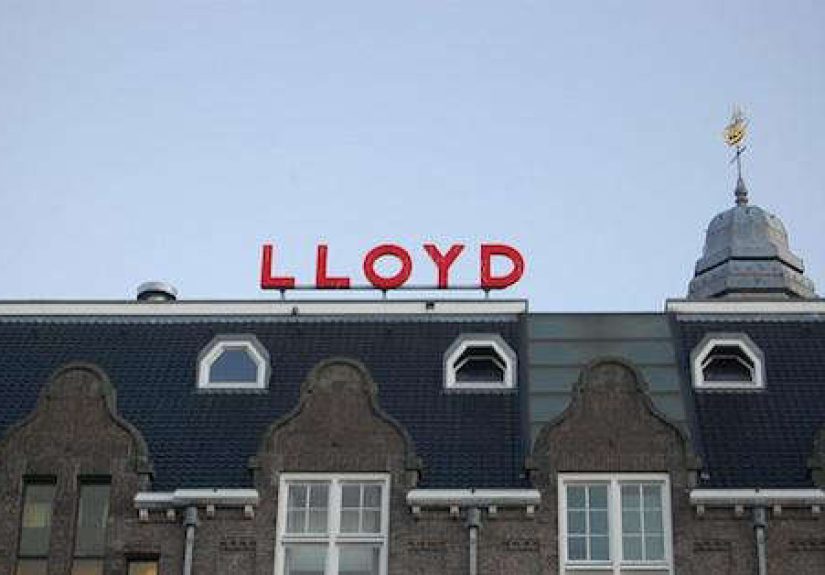
The short answer is this: the historic Lloyd Hotel building still exists, still turns heads, and still anchors the same address on Oostelijke Handelskade. But the property has changed. What many travelers once knew as Lloyd Hotel & Cultural Embassy later closed for renovation and reopened as The Hoxton, Lloyd Amsterdam.
That matters because anyone searching for “Lloyd Hotel Amsterdam” is really dealing with two stories at once. One is the legacy story: a beloved design hotel known for its one-to-five-star concept, highly individual rooms, and cultural identity. The other is the current story: a renovated, 136-room Hoxton hotel that keeps the building’s soul while giving it a more polished lifestyle-hotel feel.
So if you see older references to the original Lloyd Hotel and newer references to The Hoxton Lloyd, do not panic. You have not fallen into an Amsterdam-themed time portal. You are simply looking at the same landmark through different chapters of its life.
The Building’s Backstory Is Wilder Than Most Hotel Bios
Many hotels claim to have “character.” Lloyd has receipts.
The building was commissioned in the early 1920s for the Royal Holland Lloyd Shipping Company and originally served emigrants heading to South America. It was designed by architect Evert Breman and built on a dramatic scale, with room for hundreds of guests waiting to continue their journeys. Later, after the shipping era ended, the structure served other roles, including use as a refugee center, detention center, juvenile detention facility, and artist studios before its transformation back into hospitality.
That layered past is not just a side note for architecture nerds, though architecture nerds will absolutely be insufferably happy here. It shapes the atmosphere of the hotel. The building feels substantial. Slightly theatrical. A little haunted by memory, in an intellectually interesting way rather than a “please do not make me sleep here with a flickering hallway light” way.
When Lloyd reopened in 2004 as the Lloyd Hotel & Cultural Embassy, it became famous for its unconventional room grading and its role as a cultural meeting place. The Hoxton’s renovation modernized the experience, but the building still carries that sense of reinvention. It is one of those rare hotels where the walls do more than hold up the roof. They tell stories.
Location: Why the Eastern Docklands May Be the Smart Stay
If your idea of Amsterdam is stepping outside your hotel into a crowd of tour groups, waffle lines, and souvenir shops selling clogs with suspicious enthusiasm, Lloyd may surprise you. The hotel is in the Eastern Docklands, a waterfront district east of the historic center. That location changes the whole rhythm of a trip.
Instead of being packed into the old canal belt, you get wider streets, more sky, contemporary architecture, and an area that feels lived-in rather than performed for visitors. You are still well connected: the nearby tram stops make it easy to reach Amsterdam Centraal, museums, and the city center without much drama. In practical terms, this means you can spend the day in busy parts of town and come back to a hotel that feels calmer and more breathable.
That said, location is also where honesty becomes useful. Lloyd is not the best fit for every traveler. If it is your first visit and your dream is to be planted directly in the middle of classic canal-ring Amsterdam, you may prefer a more central address. But if you have already done the postcard version of the city, or simply want a more local-feeling base, Lloyd is an excellent call.
Nearby Feel and Access
One of the hotel’s real strengths is how well it balances distance and access. Guest feedback consistently highlights the convenience of the tram, and travel coverage praises the property for offering an Amsterdam experience away from the most crowded core. Nearby attractions and districts, including the Passenger Terminal area and easy links toward museums, add to its practical appeal.
In plainer English: you can get around easily, but you do not have to sleep inside the city’s busiest swirl. That is a win.
Design and Rooms: Stylish Without Feeling Generic
One reason Lloyd built its reputation in the first place was its room individuality. The old Lloyd Hotel became known as the world’s first one-to-five-star design hotel, with unusually varied accommodations. That specific room concept belongs to the earlier era, but the spirit of individuality still hangs around.
The current Hoxton version has 136 bedrooms, and the official description emphasizes interiors inspired by the building’s history, maritime roots, and landmark features. Expect thoughtful decor, contemporary furnishings, plush textures, geometric patterns, and plenty of visual confidence. This is not a beige-box business hotel trying to charm you with one lonely accent pillow. It knows what it is doing.
Travel reviews also point to rooms that are quiet, comfortable, and better suited to real living than many style-first city hotels. Some rooms work especially well for families or small groups, with bunks or extra sleeping space. Others lean more romantic or design-heavy. The overall impression is that the rooms are curated rather than copied and pasted.
That distinction matters in Amsterdam, where plenty of hotels are small, beautiful, and mildly punishing. Lloyd’s rooms tend to feel more generous in spirit. You get style, but you also get usable space, good beds, and a sense that somebody remembered guests are not decorative objects.
Who the Rooms Suit Best
Lloyd works particularly well for:
- Design lovers who want something beyond standard boutique-hotel polish
- Couples who like character over bland luxury
- Families needing flexible room setups
- Repeat Amsterdam visitors ready to try a less obvious neighborhood
- Travelers who appreciate a hotel with actual history, not just fake vintage light fixtures
Food, Drink, and Public Spaces
A good hotel can survive on nice rooms. A memorable hotel usually needs strong public spaces too, and Lloyd has them.
The main restaurant is Breman Brasserie, named after the building’s original architect. The current concept leans into European comfort food with stylish, relaxed energy. The space is large, inviting, and clearly meant to be more than a hotel dining room people use only when jet lag defeats them. There is also a terrace for sunny days, breakfast service, lunch, dinner, bites, bakery offerings, and room service.
Then there is Barbue, a warm, design-forward space set within the historic building. In current hotel materials, Barbue is framed as a flexible venue for events and celebrations, while travel reporting links it to the preserved spirit of the original booking office and the building’s South American shipping legacy. Either way, it adds personality to the property and reinforces the idea that Lloyd is not only for sleeping.
One of the most appealing details in independent and mainstream coverage alike is that the hotel’s public areas attract both guests and locals. That is usually a good sign. It suggests the place has social life, not just branded furniture.
Service, Amenities, and Practical Details
On the practical side, Lloyd delivers what most modern travelers expect. Current booking platforms describe free in-room Wi-Fi, premium bedding, a restaurant, a bar, and standard hotel services like concierge support, luggage storage, and a 24-hour front desk. Reviews frequently mention helpful staff, comfortable rooms, and a welcoming atmosphere.
The hotel is also dog-friendly, which is not a tiny detail for travelers bringing pets along. That makes Lloyd even more appealing for longer stays or more relaxed city breaks.
As for the mood of service, guest comments suggest a generally warm team and strong first impressions, especially at check-in and around the restaurant and bar. Like most popular city hotels, there are occasional complaints in reviews about timing, breakfast replenishment, or operational hiccups. That is real life. But the broader pattern points toward a stylish hotel that does the basics well and adds personality on top.
What Makes Lloyd Different From Other Amsterdam Hotels?
The answer is not just “history,” though history helps. It is the combination of things that makes the property unusual.
First, the building itself has a deep and complicated past, which gives the stay more emotional and architectural weight than the average boutique hotel. Second, the Eastern Docklands location offers a version of Amsterdam that feels more spacious and contemporary. Third, the hotel still carries the creative DNA of the old Lloyd concept, even though it now operates under The Hoxton brand. And fourth, the public spaces feel like places people actually want to spend time in.
In a city full of beautiful hotels, Lloyd is one of the few that feels like a real character rather than a pretty face.
Potential Downsides to Know Before You Book
No smart hotel guide should pretend every property is perfect, because that is how people end up angrily whispering into mini bar menus at midnight.
Lloyd may not be ideal if you want to walk out your front door and be instantly surrounded by the old-city canal scenery Amsterdam is famous for. It also may not be the best fit for travelers who prefer ultra-traditional luxury or a completely predictable room experience. The property’s identity is rooted in design, atmosphere, and place. That is the charm, but it can also mean the hotel appeals more to travelers who enjoy personality than to those who want sterile uniformity.
In other words, if your favorite hotel genre is “international business beige,” Lloyd is probably not your soulmate.
The Experience of Staying at Lloyd Hotel in Amsterdam
What does a stay here actually feel like? Picture arriving from the tram and seeing the building rise with a kind of dignified oddness, as if it remembers several previous centuries and is in no rush to explain itself. The entrance has weight. The architecture signals immediately that you are not checking into a forgettable chain outpost where the only local culture is a black-and-white photo of bicycles in the hallway.
Inside, the experience becomes more layered. You notice materials first: tile, wood, color, light, old bones mixed with newer design decisions. Then you notice scale. Many Amsterdam hotels lean charmingly compact. Lloyd feels broader, loftier, more open in a way that gives you room to exhale. Instead of squeezing you into a postcard version of the city, it invites you into a living neighborhood and a building with its own internal world.
Mornings here are part of the appeal. You can imagine starting with breakfast at Breman Brasserie, where the atmosphere is more stylish brasserie than sleepy buffet penance. Then you step outside into the Eastern Docklands and begin the day with a waterfront walk, a tram ride, or a borrowed bike. The area has that useful traveler magic of feeling distinct without feeling inconvenient. It is removed from the center just enough to be quieter, but connected enough that the city never feels out of reach.
Afternoons can go in several directions. You can head into central Amsterdam for museums and canal views, then return before dinner to a neighborhood that feels calmer and more local. You can stay east and explore the surrounding streets, modern architecture, cafes, and waterside paths. Or you can do what good hotels secretly encourage: spend more time in the hotel than you planned because the lobby, restaurant, and bar keep making persuasive arguments.
Evenings may be the strongest part of the Lloyd mood. The building’s history seems to deepen after dark. Public spaces glow a little warmer. The bar feels more atmospheric. The whole property becomes less like a simple hotel and more like a set for a movie about attractive, mildly mysterious people who know where to get excellent cocktails. You do not have to become one of those people, but the hotel gives you permission to pretend for a night or two.
Most of all, staying at Lloyd feels memorable. Not flashy for the sake of flash. Not luxurious in a cold, intimidating way. Memorable because the place has texture. It gives you story, context, design, comfort, and a version of Amsterdam that feels slightly smarter than the obvious one. For many travelers, that is exactly what turns lodging into part of the trip instead of just the place where you charge your phone.
Final Verdict
If you are researching hotels and lodging in Amsterdam and want a property with history, character, smart design, and a less tourist-saturated setting, Lloyd deserves serious attention. The old Lloyd Hotel may now operate as The Hoxton, Lloyd Amsterdam, but the core appeal remains very much alive.
This is a hotel for travelers who enjoy spaces with stories, neighborhoods with personality, and rooms that feel considered rather than generic. It is especially strong for return visitors, design-minded couples, creative travelers, and anyone who likes the idea of experiencing Amsterdam from a slightly different angle.
So yes, Lloyd Hotel in Amsterdam is still worth talking about. In fact, that may be the best compliment of all. Plenty of hotels are comfortable. Fewer are interesting. Lloyd manages to be both.