Table of Contents >> Show >> Hide
- What Was “Hey Pandas, Draw A King” All About?
- Why This Challenge Captured So Much Attention
- Popular Approaches People Used When Drawing Their “King”
- Lessons Artists Learned From Participating
- How “Draw A King” Fits Into the Larger Art-Prompt Culture
- Why Bored Panda’s Community Challenges Stand Out
- Experiences and Reflections: What It’s Like to Join the “Draw A King” Challenge ()
- Conclusion
If there’s one thing the internet never gets tired of, it’s creativity mixed with pure, unfiltered chaosthe kind that only Bored Panda’s community challenges can deliver. And few challenges have captured that quirky magic quite like “Hey Pandas, Draw A King (Closed)”. Even though the submission window has closed, the spirit of this art prompt continues to reign (pun fully intended) across social platforms and creative corners of the web.
In this deep-dive, we’ll explore what made the challenge so charming, how creators approached the idea of “drawing a king,” what people learned from participating, and why Bored Panda’s community events keep inspiring both beginner doodlers and seasoned illustrators. Whether you sketch for fun, follow art prompts for practice, or simply love seeing creative minds at work, this article gives you a front-row seat to the royal showcase.
What Was “Hey Pandas, Draw A King” All About?
Bored Panda’s user-generated challengesoften short, fun, and irresistibly weirdinvite readers to share art, stories, photos, or other creative contributions on a theme. The “Draw A King” challenge was simple but wildly flexible: create your own interpretation of a king. No rules, no strict formats, no art degree required.
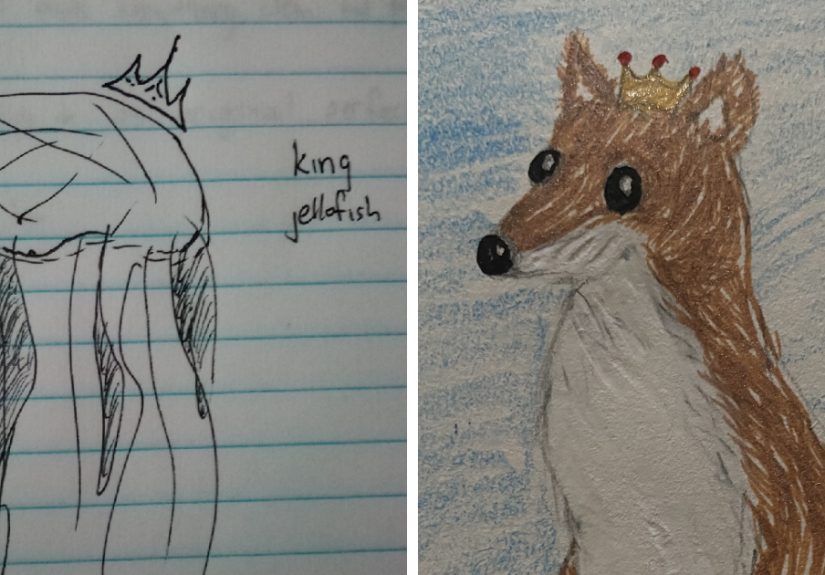
Some participants drew majestic monarchs with velvety cloaks and ornate crowns. Others went in the opposite direction, delivering onion kings, pizza kings, raccoon kings, stick-figure kings, and cat kings who clearly ruled with an iron paw. The beauty of the challenge lay in its opennessthe “king” could be anything, as long as it wore a crown (even if the crown was suspiciously made of cheese).
Why This Challenge Captured So Much Attention
1. The Prompt Was Simple but Had Endless Possibilities
One reason U.S. creativity hubslike Bored Panda, Reddit’s r/SketchDaily, and community challenges on Pinterestgain traction is the simplicity of their prompts. “Draw A King” worked because it was accessible. Anyone could try it. And everyone interpreted it differently.
2. It Encouraged Skill Growth Without Pressure
Art educators across the United States often emphasize the value of low-pressure creativitysomething supported by platforms like Skillshare, ArtStation, and DeviantArt. This challenge created a supportive environment for artists at all levels to experiment with poses, expressions, and royal aesthetics.
3. It Inspired Humor (and the Internet Loves Humor)
Let’s be honest: the online world eats up anything funny. Many entries embraced comedykings who lost their crowns, kings whose kingdoms were made of snacks, kings with chaotic energy, and kings who very obviously did not want to be kings. Bored Panda thrives on humorous community posts, and this challenge produced plenty of giggles.
Popular Approaches People Used When Drawing Their “King”
1. The Classic Medieval Monarch
Inspired by iconic imagery from U.S. pop culturethink Disney movies, Renaissance fair aesthetics, or even the Game of Thrones eramany artists depicted classic monarchy themes. Flowing robes, heavy gold crowns, jeweled swords, and elaborate thrones made frequent appearances.
2. The Modern Royal Twist
Some creators blended royalty with contemporary themes: a business-casual king ruling a cubicle kingdom, a tech king crowned with USB cables, or a foodie king holding a cheeseburger like it was an orb of power. This mix of old and new echoed trends seen in modern fan-art communities.
3. Animal Kings
Bored Panda audiences adore animal-themed humor, so it’s no surprise that submissions included:
- Cat kings sprawled on tiny velvet pillows
- Dog kings holding court over chew-toy empires
- Lizard kings basking under royal heat lamps
- Bird kings whose crowns were just extra feathers
These whimsical entries gave viewers something joyful and relatableespecially for pet owners who already believe their pets act like royalty.
4. Abstract or Minimalist Kings
Not all artists opted for realism or detail. Some participants used geometric shapes, stick figures, or bold color blocks to form their king. Minimalist art has become increasingly popular on Instagram and online print shops, so this trend carried naturally into the Bored Panda challenge.
Lessons Artists Learned From Participating
1. Creativity Thrives With Constraints
Ironically, setting a small boundary“draw a king”helps spark more creativity. Many U.S. art educators highlight this concept: constraints reduce decision overload and encourage focused innovation.
2. Humor Makes Art More Approachable
Many participants shared that adding a twist or joke helped them relax. Humor broke the pressure barrier and allowed creativity to flow naturallyespecially for those intimidated by more serious challenges.
3. Community Feedback Is a Powerful Motivator
Participants often comment on each other’s posts, offering encouragement, appreciation, and shared laughs. This sense of connection is why community platforms like Bored Panda, Reddit, and Facebook art groups remain so influential among creators.
4. Everyone Has a Unique Style (Even If They Don’t Realize It)
Seeing dozens of interpretations of the same prompt reveals something valuable: no two drawings look alike. Whether stylized, chaotic, cartoony, or elegant, each submission reflects the creator’s personal signature.
How “Draw A King” Fits Into the Larger Art-Prompt Culture
Creative prompts have been around forever, but online communitiesespecially those popular in the U.S.have transformed them into global events. From Inktober to Doodle Addicts challenges, people join prompts for:
- daily art practice
- portfolio-building
- stress relief
- community belonging
- experimentation
The “Hey Pandas, Draw A King” challenge fits right into this ecosystem. It’s playful, open-ended, low-commitment, and highly shareableall the ingredients for a successful community activity.
Why Bored Panda’s Community Challenges Stand Out
1. They’re Designed for Joy, Not Competition
Unlike rigid contests, Bored Panda emphasizes participation over perfection. You don’t need to be a professional illustratorjust someone with a pencil, tablet, or even a napkin if the inspiration strikes.
2. They Celebrate Creativity in All Forms
Whether the submission is a masterpiece or a doodle created during a coffee break, it still earns a spot in the community gallery. That inclusive environment empowers people to share without judgment.
3. They Add Humor to Everyday Art
Because humor is baked into Bored Panda’s DNA, even serious prompts often take whimsical turns. This keeps the challenges entertaining both for creators and viewers.
Experiences and Reflections: What It’s Like to Join the “Draw A King” Challenge ()
Participating in the “Hey Pandas, Draw A King (Closed)” challenge felt a bit like being invited to a royal costume party where everyone interpreted the dress code differentlyand hilariously so. Even without a strict theme, the creativity blossomed immediately. Some artists approached the prompt with serious artistic intent, sketching detailed portraits reminiscent of historical European monarchs, complete with intricate shading and ornate accessories. Others took the comedic route, drawing kings who looked like they accidentally inherited the throne when they were simply the closest person standing near a crown.
One of the most delightful aspects of joining this kind of challenge is seeing how participants transform a simple idea into something distinct. One creator shared a digital illustration of a raccoon king sitting triumphantly atop a trash-can throne. Another posted a watercolor depiction of a giant mushroom king, whose subjects were garden gnomes kneeling in admiration. These creative leaps remind you that art prompts aren’t about creating something technically impressivethey’re about letting your imagination run free, even if it sprints wildly in unexpected directions.
Many participants noted the sense of encouragement they felt throughout the challenge. Artists commented on each other’s posts with supportive messages: “Love the color palette!” “This made me laugh out loud!” “Your king looks like he’s judging my life choicesand honestly, he’s right.” These interactions fostered a genuine sense of camaraderie. Even though the challenge is closed, that feeling continues to ripple through the community.
For beginners, it offered an entry point into practicing without fear. One participant said that this was the first time they had ever shared their artwork online. Another expressed relief that the challenge didn’t require an advanced skill set; they could draw their king however they wantedstick figures included. This kind of freedom encourages participation from people who might otherwise hesitate to showcase their art publicly.
Those with more experience enjoyed the challenge for different reasons. Some used it as an opportunity to practice character design, experimenting with personality, posture, and style. Others used it as warm-up art before tackling more complex projects. Drawing a kingwhether serious or sillylet them play with proportions, costume details, and dramatic lighting.
Perhaps the most surprising aspect was how emotionally engaging the challenge became. Several drawings included backstories that transformed the simple art prompt into mini storytelling moments. One artist described their king as “the reluctant monarch who just wants a nap,” while another sketched a king who rules a peaceful kingdom of dessert lovers. These stories added depth and charm, proving that creativity often extends beyond the visual medium.
In the end, participating in “Draw A King” wasn’t just about drawingit was about connecting with creativity, humor, and community. Even though the challenge is now closed, the submissions continue to inspire new ideas, spark artistic curiosity, and remind creators everywhere that sometimes the simplest prompts lead to the most delightful results.
Conclusion
The “Hey Pandas, Draw A King (Closed)” challenge may no longer accept entries, but its spirit remains alive through the creativity it sparked. It highlighted everything people love about community art prompts: humor, imagination, inclusivity, and the joy of seeing how wildly different minds interpret the same idea. Whether you’re an artist looking for inspiration or simply someone who enjoys creativity in all its quirky glory, this challenge proves that even a simple crown can lead to a kingdom of ideas.