Table of Contents >> Show >> Hide
- What Are Microplastics, Exactly?
- How Microplastics Get Into Your Body
- What Scientists Have Found Inside the Human Body
- How Microplastics May Harm Your Health
- Inflammation: the body’s alarm system stuck in the “on” position
- Oxidative stress: tiny particles, big biochemical drama
- Hormones and metabolism may get dragged into the mess
- Your gut may be doing more than digesting dinner
- Lungs and airways are especially vulnerable
- Heart and blood vessel concerns are getting louder
- Reproductive and developmental health may be at risk
- Why the Science Is Still Messy
- How to Reduce Exposure Without Becoming a Hermit
- Everyday Experiences That Make the Microplastics Problem Feel Personal
- Conclusion
Plastic used to be the miracle material. Light, cheap, sturdy, and weirdly talented at turning leftovers into tomorrow’s lunch. Then we learned the fine print: plastic does not politely disappear. It breaks down into smaller and smaller pieces until it becomes microplastics and nanoplastics, tiny particles that drift through water, food, dust, and air like unwanted confetti. And now, to everyone’s collective horror, those particles are showing up in the human body.
That does not mean every plastic speck is an instant medical emergency. The science is still evolving, and researchers are being careful not to overpromise or overpanic. But the direction of travel is clear. Scientists have found microplastics in blood, lungs, placentas, reproductive tissues, and other organs. They are studying how these particles may trigger inflammation, oxidative stress, hormone disruption, immune changes, and damage to delicate tissues over time.
In plain English: the concern is no longer “Are microplastics around?” Of course they are. The real question is how much they affect your body, which organs are most vulnerable, and how much everyday exposure adds up over a lifetime. Here is what the evidence suggests so far, what it does not prove yet, and how to think about the risks without spiraling every time you open a takeout container.
What Are Microplastics, Exactly?
Microplastics are tiny plastic particles generally smaller than 5 millimeters. That means some are visible if you squint hard enough, while others are so small they behave more like dust than debris. Nanoplastics are even smaller and often raise more concern because their size may help them move deeper into tissues and even into cells.
Some of these particles are made small on purpose, but many come from the slow breakdown of larger plastic products. Think water bottles, food packaging, synthetic clothing, tires, paint, furniture, carpeting, disposable utensils, and the sad little salad container that swore it was “recyclable.” Sunlight, heat, friction, and time do the shredding. The particles then hitch rides through air, soil, rivers, oceans, and the food chain.
How Microplastics Get Into Your Body
1. Through food and drinks
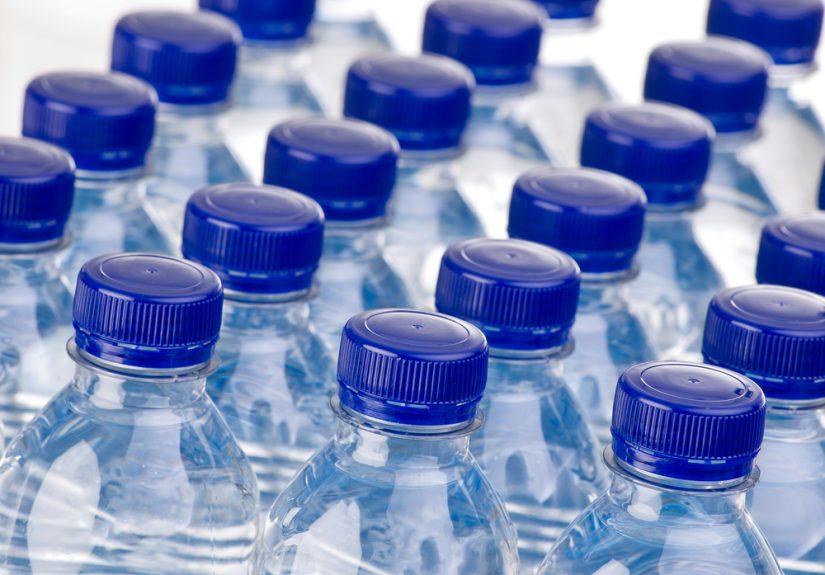
One major route is ingestion. Microplastics have been detected in bottled water, seafood, salt, sugar, tea, honey, milk, and other foods. Packaging can contribute, but so can the environment itself. If crops grow in contaminated soil or seafood filters contaminated water, tiny plastic fragments can make their way onto your plate before dinner even starts pretending it is healthy.
This is one reason scientists are paying close attention to bottled beverages, processed foods, and items with lots of packaging. That does not mean every plastic bottle is poison in disguise. It means repeated, low-level exposure may be common enough to matter when it happens day after day, year after year.
2. Through the air you breathe
Microplastics are not just something you swallow. You can inhale them too. Indoor dust often contains fibers shed from synthetic rugs, curtains, upholstery, and clothing. Tiny particles can also come from vehicle tires, industrial sources, and degraded outdoor waste. Once airborne, they may be small enough to travel into the respiratory tract.
That is especially important because lung tissue is delicate. It is built for gas exchange, not for hosting microscopic pieces of old packaging and polyester leggings. Researchers have already found microplastics in human lung tissue, which is exactly the kind of sentence nobody wanted to read in the modern age.
3. Through everyday contact
Dermal exposure appears to be a less important route than eating or inhaling, but skin contact still adds to the overall conversation, especially in workplaces or settings with higher particle exposure. More importantly, many everyday habits combine routes: you touch plastic, heat plastic, drink from plastic, store food in plastic, and breathe particles released from plastic-rich indoor spaces.
What Scientists Have Found Inside the Human Body
The phrase “microplastics are everywhere” sounds dramatic until you see where researchers have actually detected them. Studies have identified plastic particles in human blood, lungs, stool, urine, placenta, testes, and even brain-related tissue. These findings do not automatically prove disease, but they do prove exposure is not theoretical. The particles are getting in.
That matters because location changes the level of concern. A plastic particle in ocean water is an environmental story. A plastic particle in the bloodstream is a human health story. A particle in reproductive tissue or a placenta is not just unsettling; it raises questions about fertility, fetal development, and long-term biological effects that science is only beginning to sort out.
Researchers are also paying attention to particle size and type. Smaller particles may move more easily across biological barriers. Some plastics may be more chemically active than others. And many particles are not traveling alone. They can carry additives, residues, and other contaminants that may amplify harm.
How Microplastics May Harm Your Health
Inflammation: the body’s alarm system stuck in the “on” position
A leading concern is inflammation. When the body encounters something foreign, it reacts. That is useful if you are fighting an infection; less useful if your tissues keep meeting tiny synthetic particles they were never designed to handle. Chronic, low-grade inflammation is associated with many major diseases, from cardiovascular problems to metabolic disorders.
Microplastics may irritate tissues directly or prompt immune cells to respond. In lab and animal studies, researchers have seen inflammatory changes after exposure to certain plastic particles. Human evidence is still developing, but inflammation is one of the strongest biological explanations for why microplastics might be harmful over time.
Oxidative stress: tiny particles, big biochemical drama
Another important mechanism is oxidative stress. This happens when the body produces more unstable molecules than it can safely neutralize. Too much oxidative stress can damage proteins, membranes, and DNA. It is basically the cellular version of rust, except less charming and much worse for your organs.
Some studies suggest microplastics can increase oxidative stress in cells, especially in the lungs and digestive system. That does not mean one sip from a plastic bottle flips a switch. It means repeated exposure may contribute to wear and tear at a microscopic level, which is exactly where many chronic diseases begin.
Hormones and metabolism may get dragged into the mess
Plastic particles are not just physical irritants. They can also be linked to chemicals used in plastic production, including substances known or suspected to affect hormone signaling. Endocrine disruption matters because hormones regulate metabolism, growth, reproduction, mood, sleep, and development. In other words, they run the body’s group chat.
Scientists are investigating whether microplastics and the chemicals associated with them may influence weight regulation, insulin signaling, puberty timing, fertility, and other hormone-sensitive processes. The evidence is not complete, but the concern is credible enough that researchers are taking it seriously rather than treating it like a crunchy internet rumor.
Your gut may be doing more than digesting dinner
The digestive tract is one of the first places ingested microplastics can interact with the body. Researchers suspect they may affect the intestinal lining, immune responses, and the gut microbiome. That matters because the gut is not just a food tube; it is a major immune and signaling center.
If microplastics irritate the gut or alter microbial balance, the effects may ripple outward. Digestive discomfort, changes in nutrient absorption, inflammation, and immune shifts are all part of the conversation. The evidence in humans is still incomplete, but the gut remains one of the most plausible front lines for harm.
Lungs and airways are especially vulnerable
Airborne particles can settle in the respiratory system, and emerging research suggests inhaled microplastics may contribute to inflammation, oxidative stress, impaired tissue repair, and possibly fibrotic changes under some conditions. Since lungs are exposed to the outside world with every breath, they are an obvious target.
This does not mean every dusty room is a plastic apocalypse. It does mean indoor air quality, synthetic fibers, and occupational exposures deserve more attention than they usually get. Breathing is not optional, so inhalation risks tend to be less avoidable than food choices, which makes them particularly important from a public health perspective.
Heart and blood vessel concerns are getting louder
One of the most eye-catching areas of research involves the cardiovascular system. Recent studies have detected microplastics and nanoplastics in artery plaque, and some findings have linked their presence with a higher risk of heart attack, stroke, or death during follow-up. That is an association, not final proof of cause, but it is enough to make cardiologists stop scrolling and pay attention.
The possible explanation is not mysterious. Inflammation, oxidative stress, and direct interaction with blood vessels could all help turn a bad plaque situation into an even worse one. Researchers still need larger studies and better exposure measurements, but the cardiovascular angle has moved this issue from environmental curiosity to serious medical concern.
Reproductive and developmental health may be at risk
Microplastics have been found in placentas and testes, and that discovery has raised major questions about fertility, sperm quality, pregnancy, and fetal development. Early-life exposure matters because the body is building critical systems during pregnancy and infancy. Tiny disruptions at the wrong time can have outsized consequences later.
Scientists are still working to understand what those consequences may be in humans. But when particles are turning up in tissues connected to reproduction and development, cautious concern is not overreaction. It is common sense with a lab coat on.
Why the Science Is Still Messy
If you feel like headlines about microplastics swing wildly between “We are doomed” and “Nothing to worry about,” you are not imagining things. This is a hard area to study. Scientists do not yet have perfectly standardized methods for detecting and measuring microplastics across all foods, tissues, and environments. Different studies use different techniques, which makes comparison tricky.
There is also a huge gap between finding particles and proving harm. Presence alone does not equal disease. Dose matters. Particle size matters. Polymer type matters. The chemicals attached to the particle may matter. Your age, health, job, home environment, and diet may all matter too. In short, this is not a clean, simple story.
That is why good experts sound careful. They are not dismissing the problem. They are separating what is known from what is likely, and what is likely from what is merely possible. Right now, the most honest summary is this: microplastics are in us, they appear biologically active, and there is enough evidence of possible harm to justify concern and prevention, even though every detail is not nailed down yet.
How to Reduce Exposure Without Becoming a Hermit
You cannot eliminate microplastics from modern life unless you plan to move into a cave and start drinking rainwater filtered through a walnut shell. Even then, honestly, good luck. But you can lower exposure in practical ways.
- Use glass, stainless steel, or ceramic for food and drinks when possible.
- Avoid heating food in plastic unless the container is specifically designed for it.
- Do not leave bottled water baking in a hot car or direct sunlight.
- Cut back on heavily packaged foods when you reasonably can.
- Ventilate and dust your home to reduce indoor particles, especially if you have lots of synthetic textiles.
- Wash synthetic clothing thoughtfully and replace worn plastic items that shed or crack.
- Stay hydrated and sane; lowering exposure is smart, but panic is not a health strategy.
The goal is not perfection. The goal is reducing avoidable exposure while public health science catches up with a problem that industry created at full speed and researchers are now trying to understand in real time.
Everyday Experiences That Make the Microplastics Problem Feel Personal
For many people, microplastics stopped being an abstract environmental issue the moment they noticed how much plastic their normal day required. Breakfast comes in a plastic tub. Coffee wears a plastic lid. Lunch arrives in a plastic clamshell. The gym water bottle is plastic, the protein powder scoop is plastic, and the grocery berries are tucked into a clear little box that seems to multiply overnight in the refrigerator. Suddenly, the topic does not feel like “pollution out there.” It feels like a roommate that never pays rent.
One of the most relatable experiences is reheating leftovers. You open the fridge, see a plastic container, and wonder whether convenience just filed a tiny complaint against your cells. Most people have had that moment where they hesitate before pushing the microwave button. Even without turning into a full-time food-storage philosopher, that small pause reflects something bigger: public awareness is changing because people are starting to connect ordinary routines with invisible exposures.
Another common experience is dust. Not dramatic, cinematic dust. Just the usual film on shelves, ceiling fans, and baseboards that seems to reappear even after cleaning. For years, people thought of that dust as a housekeeping failure. Now more of us understand that household dust can include fibers from clothing, carpets, furniture, and other synthetic materials. The lint trap in the dryer suddenly looks less like fluff and more like a tiny museum exhibit for modern living.
Parents often describe a different kind of worry. It is one thing to shrug off your own habits; it is another to look at baby bottles, snack pouches, plastic toys, synthetic baby clothes, and sippy cups and realize how much of early life is wrapped in polymer. That does not mean every parent needs to toss half the nursery into the yard. It does mean the issue hits differently when the conversation shifts from “Is this bad in theory?” to “What am I normalizing for a child every single day?”
Travel adds its own layer. Airports, vending machines, single-serve drinks, prepackaged sandwiches, hotel coffee makers, disposable cutlery, tiny toiletries in plastic wrappers everywhere. You can make one eco-conscious choice and still spend a day in what feels like a sponsorship deal between your digestive system and petrochemicals. People often come away from travel with the same realization: avoiding plastic completely is not realistic, which is exactly why smarter systems matter as much as personal choices.
Then there is the beach experience, which is almost poetic in the worst possible way. You go looking for fresh air and pretty water, and you find bottle caps, fishing line, foam fragments, and mysterious colorful bits in the sand. It is hard not to understand the health angle once you see how easily large plastic trash becomes tiny plastic particles. The environment is not separate from the body. What breaks down in the ocean can circle back through seafood, salt, water, and air. Nature is connected, even when the connection is rude.
Maybe that is why this topic lands so hard. It is not just about chemistry or toxicology. It is about recognizing how deeply plastic has been woven into convenience, commerce, and everyday habits. The experience many people share is not dramatic illness with a clear before-and-after. It is something quieter: a growing discomfort with how normal all of this has become. And sometimes that discomfort is useful. It pushes people to switch a few containers, open a window, carry a reusable bottle, and pay closer attention. Real change often starts there, not with perfection, but with the moment when ordinary life stops looking quite so harmless.
Conclusion
Microplastics are small, but the health questions around them are not. They appear to enter the body through food, water, and air. They have been found in multiple human tissues. And while scientists are still working out exactly how much harm they cause, the evidence already points toward real biological effects that deserve serious attention.
The smartest response is neither denial nor doom. It is informed caution. Reduce exposure where you can, support better science and stronger regulation, and remember that public health problems do not become less real just because they are microscopic. Sometimes the tiniest troublemakers are the ones most likely to overstay their welcome.
: