Table of Contents >> Show >> Hide
- The Short, Honest Answer
- A Practical Daily Benchmark You Can Actually Use
- Why Your Water Needs Change From Day to Day
- How to Tell If You’re Drinking Enough Water
- Can You Drink Too Much Water?
- The Best Way to Build a Water Habit
- Sample Hydration Scenarios
- Common Myths About Drinking Water
- Final Takeaway
- Everyday Experiences That Show Why Hydration Matters
- SEO Tags
If you came here hoping for one magical number that works for every human body, I have good news and mildly annoying news. The good news: staying hydrated is not complicated. The mildly annoying news: there is no single perfect answer for everyone. Your ideal water intake depends on your body size, activity level, climate, diet, age, and health status. In other words, your friend who lives on iced coffee and optimism may not need the exact same hydration plan as a runner training in August.
Still, there are smart guidelines. And once you understand what counts toward hydration, how to spot the signs you need more fluids, and when you may need extra water, the question “How much water should you drink?” becomes much easier to answer without turning your day into a full-time bottle-refilling internship.
The Short, Honest Answer
For most healthy adults, a useful starting point is this: aim for enough fluids that you rarely feel very thirsty, your urine is usually pale yellow, and your energy does not tank because you accidentally spent the day running on crackers and wishful thinking. That is the practical answer.
The more technical answer is that many U.S. health organizations point to general total daily fluid targets of about 15.5 cups for men and 11.5 cups for women. That total includes all fluids and the water found in food, not just plain water. Since foods often provide a meaningful portion of daily hydration, your actual beverage intake may be lower than those totals suggest.
So no, everyone does not need exactly eight glasses a day. The old “8×8 rule” is memorable, but it is more of a simple habit cue than a universal law of nature. Think of it as hydration training wheels, not the final destination.
A Practical Daily Benchmark You Can Actually Use
If you want a simple everyday framework, this is a solid place to start:
| Group | Simple Daily Goal | What That Means in Real Life |
|---|---|---|
| Adult men | About 13 cups of beverages daily | Water, milk, tea, coffee, and other drinks can count |
| Adult women | About 9 cups of beverages daily | More may be needed in hot weather or with exercise |
| Pregnant women | About 10 cups daily | Needs often rise during pregnancy |
| Breastfeeding women | About 13 cups daily | Fluid needs are often higher during lactation |
These are not strict commandments carved into a very hydrated stone tablet. They are starting points. If you eat lots of fruit, vegetables, yogurt, soups, and other water-rich foods, some of your hydration is already handled. If you exercise hard, work outside, are sick, or live in a hot climate, you will likely need more.
What Counts Toward Hydration?
Plain water is still the star of the show because it is calorie-free, cheap, and excellent at being water. But it is not the only player on the team. Coffee, tea, milk, sparkling water, broth, and even some fruits and vegetables contribute to your fluid intake. Watermelon, oranges, cucumbers, strawberries, lettuce, soups, and smoothies all help.
That said, not all beverages are equally smart choices. Sugary drinks can pile on calories quickly. Alcohol can complicate hydration, especially in heat. Energy drinks can add caffeine and sugar you may not need. So yes, coffee can count, but a giant dessert-in-a-cup disguised as a coffee order is not exactly hydration royalty.
Why Your Water Needs Change From Day to Day
1. Activity Level
If you are working out, especially for longer periods or in the heat, you lose more water through sweat. That means your baseline daily intake may not cut it. A brisk walk on a cool morning is one thing. A long run, outdoor job, or intense gym session is another entirely.
For regular moderate exercise, drinking before, during, and after activity is usually enough. For long workouts or endurance events, electrolytes may matter too, especially if you are sweating heavily for more than an hour or losing salt in visible white streaks on your clothes or skin.
2. Weather and Climate
Hot, humid, and high-altitude environments can all increase fluid needs. In summer, many people underestimate how much water they lose simply by existing outdoors. Add travel, sightseeing, or standing in the sun, and your hydration needs can climb fast.
3. Illness
Fever, vomiting, diarrhea, and infections can all deplete fluids quickly. When you are sick, hydration becomes less of a wellness trend and more of a practical survival skill. In those situations, water alone may not always be enough if you are also losing electrolytes, which is why oral rehydration solutions or electrolyte-containing drinks may sometimes help.
4. Pregnancy and Breastfeeding
Your body’s fluid demands increase during pregnancy and breastfeeding. If you are nursing, you may notice thirst hits with the timing of feedings like your body is sending calendar invitations.
5. Age and Health Conditions
Older adults may feel thirst less strongly, which makes dehydration easier to miss. On the other hand, some people with heart failure, kidney disease, liver disease, or certain endocrine conditions may need to limit fluids or follow a personalized plan. If a clinician has told you to monitor fluid intake, follow that advice over any general article on the internet, including this one.
How to Tell If You’re Drinking Enough Water
The human body is wonderfully sophisticated, but it also leaves clues that are delightfully low-tech.
Check Your Urine Color
One of the easiest hydration clues is urine color. Pale yellow usually suggests you are in a good range. Dark yellow or amber can mean you need more fluids. Completely clear urine all day, every day is not an Olympic achievement either; it can mean you are overdoing it.
Pay Attention to Thirst
Thirst matters, but it is not perfect. Once you feel seriously thirsty, you may already be a bit behind. During hard exercise, in hot conditions, or in older adults, thirst may lag behind what the body actually needs.
Notice the Subtle Signs
Mild dehydration can show up as:
- Dry mouth
- Headache
- Fatigue
- Dizziness or lightheadedness
- Dark urine
- Urinating less often
- Feeling weirdly foggy or irritable
If hydration fixes what felt like a random afternoon collapse, your water bottle deserves a little respect.
Can You Drink Too Much Water?
Yes. More water is not always better. Overhydration can dilute sodium in the blood and, in serious cases, lead to a dangerous condition called hyponatremia. This is more likely during endurance events, intense training, or situations where someone drinks huge amounts of water without replacing electrolytes.
That is why smart hydration is better than aggressive hydration. You are trying to be well-hydrated, not audition for the role of decorative indoor fountain.
When Electrolytes Matter
Most people do not need sports drinks for everyday life. Water is usually enough for routine hydration. But electrolytes may be helpful when you are:
- Exercising hard for a long period
- Sweating heavily in hot weather
- Vomiting or having diarrhea
- Recovering from an illness with significant fluid loss
Even then, moderation matters. Some sports drinks are basically neon sugar delivery systems with a side gig in hydration.
The Best Way to Build a Water Habit
If you hate vague wellness advice, here is a hydration routine that works in normal life:
Start Early
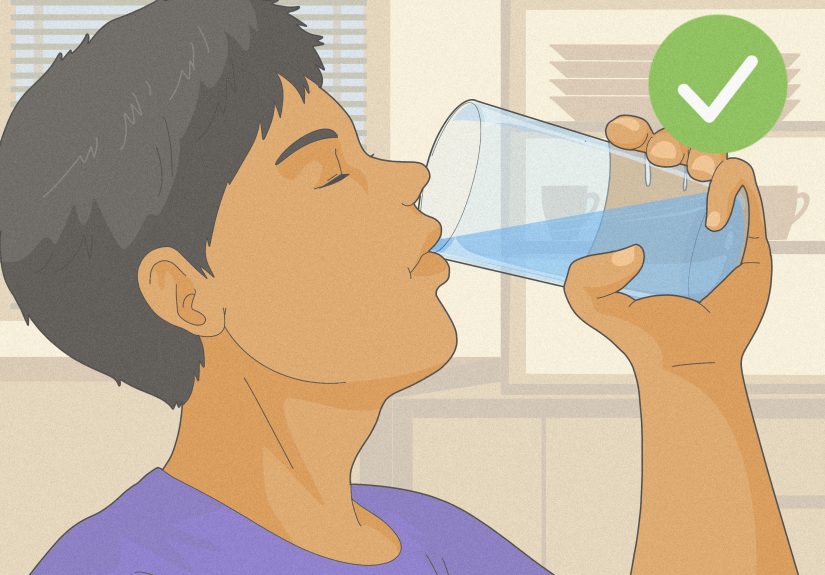
Drink a glass of water in the morning. After seven or eight hours of sleep, you are already starting the day slightly behind.
Use Meals as Anchors
Have water with breakfast, lunch, and dinner. That alone creates structure without requiring a hydration spreadsheet.
Carry a Bottle You’ll Actually Use
The best water bottle is the one you do not leave in the car, forget at the office, or hate cleaning. Convenience beats perfection every time.
Eat Water-Rich Foods
Fruit, vegetables, yogurt, soup, and smoothies can all boost hydration. This matters more than people think, especially for those who do not love chugging plain water.
Drink More When Life Gets Sweaty
Before a workout, during heat exposure, while traveling, or any time you are losing more fluids than usual, step up your intake. Do not wait until you feel like a raisin with a to-do list.
Sample Hydration Scenarios
The Desk Worker
If you work indoors, are moderately active, and eat regular meals, aiming for steady fluids across the day is usually enough. A glass on waking, one with each meal, one mid-morning, one mid-afternoon, and one in the evening can get you surprisingly far without drama.
The Walker or Gym-Goer
If you do a daily workout, add fluids before and after exercise. If the workout is long, intense, or sweaty, plan extra hydration rather than hoping your post-workout smoothie fixes everything.
The Outdoor Worker or Summer Traveler
Here, hydration needs rise fast. Water should be frequent, not occasional. Taking planned drink breaks works better than waiting for thirst to make the decision for you.
The Older Adult
If you are caring for an older parent or relative, remember that dehydration can sneak up. Fatigue, confusion, dizziness, or reduced appetite may sometimes be linked to low fluid intake.
Common Myths About Drinking Water
Myth: Everyone Needs Eight Glasses a Day
Reality: It can be a fine habit, but it is not a universal rule. Some people need less. Some need more.
Myth: Only Plain Water Counts
Reality: Other beverages and water-rich foods count too.
Myth: Clear Urine Means Perfect Hydration
Reality: Pale yellow is usually the sweet spot. Constantly colorless urine can mean you are overdoing fluids.
Myth: Sports Drinks Are Better Than Water
Reality: For most ordinary days, water wins. Sports drinks are useful in specific situations, not as a default lifestyle accessory.
Final Takeaway
So, how much water should you drink? Enough to stay consistently hydrated, not obsessively overwatered. For many healthy adults, that means using the general daily guidance as a starting point, then adjusting based on heat, exercise, diet, illness, pregnancy, breastfeeding, and overall health.
If you want the simplest version, here it is: drink regularly throughout the day, pay attention to thirst, watch urine color, and increase fluids when life gets hotter, harder, or sweatier. Hydration does not need to be complicated. Your body is usually pretty honest when it needs help. You just have to listen before it starts sending passive-aggressive signals in the form of headaches and suspiciously dark pee.
Everyday Experiences That Show Why Hydration Matters
Hydration advice often sounds abstract until it shows up in ordinary life. Take the classic office worker example. A person starts the day with coffee, answers emails at warp speed, skips water until lunch, and then wonders why a dull headache moves in by 2 p.m. They assume the problem is stress, screen time, or the universe being rude. Then they drink water, eat something sensible, and suddenly feel human again. It is not glamorous, but it is common. Many people are not dramatically dehydrated. They are just consistently a little behind.
Now think about someone who starts walking every morning to get healthier. During cooler months, one bottle seems fine. Then summer arrives, the humidity kicks in, and the same route suddenly feels harder. They get home more tired, maybe a little lightheaded, and start noticing that their recovery is slower. Nothing is “wrong,” exactly. Their body is simply losing more fluid than before. Once they add water before the walk and a little more afterward, the difference can feel surprisingly big. Same person, same route, different hydration needs.
Parents see this too. A child comes home from school cranky, tired, and weirdly uninterested in snacks, which should frankly set off national alarms. Sometimes the issue is just that the child barely drank during the school day. A water bottle went untouched, recess was hot, and by late afternoon everything feels harder. After some fluids, a little food, and a short rest, the child is back to talking at full speed. Hydration may not solve every parenting mystery, but it solves more than you would think.
Older adults often have a different experience. They may not feel thirsty very often, so drinking becomes easy to forget. Family members sometimes notice fatigue, dizziness, dry mouth, or confusion before the person notices a hydration problem. In real life, that can mean setting out water at meals, offering tea or broth, choosing fruit with high water content, or building a routine around medication times. The solution is usually not dramatic. It is consistency.
Even travel tells the same story. Long flights, hotel air conditioning, salty restaurant meals, extra walking, and disrupted schedules can leave people feeling off before they realize what happened. They may blame jet lag alone, when dehydration is quietly helping make everything worse. A simple habit like drinking water at the airport, carrying a refillable bottle, and adding fruit or soup during the day can make travel feel noticeably easier.
The lesson in all of these experiences is simple: water needs are personal, flexible, and closely tied to what your day actually looks like. Hydration works best when it becomes a practical routine, not a rigid rule. The goal is not to hit a trendy number. The goal is to feel better, function better, and stop making your body send complaint letters one headache at a time.