Table of Contents >> Show >> Hide
- The Short Answer: There Is No One “Correct” Hair-Wash Schedule
- What Actually Determines How Often You Should Wash Your Hair?
- A Practical Guide: How Often to Wash Based on Hair Type
- Signs You’re Washing Too Often
- Signs You’re Not Washing Often Enough
- What About Dandruff?
- How to Wash Your Hair Properly
- Common Myths About Washing Hair
- So, How Often Should You Wash Your Hair?
- Real-World Experiences: What People Often Notice When They Change Their Wash Routine
- Conclusion
Ask five people how often you should wash your hair and you may get five wildly confident answers. One person swears by daily shampooing. Another treats shampoo like a rare lunar event. A third will whisper, “Dry shampoo,” like they’ve uncovered an ancient secret. So, who’s right?
The honest answer is: it depends. Not in a vague, unhelpful, shrug-with-a-latte way, but in a real, useful, scalp-specific way. Your ideal hair-washing routine depends on your scalp’s oil production, your hair texture, your lifestyle, how many products you pile on during the week, and whether you’re dealing with issues like dandruff, itching, or irritation.
If you came here hoping for one magic number, I regret to inform you that your scalp did not sign up for a universal subscription plan. But the good news is this: once you understand what your hair and scalp are asking for, it gets much easier to build a routine that keeps your hair clean, healthy, and far less dramatic.
The Short Answer: There Is No One “Correct” Hair-Wash Schedule
For many people, washing hair every two to three days works well. But that is only a starting point, not a law of nature carved into a shampoo bottle. Some people with fine hair or oily scalps may prefer washing every day or every other day. Others with thick, dry, curly, coily, or textured hair may do better washing once a week or even less often, especially if their scalp stays comfortable and buildup stays under control.
In other words, the best hair-washing frequency is the one that keeps your scalp clean and balanced without leaving your hair stripped, brittle, greasy, limp, itchy, or looking like it’s been through a minor emotional crisis.
What Actually Determines How Often You Should Wash Your Hair?
1. Your Scalp Oiliness
Your scalp produces sebum, a natural oil that helps protect the skin and hair. Some people make a little. Some people make enough to power a small slip-and-slide by Tuesday afternoon. If your scalp gets greasy fast, your wash schedule usually needs to be more frequent.
People with oily scalps often notice flat roots, separated strands, or that “my bangs now have their own agenda” feeling within a day or two. When that happens, washing more often is not a moral failure. It is just scalp management.
2. Your Hair Texture and Pattern
Straight hair tends to look oily faster because scalp oil can travel down the hair shaft more easily. Curly and coily hair often stays drier because natural oils do not move down the strand as quickly. That means someone with straight, fine hair may need more frequent washing than someone with thick, tightly coiled hair.
This is why copying someone else’s wash routine rarely works. Your friend may wash daily and look fabulous. You may try that same routine and transform into a frizz-powered weather event.
3. Hair Density and Thickness
Fine hair gets weighed down quickly, so oil and product buildup may show sooner. Thicker or coarser hair can often go longer between washes because it does not collapse at the roots as easily. Density matters too. A full head of thick hair can hide a lot before it waves a white flag.
4. Exercise, Sweat, and Climate
If you work out often, live in a hot or humid area, wear hats frequently, or spend time in dusty environments, your scalp may need cleansing more often. Sweat itself is not the villain, but sweat mixed with oil, dead skin, and styling product can leave the scalp feeling uncomfortable fast.
That does not always mean you must shampoo after every workout. Sometimes a water rinse, scalp massage, or strategic wash-day adjustment is enough. But if your scalp feels itchy, sticky, or grimy, that is a clue worth listening to.
5. Styling Products and Dry Shampoo
Serums, oils, mousses, hairsprays, leave-ins, waxes, and dry shampoo can be wonderful. They can also build up on the scalp and hair over time. If you use several styling products between washes, you may need to shampoo more often than someone whose idea of styling is “I looked at a comb once.”
Dry shampoo can extend time between washes, but it is not a full substitute for actual cleansing. It soaks up oil and can freshen the look of the roots, but it does not truly remove sweat, dead skin, or residue. Think of it as a good backup singer, not the lead vocalist.
6. Scalp Conditions
If you have dandruff, seborrheic dermatitis, psoriasis, or frequent scalp irritation, your wash routine may need to follow treatment instructions rather than beauty trends. In these cases, “washing less to train your hair” is not always helpful. A medicated shampoo used on the right schedule can make a big difference.
If you have persistent itching, redness, pain, flakes that do not improve, or noticeable hair loss, it is smart to see a dermatologist instead of trying to solve everything with vibes and a new conditioner.
A Practical Guide: How Often to Wash Based on Hair Type
Fine or Oily Hair
If your hair gets greasy quickly, daily washing or washing every other day may be completely reasonable. Fine hair tends to show oil faster, and frequent cleansing can help it look fresher and feel lighter. Choose a gentle shampoo if you wash often, and focus on the scalp rather than aggressively scrubbing the entire length.
Medium or “Normal” Hair
If your scalp is not especially oily or dry, washing every two to three days is often a comfortable middle ground. This schedule usually keeps buildup in check without over-drying the hair.
Thick, Wavy, Curly, or Coily Hair
If your hair is naturally drier, thicker, or more textured, washing once a week may be plenty. Some people go longer, especially when the scalp stays calm and the hair remains manageable. The goal is not to chase a trendy number. The goal is to keep the scalp clean enough and the strands moisturized enough.
If your hair is curly or coily, it also helps to be extra gentle on wash day. Shampoo the scalp, not the entire length like you are trying to erase evidence. Let the lather cleanse the rest of the hair as it rinses through.
Color-Treated or Chemically Processed Hair
If your hair is bleached, dyed, relaxed, or heat-damaged, it may do better with less frequent washing and more moisture support. That does not mean ignoring scalp health. It simply means choosing a routine that balances cleansing with conditioners, masks, and gentler shampoos designed for treated hair.
Signs You’re Washing Too Often
Sometimes the problem is not that you are washing too little. It is that you are washing too much. Here are a few clues:
- Your hair feels dry, rough, or straw-like.
- Your scalp feels tight, irritated, or uncomfortably dry.
- Your curls lose definition and turn frizzy.
- Your ends look dull or break easily.
- Your hair looks clean for six minutes and then immediately becomes a cloud of static.
If that sounds familiar, try spacing washes farther apart, switching to a gentler shampoo, using lukewarm instead of hot water, and conditioning more strategically.
Signs You’re Not Washing Often Enough
Yes, this can happen too. Sometimes hair is not “healthy and thriving.” Sometimes it is just overdue. Common signs include:
- Greasy roots and limp hair.
- Visible flakes or scalp buildup.
- Itchiness, odor, or discomfort.
- Hair products seem to stop working.
- Your scalp feels coated, heavy, or congested.
If your scalp is unhappy, it is usually worth increasing wash frequency a bit instead of doubling down on dry shampoo and hope.
What About Dandruff?
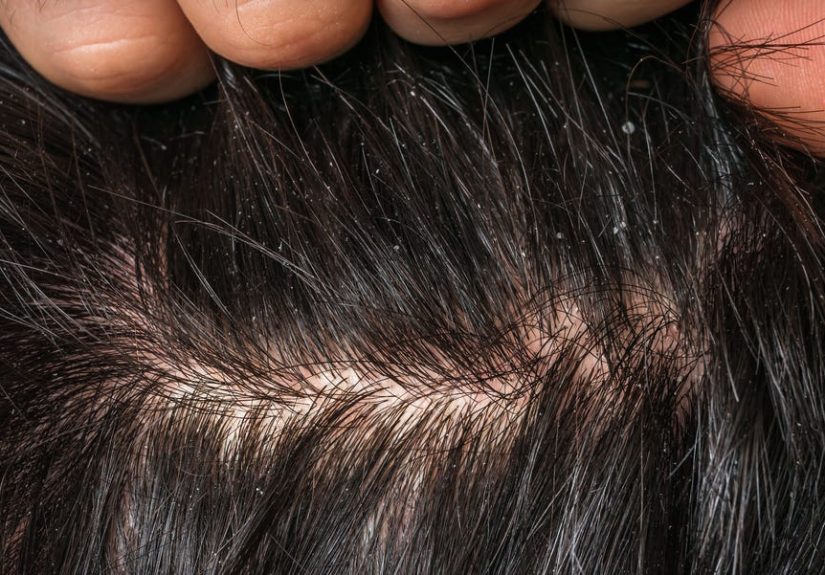
Dandruff changes the conversation. If you have dandruff or seborrheic dermatitis, you may need a medicated shampoo containing ingredients like ketoconazole, selenium sulfide, or zinc-based anti-dandruff agents, depending on what your clinician recommends and what your hair type can tolerate.
For some people with straighter or oilier hair, that can mean using dandruff shampoo a couple of times per week. For those with curly, coily, or drier hair, the schedule may be less frequent, such as once weekly. The key is to follow instructions and give the product enough contact time to work. Slapping it on and rinsing in three seconds is not exactly a power move.
If flakes keep returning, the scalp becomes inflamed, or the condition spreads beyond the scalp, it is time to check in with a dermatologist.
How to Wash Your Hair Properly
Frequency matters, but technique matters too. A solid wash routine can make even an average hair day look much more expensive.
Start With Thoroughly Wet Hair
Get the scalp and hair fully wet before applying shampoo. This helps the cleanser spread more evenly and work better.
Apply Shampoo to the Scalp
The scalp is where oil, sweat, and buildup collect. Focus your shampoo there. Use your fingertips, not your nails, and massage gently. Scratching the scalp like you are trying to win a lottery ticket is not helpful.
Let the Lather Rinse Through the Lengths
Most of the time, the ends do not need aggressive cleansing unless they are loaded with product. The rinse-off lather usually does enough.
Use Conditioner Where You Need It
If your hair is fine or straight, conditioner on the mid-lengths and ends may be enough. If your hair is dry, curly, or textured, you may benefit from applying conditioner more generously.
Use Warm, Not Hot, Water
Very hot water can leave hair and scalp feeling drier. Warm water does the job without turning the shower into a tiny desert simulation.
Common Myths About Washing Hair
Myth 1: Everyone Should Wash Less to “Train” Their Hair
This idea is popular, but it is not a universal truth. Some scalps remain oily no matter how spiritually committed you are to stretching wash day. If your scalp gets greasy quickly, washing more often may simply be the better choice.
Myth 2: Washing Daily Automatically Damages Hair
Not always. Daily washing can work well for some people, especially those with oily scalps or very fine hair, as long as the shampoo is gentle and the rest of the routine supports moisture.
Myth 3: Less Washing Always Means Healthier Hair
Also no. Going too long between washes can lead to buildup, itchiness, and scalp discomfort. Healthy hair does not begin with heroic suffering. It begins with a healthy scalp.
So, How Often Should You Wash Your Hair?
Here is the simplest rule: wash your hair when your scalp needs cleansing, not when the internet starts acting like a shampoo cult. If your roots are oily, your scalp itches, your hair feels heavy, or your products have staged a hostile takeover, wash it. If your scalp feels balanced and your hair still looks and feels good, you can wait.
A smart starting point looks like this:
- Oily or very fine hair: every day to every other day
- Normal scalp and medium texture: every two to three days
- Dry, thick, curly, coily, or textured hair: about once a week, sometimes longer depending on scalp comfort and buildup
- Dandruff or scalp conditions: follow treatment guidance and product directions
Your best routine is not the most extreme one. It is the one that leaves your scalp calm, your hair manageable, and your bathroom shelf a little less chaotic.
Real-World Experiences: What People Often Notice When They Change Their Wash Routine
One of the most common experiences people share is surprise. A person who has washed daily for years may expect disaster if they move to every other day, then discover that their hair looks almost the same on day two, especially with a lightweight conditioner and less heat styling. On the flip side, someone who tried to stretch washes for a week because social media said it would “reset” their scalp may realize their roots feel greasy, their scalp itches, and their hair stops behaving somewhere around day four. The lesson is simple: personal experience matters more than beauty folklore.
People with fine hair often describe a very specific frustration. Their hair can look clean, soft, and bouncy in the morning, then flat and oily by evening. Many of them report that washing every day or every other day gives them the best results, even if they once felt guilty about it. Once they switch to a gentle shampoo and stop apologizing for having an oily scalp, life gets easier. Hair does not need guilt. It needs a workable routine.
Those with curly or coily hair often report the exact opposite experience. Frequent shampooing can leave their hair dry, puffy, and difficult to style. Washing once a week, using conditioner generously, and focusing shampoo on the scalp often feels like a game changer. Instead of fighting dryness all week, they start seeing better curl definition, less breakage, and a scalp that still feels fresh. Many also say that wash day becomes less of a random struggle and more of an intentional reset.
People who exercise regularly often land somewhere in the middle. Runners, gym-goers, and athletes may worry they have to shampoo after every workout. In practice, many find that they can alternate: a full wash after especially sweaty sessions, then a rinse or scalp refresh on lighter days. This tends to work best when they pay attention to how their scalp feels instead of following rigid rules. Sweat alone is not always the problem. The problem is when sweat, oil, and styling product all decide to become roommates.
Another very common experience involves dandruff. Many people try washing less often because they assume flakes must mean dryness. Then they discover that their dandruff improves only when they wash more consistently with the right shampoo. Others with textured hair learn they need a gentler schedule but still benefit from regular scalp treatment. In both cases, the breakthrough usually comes from treating the scalp condition itself instead of guessing.
The biggest takeaway from real-life experience is that successful hair care usually looks less glamorous than people expect. It is not about finding a magical number that works for every head. It is about noticing patterns: when your hair feels best, when your scalp starts to complain, how products build up, and what changes with weather, workouts, and styling habits. Once people start paying attention to those signals, their routine becomes easier, cheaper, and a lot less confusing. Funny enough, the “perfect” routine usually turns out to be the one that feels the most boringly sustainable.
Conclusion
How often you should wash your hair depends on your scalp, not somebody else’s comment section. If your scalp gets oily fast, wash more often. If your hair is dry, curly, coily, or thick, you may need fewer wash days and more moisture. If you have dandruff or scalp irritation, treat the condition instead of guessing.
The healthiest routine is rarely the most dramatic one. Aim for a clean, comfortable scalp and hair that feels manageable in real life. That is the sweet spot. Not hair-washing perfection. Just hair that cooperates without demanding a three-act negotiation.