Table of Contents >> Show >> Hide
- Before You Start: Know the One Big Rule
- What You’ll Need (So You Don’t Have to “Start Over” Three Times)
- Step 1: Confirm Your Transfer Is Still Cancelable
- Step 2: Track the Transfer Using the MTCN
- Step 3: Identify How You Sent the Money (Online/App vs. In-Person)
- Step 4: If You Sent Online/App, Look for a Cancel Option in Your Transfer History
- Step 5: If You Sent In Person, Go Back to the Agent Location With Your Receipt and ID
- Step 6: Call Customer Care (Especially If You Can’t Cancel Online)
- Step 7: If the Transfer Is “On Hold,” Decide Whether to Verify or Cancel
- Step 8: Confirm Refund Details (Method, Fees, and Timeline)
- Step 9: If You Suspect a Scam, Treat It Like a Fire Alarm
- Troubleshooting: When Cancellation Doesn’t Work (But You Still Have Options)
- Frequently Asked Questions
- Smart Prevention: How to Avoid Needing to Cancel Next Time
- Real-World Experiences: What Canceling a Transfer Is Actually Like (And What You’ll Learn)
- Conclusion
You hit “Send,” then your brain finally loads the rest of the webpage: Wait… did I just send money to the wrong person?
Don’t panic. Canceling a Western Union money transfer is often possiblebut only under specific conditions and usually only before the
money has been picked up (cash transfer) or fully deposited (bank transfer).
This guide walks you through 9 practical steps to cancel a Western Union transfer, request a refund, and avoid the most
common “why is this so complicated?” moments. We’ll also cover real-world scenarioslike wrong recipient details, transfers stuck “On Hold,”
and what to do if you suspect a scam.
Before You Start: Know the One Big Rule
In plain English: You can generally cancel only if the money has not been received yet.
For cash pickup transfers, that usually means the receiver hasn’t collected it. For bank deposits, it means the receiver’s bank hasn’t completed it.
If the transfer is already “Paid,” “Delivered,” or otherwise completed, a standard cancellation usually won’t work.
Also, if your transfer qualifies as a remittance transfer under U.S. rules (often international consumer transfers),
you may have a limited right to cancel within a short window (commonly 30 minutes) and receive a full refund. Even outside that window,
Western Union may still allow cancellation if the funds haven’t been paid outpolicies can vary by service type and country corridor.
What You’ll Need (So You Don’t Have to “Start Over” Three Times)
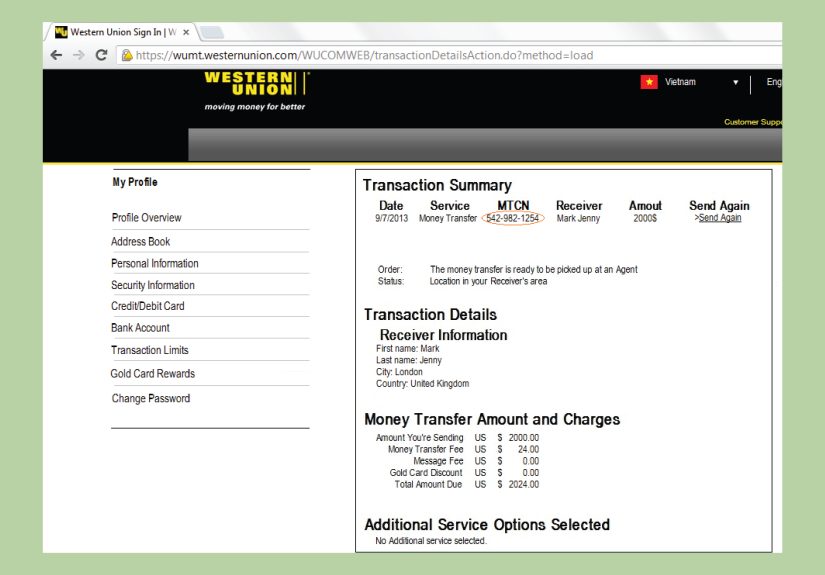
- MTCN (Money Transfer Control Number) or tracking/confirmation number
- Sender name (exactly as entered)
- Receiver name (exactly as entered)
- Amount, date, destination country/city
- Payment method used (cash, debit/credit card, bank transfer)
- Your receipt or email confirmation
- Government-issued ID (especially if you sent in person)
Quick tip: The MTCN is your “golden ticket” for tracking and support. If you’re calling customer care without it,
you may spend quality time listening to hold music you didn’t choose.
Step 1: Confirm Your Transfer Is Still Cancelable
Start by checking whether the transfer is still pending. You’re looking for statuses that suggest the money hasn’t been received yetlike
“In Progress,” “On Hold,” or “Available” (depending on the service and destination).
If the status indicates the funds were already picked up/deposited (“Paid,” “Delivered,” or “Completed”), cancellation may no longer be possible
through normal channels. Don’t stop reading, thoughthere are still actions you should take, especially if fraud is involved.
Step 2: Track the Transfer Using the MTCN
Use Western Union’s tracking feature online or in the app. Typically you’ll need the MTCN plus the sender’s name
(and sometimes the receiver’s name) to pull up the transaction.
Why tracking first matters
- It tells you whether cancellation is even an option.
- It shows if the transfer is “On Hold” (which can mean verification is needed).
- It gives customer service the exact transaction record faster.
Step 3: Identify How You Sent the Money (Online/App vs. In-Person)
Cancellation steps depend heavily on how you initiated the transfer:
- Online or mobile app: You may be able to cancel from your transfer historyif it hasn’t been paid out.
- Agent location (in-person): You’ll usually return to the agent location (often the same one) or contact customer care.
- Bank deposit transfer: You may be able to cancel if the receiving bank hasn’t completed processing.
Think of it like returning an item: online orders usually have a “Cancel” button (when you’re lucky), but in-store purchases usually want you back at the counter.
Step 4: If You Sent Online/App, Look for a Cancel Option in Your Transfer History
If you sent money through the website or app, sign in and open your transfer history.
If the transfer hasn’t been paid out, you may see an option to cancel (wording varies by interface and region).
Common “gotchas”
- If the transfer is already in a late processing stage, the cancel option may disappear.
- If the transfer is “On Hold,” you may need to complete verificationor contact support to cancel.
- If you’re within a short cancellation window, act immediately; delays reduce your options.
Example: You sent $300 to your cousin, but autocorrect turned “Marisol” into “Marisol’s iPhone.”
If the transfer hasn’t been paid out, cancel it, then resend with corrected details. (Yes, names matter. A lot.)
Step 5: If You Sent In Person, Go Back to the Agent Location With Your Receipt and ID
For transfers initiated at an agent location, cancellation often starts in person:
- Return to the agent location (ideally the same one where you sent the transfer).
- Bring your receipt and government-issued ID.
- Ask to cancel the money transfer and request a refund.
If the agent can confirm the funds haven’t been picked up, they can usually begin the cancellation/refund process
or direct you to the correct customer support path.
Step 6: Call Customer Care (Especially If You Can’t Cancel Online)
If you don’t see a cancel option online, you sent in person but can’t return easily, or your transfer status is confusing,
contact Western Union customer care.
What to say (so you don’t end up reciting your life story)
- “I want to cancel a money transfer.”
- Provide the MTCN and sender/receiver details.
- Confirm the transfer status and ask whether it’s been paid out.
- Request the refund method and expected timeline.
Pro move: Ask the representative to confirm the status in plain terms:
“Has the money been picked up or deposited yet?” It cuts through jargon fast.
Step 7: If the Transfer Is “On Hold,” Decide Whether to Verify or Cancel
“On Hold” often means Western Union needs more informationverification, compliance checks, or identity confirmation.
This can be frustrating, but it’s not always bad news: a hold may prevent payout until the issue is resolved.
Your two main options
- Verify and proceed (if everything is correct and you still want to send the money).
- Cancel and refund (if you made a mistake, changed your mind, or suspect fraud).
If you suspect fraud, prioritize cancellation and reporting (Step 9). Time matters.
Step 8: Confirm Refund Details (Method, Fees, and Timeline)
Once cancellation is approved, get clarity on how and when your refund arrives:
Refund method (typical patterns)
- Debit/credit card: refunded back to the original card (timing depends on your bank/card issuer processing).
- Bank transfer/ACH: returned to the original account (again, banks can add processing time).
- Cash at agent location: refunded via an agent location or another specified method, depending on the case.
Will you get the fee back?
It depends. Under certain U.S. cancellation rights (for qualifying remittance transfers made within the allowed window),
consumers are generally entitled to a refund that includes fees. Outside those situations, fee refunds can vary by product and reason for cancellation.
Always ask: “Is the transfer fee included in my refund?”
Example: You cancel a transfer because the receiver’s name was misspelled. You might receive the principal amount back,
but fee treatment can differ by channel and timingso don’t assume.
Step 9: If You Suspect a Scam, Treat It Like a Fire Alarm
If you think you sent money to a scammeror someone pressured you to send money urgentlyact immediately:
- Call Western Union’s fraud hotline right away and report the transfer.
- Ask whether the transfer can be stopped before payout.
- File a report with consumer protection agencies (and local law enforcement if appropriate).
- If you paid by card, consider initiating a dispute with your card issuer if you believe there was fraud or a billing error.
Important reality check: once money has been paid out, it may be difficult or impossible to recover through a normal cancellation. That’s why speed is everything.
Troubleshooting: When Cancellation Doesn’t Work (But You Still Have Options)
Problem: “It says Delivered/Paidcan I still cancel?”
Usually, nostandard cancellations typically require the funds to be unclaimed/undeposited. If fraud is involved, report it immediately anyway.
Also keep all receipts and communication.
Problem: “I entered the wrong receiver details.”
Many money transfers can’t be “edited” once submitted. The practical fix is often: cancel (if possible), then resend
with corrected information.
Problem: “I don’t see a cancel button online.”
That commonly means the transfer has progressed too far, the product/channel doesn’t support self-serve cancellation,
or the transfer is held for verification. Customer care can confirm which one it is.
Problem: “My refund is taking forever.”
Refund timelines often depend on the payment method and banking rails. If the quoted timeline has passed,
contact support with your MTCN and ask for the refund status and reference details.
Frequently Asked Questions
How long does it take to get a Western Union refund?
It varies. Western Union commonly cites business-day timelines once a refund is completed/processed, and banks may take additional time to post funds.
If you’re near the end of the stated window, check your original payment method and then contact customer care.
Can I cancel a transfer sent to a bank account?
Sometimesif the receiver’s bank has not completed the transfer. Bank processing can move quickly, so act fast and contact customer care.
Is there a cancellation window under U.S. rules?
For many qualifying international consumer remittance transfers, U.S. rules provide a short window (often 30 minutes) to cancel and receive a refund,
provided the funds haven’t been picked up or deposited yet. This is separate from any additional cancellation flexibility Western Union may offer.
What if I used a Western Union money order?
Money orders are a different product with different refund procedures. If you’re dealing with a money order, look for the specific money order refund path
rather than transfer cancellation steps.
Smart Prevention: How to Avoid Needing to Cancel Next Time
- Double-check receiver details (spelling, destination city, phone number if required).
- Confirm payout method (cash pickup vs. bank deposit) before you hit “Send.”
- Save the receipt/email immediatelyespecially the MTCN.
- Watch out for urgency pressure (“Send right now or else…”)classic scam energy.
- When in doubt, send a small test amount (if feasible) before sending a large sum.
Real-World Experiences: What Canceling a Transfer Is Actually Like (And What You’ll Learn)
People usually imagine canceling a money transfer like canceling a food delivery order: tap a button, get a refund, move on with your life.
In practice, it’s more like canceling a flight during a holiday weekendpossible, but the details matter, and timing changes everything.
Here are common experiences customers report, plus what you can do to make the process smoother.
1) The “Name Typo” Panic
One of the most common reasons people cancel is a receiver-name mistakeanything from a missing letter to using a nickname instead of a legal name.
The typical experience goes like this: you notice the error, you rush to track the transfer, and you hope the status still shows something that
doesn’t sound final. When the transfer is still pending, cancellation is often straightforward: you provide the MTCN, confirm the details, and ask
to cancel so you can resend correctly.
Lesson: Keep receiver details saved in a note or contact card and copy/paste when possible. Autocorrect is not your finance assistant.
2) The Transfer That Gets Stuck “On Hold”
Another common scenario: the transfer is “On Hold,” and you’re not sure whether you’re being protected or punished. Holds can happen for identity checks,
compliance screening, or missing information. People often report that the cancellation decision becomes a fork in the road:
verify and continue if everything is legitimateor cancel if the situation feels wrong.
Lesson: A hold can be a window of opportunity. If you suspect fraud, that pause may help you stop the payout before it’s too late.
3) The “Where’s My Refund?” Waiting Game
Refunds can feel instant emotionally (“I canceled! I deserve closure!”) but not always operationally. Many customers report that refunds arrive in
business daysespecially when a bank or card issuer needs time to post the credit. Some people check every hour (relatable), then realize the
important question is not “Did Western Union press the button?” but “Has my bank settled and posted the funds?”
Lesson: Ask for the refund timeline in business days, confirm the refund method, and mark a calendar date to follow upso you don’t
spend the week doom-refreshing your banking app.
4) The In-Person Cancellation Surprise
People who sent money at an agent location often expect to fix everything by phone. Sometimes you can, but a frequent real-world experience is being
asked to return to the agent location with ID and the receipt. It’s inconvenient, but it’s also a security measure: cash-based transactions have stricter
controls because the risk of impersonation is higher.
Lesson: If you send in person, keep the paper receipt like it’s a concert ticket you can’t replace. Without it, everything takes longer.
5) The Scam “Oh No” Moment
The toughest stories are scam-related. People often describe a “fog” of urgency: a fake landlord demands a deposit, a “relative” claims an emergency,
or a bogus job offer requires fees. The common thread is speedscammers want you to send money before you can think. When victims call immediately,
there’s sometimes a chance to stop the transfer before payout. When they wait, the transfer may be collected quickly, and recovery becomes much harder.
Lesson: If anything feels off, call the fraud hotline immediately. Even if the outcome isn’t guaranteed, your best chance is speed.
Bottom line: most cancellations succeed when you (1) confirm the status quickly, (2) have your MTCN and details ready, and (3) contact the right channel
for how you sent the money. And yesonce you’ve done it once, you’ll forever double-check names like you’re submitting a final exam.
Conclusion
Canceling a Western Union money transfer is very doable when the transfer hasn’t been received yet. The key is moving fast, tracking
the transfer with your MTCN, and using the right cancellation pathonline/app for eligible transfers, agent location for in-person sends, and customer care
when the situation gets complicated.
If fraud may be involved, treat it like an emergency: report it immediately and document everything. The earlier you act, the more options you have.