Table of Contents >> Show >> Hide
- What Makes Swedish Dishcloths Different?
- How Often Should You Clean a Swedish Dishcloth?
- 5 Easy Methods to Clean a Swedish Dishcloth
- General Care Tips to Make Your Swedish Dishcloth Last Longer
- FAQs About Cleaning Swedish Dishcloths
- Real-Life Experiences: What It’s Like to Actually Clean and Use Swedish Dishcloths
- Conclusion
If you’ve recently fallen in love with Swedish dishcloths, welcome to the club. These ultra-absorbent, eco-friendly little workhorses can replace stacks of paper towels and grimy kitchen sponges but only if you keep them clean. The good news? Learning how to clean a Swedish dishcloth is surprisingly simple, and you’ve got options.
Most Swedish dishcloths are made from a blend of cellulose (wood pulp) and cotton, which means they’re reusable, highly absorbent, and fully compostable at the end of their life. With the right care, one cloth can last months and handle up to 200 washes or more before it’s ready to retire.
Below, we’ll walk through five easy, tried-and-true methods for washing and sanitizing your Swedish dishcloth from quick handwashing at the sink to deep-clean routines like boiling and microwaving. We’ll also talk about how often to clean them, what to avoid (hi, bleach), and how to know when it’s time to toss and compost.
What Makes Swedish Dishcloths Different?
Before we jump into the cleaning methods, it helps to know what you’re working with. Swedish dishcloths aren’t just cute printed rags. They’re specially designed kitchen tools that:
- Absorb up to 15–20 times their weight in liquid.
- Dry quickly, which helps reduce bacteria growth compared to soggy sponges.
- Can be washed and reused hundreds of times.
- Are made from biodegradable, compostable materials (typically 70% cellulose and 30% cotton).
Because of this unique blend, Swedish dishcloths respond best to gentle but thorough cleaning. The fibers can handle hot water and repeated washing, but harsh chemicals and high-heat dryers can shorten their lifespan. Treat them well, and they’ll keep your countertops, sinks, and appliances sparkling for months.
How Often Should You Clean a Swedish Dishcloth?
As a general rule, you should give your Swedish dishcloth:
- A quick rinse after every use.
- A deeper clean at least a couple of times a week (or daily if you’re using it heavily or on messy jobs).
If you’ve used it to wipe up raw meat juices, egg spills, or anything that makes you say, “Ew,” skip straight to a sanitizing method like boiling or microwaving. Several manufacturers recommend machine washing, dishwashing, or sanitizing weekly and note that with proper care, a cloth can last around six months or up to 200 washes.
5 Easy Methods to Clean a Swedish Dishcloth
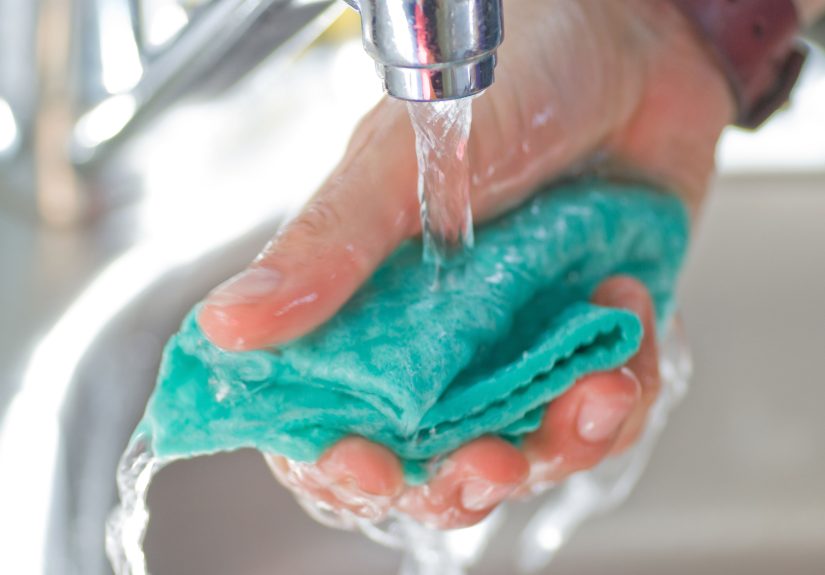
1. Quick Handwashing at the Sink
This is your everyday, low-effort method perfect for keeping your dishcloth fresh between deeper cleans.
What you’ll need:
- Mild dish soap
- Cool or lukewarm water
How to do it:
- Rinse the cloth under cool or lukewarm water to remove crumbs, grease, and debris.
- Add a small drop of dish soap and gently massage it into the cloth, working up a lather.
- Rub the fabric against itself to dislodge any stuck-on food or stains.
- Rinse well until no soap remains.
- Gently squeeze (don’t aggressively wring) to remove excess water and lay flat or drape over a faucet or rack to air-dry completely.
When to use this method: After a normal day of wiping counters, cleaning spills, or doing light dish duty. It’s fast, gentle, and keeps the cloth from getting funky.
2. Washing Machine Method
When your Swedish dishcloth starts to smell “mysterious” or shows visible grime, a spin in the washing machine is an easy refresh.
What you’ll need:
- Mild laundry detergent
- A normal or gentle cycle
How to do it:
- Place your Swedish dishcloth in the washing machine with similar lightweight items, like kitchen towels or dish rags.
- Select a warm or hot water cycle recommended by the manufacturer (many brands allow around 140°F/60°C or even up to 90°C).
- Use a regular amount of mild detergent.
- Avoid bleach and fabric softener, which can break down the fibers and reduce absorbency.
- After washing, remove the cloth and lay it flat or drape it to air-dry. Skip the dryer unless the brand specifically says it’s OK; high heat can shrink or warp the cloth.
Pro tip: Toss your cloths into your weekly laundry routine for example, with kitchen linens so they get a consistent deep clean.
3. Dishwasher Top-Rack Clean
Already running the dishwasher? Let your Swedish dishcloth hitch a ride.
What you’ll need:
- Dishwasher with a top rack
- Regular dishwasher detergent
How to do it:
- Rinse off large food particles from the cloth.
- Lay it flat or drape it over the top rack of your dishwasher so it doesn’t block spray arms.
- Run a normal cycle; some manufacturers also approve using a sanitize or high-temperature cycle for extra germ-killing power.
- Remove the cloth before any heated dry cycle, if possible high, dry heat is not its best friend.
- Allow it to air-dry flat or over a rack.
Why this method works: The combination of hot water, detergent, and spray action helps remove grease and bacteria. It’s a hands-off way to clean multiple cloths at once.
4. Boiling for a Deep Clean
When your Swedish dishcloth has seen some things (looking at you, raw chicken juice), boiling is a heavy-duty sanitizing option.
What you’ll need:
- A small pot
- Water
- Tongs
How to do it:
- Fill a pot with enough water to fully submerge the cloth and bring it to a boil.
- Drop the dishcloth into the boiling water.
- Let it boil for about 1–3 minutes to kill most bacteria.
- Carefully remove it with tongs and allow it to cool.
- Lay flat or hang to air-dry.
Use sparingly: Boiling is safe, but doing it every single day can wear down the fibers faster. Save this for when you really want a “reset” or after particularly risky messes.
5. Microwaving a Damp Cloth
This is the “I want it clean right now” method. Microwaving a damp Swedish dishcloth can help sanitize it quickly.
Important: The cloth must be wet. Microwaving a dry cloth can scorch or damage it.
What you’ll need:
- A microwave-safe plate or bowl
- Water
How to do it:
- Thoroughly soak the cloth with water and wring out just enough so it’s not dripping excessively.
- Place it on a microwave-safe plate, or fully submerge it in a microwave-safe bowl of water if your brand recommends that.
- Microwave on high for 1–2 minutes, depending on your microwave’s power and the manufacturer’s guidance. Many brands suggest around 30–120 seconds for sanitizing.
- Let it sit and cool for a minute or two before removing it will be hot and steamy.
- Once cool enough to handle, wring gently and air-dry.
Best for: Quick disinfecting between loads of dishes or when you notice a hint of “kitchen funk” starting to creep in.
General Care Tips to Make Your Swedish Dishcloth Last Longer
Rinse and Dry After Every Use
The fastest way to ruin a Swedish dishcloth is to leave it crumpled and soggy in the sink. After each use, rinse it thoroughly, squeeze out the excess water, and hang it up. A flat or hanging cloth dries faster and discourages odor-causing bacteria.
Avoid Bleach and Fabric Softener
Bleach might seem like an obvious disinfectant, but it’s tough on cellulose and cotton fibers and can weaken the cloth over time. Fabric softener can coat the fibers, making them less absorbent. Most brands clearly recommend skipping both.
Skip (or Limit) the Dryer
Some Swedish dishcloth brands say an occasional tumble dry won’t destroy the cloth, but most still prefer air-drying to maintain shape and absorbency. High, dry heat can cause shrinking or warping and shorten the cloth’s useful life.
Know When It’s Time to Replace
Even the most pampered Swedish dishcloth will eventually wear out. Signs it’s time to compost and replace include:
- Persistent odor that doesn’t go away after boiling or microwaving.
- Holes, thinning spots, or frayed edges.
- Loss of absorbency (it smears water instead of soaking it up).
Depending on how often you use and wash them, many people find their cloths last around six months or longer, often surviving up to 200 washes.
FAQs About Cleaning Swedish Dishcloths
Can I Use Vinegar or Baking Soda?
Yes, for a natural refresh, you can soak your Swedish dishcloth in a mixture of warm water and white vinegar (for deodorizing) or sprinkle on a little baking soda before handwashing for mild scrubbing power. Just remember to rinse thoroughly afterward.
Are Swedish Dishcloths More Sanitary Than Sponges?
They can be. Because Swedish dishcloths dry out faster than dense sponges, they don’t hold onto moisture as long and bacteria love moisture. Combined with regular cleaning using any of the methods above, they can stay fresher and less smelly than a traditional sponge.
Can I Use Bleach If I Really Want To?
Most manufacturers say no, or at least “not recommended.” Bleach breaks down cellulose and cotton and can significantly shorten the life of your cloth. If you need serious sanitizing, boiling or microwaving is a safer bet for the fibers.
What Do I Do When My Cloth Is Done?
Once your Swedish dishcloth has truly reached retirement age, you can cut it into smaller pieces and add it to your home compost bin if your local compost guidelines allow for compostable textiles. Because it’s made from natural materials, it breaks down far more easily than synthetic cleaning cloths.
Real-Life Experiences: What It’s Like to Actually Clean and Use Swedish Dishcloths
It’s one thing to read rules about how to wash Swedish dishcloths. It’s another to live with them in a real kitchen where kids spill juice, pasta sauce splatters across the stove, and someone always seems to forget about that sticky ring under the olive oil bottle. Here’s what day-to-day life with these cloths really looks like and how cleaning them fits into the routine.
From Paper Towel Addict to Swedish Dishcloth Loyalist
Many people start using Swedish dishcloths because they’re tired of going through roll after roll of paper towels. Once they realize one little patterned square can soak up a full cup of spilled coffee and still wipe down the counter, they’re hooked. The only “catch” is making cleaning the cloth part of the daily kitchen rhythm.
One simple habit that works well: at the end of the day, do a quick handwash with dish soap after the dinner cleanup, rinse thoroughly, and hang the cloth over the faucet. Then once or twice a week, it goes into the regular kitchen laundry or gets tossed onto the top rack of the dishwasher. That’s it no complicated system, just adding the cloth to routines you already have.
Microwave vs. Boiling: The Battle of the Quick Sanitizers
If you ask Swedish dishcloth fans which deep-clean method they prefer, you’ll usually get two camps: the “microwave defenders” and the “boiling water purists.”
- Microwave people love the convenience: soak, zap for a minute or two, let cool, and done. It’s perfect for busy mornings when you realize your cloth smells a bit off but you’re already halfway through making breakfast.
- Boiling fans swear by the psychological satisfaction of seeing the cloth bubbling away in hot water. It feels like hitting a reset button, especially after messy jobs like cleaning up raw meat, sticky marinades, or fridge spills.
In practice, many households use both: microwave for quick refreshes, boiling when the cloth has truly seen battle.
The “Smell Test” and When Not to Fight It
Every reusable cloth eventually fails the “sniff test.” You pull it off the faucet, give it a quick smell, and your brain says, “Absolutely not.” Sometimes, a machine wash, a boil, or a microwave session will restore it. But if you’ve cleaned it thoroughly a couple of times and it still smells, that’s your cue to let it go.
Because Swedish dishcloths last months and replace stacks of disposable products, it’s okay to accept that they’re not immortal. When they stop absorbing well or the odor just won’t quit, cut them into smaller pieces for compost and bring a fresh cloth into rotation.
Real-World Cleaning Jobs They’re Great For
Once you know how to properly clean a Swedish dishcloth, you’re more likely to actually use it for the big messes it can handle. Common “wins” people report include:
- Wiping down stainless steel appliances without streaks or lint.
- Mopping up spilled juice, milk, or broth in one or two swipes.
- Cleaning sticky countertops after baking or pancake sessions.
- Wiping down refrigerator shelves and drawers during quick cleanouts.
Because you know you can toss the cloth into the washer, dishwasher, or a pot of boiling water afterward, you’re less tempted to reach for disposable products “just this once.”
Building a Small but Mighty Cloth Collection
Most people find that having a small rotation of Swedish dishcloths say, three to six works best. You can keep one at the sink, one dedicated to bathroom counters, and one for general cleaning. When one gets dirty, another steps in while the first goes through a wash cycle or sanitizing routine.
As you learn how to clean them effectively, you’ll notice your overall kitchen routine becomes smoother. There’s less scrambling for paper towels, fewer smelly sponges to throw away, and more of a “use–wash–reuse” rhythm that feels both practical and planet-friendly.
In the end, maintaining your Swedish dishcloths isn’t about perfection it’s about consistency. Rinse them well, clean them regularly using the methods that fit your lifestyle, and retire them gracefully when their work is done. Your kitchen (and your trash can) will thank you.
Conclusion
Cleaning a Swedish dishcloth doesn’t have to be complicated. With five easy methods handwashing, machine washing, dishwashing, boiling, and microwaving you can keep these eco-friendly cloths fresh, sanitary, and ready for daily spills and scrubs. A little regular care goes a long way, helping one small cloth replace roll after roll of paper towels while keeping your kitchen cleaner and greener.