Table of Contents >> Show >> Hide
- Why Cleaning Up Dog Poop in Your Yard Actually Matters
- What You’ll Need (Grab This Once, Thank Yourself Forever)
- How to Clean Up Dog Waste from a Backyard: 11 Steps
- Step 1: Do a Quick Yard Scan (Don’t Step Into the Plot Twist)
- Step 2: Pick the Right Pickup Method for Your Yard Surface
- Step 3: Scoop Up Fresh Waste First (It’s the Easiest Win)
- Step 4: Deal with Older or Dried Waste Without Pulverizing It
- Step 5: Double-Check High-Traffic Areas (Doorways, Play Zones, Paths)
- Step 6: Spot-Clean the Grass Where Waste Sat (Stains + Smell)
- Step 7: Clean and Disinfect Hard Surfaces the Right Way
- Step 8: Wash Your Tools (Because “I’ll Do It Later” Is a Trap)
- Step 9: Wash Up Like You Mean It (Hands, Shoes, and the “Oops” Zone)
- Step 10: Choose a Safe Disposal Method (And Skip the Garden Compost)
- Step 11: Set a Simple Routine So It Never Gets Out of Control Again
- Extra Tips for Common Backyard Scenarios
- FAQ: Quick Answers Backyard Dog Owners Want
- Real-World Experiences: Lessons That Make Backyard Cleanup Easier (And Less Awkward)
- Conclusion
Backyard time is supposed to smell like fresh-cut grass and good choicesnot like the “oops” aisle at a pet store.
If you’ve got dog waste in the yard (new, old, or mysteriously “aged”), the good news is you can clean it up fast,
sanitize the area, knock down odor, and set up a simple routine so it doesn’t turn into a weekly scavenger hunt.
This guide walks you through 11 practical steps to remove dog poop, protect your lawn, reduce germs,
and keep your backyard comfortable for kids, guests, and your dog (who will absolutely pretend they had nothing to do with it).
Why Cleaning Up Dog Poop in Your Yard Actually Matters
Dog poop isn’t just “gross.” It can carry germs and parasites, and when left on the ground it can get tracked into the house,
spread around the yard, and wash into storm drains during rain. Translation: what starts as a backyard problem can become
a household problemand sometimes an environmental one.
Regular cleanup helps protect your family, your pet, and your lawn. It also reduces flies, cuts down odor, and keeps those
“why is this spot of grass dead?” mysteries to a minimum.
What You’ll Need (Grab This Once, Thank Yourself Forever)
- Pickup tool: pooper scooper, rake-and-bin set, or a small shovel
- Bags: durable waste bags (preferably leak-proof)
- Disposable gloves (optional, but your future self will applaud)
- Garden hose with a spray nozzle
- Enzyme cleaner (pet-safe, for odor/stain spots)
- Bucket + mild soap for cleaning tools
- Disinfectant for hard surfaces (pet-safe and used as directed)
- Lawn rake (for “leaf + poop confetti” situations)
- Outdoor trash can with a tight lid (or a designated waste pail)
How to Clean Up Dog Waste from a Backyard: 11 Steps
Step 1: Do a Quick Yard Scan (Don’t Step Into the Plot Twist)
Walk the yard slowly and look for “hot zones”: along fences, near favorite sniff spots, and the route your dog takes to the door.
If you have tall grass or lots of leaves, use a rake to gently move debris aside before you start.
Pro tip: bring a small bucket or bin lined with a bag so you’re not doing a back-and-forth marathon.
Step 2: Pick the Right Pickup Method for Your Yard Surface
The tool matters. Match it to the terrain:
- Grass: a scooper or rake-and-bin system works well
- Gravel/mulch: a small shovel helps you lift without scattering
- Concrete/pavers: a bag + paper towel (or dedicated scraper tool) keeps it tidy
- Soft, muddy ground: a shovel is your best friend
If bending is tough, choose a long-handled tool. Your knees are innocent bystanders in this situation.
Step 3: Scoop Up Fresh Waste First (It’s the Easiest Win)
Fresh waste is simpler to remove cleanly. Use your scooper or bagged hand to pick it up in one motion, then tie the bag securely.
If it’s very soft, lift from the edges inward to keep it from smearing into the grass.
Place tied bags in a lidded outdoor trash can right away to reduce odor and keep wildlife from getting curious.
Step 4: Deal with Older or Dried Waste Without Pulverizing It
Dried waste can crumble and leave residue behind. Instead of scraping aggressively (which can grind it into the soil),
use a scooper to lift it gently. On grass, a rake-and-bin can help gather crumbly pieces without shredding your lawn.
If small bits remain, don’t panicthis is where spot-cleaning comes in (Step 6).
Step 5: Double-Check High-Traffic Areas (Doorways, Play Zones, Paths)
Any place people walk or kids play deserves extra attention. Do another pass near patios, swing sets, garden paths,
and the “launch pad” area where your dog accelerates like they’re late for a meeting.
Cleaning these zones first reduces the chance of tracking germs indoors.
Step 6: Spot-Clean the Grass Where Waste Sat (Stains + Smell)
After pickup, you may see a flattened patch or discoloration. Lightly rinse the spot with water to dilute residue.
Avoid blasting the area like you’re pressure-washing a drivewaygentle is better so you don’t spread contamination.
Then apply a pet-safe enzyme cleaner according to the label. Enzymes help break down organic leftovers
that cause lingering odors (and repeat “accidents” in the same spot).
Step 7: Clean and Disinfect Hard Surfaces the Right Way
On concrete, decks, or pavers:
- Remove solids completely.
- Wash the area with soap and water.
- Apply a disinfectant suitable for outdoor hard surfaces (follow the label for contact time and dilution).
- Rinse thoroughly so pets don’t walk through residue.
Important: disinfectants work best after cleaning. If you skip the wash step, the disinfectant has to fight through grime
and nobody wins that battle.
Step 8: Wash Your Tools (Because “I’ll Do It Later” Is a Trap)
Rinse scoopers, shovels, and rakes outsidepreferably over a vegetated area, not into a storm drain.
Scrub with hot water (if possible) and soap in a bucket, then rinse again.
Let tools dry in the sun if you can. Sunlight and drying help reduce lingering odor (and makes the tool less gross to use next time).
Step 9: Wash Up Like You Mean It (Hands, Shoes, and the “Oops” Zone)
Wash your hands thoroughly after cleanupyes, even if you wore gloves. If you stepped in something, remove shoes at the door
and wipe the soles with a disinfecting wipe or wash them with soap and water outside.
If kids play in the yard, consider making “shoes off indoors” the house rule. It’s a simple way to cut down what gets tracked inside.
Step 10: Choose a Safe Disposal Method (And Skip the Garden Compost)
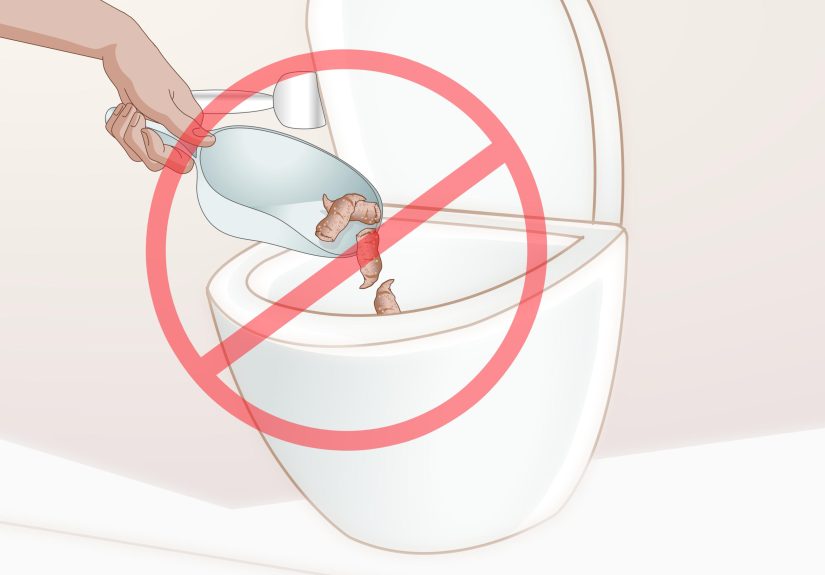
The most common option is bagging and placing it in the trash, sealed tightly. Some areas also allow flushing
only the poop (not the bag) down the toiletbut check local guidance first, especially if you’re on a septic system.
What you generally don’t want to do is toss dog waste into your regular compost pile or use it as fertilizer.
Home compost often doesn’t get hot enough to reliably kill pathogens, and it can pose a riskespecially anywhere you grow food.
If you want a more “set it and forget it” system, some households use an in-ground pet waste digester designed for that purpose.
These work best in suitable soil and away from wells, gardens, and water sources.
Step 11: Set a Simple Routine So It Never Gets Out of Control Again
The easiest cleanup is the one that takes two minutes. Pick one routine you can actually stick with:
- Daily scoop: best for small yards, multiple dogs, or warm climates
- Every-other-day: a solid compromise for most households
- Twice-weekly “yard reset”: works if you’re consistent and your dog uses a smaller area
Make it frictionless: keep bags and a scooper near the door, and use a lidded bin lined with a bag for quick drop-off.
Your future weekends will feel mysteriously more relaxing.
Extra Tips for Common Backyard Scenarios
If You Have Leaves, Pine Straw, or Mulch
Rake gently first. Waste can hide under leaves, and stepping into it turns cleanup into a surprise “craft project.”
A small shovel is often better than a scooper in mulch because it lifts without scattering.
If It Rained (Or Your Yard Is Basically Soup)
Use a shovel and lift carefully. If you hose the area immediately, you risk spreading contamination further.
Pick up solids first, then rinse lightly and use enzyme cleaner where needed.
If Your Dog Keeps Using the Same Spot
Dogs revisit odor-marked areas. Clean that spot thoroughly (rinse + enzyme cleaner), and temporarily block access if needed.
You can also lead your dog to a designated “bathroom zone” and reward them for using it (yes, even if you feel sillydogs love a bonus).
FAQ: Quick Answers Backyard Dog Owners Want
How often should I pick up dog poop in my yard?
Daily is ideal, especially if kids play outside, you have more than one dog, or it’s hot and humid. Every other day can work for many households.
The main goal is keeping waste from building up and getting spread around.
Will dog poop “just dissolve” if I leave it?
It breaks down over time, but that doesn’t mean it becomes harmless. Residue and microbes can remain in soil and get moved around by rain,
lawn mowing, shoes, paws, and bugs. Regular pickup is the safer, cleaner move.
Does lime get rid of dog poop smell?
Lime is sometimes used to reduce odor in certain agricultural settings, but it can burn grass and irritate pets if misused.
For most backyards, you’ll get better results with regular pickup, gentle rinsing, and a pet-safe enzyme product.
Can I mow over old poop to “mulch” it?
Strongly not recommended. It can spread contamination across your lawn and coat your mower deck in… regret.
Scoop first. Mow second. Peace returns to the kingdom.
Real-World Experiences: Lessons That Make Backyard Cleanup Easier (And Less Awkward)
Most people don’t need motivation to clean dog poopthey need a system that works when life is busy, the weather is bad,
and the dog is proudly supervising from three feet away. Here are a few real-life patterns dog owners run into, plus what tends to help.
1) The “I’ll Get It This Weekend” Myth
A lot of owners start with good intentions: scoop on Saturday, reset the yard, enjoy a clean space. Then Friday arrives with rain,
errands, or a surprise schedule change. By the time the weekend finally opens up, the yard has multiple “historic sites,” and the job feels bigger
than it actually is. The fix is boring but magical: a two-minute weekday scoop. Even every other day keeps the yard from reaching that
“why does this feel like a full project?” point. People who succeed long-term tend to make cleanup small, frequent, and automaticlike brushing teeth,
but outdoors and with less mint.
2) Weather Changes Everything
Dry weather makes pickup easy; wet weather turns it into a slip-and-slide of bad decisions. After rain, owners often discover that rinsing too soon
spreads mess into surrounding grass. The experience-based best practice is: remove solids first, then lightly rinse and treat.
In snowy climates, owners also notice “spring melt surprises,” where older waste reappears as snow banks shrink. A quick scan right after snowmelt
(or before the first big thaw) can save a lot of frustrationand keeps the yard usable earlier in the season.
3) The “Favorite Corner” Problem
Many dogs choose one corner, one fence line, or one patch of grass like it’s an exclusive restroom with a VIP rope. Owners often find that the smell
lingers there even after pickup, and the dog keeps returning. The most helpful routine is a combo: consistent pickup, enzyme cleaner after accidents,
and a little behavior steering. Some owners temporarily block the area with a small garden fence or planters and walk the dog to a designated bathroom
zone insteadthen reward the dog for using it. Over time, the yard feels cleaner because the mess stays contained, and the dog’s “routine spot”
becomes easier to maintain.
4) Tools Make (or Break) Consistency
People who hate cleanup often don’t hate the taskthey hate the experience: flimsy bags, bending over, and awkward juggling while trying not to
step in something. Owners who find a tool they like (long-handle rake-and-bin, a sturdy scooper, or a small shovel that doesn’t feel like a toy)
are more likely to stay consistent. A common “upgrade moment” is adding a lidded outdoor waste pail lined with a bag. Suddenly cleanup is fast:
scoop, drop, doneno back-and-forth to the house, no “where do I put this while I keep scanning?” chaos.
5) The Backyard Feels Better When Cleanup Is Part of Yard Care
A lot of owners notice that once waste is under control, the rest of the yard improves: fewer dead spots, fewer flies, less odor, and more confidence
letting kids or guests use the space. Treating cleanup like a tiny part of normal yard maintenance helps. For example: scoop first, then water plants,
then refill bird feeders. Or do a quick “yard lap” before grilling. When cleanup is paired with something you already do, it stops feeling like a separate,
annoying choreand starts feeling like a simple habit that keeps the backyard comfortable all season.
Conclusion
Cleaning up dog waste from a backyard doesn’t have to be a dramatic event featuring panic, hopping, and whisper-yelling “no, no, no” under your breath.
With the right tools, a quick routine, and a little spot-cleaning, you can keep your lawn healthier, reduce odor, and make the yard more enjoyable for everyone.
Start with one solid cleanup using the 11 steps above, then lock in a schedule you can maintain. Your backyard will smell better, look better,
and feel like a place you actually want to hang outrather than a place you tiptoe through like an action movie laser hallway.

![18 Best Types of Charts and Graphs for Data Visualization [+ How to Choose]](https://corkopencoffee.org/wp-content/uploads/2026/05/18-best-types-of-charts-and-graphs-for-data-visualization-how-to-choose-qKM1PBYG-thumb.jpg)