Table of Contents >> Show >> Hide
- Why Slow Cooker Rice Works So Well
- Rice-to-Liquid Ratios and Cook Times for Slow Cooker Rice
- How to Cook White Rice in a Slow Cooker (Step-by-Step)
- How to Cook Brown Rice in a Slow Cooker
- Flavor Upgrades for Slow Cooker Rice
- Troubleshooting Slow Cooker Rice Like a Pro
- Food Safety for Cooked Rice in a Slow Cooker
- Meal Prep: Batch Cooking Rice Without Regret
- Common Mistakes to Avoid
- FAQ: How to Cook Rice in a Slow Cooker
- Conclusion
- of Real-World Experiences With Slow Cooker Rice
- Editorial Research Synthesis (U.S. Websites)
If cooking rice has ever made you question your life choices, welcome to the club. One minute it’s “I’ve got this,” and the next minute you’re scraping a sticky crater from the bottom of a pot while pretending it’s “toasted for flavor.” The good news: your slow cooker can rescue your rice routine.
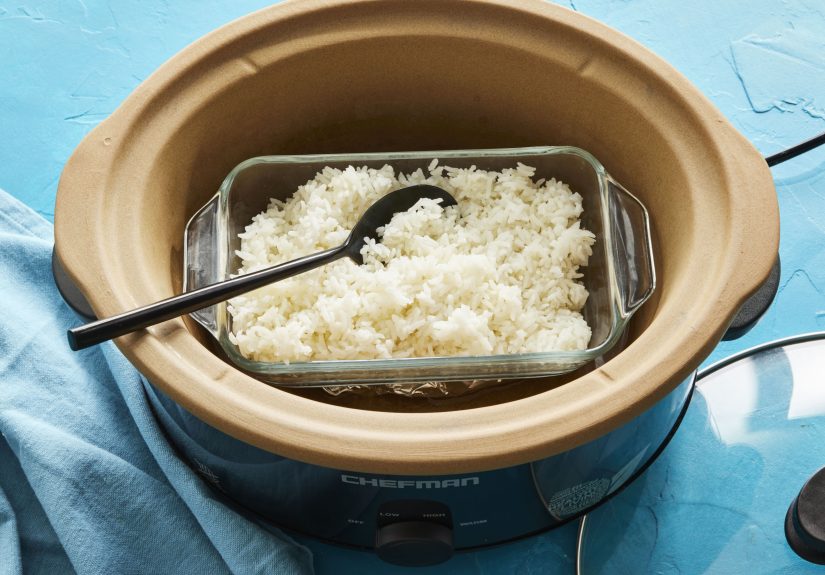
Learning how to cook rice in a slow cooker gives you something magical: consistency without babysitting. You can prep dinner, answer emails, help with homework, walk the dog, and return to a warm, ready side dish that did not demand constant supervision. That’s a win in any kitchen.
In this guide, you’ll get exact slow cooker rice ratios, timing by rice type, troubleshooting for mushy or undercooked grains, food-safety best practices, flavor upgrades, and meal-prep strategies that make weekday cooking easier. You’ll also get practical, real-kitchen experiences at the end so you can learn from what works (and what absolutely does not).
Why Slow Cooker Rice Works So Well
Slow cookers use gentle, enclosed heat. That means steady cooking, less evaporation than stovetop methods, and fewer “oops, I forgot the pot” moments. For busy households, this is huge.
- Hands-off cooking: Set it, check once or twice, and move on with your day.
- Batch friendly: Great for meal prep, potlucks, and family dinners.
- Beginner-proof: If you can measure rice and liquid, you can do this.
- Flavor flexibility: Water, broth, aromatics, spices, or coconut milkyour call.
One caveat: slow cookers vary. Some run hotter, some trap steam better, and some lids fit tighter than others. So think of ratios as the best starting point, then adjust for your machine over 1–2 test batches.
Rice-to-Liquid Ratios and Cook Times for Slow Cooker Rice
If you only remember one section from this article, make it this one. Ratios are the backbone of fluffy slow cooker rice.
| Rice Type | Rice : Liquid Ratio | Cook Setting | Approx. Time | Texture Notes |
|---|---|---|---|---|
| White rice (long/medium/short) | 1 : 1.5 | High | 1.5–2 hours | Fluffy and tender when rested and fluffed |
| Brown rice (short/medium) | 1 : 1.75 | High | 2–2.5 hours | Chewier bite, nuttier flavor |
| Brown rice (long) or converted/parboiled rice | 1 : 2 | High | 2–3 hours | More forgiving texture, good for meal prep |
Practical note: if your lid leaks steam, rice may need extra liquid. A simple trick is placing a layer of foil under the lid for a tighter seal. This can improve moisture retention and consistency in some slow cookers.
How to Cook White Rice in a Slow Cooker (Step-by-Step)
Ingredients (Base Formula)
- 2 cups long-grain white rice
- 3 cups water or broth
- 1 tablespoon butter or oil (optional, helps reduce sticking)
- 1/2 to 1 teaspoon kosher salt (adjust to taste)
Instructions
- Rinse (usually): Rinse rice in a fine-mesh strainer until water is less cloudy. This removes excess surface starch for fluffier grains. If you are using enriched white rice and want to preserve fortified nutrients, check package guidance first.
- Prep the insert: Lightly grease the slow cooker insert with oil or nonstick spray.
- Combine: Add rice, liquid, salt, and optional fat. Stir once so rice is evenly distributed.
- Seal smartly: Cover with the lid. If your cooker tends to lose steam, place foil under the lid.
- Cook: Set to High and cook for 1 hour 30 minutes. Check for doneness. Continue in 10–15 minute increments if needed.
- Rest: Turn off heat and let rice sit covered for 10 minutes. This helps moisture equalize.
- Fluff: Use a fork, not a spoon. Forks separate grains; spoons mash dreams.
Yield and Scaling
Two cups uncooked rice yields roughly six cups cooked. For larger batches, keep the same ratio and avoid filling the cooker beyond about two-thirds of its capacity.
How to Cook Brown Rice in a Slow Cooker
Brown rice has bran and germ intact, so it needs more time and a little more liquid than white rice. The payoff is a hearty texture and extra fiber.
Brown Rice Formula
- Short/medium brown rice: 1 cup rice + 1.75 cups liquid, High, 2–2.5 hours
- Long-grain brown rice: 1 cup rice + 2 cups liquid, High, 2–3 hours
Brown Rice Tips
- Use broth plus a pinch of garlic powder for a deeper flavor base.
- Check at the early end of the time range if your slow cooker runs hot.
- If grains are still firm but liquid is mostly gone, add 1/4 cup hot water and cook 15–20 minutes longer.
- Resting before fluffing matters even more with brown rice.
Flavor Upgrades for Slow Cooker Rice
Plain rice is useful. Flavored rice is exciting. Try one of these upgrades:
1) Garlic-Herb Rice
Add 2 minced garlic cloves, 1 bay leaf, and 1 teaspoon dried parsley to the base recipe. Finish with lemon zest.
2) Coconut Rice
Replace half the water with unsweetened coconut milk. Add a pinch of salt and a small teaspoon of sugar if desired.
3) Brothy “Weeknight Pilaf”
Use chicken or veggie broth, sautéed onion, and a tablespoon of butter. Stir in frozen peas after cooking and cover for 5 minutes.
4) Tex-Mex Rice Base
Use broth + canned diced tomatoes (drained), cumin, chili powder, and a little onion powder. Great under beans, fajita veggies, or taco bowls.
Troubleshooting Slow Cooker Rice Like a Pro
Problem: Mushy rice
- Too much liquid
- Cooked too long
- Lid sealed too tightly for your ratio
Fix next time: Reduce liquid by 1/4 cup per cup of rice or shorten cook time by 10–15 minutes.
Problem: Undercooked or chalky center
- Not enough liquid
- Cooker runs cool
- Lid opened too often (steam escaped)
Fix now: Add 1/4 cup hot water, cover, cook 10–20 more minutes.
Problem: Rice sticking or scorching on edges
- Insert not greased
- Cooker hot spots
- Batch too small for cooker size
Fix next time: Grease insert, increase batch slightly, and check 15 minutes earlier.
Problem: Gummy texture
- Over-stirring during cooking
- Too much starch (insufficient rinsing for some rice types)
- No resting period after cooking
Fix next time: Stir once at setup, then hands off until doneness check.
Food Safety for Cooked Rice in a Slow Cooker
This part is non-negotiable. Rice can carry Bacillus cereus spores, which may survive cooking. If cooked rice sits too long in unsafe temperature ranges, toxin-related food poisoning risk increases.
Simple Safety Rules
- Keep hot food hot (above 140°F) and cold food cold (40°F or below).
- Don’t leave cooked rice at room temperature for over 2 hours (1 hour if very hot ambient conditions, above 90°F).
- Cool leftovers quickly in shallow containers.
- Store leftovers in the fridge and use within 3–4 days (quality may vary by recipe).
- Reheat thoroughly to steaming hot; 165°F is a reliable target.
Also: the “Warm” setting is for holding already hot food, not for bringing cold leftovers up to safe temperature from scratch. Reheat properly first, then hold warm for serving.
Meal Prep: Batch Cooking Rice Without Regret
If you want fewer weeknight decisions, batch-cooked slow cooker rice is your friend.
Best Batch Workflow
- Cook a double batch on Sunday.
- Cool quickly and portion into meal-sized containers.
- Store 3–4 days in the fridge; freeze the rest.
- Label containers by date and rice type.
- Reheat with a splash of water and a covered lid to restore texture.
Easy Uses Through the Week
- Monday: Burrito bowls
- Tuesday: Teriyaki chicken with broccoli
- Wednesday: Egg-fried rice
- Thursday: Soup thickener or grain bowl base
- Friday: Stuffed peppers or casserole shortcut
Common Mistakes to Avoid
- Using random ratios from memory: Measure both rice and liquid.
- Opening the lid every 10 minutes: Each peek dumps steam and extends cook time.
- Skipping the rest period: Resting is where texture finishes.
- Ignoring cooker personality: Your machine may run hot/cool; adjust after your first test batch.
- Treating all rice the same: White, brown, jasmine, basmati, and converted rice behave differently.
FAQ: How to Cook Rice in a Slow Cooker
Can I cook jasmine or basmati rice in a slow cooker?
Yes. Start with the white-rice ratio (1:1.5) and check early. Aromatic rice can go from perfect to soft quickly.
Do I have to rinse rice first?
Usually yes for fluffier grains. But if you’re using enriched white rice and want to preserve added nutrients, review package instructions.
Can I cook rice with broth instead of water?
Absolutely. It’s one of the easiest upgrades for flavor. Keep sodium in mind if serving with salty mains.
Can I leave rice on warm all day?
Not recommended for quality, and prolonged holding can raise safety concerns depending on temperature control. Serve, cool, and store leftovers promptly.
Conclusion
Mastering how to cook rice in a slow cooker is less about culinary wizardry and more about a reliable system: correct ratio, right timing, minimal lid lifting, proper rest, and safe storage. Once you dial in your machine, you’ll get repeatable, fluffy rice with almost zero stress.
Start with a simple white-rice test batch, write down your exact timing, then branch into brown rice, broth-based versions, and flavor variations. Within two or three runs, you’ll have a custom method that fits your schedule and your tasteand your stovetop will finally get a little peace and quiet.
of Real-World Experiences With Slow Cooker Rice
The following stories are composite kitchen experiences based on common home-cooking patterns. They’re practical, honest, and very relatable if you’ve ever muttered, “Why is my rice either crunchy or glue?”
Experience 1: The Busy Parent Who Needed a No-Drama Side Dish
A parent of three switched to slow cooker rice after too many stovetop distractions. Their first attempt used a 1:2 ratio for plain white rice, and the result was edible but a little too soft. On attempt two, they changed to 1:1.5, greased the insert lightly, and skipped constant stirring. Big difference. The grains came out separate, tender, and much better for weeknight bowls.
Their biggest lesson was timing. “Done” for their cooker was 1 hour 40 minutes on High, not 2 full hours. That 20-minute difference was the line between fluffy and slightly mushy. They now set a phone reminder at 90 minutes, then check every 10 minutes. They also portion leftovers right away into shallow containers instead of leaving rice in the insert while everyone eats and chats. It turned one unpredictable side dish into a weekly system they trust.
Experience 2: The Meal-Prep Fan Who Needed Better Reheat Texture
A fitness-focused meal prep cook was making huge batches of rice but hated dry, clumpy leftovers. Their breakthrough wasn’t during cooking; it was after cooking. They started cooling rice quickly, portioning immediately, and reheating covered with a tablespoon of water per serving. Suddenly, rice texture improved dramatically.
They also moved from plain white rice only to a rotation: one batch white for stir-fries, one batch brown for grain bowls. Brown rice took longer (about 2 hours 20 minutes), but it held up better in the fridge and freezer. Their current routine is simple: cook Sunday afternoon, refrigerate half, freeze half, label everything. They now have lunch bases ready for five days with almost no weekday effort.
Experience 3: The Small-Apartment Cook With One Slow Cooker
In a tiny kitchen with limited burners, one cook relied heavily on a 4-quart slow cooker. Their first issue: uneven cooking. The center was perfect; the edges were sticky. They solved it by increasing the batch size slightly and adding a tiny amount of fat to coat the insert. They also learned that their lid vented more steam than expected, so they used the foil-under-lid trick when making plain rice.
They say the biggest win was confidence. Before, rice felt high-stakes. Now it feels automatic. They prep rice first, then make a quick protein and vegetable while it cooks. Dinner timing became less chaotic, and cleanup improved because there were fewer pans. Their advice: treat your first three batches as calibration, not failure. Keep notes like “1 cup jasmine + 1.5 cups broth = 1h35m on High.” That notebook became their personal rice cheat sheet.
Experience 4: The Potluck Host Who Needed Rice to Stay Presentable
One frequent potluck host used to show up with rice that started fluffy and ended heavy. They switched to cooking rice until just tender, then holding briefly on warm and serving sooner. If serving later, they cooled and reheated properly instead of leaving it in limbo for hours.
They also learned that flavor matters as much as texture when rice is part of a party spread. Broth, garlic, and a little butter turned “plain side dish” into “What did you do to this rice?” in the best possible way. For larger gatherings, they now make two smaller batches instead of one huge batch, which gives better consistency and less edge scorching.
Their final takeaway is simple and memorable: rice rewards attention at the beginning and the end. Measure carefully at the start, store carefully at the finish, and you’ll avoid most headaches in the middle.
Editorial Research Synthesis (U.S. Websites)
This article synthesizes culinary and safety practices from these U.S.-based sources: USDA FSIS, FoodSafety.gov, CDC, FDA, USA Rice, Allrecipes, Food Network, Taste of Home, Southern Living, Martha Stewart, Bon Appétit, Serious Eats, Mayo Clinic, and Cleveland Clinic.