Table of Contents >> Show >> Hide
- What Makes Scrambled Eggs “Perfect”?
- Method 1: Soft & Creamy Scrambled Eggs (Low and Slow)
- Method 2: Fluffy American Diner-Style Scrambled Eggs
- Egg Safety: How Done Is “Done Enough”?
- Common Scrambled Egg Mistakes (and How to Fix Them)
- Which Method Should You Use?
- Real-Life Experiences & Extra Tips for Perfect Scrambled Eggs (Extended)
- Conclusion
If you’ve ever turned a promising pan of scrambled eggs into a sad, rubbery sponge, you’re in good company. Scrambled eggs look simple, but getting them soft, fluffy, and full of flavor is a tiny science experiment every time you crack a shell. The good news? You don’t need fancy gear, truffle oil, or a French culinary degree. You just need the right technique (and a little patience).
In this guide, we’ll break down two best ways to cook scrambled eggs perfectly at home:
- Method 1: Soft, creamy “restaurant-style” scrambled eggs (low and slow)
- Method 2: Fluffy, classic American diner-style scrambled eggs
We’ll also cover egg safety, common mistakes, and real-life tips so you can customize your scramble exactly how you like itsilky, fluffy, or somewhere in between.
What Makes Scrambled Eggs “Perfect”?
“Perfect” scrambled eggs are personal, but most people agree on a few basics: they should be tender, moist (but not runny), well-seasoned, and evenly cooked. The main difference between styles comes down to texture and curd size:
- Creamy style: smaller curds, custardy, spoonable texture, cooked over low heat with constant stirring.
- Fluffy style: larger, soft curds, more structured and light, cooked over medium-low heat with gentle folding.
Behind the scenes, it’s all about how egg proteins set when heated. Cook them too hot, too fast, and the proteins tighten up and squeeze out moisture, giving you dry, rubbery eggs. Gentle heat lets them set slowly, creating a smoother, softer texture.
Method 1: Soft & Creamy Scrambled Eggs (Low and Slow)
Who This Method Is For
This is the method you’ll see in restaurant brunch dishes and food videos that brag about “silky” or “custardy” scrambled eggs. If you like your eggs soft, glossy, and spoonable rather than fluffy, this is your new go-to.
Ingredients (Serves 1–2)
- 3 large eggs
- 1–2 teaspoons unsalted butter
- 1–2 teaspoons heavy cream, half-and-half, or whole milk (optional, for extra richness)
- Salt, to taste (start with about 1/8–1/4 teaspoon)
- Freshly ground black pepper
- Optional: fresh chives, grated cheese, or a small spoon of crème fraîche at the end
Step-by-Step Instructions
- Beat the eggs thoroughly. Crack eggs into a bowl. Add salt and optional cream or milk. Whisk until the mixture is completely uniformno streaks of white. The more evenly the yolks and whites are combined, the smoother your curds will be.
- Preheat a nonstick pan over low heat. Add butter and let it melt gently. You should barely hear a sizzle, if at all. If the butter browns quickly, your heat is too high.
- Pour in the eggs. As soon as the eggs hit the pan, use a silicone spatula to stir slowly and continuously. Think of it as pushing the eggs around rather than scrambling aggressively.
- Keep it low and slow. Stay patient. The eggs will gradually thicken and form very small, soft curds. If you see rapid bubbling or the eggs start to brown, reduce the heat immediately.
- Pull them off the heat early. When the eggs look just slightly underdone and still a bit glossy, remove the pan from the burner. The residual heat will finish cooking them.
- Finish and serve. Stir in a teaspoon of butter, crème fraîche, or a sprinkle of cheese, if you like. Grind pepper on top, garnish with chives, and serve right away.
Why This Method Works
Cooking the eggs on low heat slows down how quickly the proteins coagulate, which helps them set gently and stay tender. A small amount of cream or milk can slightly raise the temperature at which the proteins firm up, making the eggs take longer to cook and helping them feel more luxurious. The constant stirring creates many tiny curds instead of big chunks.
Best Toppings and Mix-Ins for Creamy Eggs
- Soft cheeses: goat cheese, Boursin, cream cheese, or ricotta folded in at the end.
- Fresh herbs: snipped chives, dill, or parsley for freshness.
- Smoked salmon: add just before serving so it warms without overcooking.
- Finishing oils: a light drizzle of extra-virgin olive oil or truffle oil.
Pro tip: Don’t overload creamy eggs with too many chunky mix-ins. You want the texture to stay delicate.
Method 2: Fluffy American Diner-Style Scrambled Eggs
Who This Method Is For
If you grew up loving big, soft curds of scrambled egg next to toast and bacon, this is your style. Fluffy scrambled eggs are slightly firmer than creamy ones, but still moist, tender, and full of air.
Ingredients (Serves 1–2)
- 3 large eggs
- 1–2 teaspoons unsalted butter (or ghee)
- 1–2 teaspoons water or milk (optional, for extra fluffiness)
- Salt, to taste
- Freshly ground black pepper
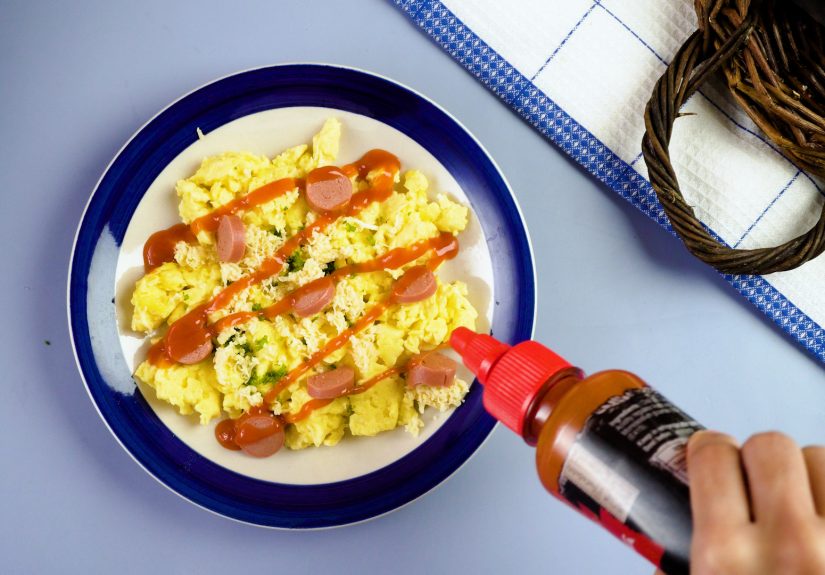
- Optional: shredded cheese, cooked vegetables, cooked bacon or ham, salsa, or hot sauce
Step-by-Step Instructions
- Whisk the eggs well. Beat eggs in a bowl with salt and optional water or milk. Whisk vigorously to incorporate some air; this helps the eggs puff up as they cook.
- Preheat the pan over medium-low heat. Add butter and let it melt. You want a gentle sizzle when the eggs go in, not a loud hiss.
- Pour in the eggs and let them sit. Let the eggs rest undisturbed for a few seconds so the bottom just begins to set.
- Push and fold, don’t chop. Using a spatula, push the eggs from the edges toward the center, letting the uncooked egg flow into the empty spaces. Repeat this around the pan to form big, soft curds.
- Add mix-ins near the end. If you’re adding cheese or pre-cooked meats and veggies, sprinkle them over the eggs when they’re about 80% done, then fold gently to combine.
- Turn off the heat early. As soon as the eggs look mostly set but still moist and slightly shiny, turn off the heat. The remaining warmth in the pan and eggs will finish cooking them.
- Season and serve. Add pepper and any extra salt, then transfer to warm plates. Serve immediatelyfluffy scrambled eggs wait for no one.
Why This Method Works
The medium-low heat gives the eggs enough energy to puff up without toughening. A little water or milk can create steam, which helps make the eggs lighter, but it’s optionalgood technique matters more than add-ins. The push-and-fold motion keeps the curds large and fluffy instead of breaking them into tiny pieces.
Great Add-Ins for Fluffy Eggs
- Cheese: cheddar, Monterey Jack, or pepper jack.
- Veggies: sautéed onions, bell peppers, spinach, or mushrooms (always pre-cook to avoid watery eggs).
- Protein: cooked bacon, sausage, ham, or black beans.
- Finishes: salsa, hot sauce, avocado slices, or a dollop of sour cream.
Egg Safety: How Done Is “Done Enough”?
Because scrambled eggs are soft and sometimes a little glossy, people often worry if they’re cooked safely. In the United States, food safety guidelines recommend cooking egg dishes until they reach an internal temperature of about 160°F (71°C) or until the eggs are set and no longer visibly runny. You don’t need to measure every breakfast with a thermometer, but you should aim for eggs that are softly set rather than liquid.
For safety and quality:
- Store eggs in the refrigerator at or below 40°F (4°C).
- Use them within a few weeks of purchase for best quality.
- Avoid using cracked or dirty eggs.
- If you’re cooking for people with weakened immune systems, children, pregnant people, or older adults, make sure your eggs are fully setnot runny.
Common Scrambled Egg Mistakes (and How to Fix Them)
1. Using Heat That’s Too High
High heat is the number-one scrambled egg villain. It cooks the outside too quickly, leaving the inside underdone or forcing you to overcook everything to get the center set. The result: dry, rubbery eggs. Stick to low or medium-low heat, depending on your chosen method, even if you’re hungry and impatient.
2. Overcooking the Eggs
Eggs keep cooking from residual heat even after you turn off the burner. If they look perfectly done in the pan, they’ll be overdone on the plate. Get into the habit of turning off the heat when your eggs still look slightly underdone. By the time you sit down, they’ll be just right.
3. Adding Too Much Milk
A tiny splash of milk or water can help keep eggs soft and fluffy, but a heavy hand can make them watery and bland. If you like richer eggs, use a teaspoon or two of cream or half-and-half per egg instead of lots of milk, and focus on gentle heat and good timing.
4. Not Whisking Enough
Whisking does more than mix yolks and whites; it also adds a bit of air and helps the eggs cook evenly. If you see streaks of white after you pour the eggs into the pan, you probably didn’t whisk enough. Aim for a completely uniform, pale yellow mixture.
5. Seasoning Too Late (or Not at All)
A little salt added to the beaten eggs helps tenderize the proteins and makes them taste seasoned all the way through. If you only salt at the table, the eggs can taste flat. Try salting the eggs before cooking, then adjust at the end if needed.
6. Overloading the Pan with “Stuff”
Cheese, veggies, meats, and sauces are greatbut too many at once can cool the pan, release moisture, and weigh down the eggs. Always pre-cook watery ingredients like mushrooms or spinach, and add them near the end.
Which Method Should You Use?
Both methods are “right”it just depends on your mood and what else you’re serving.
- Choose the creamy low-and-slow method if you’re serving toast, smoked salmon, or want a brunch that feels a bit fancy.
- Choose the fluffy diner-style method for a classic breakfast plate, breakfast burritos, or when you’re feeding people who like more “substantial” eggs.
Think of them as two tools in your breakfast toolbox. Once you’ve practiced both, you can easily tweak the heat, stirring, and timing to land anywhere on the creamy–fluffy spectrum.
Real-Life Experiences & Extra Tips for Perfect Scrambled Eggs (Extended)
Cooking scrambled eggs perfectly isn’t just about following stepsit’s about how those steps feel in real life, at 7 a.m., when the coffee hasn’t kicked in yet. Here are some experience-based insights that home cooks (and many pros) learn the hard way, so you don’t have to.
Learn Your Stove’s Personality
Every stove has a “personality.” One person’s low heat is another person’s medium. The first few times you try these methods, pay close attention to how quickly the butter melts and how fast the eggs start to set. If things move too quickly, dial the heat down next time. If you’re still stirring liquid eggs after five minutes on “low,” nudge the heat up slightly.
Start Small Before Cooking for a Crowd
Scrambled eggs for one or two are easy. Scrambled eggs for six can turn into a giant, overcooked egg block if you’re not ready. Practice your technique with smaller batches first. When you move to larger quantities, use a bigger pan, keep the heat on the lower side, and consider cooking in two rounds rather than cramming everything into one skillet.
Warm Plates Make a Big Difference
Perfect scrambled eggs can go from glorious to sad in minutes if they hit a cold plate. If you’re already going to the trouble of using low heat and proper technique, take one extra step: warm your plates briefly in a low oven or with hot water (then dry them). Your eggs will stay soft and warm longer, and the texture will feel better from the first bite to the last.
Practice the “Pull Early” Habit
Almost everyone’s instinct is to cook eggs “until they look done.” In practice, that means they’re already past their best. Train yourself to pull the pan off the heat when the eggs look just a bit wetter than you want. At first, this feels wronglike you’re undercooking. But after a few attempts, you’ll see how quickly the residual heat transforms them from slightly wet to perfect.
Adjust for Add-Ins
Adding cheese and veggies isn’t just about flavor; it changes how the eggs cook. Cheese melts and makes things feel creamier but can also make eggs seem looser. Cold ingredients from the fridge cool everything down. Water-heavy veggies like tomatoes or zucchini can release liquid and make your scramble soupy. The fix is simple: keep add-ins modest, pre-cook vegetables to remove excess moisture, and always add them near the end of cooking.
Use Better Eggs When You Can
You don’t need fancy eggs to make good scrambled eggs, but fresher, good-quality eggs do make a difference in flavor and color. Farm-fresh or high-quality store-bought eggs tend to have richer yolks, giving your scramble a deeper yellow hue and slightly fuller taste. If you’re making a simple dish with just eggs, butter, salt, and pepper, this is where better ingredients shine.
Don’t Be Afraid of Butter (Within Reason)
Butter does a lot of heavy lifting. It helps prevent sticking, adds flavor, and contributes to a soft, rich texture. For most home cooks, the issue isn’t using too muchit’s using too little. A teaspoon to a tablespoon, depending on how many eggs you’re cooking, is a good range. If you want to keep things lighter, you can mix a little oil with butter to raise its smoke point while still getting that buttery flavor.
Find Your Signature Flavor Twist
Once you’ve mastered the basics, scrambled eggs become a canvas. Some people swear by a dash of hot sauce in the eggs before cooking; others like a sprinkle of smoked paprika, a splash of soy sauce, or a spoonful of pesto on top. Instead of changing everything at once, try one small tweak per batch and see what you love. Over time, you’ll end up with a “house scramble” that your friends and family recognize as yours.
Embrace Imperfect Batches as Practice
Not every pan of scrambled eggs will be Instagram-ready, and that’s okay. Slightly overcooked? Make breakfast tacos and cover them in salsa. Too soft? Call them “soft-scrambled” and add toast to scoop them up. Each “imperfect” batch teaches you something about your stove, your pan, and your timing. After a few tries, you’ll be able to cook perfect scrambled eggs while half-asleep, with one eye on your phone and the other on the pan.
The more you cook eggs, the more intuitive it becomes. You’ll start to recognize exactly when to turn down the heat, when to fold instead of stir, and when to take the pan off the burner so your eggs land exactly where you want themcreamy, fluffy, or right in the middle.
Conclusion
Perfect scrambled eggs aren’t about luckthey’re about heat control, timing, and a bit of attention. Whether you love them gently creamy or fluffy and diner-style, the core principles are the same: whisk well, cook gently, pull them from the heat early, and season thoughtfully.
Master these two methods and you’ll never have to suffer through dry, rubbery scrambled eggs again. Tomorrow morning, crack a few eggs, pick a style, and treat yourself to the best scrambled eggs your kitchen has ever seen.
meta_title: How to Cook Scrambled Eggs Perfectly (2 Best Ways)
meta_description: Learn two foolproof methods for perfect scrambled eggscreamy low-and-slow and fluffy diner-styleplus tips, tricks, and safety basics.
sapo: Scrambled eggs sound simple, but getting them soft, fluffy, and full of flavor can feel like a breakfast mystery. This in-depth guide breaks down the two best ways to cook scrambled eggs perfectly at home: silky, restaurant-style eggs cooked low and slow, and classic fluffy diner-style scrambles with big, tender curds. You’ll learn exactly how to control heat, when to pull the pan off the stove, whether to add milk or cream, how to avoid rubbery eggs, and which mix-ins actually work. By the end, you’ll have the confidence and know-how to turn a few basic eggs into a breakfast you’d happily serve to anyone.
keywords: scrambled eggs recipe, how to cook scrambled eggs, creamy scrambled eggs, fluffy scrambled eggs, low and slow eggs, diner style scrambled eggs, perfect scrambled eggs tips