Table of Contents >> Show >> Hide
- What Is Goldfish Dropsy, Exactly?
- How to Cure Goldfish Dropsy: 15 Steps
- Step 1: Confirm that it really looks like dropsy
- Step 2: Move the fish into a hospital tank
- Step 3: Test the water immediately
- Step 4: Perform a careful partial water change
- Step 5: Increase aeration and keep oxygen high
- Step 6: Stabilize the temperature, do not play thermostat roulette
- Step 7: Stop overfeeding and remove uneaten food
- Step 8: Consider salt support in the hospital tank
- Step 9: Look for clues that suggest the underlying cause
- Step 10: Use antibiotics only when they fit the symptoms
- Step 11: Support the kidneys and gut with low-stress care
- Step 12: Monitor progress from above and take daily photos
- Step 13: Watch the main tank like a detective
- Step 14: Call an aquatic veterinarian if the fish is valuable or the case is severe
- Step 15: Know when humane care matters more than heroic care
- Common Mistakes That Make Dropsy Worse
- How Long Does It Take a Goldfish With Dropsy to Recover?
- How to Prevent Goldfish Dropsy in the Future
- Goldfish Dropsy Experiences: What Keepers Usually Learn the Hard Way
- Conclusion
Goldfish are tougher than their fancy fins suggest, but dropsy is one of those aquarium problems that can make even experienced fish keepers break into a cold sweat. One day your goldfish looks a little bloated. The next day it resembles a tiny aquatic pinecone with opinions. Not ideal.
If you are searching for how to cure goldfish dropsy, here is the truth nobody likes but everybody needs: dropsy is usually not a disease by itself. It is a visible sign that something deeper is going wrong, often involving infection, organ failure, parasites, poor water quality, or long-term stress. That means the goal is not to throw random medicine at a swollen fish and hope for magic. The goal is to move fast, reduce stress, improve water conditions, support the fish’s body, and treat the most likely underlying cause.
This guide walks you through 15 practical steps in a clear, realistic order. You will learn how to identify dropsy in goldfish, what treatment options actually make sense, what mistakes to avoid, and how to decide whether your fish is recovering or simply having a very bad week in a very wet apartment.
What Is Goldfish Dropsy, Exactly?
Goldfish dropsy is the common name for fluid buildup inside the fish’s body. The classic sign is swelling, often followed by scales that stick outward, creating the famous “pinecone” look. Other symptoms may include lethargy, clamped fins, loss of appetite, pale gills, redness around the body, buoyancy issues, and bulging eyes.
Because dropsy is a symptom, not a single disease, there is no one-size-fits-all cure. Some cases respond if you catch the problem early and address the cause quickly. Other cases, especially those with severe pineconing, advanced organ damage, or systemic infection, have a poor prognosis. So yes, treatment is possible. A guaranteed cure? Sadly, no. Goldfish did not sign that contract.
How to Cure Goldfish Dropsy: 15 Steps
Step 1: Confirm that it really looks like dropsy
A swollen belly alone does not always mean dropsy. A goldfish can look bloated from constipation, overeating, egg retention, tumors, internal parasites, or swim bladder trouble. Dropsy becomes more likely when the swelling is paired with raised scales, lethargy, loss of appetite, or popeye. Look at the fish from above. If the scales are sticking out instead of lying flat, that pinecone effect is a serious red flag.
Step 2: Move the fish into a hospital tank
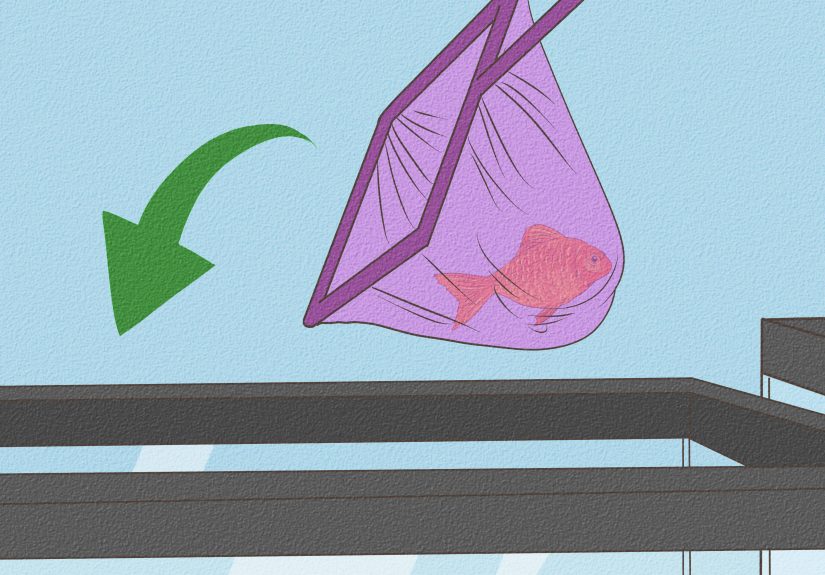
Isolation is one of the smartest early moves. A hospital tank gives you control over water quality, observation, feeding, and treatment. It also prevents you from dosing the main aquarium unnecessarily, which is great news for your biological filter, live plants, and innocent roommates. Use clean, dechlorinated water, gentle filtration, and strong aeration. Keep the setup simple so the fish does not waste energy navigating a decorative underwater castle.
Step 3: Test the water immediately
If you do nothing else in the first hour, test the water. Check ammonia, nitrite, nitrate, pH, and temperature in both the main tank and the hospital tank. Poor water quality is one of the most common stressors behind fish illness, and goldfish are famously talented at producing waste like it is a competitive sport. Even a well-loved fish can get sick if ammonia or nitrite rises, nitrate climbs too high, oxygen falls, or the tank swings wildly in temperature or pH.
Step 4: Perform a careful partial water change
If your water test shows trouble, do a partial water change right away with temperature-matched, dechlorinated water. Avoid huge shock changes unless the parameters are truly dangerous. The goal is improvement, not turning the aquarium into an emotional roller coaster. Clean water reduces stress, improves gill function, and gives your fish a better chance of responding to treatment.
Step 5: Increase aeration and keep oxygen high
Goldfish with dropsy are already under internal stress. If their gills are compromised or the water is oxygen-poor, they have to work even harder just to breathe. Add an air stone, increase surface agitation, and make sure the hospital tank is well oxygenated. This simple step is often overlooked, but it matters. A fish fighting swelling, infection, and poor oxygen is basically trying to run a marathon in a winter coat.
Step 6: Stabilize the temperature, do not play thermostat roulette
Fancy goldfish generally do best in stable, species-appropriate water rather than dramatic temperature jumps. Warmth can sometimes support metabolism and immune response, but sudden increases can also increase stress or reduce dissolved oxygen. Aim for steady, appropriate conditions instead of chasing internet miracle numbers. Consistency beats panic every time.
Step 7: Stop overfeeding and remove uneaten food
A sick goldfish does not need a buffet. Overfeeding worsens water quality and can add digestive stress to a fish that is already uncomfortable. Offer very small portions of high-quality, easily digestible food only if the fish is interested. Remove leftovers promptly. If the fish refuses food for a day or two while you stabilize conditions, that is usually less harmful than turning the tank into a bacterial soup.
Step 8: Consider salt support in the hospital tank
Salt is often used as supportive care because it can reduce osmotic stress and ease the movement of fluid into the fish’s tissues. Some keepers use aquarium salt, while others use Epsom salt in a separate treatment setup when swelling is the main issue. The important point is this: use a measured, label-based approach in a hospital tank, not a random kitchen experiment. Salt can help support a dropsical goldfish, but it is not a magical cure and it is not ideal for every setup or every tankmate.
Step 9: Look for clues that suggest the underlying cause
Does the fish have red streaks, ulcers, or inflamed skin? A bacterial infection may be involved. Is the belly swelling gradual with no appetite changes at first? A tumor or chronic internal disorder could be part of the story. Has the fish been flashing, losing weight, or passing abnormal feces? Internal parasites become more likely. The more clues you gather, the better your treatment decisions will be.
Step 10: Use antibiotics only when they fit the symptoms
Antibiotics can help when dropsy is linked to bacterial infection, especially internal infections involving common freshwater pathogens. But random antibiotic use is not smart fishkeeping. It can fail, damage your filter, stress the fish further, and contribute to resistance. Choose a fish-safe, broad-spectrum antibiotic only when the symptoms point toward bacterial disease or when a fish veterinarian recommends it. Follow product directions carefully, complete the course as directed, and do not mix meds like a backyard chemist trying to impress a frog.
Step 11: Support the kidneys and gut with low-stress care
Because dropsy often involves fluid regulation problems, supportive care matters just as much as medicine. Keep the environment quiet. Avoid netting unless necessary. Limit handling. Maintain excellent water quality every single day. If the fish eats, offer a high-quality diet in tiny portions. If it does not eat, focus first on environmental support and observation. The fish’s body needs every bit of energy for recovery, not for dodging your hand like it owes you money.
Step 12: Monitor progress from above and take daily photos
Dropsy can be tricky because tiny changes are hard to notice when you stare at the tank every hour. Take a photo from above once a day in the same lighting. Compare belly size, scale position, posture, and eye appearance. Improvement often happens slowly. Swelling may begin to go down before appetite returns. If the fish looks less ballooned and the scales begin flattening, you are moving in the right direction.
Step 13: Watch the main tank like a detective
If one goldfish develops dropsy, the rest of the tank deserves attention too. Test water, check filtration, clean responsibly, and observe tankmates for clamped fins, flashing, redness, or appetite loss. A single sick fish can reflect a tank-wide problem such as chronic nitrate stress, overstocking, poor maintenance, or the introduction of a new pathogen. Treating one fish while ignoring the aquarium is like fixing one leaky pipe in a house that is actively flooding.
Step 14: Call an aquatic veterinarian if the fish is valuable or the case is severe
If the goldfish is severely pineconed, has ulcers, is gasping, or fails to improve after supportive care, an aquatic veterinarian is worth contacting. A vet can help distinguish between infection, parasites, organ disease, tumors, and other internal problems. In some cases, diagnostics and targeted medication are the difference between educated treatment and wishful thinking wearing a lab coat.
Step 15: Know when humane care matters more than heroic care
This is the hardest step, but it belongs in every honest guide. If your goldfish has advanced pineconing, cannot stay upright, is no longer eating, has severe skin breakdown, or continues to decline despite proper care, recovery may not be realistic. In that case, the kindest choice may be humane euthanasia under veterinary guidance. Keeping a fish alive at all costs is not the same as caring well for it. Sometimes good fishkeeping means choosing comfort over false hope.
Common Mistakes That Make Dropsy Worse
The biggest mistake is waiting too long. Many keepers hope the fish is “just fat” until the scales begin sticking out, and by then the illness may already be advanced. Another common mistake is medicating first and testing water later. Bad water can sabotage every treatment you try. Overfeeding is also a repeat offender, especially with goldfish. So is using the main display tank as a medicine bucket, which can stress healthy fish and damage filtration. Finally, many people treat every swollen fish like a bacterial case when the real issue may be parasites, organ damage, egg binding, or a tumor. Accurate observation matters.
How Long Does It Take a Goldfish With Dropsy to Recover?
If the cause is caught early and the fish responds, you may see small signs of improvement within several days: better posture, slightly reduced swelling, more interest in food, and flatter scales. Full recovery, when it happens, can take a few weeks. If the fish keeps swelling, develops worse pineconing, stops eating completely, or becomes less responsive, the outlook is poor. Dropsy is one of those conditions where early action can make a huge difference, but late action often arrives to an empty stage after the actors have already left.
How to Prevent Goldfish Dropsy in the Future
The best dropsy treatment is prevention. Keep goldfish in a properly sized, filtered aquarium with strong aeration. Test water regularly. Avoid overcrowding. Do routine partial water changes. Feed a quality diet without turning every meal into an all-you-can-eat challenge. Quarantine new fish before adding them to the main tank. Clean equipment between tanks. Watch for subtle behavior changes, because fish often whisper before they scream. A goldfish that isolates itself, clamps its fins, or starts looking slightly swollen is telling you something long before it becomes a pinecone.
Goldfish Dropsy Experiences: What Keepers Usually Learn the Hard Way
One of the most common experiences keepers describe is how quickly dropsy seems to appear. In reality, the underlying problem is often building for days or weeks. A goldfish may seem slightly off, perhaps hanging near the bottom, eating less enthusiastically, or looking a little rounder than usual. Because goldfish are naturally chunky little comedians, those early clues are easy to dismiss. Then the swelling becomes obvious, the scales begin to lift, and suddenly the tank owner is in full crisis mode at 11:47 p.m. with six browser tabs open and one eyebrow twitching.
Another repeated lesson is that water quality tells the truth even when the tank looks clean. Many people assume clear water means healthy water, but goldfish do not care how pretty the aquarium is if ammonia, nitrite, or nitrate is out of line. Some keepers only discover the real issue after moving the fish to a hospital tank and testing both systems side by side. The fish was not unlucky. The fish was living in conditions that slowly wore down its defenses.
Many hobbyists also report that isolation was the turning point. Once the sick fish was moved into a quieter, cleaner hospital tank, it became easier to observe breathing, appetite, swelling, and stool. It also became easier to avoid accidental overfeeding and unnecessary medication. In a community aquarium, sick fish can get harassed, outcompeted, or simply lost in the visual noise. In a hospital setup, every little improvement becomes visible. So does every setback.
There is also a shared emotional pattern that comes with dropsy: guilt. Keepers often blame themselves immediately, even when they were doing a lot right. Sometimes that guilt is useful because it motivates better testing, maintenance, and quarantine habits. Sometimes it is not useful at all. Fish get sick for complicated reasons. The better response is not endless self-punishment. The better response is to learn fast, act calmly, and improve the system your fish depends on.
Experienced goldfish keepers often say the same thing after dealing with a dropsy case: they became much more observant afterward. They learned to notice the fish that rests too much, the one that skips a meal, the one with a faint red patch, or the one that suddenly looks wider from above. They learned not to buy new fish without quarantine. They learned that maintenance is easier than rescue. They learned that “I’ll test tomorrow” is one of the most expensive sentences in fishkeeping.
And perhaps the hardest lesson of all is this: not every fish can be saved. Some goldfish recover beautifully with clean water, supportive care, and the right treatment. Others continue to decline no matter how committed their keeper is. That does not always mean the treatment was wrong. Sometimes the disease process is simply too advanced. The healthiest long-term mindset is to measure success not only by survival, but by whether you acted quickly, reduced suffering, and gave the fish the best chance possible. In fishkeeping, that is not failure. That is responsible care.
Conclusion
If you want to know how to cure goldfish dropsy, the real answer is to stop thinking of dropsy as a single disease and start treating it like an urgent warning sign. Isolate the fish, test the water, correct the environment, support the body, and target the underlying cause. Move early, stay consistent, and avoid random treatments. Some goldfish recover, especially when the case is caught before severe pineconing sets in. Others do not. But in both situations, smart, calm, evidence-based care gives your fish the best shot at comfort and recovery.