Table of Contents >> Show >> Hide
- What Does It Mean When Someone Is Insecure?
- How to Deal with an Insecure Person: 16 Tips
- 1. Start with Empathy, Not Eye-Rolling
- 2. Listen Actively Before Giving Advice
- 3. Offer Reassurance, But Do Not Turn It into a Subscription Service
- 4. Avoid Mocking Their Feelings
- 5. Validate the Emotion, Not the Distorted Story
- 6. Set Healthy Boundaries Early
- 7. Do Not Take Responsibility for Their Self-Worth
- 8. Encourage Honest Conversations During Calm Moments
- 9. Use “I” Statements to Reduce Defensiveness
- 10. Praise Effort, Not Just Results
- 11. Avoid Feeding Comparisons
- 12. Watch for Control Disguised as Insecurity
- 13. Model Secure Behavior
- 14. Encourage Professional Help When Needed
- 15. Protect Your Own Mental Health
- 16. Know When to Step Back
- How to Talk to an Insecure Person Without Making Things Worse
- What Not to Do with an Insecure Person
- Real-Life Examples of Dealing with Insecurity
- Experiences Related to Dealing with an Insecure Person
- Conclusion
Dealing with an insecure person can feel like trying to carry a cup of coffee across a trampoline: possible, but requiring patience, balance, and a tiny prayer to the universe. Insecurity can show up in many waysconstant reassurance-seeking, jealousy, defensiveness, comparison, people-pleasing, overthinking, or reading a one-word text like it is a secret government document.
The good news? Insecurity is not a personality defect. It is often a protective response shaped by past rejection, low self-esteem, anxiety, criticism, inconsistent relationships, or fear of not being “enough.” The tricky part is that insecurity can quietly strain friendships, romantic relationships, families, and workplaces if nobody knows how to handle it.
This guide explains how to deal with an insecure person with kindness, emotional intelligence, and healthy boundaries. You do not need to become their full-time therapist, emergency confidence generator, or emotional support vending machine. You can be compassionate without becoming responsible for someone else’s self-worth.
What Does It Mean When Someone Is Insecure?
An insecure person often doubts their value, safety, attractiveness, competence, or place in a relationship. They may worry that others will leave, judge, replace, reject, or criticize them. Sometimes the insecurity is obvious, such as asking, “Are you mad at me?” ten times in one afternoon. Other times, it hides behind sarcasm, control, perfectionism, bragging, or withdrawal.
Insecurity may look like:
- Needing repeated reassurance
- Comparing themselves to others
- Becoming jealous or suspicious easily
- Taking neutral comments personally
- Avoiding new challenges because they fear failure
- Putting themselves down before anyone else can
- Trying to control situations to feel safe
Understanding the behavior does not mean excusing harmful actions. A person can feel insecure and still be responsible for how they speak, react, and treat others. That is the golden rule here: empathy with a backbone.
How to Deal with an Insecure Person: 16 Tips
1. Start with Empathy, Not Eye-Rolling
When someone acts insecure, your first reaction may be frustration. That is understandable, especially if their behavior interrupts your peace. But leading with empathy can prevent a small emotional spark from turning into a full kitchen fire.
Try to see the fear underneath the behavior. A jealous partner may be afraid of being replaced. A coworker who constantly asks whether their work is good may fear embarrassment. A friend who fishes for compliments may feel invisible. You do not have to agree with their reaction to understand the feeling behind it.
Example: Instead of saying, “Why are you always so dramatic?” try, “It sounds like you’re worried I’m upset with you. I’m not, but I can see this is bothering you.”
2. Listen Actively Before Giving Advice
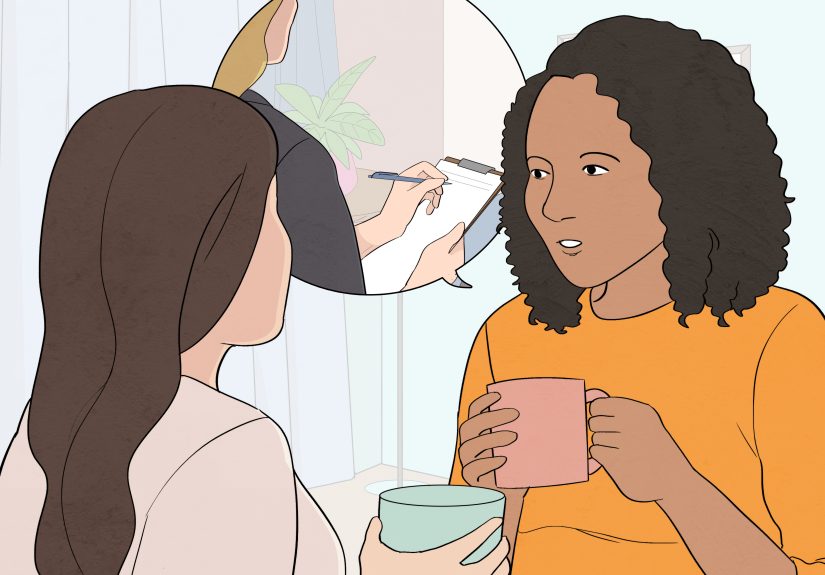
Insecure people often need to feel heard before they can think clearly. Active listening means you pay attention, reflect what you hear, and avoid immediately jumping in with a TED Talk called “Here’s Why You’re Wrong.”
Use simple phrases like:
- “That sounds really stressful.”
- “So you felt left out when that happened?”
- “I hear that you’re worried about where you stand.”
Listening does not mean agreeing with every fear. It means showing the person that their emotions are being taken seriously. This alone can reduce defensiveness and create room for a healthier conversation.
3. Offer Reassurance, But Do Not Turn It into a Subscription Service
Reassurance can be helpful. Everyone needs it sometimes. The problem begins when reassurance becomes endless and never actually reassures. If someone asks, “Do you still like me?” once, kindness helps. If they ask every hour, your answer may become less like love and more like customer support.
Give reassurance clearly, then gently encourage self-soothing. For example: “I care about you, and I’m not upset. I also think it may help for you to pause and remind yourself of what you already know instead of asking me repeatedly.”
This keeps you supportive without training the relationship to depend on constant emotional refills.
4. Avoid Mocking Their Feelings
Never use someone’s insecurity as a punchline. Teasing may seem harmless to you, but to an insecure person it can land like a piano falling from a cartoon window. Comments such as “You’re so needy,” “Stop being paranoid,” or “Here we go again” usually make the insecurity worse.
Use humor carefully. Laugh with them, not at them. A warm joke can lighten the mood, but a sharp joke can confirm their worst fear: that they are too much, too sensitive, or not worth patience.
5. Validate the Emotion, Not the Distorted Story
Validation is powerful, but it must be precise. You can validate someone’s feelings without validating an inaccurate conclusion.
For example, if they say, “You didn’t reply for two hours, so you obviously don’t care about me,” avoid saying, “Yes, I understand why you think I don’t care.” That may accidentally support the fear. Instead, say, “I understand why the delay made you anxious. I do care about you, and I was busy.”
This approach says, “Your feeling matters,” without saying, “Your fear is a fact.”
6. Set Healthy Boundaries Early
Boundaries are not walls with barbed wire and a dramatic soundtrack. They are simple rules that protect respect, time, energy, and emotional safety. Insecure people may unintentionally push boundaries because anxiety tells them that more access equals more security.
Be clear and kind. For example:
- “I can talk about this for 20 minutes, but I can’t keep repeating the same conversation all night.”
- “I’m happy to reassure you, but I’m not okay with being accused.”
- “I need privacy with my phone, and that does not mean I’m hiding something.”
A boundary is not a punishment. It is a map. Without one, everyone starts emotionally driving through hedges.
7. Do Not Take Responsibility for Their Self-Worth
You can encourage an insecure person, but you cannot become the foundation of their confidence. That foundation has to be built from the inside. If they rely completely on your approval, both of you may become exhausted.
Support them by reminding them of their strengths, but avoid becoming the only source of emotional stability. Say things like, “I believe in you, and I also want you to start recognizing your own progress.”
This helps shift the pattern from dependence to growth.
8. Encourage Honest Conversations During Calm Moments
The worst time to discuss insecurity is usually during the emotional tornado itself. When someone is panicking, jealous, or defensive, logic often packs a suitcase and leaves the room.
Choose a calm moment. Say, “Can we talk about what happened earlier? I want us to understand the pattern, not blame each other.” This makes the conversation feel safer and more productive.
Focus on patterns, not character attacks. Instead of “You are insecure,” try, “Sometimes when you feel uncertain, you ask for reassurance in a way that becomes stressful for both of us.”
9. Use “I” Statements to Reduce Defensiveness
“You” statements can sound like accusations. “You always overreact” is basically throwing a match into a room full of emotional confetti. “I” statements help express your experience without attacking the other person.
Try this formula: “I feel [emotion] when [specific behavior] because [reason]. I need [clear request].”
Example: “I feel overwhelmed when I’m asked the same question many times because it makes me feel like my first answer didn’t count. I need us to pause after I reassure you once.”
That is direct, respectful, and much harder to argue with than “Please stop being impossible.”
10. Praise Effort, Not Just Results
Insecure people often measure themselves by outcomes: Did everyone like me? Did I win? Did I look smart? Did I get praised? This can make failure feel like a personal disaster instead of a normal part of being human.
Help them notice effort and progress. Say, “I liked how you spoke up in that meeting,” or “You handled that conversation more calmly than last time.” Specific praise feels more believable than general praise. “You’re amazing” is nice. “You stayed patient even though you were nervous” is useful.
11. Avoid Feeding Comparisons
Comparison is insecurity’s favorite snack. If someone already feels inadequate, comparing them to another person can deepen the wound. Avoid statements like, “Why can’t you be more confident like your sister?” or “My ex never worried about this.” Congratulations, you have just poured hot sauce on the insecurity sandwich.
Instead, bring the focus back to the person’s own growth. “You don’t need to be like anyone else. Let’s focus on what helps you feel steadier.”
12. Watch for Control Disguised as Insecurity
This is important: insecurity may explain controlling behavior, but it does not excuse it. Someone may say, “I only check your phone because I’m insecure,” or “I only tell you who to hang out with because I’m scared.” Fear may be real, but control is not healthy.
Red flags include:
- Demanding passwords
- Monitoring your location
- Isolating you from friends or family
- Accusing you constantly without evidence
- Using guilt to control your choices
- Exploding when you set boundaries
Compassion should never require surrendering your privacy, independence, or safety.
13. Model Secure Behavior
You can help create emotional safety by being consistent, respectful, and honest. Keep your word when possible. Communicate changes. Admit mistakes. Avoid mind games. If you say you will call, call. If you need space, explain it plainly instead of disappearing like a magician with poor communication skills.
Secure behavior does not mean being perfect. It means being reliable enough that the relationship does not feel like a guessing game.
14. Encourage Professional Help When Needed
Some insecurity is mild and improves with communication, confidence-building, and supportive relationships. But when insecurity is intense, constant, or connected to anxiety, trauma, depression, obsessive thoughts, or relationship conflict, professional help can make a major difference.
You might say, “I care about you, and I think this fear is causing you a lot of pain. Talking to a counselor could give you support that I can’t fully provide.”
Frame therapy as strength, not failure. Nobody calls a mechanic “weak” for fixing the brakes. Emotional brakes deserve maintenance too.
15. Protect Your Own Mental Health
Helping an insecure person can be emotionally draining if the relationship becomes one-sided. You may start editing every sentence, over-explaining every action, or walking on eggshells to avoid triggering them. That is not sustainable.
Check in with yourself:
- Do I feel safe being honest?
- Am I allowed to have needs too?
- Do I feel guilty for normal boundaries?
- Is this relationship improving, or am I shrinking to keep it peaceful?
Your well-being matters. Supporting someone else should not require abandoning yourself.
16. Know When to Step Back
Sometimes, despite your patience and effort, the person refuses to respect boundaries, continues harmful behavior, or uses insecurity as a permanent excuse. In that case, stepping back may be necessary.
Stepping back does not mean you are cruel. It may mean you are honest about what you can and cannot carry. You can say, “I care about you, but this pattern is hurting me. I need distance unless things change.”
Kindness is valuable. So is self-respect. The healthiest relationships make room for both.
How to Talk to an Insecure Person Without Making Things Worse
The way you speak matters. Tone, timing, and word choice can either calm insecurity or turn it into a marching band. Here are a few communication strategies that work well:
- Be specific: “I’m busy until 6” is better than “later.”
- Be warm: A calm tone can reduce perceived threat.
- Be consistent: Mixed signals can intensify anxiety.
- Be honest: False reassurance creates bigger problems later.
- Be firm: Kindness without boundaries can become resentment.
For example, instead of saying, “Relax, nothing is wrong,” try, “Nothing is wrong between us. I’m tired tonight, so I may be quieter than usual.” That tiny bit of context can prevent an insecure person from inventing a 12-episode drama series in their head.
What Not to Do with an Insecure Person
Even well-meaning people can accidentally make insecurity worse. Avoid these common mistakes:
- Do not overpromise. Saying “I’ll never hurt you” sounds comforting, but no human can guarantee perfection.
- Do not become their only coping tool. Encourage self-reflection, hobbies, friendships, and professional support.
- Do not argue with every fear. Some fears need soothing, not courtroom debate.
- Do not reward accusations. Reassure feelings, but challenge unfair blame.
- Do not ignore your limits. Burnout helps no one.
Real-Life Examples of Dealing with Insecurity
Example 1: The Friend Who Thinks You Are Mad
Your friend texts, “Are you mad at me?” because you replied with “OK.” You could respond with irritation, but a calmer reply works better: “No, I’m not mad. I was just replying quickly because I’m busy. We’re good.”
If this happens constantly, add a boundary: “I’ll tell you directly if something is wrong. If I send a short text, please don’t assume it means anger.”
Example 2: The Partner Who Gets Jealous
Your partner feels insecure when you spend time with friends. Reassurance may help: “I love spending time with you, and I also need time with my friends. Both things can be true.”
If jealousy becomes controlling, be firmer: “I’m not okay with being told who I can see. I’m willing to talk about feelings, but I won’t accept control.”
Example 3: The Coworker Who Needs Constant Approval
A coworker repeatedly asks whether their work is good. Try specific feedback: “The report is clear, especially the summary section. You can send it.” If they keep asking, say, “I’ve given my feedback. I think the next step is for you to trust your work and submit it.”
Experiences Related to Dealing with an Insecure Person
Anyone who has dealt closely with an insecure person knows the experience can be both tender and tiring. One moment, you may feel protective because you can see how badly they want to be loved, accepted, or respected. The next moment, you may feel like you are trapped in a loop, repeating the same reassurance with the enthusiasm of a phone menu: “For yes, press one. For I still care about you, press two.”
In friendships, insecurity often appears as fear of being replaced. Maybe you make a new friend, and suddenly your old friend becomes quiet, sarcastic, or unusually needy. They may ask, “So, are they your best friend now?” The question sounds childish, but the feeling underneath is real: “Do I still matter?” A helpful response is not to mock the fear, but to answer the need while keeping your freedom. You might say, “You still matter to me. Having other friends doesn’t erase our friendship.” Over time, consistent reassurance plus healthy independence can teach the relationship that closeness is not a limited-edition coupon.
In romantic relationships, insecurity can be more intense because love often touches deep fears. A partner may worry about exes, social media likes, delayed replies, or small changes in tone. At first, it may feel sweet to reassure them. But if the pattern grows, the relationship can become exhausting. The key experience many people learn the hard way is this: reassurance works only when the other person is also willing to work on trust. If you are constantly proving your loyalty while they never challenge their fear, the relationship becomes a courtroom where you are always on trial.
In families, insecurity may show up as criticism or comparison. A parent, sibling, or relative who feels inadequate may compete, dismiss your success, or make small comments that sting. This can be confusing because the person may love you and still behave defensively. In these cases, boundaries are especially important. You can be respectful without accepting every emotional jab. A sentence like, “I want to share good news with you, but I don’t want it turned into a comparison,” can be surprisingly powerful.
At work, insecure people may over-explain, take feedback personally, or compete unnecessarily. A manager who feels insecure may micromanage. A teammate may become defensive when asked a simple question. The best approach is to stay factual, calm, and specific. Instead of saying, “You’re being defensive,” say, “I’m Instead of saying, “You’re being defensive,” say, “I’m asking about the deadline so we can plan, not because I’m criticizing your work.” Clarity reduces the empty space where insecurity likes to build furniture.
The biggest lesson from these experiences is that insecurity improves in relationships where compassion and accountability exist together. Too much criticism makes the person feel unsafe. Too much accommodation prevents growth. The middle path is warm honesty: “I care about you, and this pattern needs to change.” That sentence may not solve everything overnight, but it creates the right direction.
Another lesson is that you cannot rescue someone from insecurity by loving them harder than they love themselves. You can be patient. You can be steady. You can celebrate their progress. But you cannot climb inside their mind and redecorate every painful belief. Their healing belongs to them. Your role is to support, not to substitute for self-worth.
Conclusion
Learning how to deal with an insecure person is really about learning how to balance kindness with limits. Insecurity often comes from fear, low self-esteem, painful experiences, or anxiety, but it still needs healthy handling. The best approach is empathetic, clear, and steady: listen actively, validate feelings, offer reasonable reassurance, avoid comparisons, set boundaries, and encourage personal growth.
Remember, you are not responsible for fixing another person’s entire inner world. You can be supportive without being swallowed by their fear. You can care deeply without handing over your privacy, peace, or independence. A healthy relationship gives both people room to feel safe, respected, and realno emotional gymnastics required.
Note: This article is for general educational purposes and should not replace advice from a licensed mental health professional. If insecurity becomes controlling, threatening, or emotionally harmful, seek trusted supp:rt and prioritize safety.