Table of Contents >> Show >> Hide
- Introduction: Yes, There Is a Right Way to Dry Off
- How to Dry Yourself After a Shower: 10 Steps
- Step 1: Turn Off the Water and Let Excess Water Drip Away
- Step 2: Step Onto a Clean, Non-Slip Bath Mat
- Step 3: Use a Clean, Dry, Absorbent Towel
- Step 4: Pat Your Face Dry First
- Step 5: Pat Your Body Dry Instead of Rubbing Hard
- Step 6: Dry Skin Folds and Easy-to-Miss Areas Carefully
- Step 7: Dry Your Feet and Between Your Toes
- Step 8: Wrap or Blot Your Hair Without Rough Towel Rubbing
- Step 9: Moisturize While Skin Is Slightly Damp
- Step 10: Hang Your Towel, Ventilate the Bathroom, and Finish Getting Ready
- Common Drying Mistakes to Avoid
- Best Towels for Drying After a Shower
- How to Dry Yourself After a Shower If You Have Dry or Sensitive Skin
- Extra Experience-Based Tips for a Better Post-Shower Routine
- Conclusion
Note: This article is written in standard American English, based on widely accepted dermatology, hygiene, bathroom safety, and home-care guidance, and prepared for web publishing without source-link clutter.
Introduction: Yes, There Is a Right Way to Dry Off
Drying yourself after a shower sounds simple: grab towel, attack body, get dressed, move on with life. But your skin, your bathroom floor, your towel, and your future non-slipping self would like a quick word. The way you dry off can affect skin comfort, body odor, towel freshness, bathroom moisture, and even safety. A rushed rubdown with a damp towel may leave your skin irritated, your toes wet, and your bathroom mat wondering why it chose this career path.
The good news? Learning how to dry yourself after a shower does not require a spa membership, a complicated routine, or a towel blessed by mountain monks. You only need the right order, a clean towel, gentle technique, and a few smart habits. Whether you have dry skin, sensitive skin, long hair, a cold bathroom, or a schedule that gives you approximately 47 seconds to become a functioning adult, these 10 steps will help you dry off cleanly, comfortably, and efficiently.
This guide covers the best post-shower drying routine, including how to pat your skin dry, how to dry areas that are easy to forget, when to moisturize, how to prevent bathroom slips, and how to keep towels from turning into suspicious-smelling fabric rectangles.
How to Dry Yourself After a Shower: 10 Steps
Step 1: Turn Off the Water and Let Excess Water Drip Away
Before you reach for your towel, pause for a few seconds inside the shower or tub. Let water naturally drip from your body, hair, elbows, and fingertips. This tiny pause helps reduce the amount of water your towel has to absorb and keeps the bathroom floor from becoming a low-budget water park.
If you have long hair, gently squeeze out water with your hands before stepping out. Avoid twisting your hair aggressively, especially if it is fragile, curly, color-treated, or prone to breakage. Think of it as pressing water out, not wringing laundry in 1893.
This first step also helps with safety. Wet feet plus tile flooring can create a dramatic scene no one asked for. Before leaving the shower, make sure your bath mat is in place and stable.
Step 2: Step Onto a Clean, Non-Slip Bath Mat
A good drying routine begins with secure footing. Place a clean, non-slip bath mat outside the shower or tub before you shower, not after. Trying to arrange a mat while dripping wet is how bathrooms become obstacle courses.
Choose a mat with a backing that grips the floor well. If your mat slides around, bunches up, or behaves like it has personal ambitions, replace it. A dry floor and stable bath mat are especially important for children, older adults, pregnant people, and anyone with balance concerns.
Once you step out, plant both feet carefully. If needed, hold a grab bar, counter, or stable surface. Do not grab a towel rack for balance unless it is designed to support weight. Most towel racks are decorative little liars.
Step 3: Use a Clean, Dry, Absorbent Towel
The best towel for drying yourself after a shower is clean, dry, soft, and absorbent. Cotton towels are popular because they absorb moisture well, while microfiber towels dry quickly and can be useful for travel, gym bags, or small bathrooms with poor ventilation.
Avoid using a towel that smells musty, feels damp before you start, or has been sitting in a heap on the floor. Damp towels can hold odor-causing microbes and may irritate sensitive skin. If your towel smells like an old basement with opinions, it belongs in the laundry.
For best hygiene, hang towels so they can dry completely between uses. Wash bath towels after several uses, sooner if they smell, stay damp, are used after workouts, or come into contact with sweat, body fluids, or irritated skin. Wash washcloths more often because they get wetter, soapier, and closer to oil-prone areas.
Step 4: Pat Your Face Dry First
Your face deserves first-class treatment. Use a clean section of the towel, or better yet, a separate face towel if you are acne-prone or have sensitive skin. Gently pat your face instead of rubbing it. The skin on your face is thinner and more delicate than skin on many parts of the body, so scrubbing it with a towel like you are polishing a truck bumper is not ideal.
Patting helps remove extra water while leaving the skin slightly damp, which is helpful if you plan to apply moisturizer, serum, or other skin-care products. Damp skin can help moisturizers spread more easily and lock in hydration.
If you use prescription skin treatments, acne products, or anti-aging ingredients, follow your dermatologist’s instructions. Some products work best on dry skin, while others are applied after moisturizer. When in doubt, gentle drying is still the safest starting point.
Step 5: Pat Your Body Dry Instead of Rubbing Hard
The golden rule of drying after a shower is simple: pat, do not punish. Aggressive rubbing can irritate dry, itchy, sunburned, freshly shaved, or sensitive skin. It may also make eczema-prone skin feel worse. Instead, press the towel against your skin and lift. Work from the shoulders downward, using calm, firm pats.
Start with your upper body: neck, chest, shoulders, arms, underarms, and back. Then move to your stomach, hips, legs, and feet. If you cannot easily reach your back, use a larger towel and pull it gently side to side, like you are drying off after swimmingnot trying to start a campfire with friction.
You do not need to become bone-dry. In fact, leaving your skin slightly damp is useful if you plan to moisturize. The goal is to remove dripping water, not erase every molecule of moisture from your existence.
Step 6: Dry Skin Folds and Easy-to-Miss Areas Carefully
Some areas need extra attention because trapped moisture can lead to discomfort, chafing, odor, or irritation. After drying the main parts of your body, gently dry skin folds and spots where water tends to hide.
Pay attention to underarms, behind the ears, under the breasts, around the groin, between the buttocks, behind the knees, around the belly button, and under any skin folds. Use gentle pats and a clean section of towel. These areas do not need rough scrubbing; they need thorough drying.
Drying these zones is especially important if you live in a humid climate, sweat easily, wear tight clothing, or are dressing right away. Putting clothes over damp skin can feel uncomfortable and may create the perfect environment for rubbing and odor.
Step 7: Dry Your Feet and Between Your Toes
Feet are often the forgotten finale of shower drying. People dry their hair, face, arms, and chest, then step into socks with toes still wet. This is not a crime, but your feet may file a complaint.
After drying your legs, sit or balance safely and dry the tops and bottoms of your feet. Then gently dry between each toe. Moisture trapped between toes can contribute to odor and may make feet feel clammy inside socks or shoes.
If you are prone to athlete’s foot, foot odor, or irritation, this step matters even more. Use a separate small towel if needed, and make sure socks are completely dry before wearing them. Damp socks are basically tiny saunas with elastic.
Step 8: Wrap or Blot Your Hair Without Rough Towel Rubbing
Hair is more fragile when wet, so treat it kindly. Instead of rubbing your hair rapidly with a towel, gently squeeze sections to remove excess water. If your hair is long, curly, textured, bleached, or prone to frizz, consider using a microfiber towel or soft cotton T-shirt.
Wrap hair loosely rather than twisting it tightly. A heavy towel piled on top of the head can pull on roots and strain the hairline, especially if worn for a long time. A lighter wrap is usually more comfortable and less likely to cause breakage.
If you plan to blow-dry your hair, towel-blot first until it is damp rather than dripping. This can reduce drying time and heat exposure. If you air-dry, keep your towel off your shoulders once it becomes wet so it does not leave your neck and back damp again.
Step 9: Moisturize While Skin Is Slightly Damp
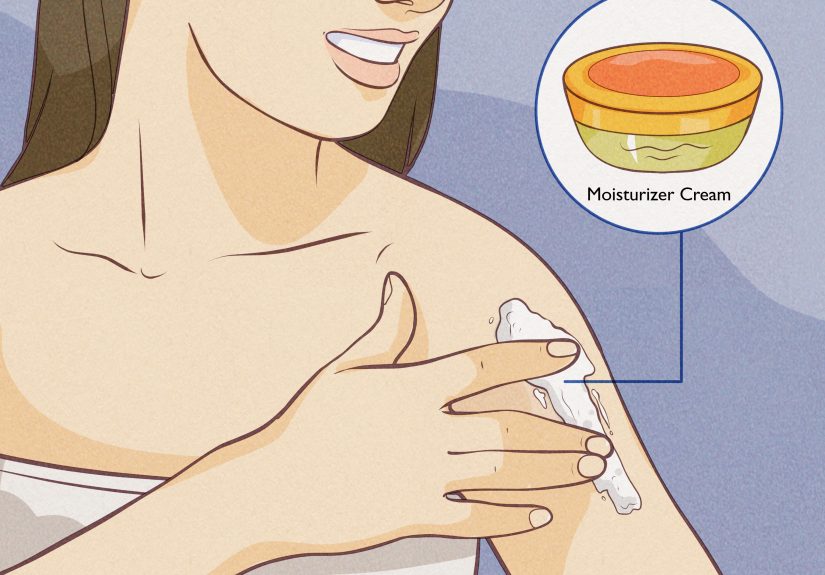
One of the smartest post-shower habits is applying moisturizer shortly after drying. The best moment is usually when your skin is no longer dripping but still slightly damp. This helps seal in water and supports the skin barrier.
Choose a moisturizer based on your skin type. Lotions are lightweight and easy for normal or mildly dry skin. Creams are richer and better for dry or sensitive skin. Ointments are heavier and useful for very dry areas like elbows, knees, heels, or hands.
For sensitive skin, look for fragrance-free formulas. Fragrance may smell lovely, but it can bother skin that is already dry, itchy, or reactive. Apply moisturizer to arms, legs, torso, and any rough patches. Do not forget elbows, knees, ankles, and handsthe usual suspects in the dry-skin lineup.
If you shave in the shower, moisturizing afterward can help reduce tightness and dryness. Avoid applying strong exfoliating acids or heavily fragranced products immediately after shaving unless you enjoy the spicy sensation of regret.
Step 10: Hang Your Towel, Ventilate the Bathroom, and Finish Getting Ready
Once you are dry, do not toss your towel into a damp pile. Hang it fully spread out on a towel bar or rack so air can circulate. Towels dry better when they are not folded into thick layers. A hook is convenient, but a towel bar usually allows faster drying.
Turn on the bathroom fan, open a window if available, or leave the door open to help steam escape. Reducing moisture helps prevent musty smells and discourages mold and mildew growth. Pull the shower curtain open across the rod so it can dry, or leave the shower door slightly open for airflow.
Finally, wipe up puddles, especially near the tub, sink, or bath mat. Your future selfpossibly carrying coffee and wearing sockswill appreciate the effort.
Common Drying Mistakes to Avoid
Rubbing Too Aggressively
Hard rubbing may feel efficient, but it can irritate the skin. This is especially true after hot showers, shaving, exfoliating, or using strong cleansers. Patting is gentler and works surprisingly well.
Getting Dressed While Still Damp
Putting clothes on damp skin can cause clinging, chafing, and general grumpiness. Give skin folds, feet, and underarms a few extra seconds of drying before dressing.
Using the Same Towel for Too Long
A towel may look clean while still holding moisture, body oils, and odor. Wash towels regularly and replace them when they lose softness, absorbency, or freshness.
Forgetting Bathroom Ventilation
Drying yourself is only half the job. Drying the bathroom matters too. Use airflow to reduce humidity, protect surfaces, and keep towels fresher between washes.
Best Towels for Drying After a Shower
The right towel depends on your lifestyle. A thick cotton bath sheet feels luxurious and covers more body surface, which is useful if you like to wrap up after a shower. A standard cotton bath towel is easier to wash, easier to hang, and usually dries faster. Microfiber towels are lightweight and quick-drying, making them handy for travel, camping, gyms, dorm rooms, and humid bathrooms.
If you have sensitive skin, choose soft towels and avoid fabric softener buildup. Fabric softeners can make towels feel smooth at first, but over time they may reduce absorbency. If your towel pushes water around instead of absorbing it, detergent residue or softener buildup may be the culprit.
White towels can be washed hot and are easy to inspect for cleanliness, while darker towels hide stains but may fade. The best towel is not necessarily the fluffiest one in the store; it is the one that dries you well, dries quickly afterward, and does not smell like it has been living under a bridge.
How to Dry Yourself After a Shower If You Have Dry or Sensitive Skin
If your skin often feels tight, itchy, or flaky after showering, your drying routine can make a noticeable difference. Use warm water instead of very hot water when showering, keep showers reasonably short, and choose gentle cleansers. After showering, pat your skin dry with a soft towel and apply moisturizer while the skin is still slightly damp.
Dry skin is not only about the towel. Hot water, harsh soaps, low humidity, aging, overbathing, and certain skin conditions can all contribute. If you notice cracking, bleeding, severe itchiness, rash, or symptoms that do not improve with gentle care, it is wise to speak with a medical professional or dermatologist.
For daily comfort, keep a moisturizer near the shower so you actually use it. A product sitting in a drawer across the house has the motivational power of a sleeping potato.
Extra Experience-Based Tips for a Better Post-Shower Routine
After years of ordinary showers in ordinary bathrooms, one truth becomes clear: drying off well is less about speed and more about sequence. The easiest routine is the one you can repeat without thinking. Put the towel where you can reach it before you shower. Set the bath mat down before turning on the water. Keep moisturizer nearby. These tiny preparations make the entire process smoother.
A practical trick is to use two towels if your hair holds a lot of water. Use one towel for your body and a separate smaller towel or microfiber wrap for your hair. This prevents a soaked hair towel from making your shoulders, neck, and upper back wet again. It also keeps your body towel drier for actual drying instead of turning it into a defeated sponge.
Another useful habit is drying in zones. Face first, upper body second, lower body third, feet last. This simple order prevents you from stepping around with wet feet while trying to dry your shoulders. It also helps you remember the hidden areas: behind the ears, underarms, skin folds, groin area, and between toes. The goal is not to obsess; it is to avoid leaving little puddle pockets behind.
If your bathroom is cold, wrap yourself briefly in a towel or robe after patting off the first layer of water. Then finish drying section by section. This makes winter showers less dramatic. Nobody enjoys stepping out of a warm shower into a bathroom that feels like a meeting with a refrigerator.
For people who shower after exercise, towel hygiene becomes more important. Sweat, body oils, and damp fabric create odors quickly. Hang the towel fully open after use, and wash workout towels more often than regular bath towels. If a towel smells musty even after washing, try washing it separately, avoid overloading the machine, and make sure it dries completely before storage.
If you are trying to build a calmer evening routine, drying off can become part of winding down. Pat dry slowly, apply moisturizer, put on comfortable clothes, and let the bathroom fan run while you brush your teeth or tidy the counter. It takes only a few minutes, but it changes the feeling from rushed cleanup to personal care.
Parents can teach children to dry properly by turning it into a checklist: face, arms, belly, back, legs, feet, toes. Kids often forget toes and hair, then leave wet footprints like tiny mystery creatures. A colorful towel, a stable mat, and a simple routine make the habit easier.
For shared bathrooms, towel organization matters. Give each person a dedicated towel hook or bar. Towels that overlap stay damp longer and smell faster. If space is limited, quick-dry towels can help. A small laundry basket for used towels also prevents the classic floor pile, which is where freshness goes to retire.
The biggest lesson from real-life shower routines is this: comfort comes from consistency. A clean towel, gentle patting, dry feet, moisturizer, and ventilation solve most post-shower annoyances. You do not need perfection. You just need a repeatable routine that keeps your skin comfortable, your towel fresh, and your bathroom floor free from surprise puddles.
Conclusion
Drying yourself after a shower may seem automatic, but doing it properly can improve skin comfort, hygiene, bathroom safety, and towel freshness. The best method is simple: let excess water drip off, step onto a non-slip mat, use a clean towel, pat instead of rub, dry hidden areas carefully, moisturize while skin is slightly damp, and hang your towel where it can fully dry.
Small habits make a big difference. Dry between your toes. Ventilate the bathroom. Wash towels regularly. Treat sensitive skin gently. And never underestimate the power of a towel that does not smell like forgotten laundry. With these 10 steps, your post-shower routine becomes cleaner, safer, and far more comfortableno spa music required.