Table of Contents >> Show >> Hide
- Are date seeds safe to eat
- Why people eat date seeds in the first place
- How to prepare date seeds for eating
- Five tasty ways to eat date seeds
- How much date seed powder should you use
- What it tastes like and why roasting level matters
- Buying date seed products instead of DIY
- Troubleshooting common problems
- Frequently asked questions
- Common experiences when you start eating date seeds
- Conclusion
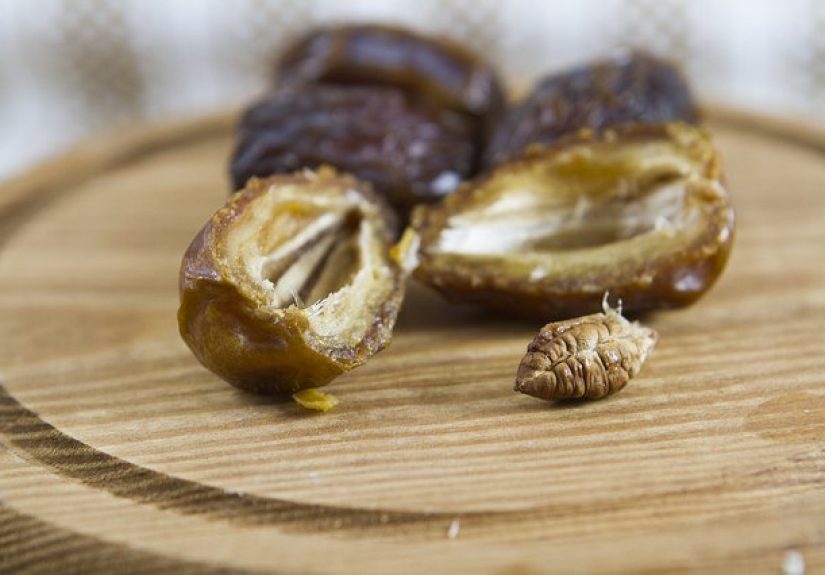
You know that moment when you finish a sweet, chewy date…and then stare at the pit like it’s a tiny canoe you’re about to throw away?
Plot twist: that “pit” (also called a date seed) can be turned into something you can actually eatmost commonly as a roasted, ground,
coffee-like drink, or as a nutty powder you stir into foods.
This guide walks you through how to eat date seeds safely, how to prep them so you don’t crack a tooth, and a bunch of
realistic ways to use them at homewithout turning your kitchen into a science fair.
Are date seeds safe to eat
In general, date seeds are considered non-toxic and have a long history of being used as a roasted, ground ingredient in
drinks and foods in various cultures. The big issue isn’t “poison”it’s physics: date seeds are extremely hard, so you
don’t want to chew them whole. The safest approach is to clean, dry, roast, and grind them into a powder before using.
A smart safety note: “edible” doesn’t automatically mean “take supplement-level amounts.” There’s published medical literature describing a
serious health event after heavy use of date seed powder like a remedy (multiple tablespoons daily for weeks). That doesn’t mean date seed
coffee is dangerousbut it does mean you should treat it like a food, not a mega-dose experiment.
Who should be extra cautious
- Kids: Avoid whole seeds entirely (choking hazard). If used at all, use a fine powder in small amounts with adult supervision.
- Anyone with swallowing issues or dental problems: Skip coarse grindsgo ultra-fine or avoid.
- Allergies: If you have known date fruit/pollen sensitivities, talk with a clinician before trying concentrated date seed products.
- Pregnant or breastfeeding: A small food-style amount is likely fine for many people, but check with your OB/midwife if you have any concerns.
- Medical conditions or meds: If you’re managing a clotting disorder, kidney/liver disease, or are on medications where diet changes matter, ask your clinician first.
Why people eat date seeds in the first place
Three reasons date seeds keep popping up in kitchens:
-
Zero-waste vibes: If you eat dates regularly, you end up with a pile of seeds. Turning them into a beverage or powder is
an easy “use-the-whole-thing” win. -
Flavor: When roasted, date seeds develop a warm, toasty aroma. Many people describe it as somewhere between coffee,
roasted nuts, and lightly bitter caramel. -
Nutrition curiosity: Date seeds contain fiber and a variety of plant compounds (including polyphenols). Research is still
evolving, and you shouldn’t treat date seed powder as a cure-allbut it’s fair to say the seed isn’t just “empty.”
How to prepare date seeds for eating
If you remember only one thing, make it this: do not try to eat date seeds whole. Prep turns them from “tiny rock” into
“actually usable ingredient.”
Step 1: Collect and clean
- Save pits from dates you’ve eaten. If they’re sticky, soak them in warm water for 20–60 minutes.
- Scrub off any remaining fruit flesh (that leftover sugar can burn and taste bitter).
- Rinse well and pat dry.
Step 2: Dry completely
Moisture is the enemy of good roasting (and good storage). Dry your seeds until they’re thoroughly dry to the touch. Options:
- Air-dry: Spread on a towel or tray for 1–3 days, stirring occasionally.
- Low oven: 200°F for 60–90 minutes, door slightly cracked if your oven runs hot.
- Dehydrator: 135–145°F until fully dry.
Step 3: Roast for flavor
Roasting is where the magic happens. You’re building aroma and making the seeds easier to grind.
Oven method (simple and consistent):
- Preheat oven to 350°F to 400°F.
- Spread seeds in a single layer on a baking sheet.
- Roast 25–45 minutes, stirring once or twice, until they deepen in color and smell pleasantly toasty.
- Cool completely.
Skillet method (more hands-on):
- Use a dry skillet over low-to-medium heat.
- Stir frequently for 15–25 minutes until roasted and fragrant.
- Cool completely before grinding.
Tip: Don’t burn them. Burnt seeds can taste harsh, and over-roasting can increase bitter compoundsjust like burnt coffee.
Step 4: Grind into a powder
Date seeds are tough. A standard blender may struggle unless it’s high-powered. Best tools:
- Spice grinder or coffee grinder: Great for small batches.
- Grain mill: Best for larger batches and fine flour-like texture.
- Food processor: Sometimes works, but often leaves coarse bits.
Grind in short bursts. If you want a smooth drink, sift the powder through a fine mesh strainer and re-grind the larger pieces.
Step 5: Store like you mean it
- Store roasted whole seeds or powder in an airtight container.
- Keep it in a cool, dark place for short-term use.
- For longer storage, freeze roasted seeds and grind as needed.
Five tasty ways to eat date seeds
1) Brew date seed coffee
The most popular way to consume date seeds is as a caffeine-free, coffee-like drink. It’s not identical to coffeebut it’s
warm, roasty, and surprisingly legit.
Basic French press method:
- Use 1–2 teaspoons date seed powder per 8 oz water to start.
- Add powder to a French press.
- Pour hot water (not aggressively boilingthink “ready for tea”).
- Steep 4–6 minutes, press, and pour.
Make it taste better fast: Add cinnamon, cardamom, vanilla, a splash of milk, or a tiny pinch of salt to round out bitterness.
2) Make a date seed latte
If you like cozy drinks, date seed powder plays nicely with warm milk.
- Simmer 8–10 oz milk (dairy or plant-based).
- Whisk in 1–2 teaspoons date seed powder.
- Add cinnamon and vanilla; sweeten lightly if you want.
- Strain if you prefer zero grit.
3) Stir date seed powder into oatmeal, yogurt, or smoothies
This is the easiest “eat it like food” option. Start small:
- Oatmeal: 1 teaspoon stirred in after cooking, plus cinnamon and chopped dates.
- Yogurt: 1/2 to 1 teaspoon mixed in with honey and granola.
- Smoothies: 1 teaspoon blended with banana, cocoa, and nut butter for a “dessert smoothie” vibe.
If your powder is coarse, it may feel gritty in cold foods. Either grind finer or use it in hot foods where it softens a bit.
4) Bake with date seed flour
Date seed powder can act like a fiber-rich flour add-in. The key is not to swap it 1:1 for wheat flour. Use it as a
partial replacement:
- Start with 5% of the flour weight (about 1 tablespoon per cup of flour, depending on grind).
- If texture is good, increase gradually up to 10–15%.
Great candidates: muffins, banana bread, pancakes, brownies, and cookies where a slightly nutty, roasted note is welcome.
5) Use it as a roasted “seasoning dust”
This sounds weird until you try it. Date seed powder has a toasted bitterness that can balance sweetness or spice.
- Sprinkle a pinch into chili or mole-style sauces (start tinythis is a supporting actor).
- Mix into spice rubs for sweet potatoes or carrots.
- Stir into hot cocoa for a deeper, roastier note.
How much date seed powder should you use
Think of date seed powder like a strong spice-meets-fiber ingredient. Start with 1 teaspoon per serving. If you love it and
tolerate it well, you can inch up from therebut avoid treating it like a supplement where “more is better.”
If you jump too fast, the most common issue is simple: your stomach might complain. Fiber and unfamiliar plant compounds can
cause gas or bloating in some people, especially if you go from zero to “two tablespoons twice a day.”
What it tastes like and why roasting level matters
Roasting changes date seeds the way it changes coffee beans: it shifts aroma, bitterness, and the balance of plant compounds.
In research on date-seed beverages, lighter roasts tended to retain more phenolic content and antioxidant activity, while
darker roasts produced stronger “coffee-like” roasted aromas with more intense browning flavors.
Practical takeaway:
- Light roast: milder, more “toasty cereal” and less bitter.
- Medium roast: the crowd-pleaser; balanced and most coffee-adjacent.
- Dark roast: bolder and more bitter; easy to overdo if you’re roasting in a hot oven.
Buying date seed products instead of DIY
If you’d rather skip the roast-and-grind project, you can buy date seed coffee or date seed powder. When choosing a product:
- Look for food-grade labeling and a clear ingredient list (ideally: “roasted date seeds,” and that’s it).
- Check grind size: fine powders brew more smoothly; coarse grinds can be gritty.
- Smell matters: it should smell roasted and pleasant, not stale or musty.
- Storage guidance: airtight packaging is a good sign the seller understands freshness.
Troubleshooting common problems
My drink is gritty
- Grind finer.
- Use a paper filter method (pour-over) instead of French press.
- Let it settle for 1 minute before pouring the final sip.
It tastes weak
- Increase powder slightly (by 1/2 teaspoon at a time).
- Steep longer (another 1–2 minutes).
- Roast a bit darker next timejust not burnt.
It tastes too bitter
- Roast lighter.
- Use slightly cooler water and shorter steep time.
- Add milk, cinnamon, or a tiny pinch of salt to soften harsh notes.
Frequently asked questions
Can you eat date seeds raw
It’s not a good idea. Raw date seeds are extremely hard and not pleasant to eat, and they’re difficult to grind. Roasting improves flavor and
makes them easier to process.
Does date seed coffee have caffeine
Date seed coffee is widely used as a caffeine-free alternative. If you’re extremely caffeine-sensitive, be aware of potential cross-contact if
a product is processed in a facility that also handles coffee.
Can I grind date seeds with a blender
Sometimes, but it depends on the blender. Many standard blenders struggle. A spice grinder, coffee grinder, or grain mill usually works better.
Is it okay to drink it every day
Many people enjoy it regularly as a beverage, but “every day” should still look like a normal-food amount (think teaspoons, not tablespoons as a
supplement). If you have medical conditions, check with your clinician.
Common experiences when you start eating date seeds
The first time you try date seed coffee or date seed powder, the experience can be delightfully confusinglike your taste buds are trying to
decide whether they’re drinking coffee, toasted nuts, or a very polite version of hot cocoa’s distant cousin. Here are some “real life” patterns
many home cooks and curious sippers report (and what to do about them), so your first batch is more “wow” and less “why is my drink crunchy.”
The aroma is the first win
Roasting date seeds usually smells incrediblewarm, nutty, and slightly caramelized. People often say the kitchen smells like “coffee shop meets
toasted granola.” If you roast too hot, though, the smell flips fast into “burnt toast,” which usually means the flavor will be harsh too.
A good cue is a steady roasted aroma without smoke. If you catch even a hint of burning, pull the tray, stir, and lower the temperature next time.
The grinding reality check
Many first-timers underestimate how hard date seeds are. A common experience is hearing the grinder struggle and thinking,
“Is my appliance okay?” (It is… probably.) Grinding in short bursts helps keep the motor from overheating and gives you more control.
People who get the best texture usually do one of these: grind small batches, sift, then re-grind the big bits; or roast a little longer
so the seeds become more brittle and easier to crush.
The flavor is gentler than coffee
If you expect the punch of espresso, date seed coffee may taste mild at first. Many people describe it as “softer,” with a light bitterness and
a roasted backbone but without coffee’s sharp edges. The easiest upgrade is adding a spice you already lovecinnamon and cardamom are popular
plus milk or a dairy-free creamer to make it feel more latte-like. Some people also like blending it with a small amount of regular coffee
(if caffeine is not an issue) to bridge the gap while keeping overall caffeine lower.
Texture surprises are normal
A common early complaint is grit, especially with French press brewing. That’s not you failing; it’s just physicstiny particles can slip
through metal filters. People who want a smoother cup often switch to a paper filter method (pour-over) or simply let the cup sit for a minute
and avoid the last sip where sediment collects. For food uses, people tend to prefer a finer powder so it disappears into oatmeal, smoothies,
or batter without a sandy feel.
Your stomach may need a warm-up period
Because date seed powder contains a good amount of fiber, some people notice mild bloating or gas if they jump in too fast.
The experience is usually “I love this… but my digestive system has questions.” Starting with 1 teaspoon per serving and increasing slowly
tends to work better than going straight to heavy amounts. Pairing it with meals and drinking water alongside can also make it gentler.
The “best” routine is the one you’ll repeat
People who stick with date seeds long-term usually pick one easy habit: a teaspoon in morning oatmeal, a few cups of date seed coffee per week,
or a small percentage in pancake batter. The most sustainable approach is treating it like a flavorful ingredientnot a magic potion.
Once you find the roast level you like (light for mellow, medium for balanced, darker for bold), it becomes a simple pantry addition that also
happens to reduce waste. And yes, saving pits in a jar on the counter feels slightly weird at firstbut you’ll get over it when your “trash”
starts smelling like a cozy café.
Conclusion
If you want to know how to eat date seeds, the short version is: clean them, dry them, roast them, grind them, and then use the
powder in drinks or foods in small, normal amounts. Date seed coffee is the most popular method, but the powder also works in oatmeal, smoothies,
and bakingespecially when you start with modest quantities and adjust for taste and texture.