Table of Contents >> Show >> Hide
- Before You Start: The 30-Second Setup
- Step 1: Get Your Chopsticks Grip (Don’t Wrestle Them)
- Step 2: “Greet” the Bowl (A.K.A. Pause and Plan)
- Step 3: Sip the Broth First (Small Sip, Big Clue)
- Step 4: Lift a Small Bundle of Noodles (Think “A Few Strands,” Not “Rope Swing”)
- Step 5: Dip, Separate, and Aim (The Anti-Splatter Technique)
- Step 6: Slurp the Noodles (Yes, SlurpIt’s Functional)
- Step 7: Use the Spoon as Your Sidekick (Broth + Slippery Toppings)
- Step 8: Eat Toppings Strategically (Don’t Let the Best Stuff Sink)
- Step 9: Alternate Noodles and Broth (Balance the Bowl)
- Step 10: Know Where to Put Your Chopsticks (And How to Finish)
- Common Mistakes (So You Can Skip the Messy Chapter)
- Quick Practice Drills (Yes, You Can Train for Ramen)
- of Real-Life Ramen Experiences (Because the Bowl Is a Whole Event)
Ramen is not a quiet food. It steams, it perfumes the air, it dares you to burn your tongue, and it comes with noodles that behave like they’re trying to escape the bowl. If you’ve ever stared at a bowl of ramen and thought, “How do people eat this gracefully?”congrats, you are officially a normal human.
The good news: eating ramen with chopsticks is a learnable skill, not a genetic trait. The even better news: “graceful” is optional. The goal is to enjoy your ramen while keeping most of it in your mouth and not on your shirt. Below are 10 practical steps (with a little ramen-shop wisdom) to help you eat ramen with chopsticks like you belong thereeven if you’re still Googling “hashi” under the table.
Before You Start: The 30-Second Setup
Do these quick moves before you dive in:
- Secure the situation: tie back long hair, push sleeves up, and consider the napkin bib (no shameramen is splashy by design).
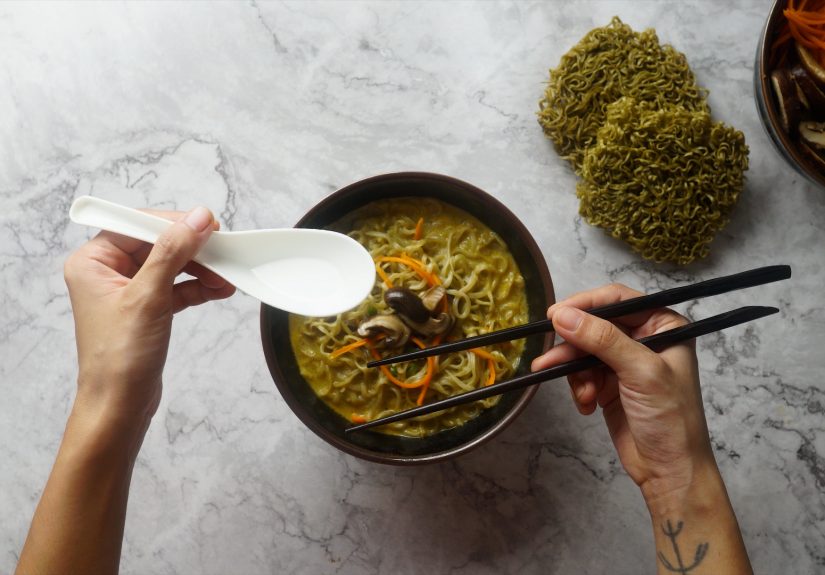
- Find your tools: you’ll usually have chopsticks and a ramen spoon (renge). Chopsticks handle noodles and toppings; the spoon helps with broth and slippery bits.
- Mentally accept slurping: ramen is one of the rare foods where a little slurp is not only allowedit’s practical.
Step 1: Get Your Chopsticks Grip (Don’t Wrestle Them)
If chopsticks feel like two tiny ski poles in your hand, start here. The easiest beginner rule is this:
- Bottom chopstick = stable. It rests against your ring finger and the base of your thumb.
- Top chopstick = mover. Hold it like a pencil and move it up and down.
When only the top stick moves, you’ll stop “scissoring” noodles into chaos. Practice opening and closing the tips over the bowl for a few seconds. Yes, it looks like you’re conducting a tiny orchestra. That’s fine. Ramen is worth it.
Step 2: “Greet” the Bowl (A.K.A. Pause and Plan)
Take two seconds to look at what you’re working with. Ramen bowls often have toppings placed with intention: sliced pork, egg, scallions, seaweed, bamboo shoots, corn, mushrooms, and more. This quick scan helps you decide your first bite and prevents the classic mistake of grabbing “everything” and launching it like a noodle catapult.
Step 3: Sip the Broth First (Small Sip, Big Clue)
Use the ramen spoon to take a small sip of broth. This does three helpful things:
- Checks the temperature (so you don’t start your meal by injuring your mouth).
- Reveals the flavorsalty, rich, spicy, garlicky, miso-y, smokyso you know what you’re pairing the noodles with.
- Sets the pace: ramen is best when eaten hot and the noodles are still springy.
If the broth is lava-hot, let it cool for a minute and stir gently near the surface. You’re not “waiting.” You’re “building anticipation.”
Step 4: Lift a Small Bundle of Noodles (Think “A Few Strands,” Not “Rope Swing”)
Here’s the ramen secret that prevents splashes: pick up fewer noodles than you think you need.
Use your chopsticks to pinch a small bundleabout the width of a pencil. If you grab a fist-sized wad, gravity will punish you immediately. Smaller bundles are easier to control, cool faster, and slurp cleanly without flinging broth.
Step 5: Dip, Separate, and Aim (The Anti-Splatter Technique)
Once you lift the noodles:
- Dip the ends back into the broth to coat them.
- Give a tiny shake (over the bowl) to drop excess broth.
- Angle the noodles toward your mouth rather than pulling your face down into the bowl like you’re bobbing for apples.
If noodles are clumped, use your chopsticks to gently tease them apart. You’re separating strands, not performing surgerybe patient and keep everything over the bowl.
Step 6: Slurp the Noodles (Yes, SlurpIt’s Functional)
In many ramen shops, slurping isn’t rudeit’s a technique. A controlled slurp pulls noodles in smoothly and can mix a bit of air with the hot noodles, helping them cool as you eat. The key word is controlled.
How to slurp without wearing your dinner
- Bring noodles to your mouth (don’t swing them across the table).
- Slurp in one steady motion, keeping the noodle ends close to the bowl.
- Stop before the “tail whip.” When the last few inches of noodles are about to snap back, either finish them quickly or bite the noodles cleanly.
If you’re not ready to slurp, it’s okay to take smaller bites and chew politely. But for long noodles, slurping is often the cleanest option.
Step 7: Use the Spoon as Your Sidekick (Broth + Slippery Toppings)
Chopsticks are great, but the spoon is your secret weapon for:
- Broth (obvious, but underrated)
- Soft-boiled eggs (they slide like they’re coated in butterbecause they kind of are)
- Minced toppings like scallions, sesame, fried garlic, or chili paste
Pro move: if something is too slippery for chopsticks, scoop it with the spoon and steady it with chopsticks. This is teamwork, not cheating.
Step 8: Eat Toppings Strategically (Don’t Let the Best Stuff Sink)
Ramen toppings can change texture quickly. Here’s a simple strategy:
- Eat the delicate things earlier: seaweed (nori) softens fast; crispy toppings lose crunch.
- Save some “big hits” for mid-bowl: slices of pork (chashu) or chicken taste amazing after you’ve had a few bites of noodles and broth.
- Move toppings aside if needed (gently): if something is blocking noodles, reposition it with chopsticks or the spoonno dramatic flinging.
Step 9: Alternate Noodles and Broth (Balance the Bowl)
Ramen shines when you mix textures and temperatures. Try this rhythm:
- Two or three bites of noodles
- A sip of broth
- A topping bite (pork, egg, bamboo shoots)
- Repeat until you start making “mmm” noises you didn’t plan on making
This also helps you pace spicy ramen, manage richness, and keep noodles from sitting too long and soaking up broth until they go soft.
Step 10: Know Where to Put Your Chopsticks (And How to Finish)
When you pause, set your chopsticks down neatly. If there’s a chopstick rest, use it. If not, the paper sleeve can be folded into a quick rest. Avoid sticking chopsticks upright in food, and don’t leave them balancing across the bowl if you can help it.
Finishing the bowl
- Eat the last noodles while they still have texture.
- Use the spoon for the final bitstoppings often collect at the bottom like treasure.
- Drink the broth if you want (or leave itmany broths are rich and salty, and it’s totally normal not to finish every drop).
And that’s it. You did it. You ate ramen with chopsticks and kept your dignity (and most of your shirt) intact.
Common Mistakes (So You Can Skip the Messy Chapter)
- Grabbing too many noodles: leads to splatter, tangles, and regret.
- Moving both chopsticks: makes you pinch inconsistently and drop toppings.
- Blowing on noodles aggressively: can spray broth. A gentle pause + smaller bundles usually works better.
- Letting noodles sit too long: they keep absorbing liquid and soften over time.
- Trying to look “cool”: ramen does not grade you on vibe. It grades you on enjoyment.
Quick Practice Drills (Yes, You Can Train for Ramen)
If you want to get comfortable with chopsticks before your next ramen outing:
- Practice the “top stick only” motion with a napkin or paper wrapper.
- Pick up larger foods first (like chunks of bread or grapes), then move to smaller items (beans, peanuts).
- Simulate noodles with cooked spaghettilift a small bundle and guide it neatly to your mouth over a bowl.
of Real-Life Ramen Experiences (Because the Bowl Is a Whole Event)
Eating ramen with chopsticks isn’t just “a way to consume noodles.” It’s an experience that tends to come with a very specific emotional arcespecially the first few times.
Scene one: the arrival. The bowl lands in front of you like a hot, fragrant trophy. Steam rises. Everyone at the table gets briefly quiet, because ramen demands attention the way a campfire does. Your brain says, “Be cool.” Your hands say, “We have never held chopsticks in our lives.” This is normal. The ramen doesn’t judge. The ramen has seen worse.
Scene two: the first lift. You grab what you believe is a modest bundle of noodles, and suddenly you’re holding what appears to be a whole winter scarf. It stretches. It drips. It tests your confidence. This is the moment you learn the most important ramen truth: small bundles win. The second attempt is better. The third attempt is suspiciously smooth. By bite five, you start to relaxand that’s when you taste how good the broth actually is.
Scene three: the “slurp decision.” If you grew up in the U.S., you may have been trained that slurping is a social crime. Ramen gently challenges that rule. You hear someone nearby slurp like a professional. It sounds… cheerful? Efficient? Then you try itcarefullybecause you don’t want to wear spicy miso like cologne. The first slurp is timid. The second slurp is confident. By the third, you’re thinking, “Wait, this is actually the cleanest way to eat these noodles.” And now you understand why ramen shops don’t feel like libraries.
Scene four: the topping strategy. You realize the egg is soft-centered and slippery, and your chopsticks treat it like a bar of soap. You attempt the pick-up. The egg gently refuses. You recruit the spoon. Suddenly you feel like a genius. This is a recurring ramen theme: when you stop trying to do everything with chopsticks, you become mysteriously competent.
Scene five: the mid-bowl glow. Halfway through, you hit a rhythm: noodles, sip of broth, bite of pork, quick pause, repeat. The outside world fades a little. The bowl becomes your whole personality for eight minutes. If you’re with friends, conversation becomes laughter and small noises of appreciation. If you’re alone, it becomes a mini vacation where the only task is “eat this wonderful thing while it’s hot.”
Scene six: the finish. You reach the bottom and discover all the good stuff that settled therescallions, sesame, bits of pork, tiny flavor fireworks. You scoop them up and feel oddly proud. Maybe you drink some broth. Maybe you don’t. Either way, you set down your spoon and realize something important: ramen is less about perfect technique and more about comfort, speed (so the noodles stay right), and enjoying the bowl while it’s at its best. And next time, your chopsticks won’t feel like ski poles. They’ll feel like the right tool for the job.