Table of Contents >> Show >> Hide
- Why the Closing of a Friendly Letter Matters
- Best Closers for a Letter to a Friend
- How to Choose the Right Closing
- Closers That Can Feel Too Formal or Too Much
- Examples of How to End a Letter to a Friend
- Formatting Tips for a Friendly Letter Ending
- Mistakes to Avoid When Ending a Letter to a Friend
- Real-Life Experiences: What Letter Closers Feel Like in Practice
- Final Thoughts
Ending a letter to a friend sounds easy until you actually reach the bottom of the page and your brain suddenly offers three options: Best, Love, or total panic. The truth is, the closing of a friendly letter matters more than people think. It is the last emotional note your reader hears. It can make your message feel warm, funny, comforting, nostalgic, or accidentally as stiff as a bank memo from 1997.
Whether you are writing to a childhood best friend, a long-distance buddy, a friend you are reconnecting with, or someone who just helped you survive a terrible week and an even worse group chat, the right letter sign-off can make your message feel complete. A good ending does not need to be dramatic. It just needs to sound like you, fit the relationship, and leave the other person with the feeling you meant to send.
In this guide, you will learn the best closers for a letter to a friend, how to choose the right one, what to avoid, and how to make the final lines feel natural instead of forced. We will also look at examples, formatting tips, and real-life friendship situations where the ending changes everything.
Why the Closing of a Friendly Letter Matters
The closing is not just a polite formality tossed onto the page because your English teacher once demanded it. In personal correspondence, the ending acts like the final scene in a movie. If it lands well, the whole message feels stronger. If it feels off, the reader notices, even if only subconsciously.
Think about the difference between ending a heartfelt letter with Love, and ending the same letter with Regards,. One sounds warm and personal. The other sounds like you are emailing your internet provider about a billing error. Neither is universally wrong, but each creates a very different emotional distance.
That is why the best way to end a letter to a friend depends on three things: how close you are, what the letter is about, and the tone of the message. A thank-you note to a friend might end with gratitude. A funny catch-up letter might end with something playful. A comforting note after a hard time may need a softer, more affectionate sign-off.
Best Closers for a Letter to a Friend
Here are some of the best letter closings for friends, grouped by tone and situation so you do not have to spin the friendship wheel and hope for the best.
Warm and Casual Closers
These are safe, versatile, and easy to use in most friendly letters.
- Best, Simple, classic, and friendly without being overly emotional.
- All the best, A little warmer than Best, especially for supportive letters.
- Take care, Great when you want the ending to feel kind and sincere.
- Talk soon, Perfect if you already expect to call, text, or meet up soon.
- See you soon, Ideal for local friends or when plans are already in motion.
- Best wishes, Friendly and polished, especially for life updates or milestone moments.
These closers work well when your letter is mostly catching up, sharing news, or staying connected. They are friendly without sounding too formal or too intense.
Affectionate and Heartfelt Closers
If the relationship is close and the message is personal, these endings feel more emotionally open.
- Love, A common choice for close friends, especially longtime friends.
- Lots of love, Slightly warmer and softer than plain Love.
- With love, Thoughtful and natural in a heartfelt handwritten note.
- Fondly, Sweet, slightly old-fashioned, and charming in the best way.
- Affectionately, More intimate and tender, best for very close friendships.
- Your friend, Gentle, sincere, and especially nice in a meaningful personal letter.
These closers are great for thank-you letters, emotional check-ins, letters after a difficult season, or notes that reflect on friendship itself. If the body of your letter is warm and vulnerable, a cool or distant sign-off can feel mismatched. This is where affectionate closers shine.
Nostalgic and Personal Closers
Sometimes a standard sign-off works, and sometimes your friendship deserves something more specific.
- As always, Great for old friends or friends you have not seen in a while.
- Always cheering you on, Lovely for supportive letters.
- Missing you already, Perfect for distance, moving away, or post-visit letters.
- Until next time, Warm, open-ended, and a little cinematic.
- Sending you a big hug, Comforting without becoming overly dramatic.
- Forever your chaos twin, Specific, funny, and very friendship-coded.
The best personal letter closings often come from shared language. If you and your friend have inside jokes, nicknames, or a long-running phrase you always use, the ending is a wonderful place to bring that in. That single detail can make a handwritten note feel instantly more real and memorable.
Funny Closers for Friends Who Appreciate Humor
If your friendship runs on jokes, sarcasm, and mutual emotional support disguised as roasting, you can absolutely let the sign-off reflect that.
- Stay weird,
- Still avoiding adulthood,
- Your favorite pen pal,
- In snacks and solidarity,
- With zero useful life advice,
- Signed, the friend who still owes you fries,
Funny closers work best when the rest of the letter supports that tone. If the letter includes serious news, an apology, or sympathy, a joke at the end can feel awkward. Read the emotional room before sending your inner comedian to the stage.
How to Choose the Right Closing
If you are unsure how to end a letter to a friend, ask yourself a few practical questions.
How close are you?
For a best friend, Love, Lots of love, or a custom playful sign-off may feel perfect. For a newer friend or someone you care about but do not know deeply yet, Best, Take care, or All the best may be a better fit.
What is the purpose of the letter?
A thank-you letter may end with Gratefully, or With appreciation, even in friendship. A catch-up note works well with Talk soon, while a comfort letter may sound best with Sending you love, or Take care.
What tone did you use in the body?
The ending should sound like it belongs to the same letter. If the message is warm and reflective, a cold sign-off may feel strange. If the letter is breezy and funny, a super formal ending can feel like you were replaced halfway through by a legal assistant.
Will your friend understand the vibe?
This matters more than people realize. Some friends love sentimental language. Others would burst into laughter if you ended with Affectionately yours. Choose a closing that feels natural in your shared style of communication.
Closers That Can Feel Too Formal or Too Much
Not every sign-off is wrong, but some work better in business or ceremonial writing than in casual friendship letters.
- Regards, Polite, but often a little distant for close friends.
- Sincerely, Fine for serious or thoughtful letters, but can feel stiff in casual notes.
- Respectfully, Usually too formal for friendship.
- Yours truly, Charming in some contexts, but very old-school.
- XOXO, Fun for certain close friendships, but not ideal for every audience.
Context is everything. Sincerely, is not bad. In fact, it can work beautifully in an apology letter or a deeply reflective note. But if your letter starts with “You will never believe what happened at Target,” ending with Respectfully, creates the emotional whiplash no one asked for.
Examples of How to End a Letter to a Friend
Sometimes the easiest way to find the right sign-off is to see it in action. Here are a few natural examples.
Example 1: Casual Catch-Up Letter
I miss our random coffee runs and your terrible movie recommendations. Write back when you can and tell me everything I missed.
Talk soon,
Emma
Example 2: Heartfelt Letter to a Close Friend
No matter how busy life gets, I never stop being grateful for your friendship. You have been one of the best parts of my life for a long time now.
With love,
Rachel
Example 3: Supportive Letter
You do not have to have everything figured out right now. I am in your corner, and I will keep being in your corner.
Always cheering you on,
Mia
Example 4: Funny Letter
Please remember that if either of us becomes famous, the other one is legally required to stay humble and carry snacks.
Stay weird,
Jess
Example 5: Reconnecting With an Old Friend
It felt really good to write this, and I hope it feels just as good to read. I would love to hear how life has been treating you lately.
As always,
Natalie
Formatting Tips for a Friendly Letter Ending
Even personal letters benefit from clean formatting. The closing should look intentional, not like it tripped and fell onto the bottom of the page.
- Put your closing on its own line.
- Add a comma after the sign-off, such as Best, or Love,
- Write your name on the next line or leave a little room for a handwritten signature.
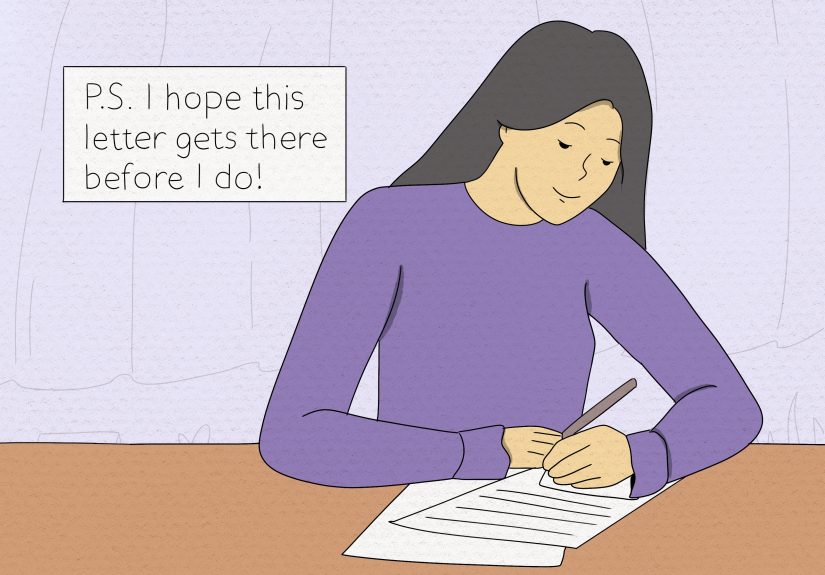
- If you want to add personality, include a short postscript, such as P.S. I still want that cookie recipe.
- Keep the sign-off consistent with the tone of the letter.
If the note is handwritten, that little bit of visual space between the closing and your name helps the message feel polished. If it is typed, neat spacing still matters. Friendly does not have to mean messy.
Mistakes to Avoid When Ending a Letter to a Friend
Using a sign-off that sounds unlike you
If you never say Warmest regards in real life, forcing it into a letter can sound artificial. The best closers sound natural in your own voice.
Choosing a closing that does not match the message
A goofy ending after a deeply emotional letter may feel jarring. So can an overly serious sign-off after a light, funny message.
Overdoing the sentiment
Warm does not have to mean dramatic. A simple Take care, can be more moving than a sign-off trying very hard to win an award for Most Feelings Per Square Inch.
Being too vague
If your whole letter is personal and lovely, ending with something flat like Bye can undercut the mood. It is not a disaster, but you can usually do better.
Real-Life Experiences: What Letter Closers Feel Like in Practice
One of the most interesting things about ending a letter to a friend is that the same person can need completely different closers at different times. Imagine writing to your best friend after she moves to another state. You are probably not ending that letter with Best, unless you want it to sound like she has been transferred to another branch office. Something like Missing you already, or With love, makes more emotional sense because distance changes what the ending needs to do. It has to carry warmth across miles.
Now picture writing to a friend after a misunderstanding. Maybe there was a weird silence, an awkward comment, or one of those tiny friendship accidents that somehow grows legs and runs for weeks. In that case, the ending matters even more. A colder sign-off can accidentally reinforce tension. A warmer one, like Sincerely,, Take care,, or Your friend,, can quietly communicate that the relationship still matters. It is a small line, but it can do heavy lifting.
Thank-you letters to friends are another good example. Let us say a friend helped you move, checked in on you during a rough patch, or brought you soup when life felt like an unlicensed circus. The body of your letter may explain why their kindness mattered, but the closing is where gratitude lingers. Gratefully,, With appreciation,, or Lots of love, often feel better than a generic ending because they echo the purpose of the note.
Then there are the funny friendship letters, which may honestly be the best kind. These are the ones where you retell disasters, overanalyze harmless text messages, or document a chaotic weekend like future historians will need the evidence. A playful closing can make those letters unforgettable. Something like Your favorite disaster correspondent, or Still not over that brunch, feels personal in a way no standard sign-off can. It reminds your friend that the letter was written for them, not for some imaginary audience in a grammar textbook.
And finally, there is the experience of writing to an old friend after a long silence. This might be the trickiest situation of all because the closing has to be warm without pretending no time has passed. That is where gentler endings like As always,, Thinking of you,, or Until next time, can be especially powerful. They acknowledge connection without forcing intimacy. They leave the door open. Sometimes that is exactly what a friendship needs most.
So yes, the closing is only a few words. But in real life, those few words can soften an apology, deepen a thank-you, lighten a funny letter, or reopen a friendship. Not bad for one little line at the bottom of the page.
Final Thoughts
The best way to end a letter to a friend is not about finding one magic phrase that works for everyone. It is about choosing a closer that matches the friendship, the purpose of the letter, and your natural voice. A good sign-off should feel like the final handshake, hug, laugh, or reassuring nod your letter wants to leave behind.
For everyday notes, you cannot go wrong with Best, Take care,, or Talk soon. For closer friendships, With love,, Fondly,, or Your friend may feel more personal. And for friendships built on inside jokes and shared chaos, a custom funny ending can be the most memorable choice of all.
Write the letter, say what you mean, and let the ending sound human. That is usually the part people remember.