Table of Contents >> Show >> Hide
- Before We Start: Can You Actually “Flush” Caffeine Out?
- How Caffeine Feels in Your Body (and Why You Feel So Weird)
- 12 Steps to Get Caffeine Out of Your System (and Feel Better Faster)
- Step 1: Stop the caffeine train (including “just a sip”)
- Step 2: Check your symptomsare you just wired, or is this serious?
- Step 3: Hydrategently and steadily
- Step 4: Eat something balanced (yes, even if your appetite is missing)
- Step 5: Move your bodylightly, not like you’re escaping a bear
- Step 6: Use a “downshift” breathing pattern for jitters
- Step 7: Avoid “stacking stimulants” (nicotine, certain meds, and surprise caffeine)
- Step 8: Try warmth for tension and calm (or cool if you’re overheated)
- Step 9: Don’t “fix” it with alcohol
- Step 10: Protect your sleep window like it’s VIP
- Step 11: If you must nap, do it strategically
- Step 12: Learn your “caffeine math” for next time (so this doesn’t keep happening)
- Quick Troubleshooting: “Okay, but what if…”
- Common Myths (So You Don’t Waste Time)
- Real-Life Experiences: Caffeine “Oops” Moments and What Actually Helped (About )
- Conclusion
You had “one little coffee.” Or maybe an energy drink that tasted like carbonated confidence. Now your hands are jazz drumming,
your brain is speed-running every awkward moment since middle school, and sleep feels like a myth invented by mattress companies.
If you’re wondering how to get caffeine out of your system fast, here’s the honest truth (and the good news): you can’t instantly
“detox” caffeine… but you can feel a whole lot better while your body clears it.
This guide walks you through 12 practical steps to reduce caffeine jitters, calm your body, and protect your sleepwithout weird
“cleanse” powders or drinking a gallon of water like you’re training for a bathroom marathon.
Before We Start: Can You Actually “Flush” Caffeine Out?
Not really. Caffeine is processed mostly by your liver, and your body removes it over time. The key concept is caffeine’s
half-lifehow long it takes for your body to reduce the caffeine in your bloodstream by about half. For many adults,
that’s roughly around 5 hours, but it can vary widely (think: a couple of hours on the fast end, up to much longer
for some people).
Translation: if you had 200 mg of caffeine, you might still have ~100 mg in your system about five hours later, ~50 mg after
another five hours, and so on. So no, there’s no “one weird trick” to evict caffeine immediately. But yesthere are smart moves
to make the ride less bumpy.
How Caffeine Feels in Your Body (and Why You Feel So Weird)
Caffeine blocks adenosine, a brain chemical that helps you feel sleepy. That’s why you feel more alert. The downside is that
too much caffeine (or caffeine too late) can leave you with restlessness, a fast heartbeat, stomach upset, irritability, anxiety,
and insomnia. And if you’re sensitive, “too much” might be less than you think.
Also, caffeine can sneak in from places you forget to count: iced tea, soda, chocolate, pre-workout powders, “energy” gummies,
some headache medicines, and even “decaf” coffee (which usually still contains a small amount).
12 Steps to Get Caffeine Out of Your System (and Feel Better Faster)
Step 1: Stop the caffeine train (including “just a sip”)
Why it helps
Your first job is damage control. Don’t stack more caffeine on top of the caffeine already partying in your bloodstream.
That includes topping off your mug, grabbing a soda, or “balancing it out” with a second energy drink (no).
Do this now
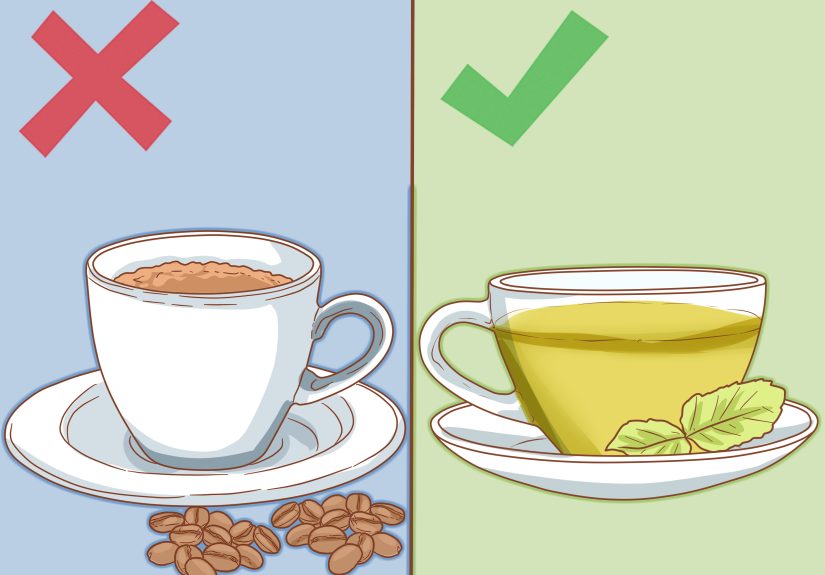
- Switch to water, sparkling water, or caffeine-free herbal tea.
- If you love the ritual, go for decafjust remember it’s not always 100% caffeine-free.
Step 2: Check your symptomsare you just wired, or is this serious?
Why it helps
Most caffeine discomfort is unpleasant but not dangerous. Still, very high amounts can be riskyespecially from concentrated
caffeine products, multiple energy drinks, or caffeine pills.
Red flags
Seek urgent medical care right away if you have chest pain, severe vomiting, confusion, fainting, seizures, or an irregular
heartbeator if you think you’ve taken an unsafe amount. In the U.S., you can also call Poison Help at 1-800-222-1222.
(Don’t try to “treat an overdose” at home.)
Step 3: Hydrategently and steadily
Why it helps
Water won’t magically make your liver process caffeine faster. But hydration can help with common side effects like headache,
dry mouth, and that “I feel like a stressed-out raisin” sensation. Plus, caffeine can make you pee moreespecially if you’re not
used to it.
Do this now
- Drink a glass of water, then keep sipping over the next hour.
- If your stomach feels off, take small sips instead of chugging.
- Consider an electrolyte drink if you’ve been sweating, exercising, or nauseated.
Step 4: Eat something balanced (yes, even if your appetite is missing)
Why it helps
Caffeine on an empty stomach can feel extra intense. Food may slow absorption a bit and can stabilize blood sugar, which helps
reduce shakiness and “why do I feel like a hummingbird?” energy.
Try this
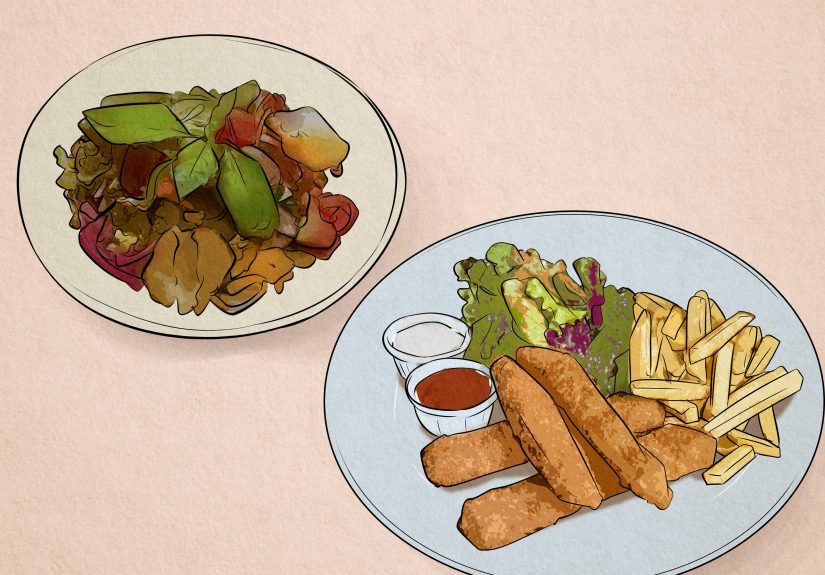
- Protein + complex carbs: Greek yogurt and granola, eggs and toast, oatmeal with nut butter.
- Gentle options: banana, applesauce, crackers, soupespecially if you’re nauseated.
- Avoid: super sugary snacks that spike and crash your energy, making jitters worse.
Step 5: Move your bodylightly, not like you’re escaping a bear
Why it helps
Light movement helps your body metabolize stress hormones and can take the edge off anxiety. It may not “burn off” caffeine
directly, but it can reduce the uncomfortable symptoms that feel like caffeine is trying to set a personal record in your chest.
Do this now
- Take a 10–20 minute walk outside (bonus points for fresh air).
- Do gentle stretching or yoga if your heart feels fast.
- If you have palpitations, dizziness, or chest pain, skip exercise and get evaluated.
Step 6: Use a “downshift” breathing pattern for jitters
Why it helps
Caffeine can push you into fight-or-flight mode. Slow breathing sends the opposite signal“we’re safe”which can reduce
pounding-heart sensations and anxious spirals.
Try this simple routine
- Inhale through your nose for 4 seconds
- Exhale slowly for 6–8 seconds
- Repeat for 3–5 minutes
If you want a fun mental image: breathe like you’re cooling soup you’re embarrassed to admit is too hot.
Step 7: Avoid “stacking stimulants” (nicotine, certain meds, and surprise caffeine)
Why it helps
More stimulation can amplify jitters. Nicotine can increase anxious feelings, and some medications can interact with caffeine
or make side effects feel stronger. Also, many people forget that chocolate, matcha, and certain pain relievers can add more caffeine.
Do this now
- Skip nicotine if you can (even temporarily).
- Read labels on “energy” products and pre-workouts.
- If you’re on prescriptions and feel unusually affected, ask a pharmacist about caffeine interactions.
Step 8: Try warmth for tension and calm (or cool if you’re overheated)
Why it helps
Caffeine can make your muscles tensehello, clenched jaw and shoulder knots. A warm shower, heating pad, or warm tea
(caffeine-free) can help your body relax. If you feel sweaty or flushed, a cool washcloth can be soothing.
Try this
- Warm shower + slow breathing for 5 minutes.
- Gentle neck/shoulder stretches (nothing aggressive).
Step 9: Don’t “fix” it with alcohol
Why it helps
Alcohol can make you drowsy at first, but it often worsens sleep quality later. Mixing alcohol with caffeine can also make you
feel less impaired than you actually areone reason it’s a famously bad combo.
Swap instead
- Herbal tea, warm milk, or sparkling water with citrus.
- A light snack if you haven’t eaten.
Step 10: Protect your sleep window like it’s VIP
Why it helps
If caffeine hit late in the day, your mission becomes: prevent a bad night from turning into a bad week. Caffeine can disrupt
sleep even hours before bedtime, especially at higher doses.
Do this tonight
- Dim lights 60–90 minutes before bed.
- Keep your room cool, dark, and quiet.
- Stop scrolling “just one more thing” (your brain is already doing parkour).
- If you can’t sleep after ~20–30 minutes, get up and do something calm until sleepy again.
Step 11: If you must nap, do it strategically
Why it helps
A nap doesn’t remove caffeine, but it can reduce the misery. The trick is not to nap so long that you sabotage nighttime sleep.
If you’re already caffeine-wired, a nap might be hard anywayso keep expectations realistic.
Try this
- A short “reset nap”: 10–20 minutes.
- Avoid late-day naps if you’re trying to sleep tonight.
Step 12: Learn your “caffeine math” for next time (so this doesn’t keep happening)
Why it helps
The best way to get caffeine out of your system is… not to overload it in the first place. Your sensitivity depends on genetics,
sleep debt, stress, body size, and even life stage. For example, caffeine tends to linger longer in pregnancy and may be affected
by smoking status or certain hormones/medications. That’s why your friend can drink espresso at 9 p.m. and sleep like a baby,
while you drink half a latte at 2 p.m. and stare at the ceiling inventing new regrets.
Use these guardrails
- Track your intake for a week: coffee, tea, soda, chocolate, energy drinks, meds.
- Set a cutoff time: many people do best avoiding caffeine after lunch or at least 6–8 hours before bed.
- Keep daily totals reasonable: for many healthy adults, up to about 400 mg/day is often cited as a general upper limitbut sensitivity varies.
- When in doubt: go smaller earlier in the day.
Quick Troubleshooting: “Okay, but what if…”
“My heart is racing.”
Sit down, sip water, and do slow breathing. Avoid intense exercise. If you have chest pain, fainting, severe shortness of breath,
or an irregular heartbeat, get urgent medical care.
“I’m nauseated.”
Try bland foods (crackers, toast, bananas) and small sips of water or ginger tea. Avoid greasy meals and chugging liquids.
“I can’t sleep tonight.”
Treat it like a one-night storm, not a life sentence. Keep lights low, avoid doom-scrolling, and do something boring-calm
(paper book, gentle stretching, quiet music). Tomorrow, prioritize morning light and a normal bedtime.
Common Myths (So You Don’t Waste Time)
- Myth: “Drink tons of water to flush caffeine.”
Reality: Hydration helps symptoms, but time does the clearing. - Myth: “A detox tea will fix it.”
Reality: Many “detox” products are just laxatives or diureticsoften making you feel worse. - Myth: “Sweat it out.”
Reality: Movement can calm you, but extreme workouts can be risky if you’re symptomatic.
Real-Life Experiences: Caffeine “Oops” Moments and What Actually Helped (About )
Let’s talk about the real worldthe place where caffeine doesn’t arrive as a neat “100 mg” label but as a triple-shot iced coffee
that tastes like dessert and poor decisions. Here are a few common caffeine scenarios and the practical moves people tend to find
most helpful when the buzz turns into discomfort.
Experience #1: The “Afternoon Latte That Ruined My Night”
It starts innocently: you’re sleepy at 3 p.m., you grab a latte, and you feel amazing for exactly 47 minutes. Then bedtime shows up
and your brain is hosting a TED Talk called “Let’s Plan Our Entire Future Right Now.” In this situation, the best “fix” isn’t
heroic. It’s boring and effective: dim the lights after dinner, put your phone on the other side of the room, and do a calm wind-down
routine. Many people also find that a light snack (like yogurt or toast) keeps them from waking up hungry at 2 a.m. when sleep is already
fragile. The next day, the lesson usually becomes: earlier caffeine, smaller dose, and a hard cutoff time.
Experience #2: The “Energy Drink + Empty Stomach” Combo
This one is a classic: you skipped breakfast, you’re running late, and an energy drink becomes your “meal.” Fast forward: shaky hands,
a sour stomach, and the feeling that your heart is trying to leave your body to start a solo career. People often report that eating something
simple and balanced helps more than anything elsethink oatmeal, eggs, a banana with peanut butter, or even crackers and soup if nausea is strong.
Add steady hydration (small sips), and most importantly, stop adding more caffeine “to level it out.” That’s not how chemistry worksyour body is
not a spreadsheet.
Experience #3: The “I Thought Decaf Was Magic” Surprise
Some folks are so sensitive that even small amounts of caffeinelike what can be in decaf coffee, chocolate, or certain teasstill trigger jitters or
insomnia. If you suspect this is you, tracking your intake for a week can be eye-opening. The “experience-based” fix here is personalization: switch to
caffeine-free herbal teas, choose truly caffeine-free sodas, and be mindful of chocolate portions later in the day. Many people also find that combining
small habits (morning light, a short walk, a consistent bedtime) lowers the urge for afternoon caffeine in the first place.
Experience #4: The “I’m Panicking Because I Feel Panicky” Loop
Caffeine can mimic anxiety symptoms: fast heartbeat, racing thoughts, sweaty palms. And then anxiety about those symptoms can amplify everything.
A surprisingly effective move is treating it like a body alarm you can quiet: sit down, slow your breathing (longer exhales), and do a grounding activity
like naming five things you can see, four you can feel, three you can hear, two you can smell, and one you can taste. People often say the moment they stop
fighting the sensation and start calming their nervous system, the episode becomes shorter and less scaryeven though the caffeine is still in their system.
If panic-like episodes happen often with caffeine, that’s useful data: your best strategy may be lowering your dose or avoiding caffeine entirely.
The biggest takeaway from all these experiences is simple: you don’t need a “detox.” You need time, steady hydration, food, gentle movement, and
nervous-system calmingplus better caffeine boundaries for next time.
Conclusion
If you’re trying to get caffeine out of your system, the winning strategy is less about flushing and more about managing. Caffeine clears mainly with time,
but you can feel better faster by stopping additional caffeine, hydrating, eating balanced food, moving gently, and using calm-down tools like slow breathing
and a strong sleep routine. And if symptoms are severe or you suspect an overdose, get medical help right away.