Table of Contents >> Show >> Hide
- Why Patio Weeds Keep Coming Back
- The Best Non-Chemical Ways To Remove Patio Weeds
- Methods That Sound Great But Have Limits
- How To Stop Patio Weeds From Coming Back
- A Simple Chemical-Free Patio Weed Routine
- Common Mistakes To Avoid
- Final Thoughts
- Real-Life Experiences With Getting Rid Of Patio Weeds Without Chemicals
Patio weeds have a special talent: they can make a clean outdoor space look like it lost a fight with a salad bar. One minute your pavers look crisp and inviting. The next, something scraggly is popping out of every crack like it pays rent. The good news is that you do not need to drench your patio in harsh chemicals to win. In many cases, non-chemical weed control is not only possible, but also practical, affordable, and better suited to spaces where kids, pets, bare feet, and backyard dinners happen.
If you want to get rid of patio weeds without chemicals, the real secret is not one magic trick. It is a smart combination of pulling, scraping, heat, prevention, and routine maintenance. Think of it less like a dramatic one-time battle and more like teaching weeds that your patio is an extremely unwelcoming neighborhood.
In this guide, you will learn what causes weeds to grow in patios, the best chemical-free ways to remove them, which popular home remedies are overhyped, and how to stop weeds from coming back. We will also cover longer-term fixes for pavers, gravel joints, and edges, plus a practical section on real-life experiences that show what actually works over time.
Why Patio Weeds Keep Coming Back
Before you go after the weeds, it helps to know why they showed up in the first place. Most patio weeds do not burst through solid concrete like tiny green action heroes. More often, seeds land in dust, debris, and organic matter that collect in cracks and joints. Add a little moisture, a little sunlight, and a little neglect, and suddenly the patio becomes an accidental planter box.
Common causes include:
- Dirt and debris in joints: Wind-blown soil, leaves, and mulch create a thin growing layer between pavers.
- Moisture retention: Damp corners, shaded areas, and poor drainage help seeds sprout faster.
- Open or eroded joints: Missing sand or gravel gives weeds more room to root.
- Nearby beds or lawn edges: Grass and perennial weeds creep in from borders.
- Late removal: Once weeds flower and drop seed, next season becomes a sequel nobody asked for.
That is why the most effective non-chemical strategy always includes both removal and prevention. Pulling weeds is step one. Making the patio less hospitable is step two. Skipping step two is how you end up in an endless remake of the same gardening problem.
The Best Non-Chemical Ways To Remove Patio Weeds
1. Pull Weeds By Hand While They Are Small
This is the least glamorous method, but it is still one of the best. Small weeds are easier to remove before they develop deeper roots, tougher stems, or seed heads. For cracks between pavers, hand pulling works best after light rain or after the surface has been dampened, because roots release more easily from soft material than from dry, compacted joints.
Grab the weed as close to the base as possible and pull slowly to remove as much root as you can. If the top breaks off, do not panic. Many annual weeds will weaken with repeated removal, especially if you stay consistent and do not let them reseed.
This method is especially effective for fresh flushes of little weeds that just appeared and have not had time to settle in like unwanted houseguests.
2. Use a Narrow Weeding Tool for Cracks and Crevices
When weeds are wedged into patio joints, fingers alone are not always enough. A crack weeder, paving weeder, Cape Cod weeder, or any slim-bladed hand tool can slide into narrow spaces and cut or lift weeds from the base. These tools are ideal for brick patios, stone paths, and pavers where roots hide below the surface.
Work the blade into the crack, loosen the root zone, and scrape out both the plant and the built-up debris around it. This matters because a crack full of roots and crumbly organic matter is basically a luxury apartment for the next wave of weeds.
For larger patios, a stiff brush and a long-handled crack scraper can save your knees and your mood.
3. Pour Boiling Water on Isolated Weeds
Boiling water is one of the simplest chemical-free options for weeds growing in sidewalk cracks, patio gaps, and other spots away from desirable plants. It works by scalding the above-ground tissue it contacts. That makes it most useful on young, newly emerged weeds and shallow-rooted annuals.
Here is the catch: boiling water is a contact treatment, not a miracle root assassin. It can knock back the top growth quickly, but many perennial weeds may regrow from roots below the surface. In other words, it is excellent for small patio invaders and less impressive for stubborn repeat offenders with deep underground reserves.
Use it selectively in places where splash will not hit plants you want to keep. It is a practical tool, but not the whole toolbox.
4. Scrub and Sweep the Patio Regularly
This sounds too basic to be effective, which is probably why many people skip it. But regular sweeping is one of the best weed-prevention habits you can build. Patio weeds often start when seeds settle into dust, leaves, pollen, mulch bits, and grit. Remove that material, and you remove much of the starter kit weeds need.
Sweep weekly during peak growing season and after storms, mowing, or windy days. Pay special attention to corners, wall edges, furniture zones, and the line where the patio meets planting beds. If moss, algae, or grime are also building up, use water and a stiff brush to clean the surface. A tidy patio dries faster, looks better, and gives fewer opportunities for weeds to germinate.
5. Cut Off Seed Heads Immediately
If you do nothing else, do this: never let patio weeds go to seed. A single overlooked weed can scatter enough seed to create future headaches for months. If you spot flowering weeds and do not have time for a full cleanup, snip the tops off right away and bag them. That one-minute habit can dramatically reduce the next round of growth.
This is especially helpful for fast-seeding weeds that seem to go from “tiny and harmless” to “botanical confetti cannon” overnight.
Methods That Sound Great But Have Limits
Is Vinegar a Good Weed Killer for Patios?
Vinegar is the superstar of internet weed-control advice, but real-world results are more modest. Household white vinegar may scorch tiny seedlings, but it usually does not control established weeds very well. Stronger horticultural vinegar can burn top growth more effectively, yet it still tends to work better on annual weeds than on deep-rooted perennials.
That means vinegar may make weeds look defeated for a while, but some will return because the roots remain alive. It can also damage nearby plants, stain some materials, and irritate skin or eyes in stronger forms. So while vinegar is often treated like the DIY answer to everything, it is not the patio equivalent of a lightsaber.
If your goal is reliable, long-term control without chemicals, hand removal, boiling water, and preventive maintenance are usually better bets.
Salt Is Usually More Trouble Than It Is Worth
Salt gets mentioned in plenty of homemade weed recipes, but it is a bad idea for most patios. It can wash into nearby soil, injure desirable plants, and linger in ways that create bigger landscape problems than the original weeds. If your patio sits near lawn, flower beds, shrubs, or tree roots, salt can turn a small annoyance into a much larger cleanup.
For that reason, skipping salt is one of the smartest choices you can make.
How To Stop Patio Weeds From Coming Back
Removing existing weeds feels productive. Preventing new ones feels magical. Here is how to make that magic look suspiciously like good maintenance.
Refill Empty Joints Between Pavers
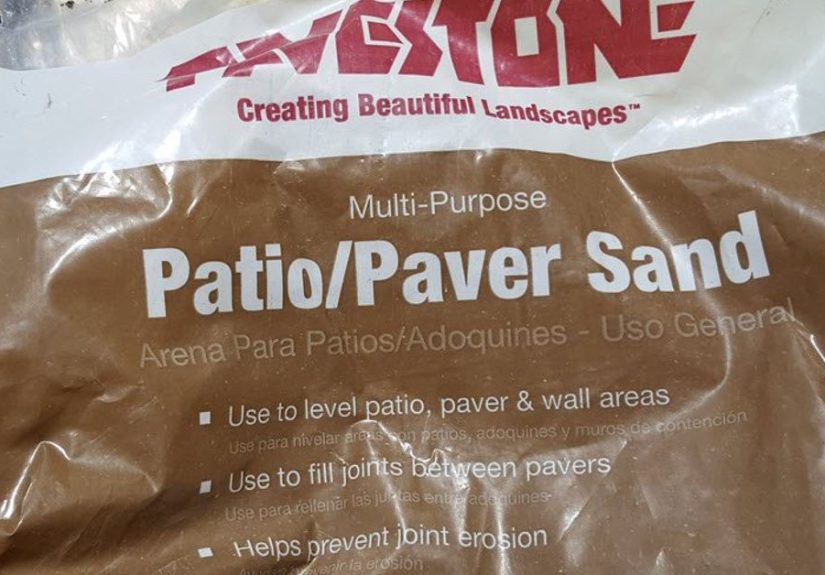
If paver joints are bare, washed out, or thin, refill them. Open joints invite seeds, water, and root growth. Depending on your patio type, this may mean replacing joint sand or topping up the stone dust or gravel between permeable pavers.
For standard pavers, polymeric sand can help stabilize joints and reduce weed growth. It hardens when activated and creates a more resistant surface than loose sand. The key is proper application: install it only under dry conditions, brush it fully into the joints, and remove all excess from the paver surface before activating it. Done correctly, it can make a noticeable difference in weed prevention.
However, polymeric sand is not perfect for every patio. It is less porous than loose joint material, so if permeability and stormwater drainage are major priorities, you may need to weigh weed prevention against water infiltration.
Edge the Patio to Block Creeping Invaders
Many patio weeds do not arrive by seed alone. Some creep in from nearby beds or lawn edges through roots, runners, or underground stems. If weeds keep appearing around the perimeter first, your border may be the real issue.
Add or repair edging to create separation between patio and planting areas. Keep adjacent grass trimmed back, and do not let groundcovers spill into joints. If mulch from nearby beds constantly washes onto the patio, adjust the bed edge or reduce how much loose material sits near the hardscape.
Use Mulch and Fabric in Adjacent Beds, Not in Patio Cracks
If the main source of patio weeds is the bed right next to it, improving the bed can reduce invasion. In sunny planting beds, geotextile landscape fabric topped with mulch can suppress many weeds. Organic mulch can also reduce bare soil, lower weed germination, and keep seeds from blowing around.
What you do not want is ordinary plastic sheeting in landscape beds, which can interfere with air and water movement. And you definitely do not want mulch packed into patio cracks, where it becomes a deluxe seed-starting mix for the very weeds you are trying to prevent.
Reduce Excess Water and Nutrient Buildup
Weeds love opportunity. Overwatering and fertilizer residue create exactly that. Avoid letting irrigation overspray soak the patio every day. If fertilizer lands on hard surfaces, sweep it back onto the lawn or bed instead of leaving it in the cracks. Small practices like this matter because weed seeds do not need much encouragement.
A patio that stays cleaner and drier is far less inviting to opportunistic growth.
A Simple Chemical-Free Patio Weed Routine
If you want a realistic plan instead of a perfect one, use this routine:
- Once a week: Sweep the patio and inspect joints and edges.
- As soon as weeds appear: Pull or scrape them while they are small.
- For isolated crack weeds: Use boiling water for quick top-kill where nearby plants are not at risk.
- Once every season: Refill washed-out joints and touch up weak border areas.
- Any time you see flowers: Remove seed heads immediately.
That is it. No mystery potion. No patio exorcism. Just steady, simple maintenance that keeps minor weed problems from becoming major ones.
Common Mistakes To Avoid
- Waiting too long: Mature weeds are harder to pull and more likely to reseed.
- Treating only the tops: Some perennials will return unless you keep removing regrowth.
- Ignoring debris: Dirt-filled joints are a perfect nursery for future weeds.
- Using harsh homemade mixes: Vinegar and salt may sound natural, but “natural” does not always mean effective or patio-friendly.
- Skipping prevention: If you never refill joints or manage edges, weeds will keep coming back like they have your gate code.
Final Thoughts
Getting rid of patio weeds without chemicals is absolutely doable, but it works best when you stop looking for one dramatic cure and start using a layered strategy. Pull young weeds early. Scrape cracks clean. Use boiling water where it makes sense. Refill joints. Sweep often. Keep nearby beds and edges under control. Most of all, do not let weeds mature and seed.
A clean patio is not always the result of one big weekend overhaul. More often, it comes from five-minute habits repeated at the right time. That is good news, because it means you do not need a hazmat suit, a shelf full of weed killers, or a grudge against every dandelion in the county. You just need a better system.
And once that system is in place, your patio can go back to doing what it was meant to do: holding chairs, drinks, conversations, and exactly zero surprise jungles.
Real-Life Experiences With Getting Rid Of Patio Weeds Without Chemicals
One of the most common experiences homeowners report is that patio weeds seem worst when the space is ignored for just a few weeks during warm weather. A patio can look perfectly clean in early spring, then suddenly develop green tufts in every crack by late spring or early summer. In real-life use, the biggest difference usually comes from timing. People who pull weeds when they first appear often describe the job as mildly annoying but manageable. People who wait until the weeds are tall, seeding, and rooted deep into the joints usually describe the same job with language that would not be appropriate for a family gardening article.
Another very common experience is disappointment with quick-fix DIY remedies. Many people try vinegar first because it sounds easy and natural. The first result can be exciting because the weeds may wilt or brown quickly. Then a week or two later, some of those same weeds come back, especially if they were established or perennial. That often leads to the realization that visual damage is not the same as full control. In practice, people tend to get better long-term results from pairing light treatments with physical removal and prevention rather than relying on one homemade spray.
Boiling water tends to get more honest reviews. Homeowners often find that it works well on small weeds in isolated cracks, especially on patios made of stone, brick, or concrete where there are no nearby plants to protect. The limitation becomes obvious with tougher weeds. It is great for little seedlings and top growth, but not always enough for weeds with strong roots hiding under pavers. In other words, it is useful, but it is not a retirement plan for bindweed.
Many patio owners also notice that weeds return fastest in places where the joints are thin, washed out, or packed with gritty organic debris. Once those joints are cleaned out and refilled, the patio often becomes much easier to manage. People who use polymeric sand correctly frequently describe fewer weeds and a neater look, though they also learn that preparation matters. If the surface is not dry enough, or if excess sand is left on top, the project can become more frustrating than expected.
Perhaps the most important shared experience is that consistency beats intensity. A person who spends five to ten minutes sweeping and checking the patio every week usually ends up doing much less work overall than someone who attacks the whole space twice a year in a burst of determination and sore knees. That is the real pattern behind successful chemical-free patio weed control. It is not about working harder. It is about interrupting the weed cycle before it gets comfortable.