Table of Contents >> Show >> Hide
- Why Your Friend’s Parents Matter More Than You Think
- What Parents Are Really Looking For
- How to Make a Great First Impression
- How to Get Your Friend’s Parents to Like You Over Time
- What Not to Do
- Special Situations: Dinner, Sleepovers, and Car Rides
- What If Your Friend’s Parents Already Seem Unsure About You?
- Real-Life Style Experiences and Lessons About Getting Parents to Like You
- Conclusion
- SEO Tags
Winning over your friend’s parents is not about performing like you are auditioning for the role of “Most Polite Teen in America.” It is about something much simpler: being respectful, dependable, and easy to trust. Parents usually are not looking for a comedian, a genius, or a perfectly polished dinner guest who says “ma’am” every six seconds. They are usually asking quieter questions: Are you kind? Are you honest? Do you follow rules? Will you make life easier or harder when you are around?
If you have ever wondered how to get your friend’s parents to like you, the good news is that the answer is not mysterious. Most parents respond well to the same qualities: basic manners, clear communication, self-control, good judgment, and genuine respect for their home. In other words, you do not need a magic trick. You need good habits.
This guide breaks down exactly how to make a strong impression, what mistakes to avoid, and how to build trust over time. Because yes, one good hello matters. But what really wins parents over is consistency. Glamorous? Not exactly. Effective? Extremely.
Why Your Friend’s Parents Matter More Than You Think
Your friend’s parents often shape what your friendship looks like. They may decide whether you are welcome in the house, whether sleepovers happen, whether rides are offered, and whether your friend is allowed to spend more time with you. When they like and trust you, life gets easier for everyone. Plans happen with less drama, fewer suspicious side-eyes, and far fewer “Who is this kid again?” conversations in the kitchen.
More importantly, parents usually want to know the people their child spends time with. That is not always about being controlling. A lot of it is about safety, values, and peace of mind. If they feel comfortable with you, they are more likely to see you as a positive influence instead of a possible source of chaos wearing sneakers.
What Parents Are Really Looking For
Before you try to make a good impression, it helps to understand what parents actually notice. It is usually not expensive clothes, cool slang, or whether you can quote every meme on the internet. Most parents pay attention to these things instead:
1. Respect
Do you greet them? Do you say thank you? Do you listen when they speak? Do you avoid acting like the house is a hotel staffed by invisible people? Respect is the foundation of everything else.
2. Trustworthiness
Parents want to know whether you tell the truth, follow plans, and respect boundaries. If you say you will be back by 8:00, coming back at 8:00 matters more than giving a charming speech at dinner.
3. Good Judgment
You do not have to act like a miniature life coach. But parents do notice whether you think before you act, avoid reckless behavior, and handle situations calmly.
4. Influence
Like it or not, many parents wonder whether you bring out the best or the worst in their child. If your presence seems to lead to more honesty, more responsibility, and less nonsense, you are already ahead.
5. Comfort
Parents tend to like people who make family life feel smoother. That means being polite, not creating awkward tension, and understanding that every home has its own rhythm and rules.
How to Make a Great First Impression
First impressions are not everything, but they do set the tone. If you are meeting your friend’s parents for the first time, aim for warm, calm, and respectful.
Start With a Proper Greeting
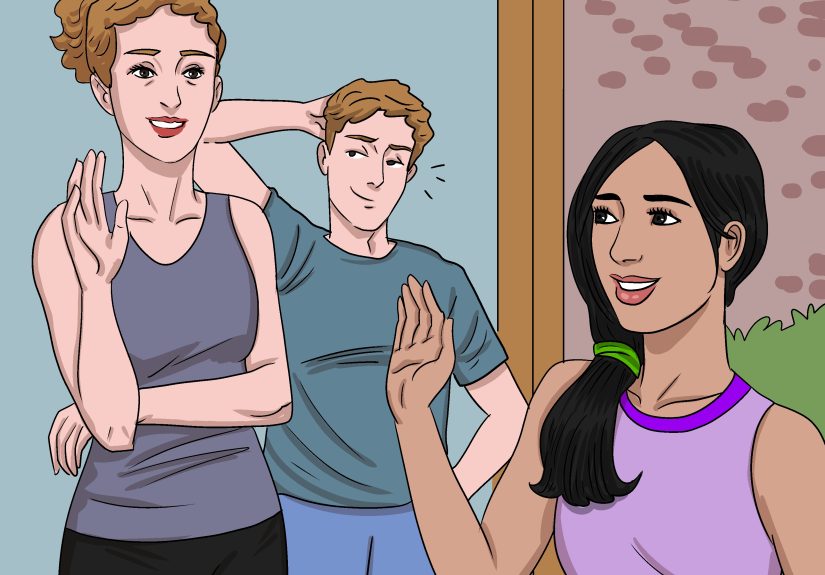
Say hello clearly. Smile. Introduce yourself if needed. Use “Mr.” or “Ms.” plus their last name unless they tell you to use their first name. That small gesture signals respect immediately. If you are not sure what to call them, ask politely. That is far better than mumbling “Hey” and hoping the universe handles the rest.
Look Up From Your Phone
Nothing says “I am totally thrilled to be here” like staring at your screen while someone is speaking to you. Put your phone away when you arrive, especially during introductions, dinner, or conversation. Digital manners count.
Dress Like You Understand Context
You do not need to dress formally, but you should look neat, clean, and appropriate for the situation. If you are going to dinner, do not dress like you just escaped a laundry basket. Parents notice effort, even when it is simple.
Use the Tiny Manners That Do Heavy Lifting
Please. Thank you. Excuse me. Good to see you. Thanks for having me. These phrases are small but powerful. They make you seem thoughtful without making you seem fake.
How to Get Your Friend’s Parents to Like You Over Time
If a first meeting opens the door, steady behavior keeps it open. Here is how to build real trust.
Respect Their House Rules
Every family has its own rules. Some are strict about curfews. Some do not allow shoes indoors. Some expect everyone at the dinner table. Some care deeply about language, noise, or where people hang out in the house. Your job is not to judge the rules. Your job is to follow them.
Even if a rule seems small, ignoring it sends a bigger message: “I do what I want.” That message is the opposite of how to get your friend’s parents to like you. If you are unsure about something, ask. Parents often appreciate respectful questions more than silent guessing followed by obvious failure.
Be Easy to Trust
Trust grows when your actions match your words. Be where you said you would be. Let adults know if plans change. Do not ask your friend to hide things for you, and do not encourage them to hide things from their parents. Secrecy is basically the fastest way to become “that friend.” You do not want that title.
If you make a mistake, own it. A simple, honest apology is far more impressive than a weird excuse marathon. Parents generally understand that teens and young adults are still learning. What they dislike is dishonesty dressed up as confidence.
Help Without Turning It Into Theater
Offering small help can leave a strong impression. Clear your plate. Hold the door. Ask whether you can bring something inside. Thank them for dinner. These are thoughtful gestures, not a full campaign for Parent Approval 2026.
The key is balance. Help naturally. Do not suddenly begin wiping windows and reorganizing the spice cabinet unless someone asks. That feels less like courtesy and more like a suspicious school project.
Be Pleasant to Talk To
You do not need to become a nonstop chatterbox, but being able to hold a basic conversation matters. Answer questions with more than one word. Ask a simple follow-up now and then. Talk about school, hobbies, sports, music, work, or future plans. Parents often warm up when they can see that you are thoughtful and respectful in conversation.
A good rule is this: be friendly, but do not overshare. Their living room is not the place for a dramatic monologue about every conflict in your group chat.
Treat Your Friend Well in Front of Them
Parents pay close attention to how you treat their child. If you are rude, dismissive, manipulative, or constantly trying to embarrass your friend for laughs, that will stick. On the other hand, if you are kind, patient, and encouraging, parents notice that too.
This does not mean acting weirdly formal. It means basic decency. Do not pressure your friend, mock them harshly, or act like boundaries are optional. Respect between friends goes a long way with families.
Mind Your Online Behavior Too
Today, impressions are not built only in person. Parents sometimes hear about what gets posted, shared, or joked about online. You do not need to become a digital monk, but it helps to use common sense. Avoid posting things that make you look reckless, cruel, or deeply committed to bad decisions. Your online behavior can shape how adults see your judgment.
What Not to Do
Sometimes the easiest way to improve your image is to stop doing the things that hurt it. Here are common mistakes that make parents uneasy.
Do Not Try Too Hard
Flattery, fake charm, or forced perfection usually feels obvious. Most parents can spot performance from across the room. Authentic politeness works better than exaggerated politeness.
Do Not Ignore the Adults Completely
If you walk into the house and go straight past the parents without saying hello, it can come off as dismissive. A quick greeting matters. You do not need a speech. Just acknowledge them.
Do Not Break “Small” Rules
Being loud when asked to quiet down, leaving a mess, eating food without asking, or disappearing without telling anyone may seem minor. To parents, those things can signal carelessness and disrespect.
Do Not Act Like a Different Person Around Adults
If you are wildly polite with parents but rude to your friend the second they leave the room, that contrast is often noticed. Consistency builds trust. Performance destroys it.
Do Not Bring Drama Into the House
Frequent conflict, yelling, rule-pushing, or chaos can quickly make adults feel that your presence equals stress. If you want family approval, do not act like a storm cloud with a backpack.
Special Situations: Dinner, Sleepovers, and Car Rides
At Dinner
Show up on time. Wash your hands. Sit where you are told. Put your phone away. Try the food if you can. Say thank you. If you have dietary restrictions or allergies, mention them politely and early. Mealtime manners are one of the quickest ways to make a positive impression.
During a Sleepover or Visit
Ask before using things. Keep common spaces tidy. Follow quiet hours. Do not invite extra people over without permission. If the family has routines, respect them. Sleepovers are not loopholes in the laws of good judgment.
If They Give You a Ride
Be ready on time. Get in with a greeting, not chaos. Wear your seat belt. Say thank you when you leave the car. These habits are simple, but they communicate maturity.
What If Your Friend’s Parents Already Seem Unsure About You?
Sometimes you are starting from a tougher place. Maybe they have heard a rumor, seen you at a bad moment, or simply do not know you yet. Do not panic and do not try to win them over overnight. Adults often change their minds slowly, based on repeated experience.
In that situation, focus on the basics even more. Be calm. Be respectful. Follow rules. Keep your word. Show up consistently as someone safe and considerate. Over time, steady behavior often speaks louder than one awkward first impression.
Also, let your friend manage their own family conversations. You should not pressure them to argue with their parents on your behalf. That usually backfires. Your role is to behave well, not run a public relations campaign from the passenger seat.
Real-Life Style Experiences and Lessons About Getting Parents to Like You
One common experience goes like this: a teen walks into a friend’s house, says a quick hello, sits down, and stays glued to a phone for two hours. Nothing dramatic happens, but the parents come away thinking, “That kid seems distant.” Later, the same teen visits again, this time greeting the parents properly, helping carry in pizza, saying thanks for dinner, and joining a short conversation about school. Suddenly the entire mood changes. The teen did not become a new person. They just became easier to know and easier to trust.
Another realistic example is the friend who is perfectly nice but terrible with plans. They say they will be ready at six, show up at 6:25, forget to text, and shrug like time is a social construct. Parents often dislike that immediately, not because they expect military precision, but because lateness without communication feels disrespectful. Once that same person starts texting updates, arriving when promised, and saying sorry when plans change, the relationship with the parents improves fast. Reliability is not flashy, but it is powerful.
There is also the classic “trying too hard” situation. Someone meets their friend’s parents and turns the charm up to eleven. They compliment everything in the house, laugh too loudly, and act like they are campaigning for office. Parents often sense the performance. Compare that with someone who is relaxed, polite, and genuine. The second person usually wins. Most adults are not expecting perfection. They are looking for sincerity.
Many people also learn that the way they treat their friend matters more than anything they say to the parents directly. A parent may not care whether you are especially witty, but they absolutely notice whether you are kind when their child is stressed, whether you interrupt constantly, or whether you pressure their child into uncomfortable situations. One calm, respectful interaction can do more for your reputation than ten polished introductions.
Some of the best experiences come from small moments: saying thank you after a meal, asking before taking food, helping clean up without being asked twice, or remembering a parent’s name the next time you visit. None of that is dramatic. That is exactly why it works. Trust is usually built in ordinary moments, not movie scenes.
And sometimes, despite your best effort, a parent may stay reserved for a while. That does not always mean they dislike you. Some adults are simply cautious, protective, or slow to warm up. In those cases, patience matters. Keep being respectful. Keep following the rules. Keep showing good judgment. A lot of friendships become easier not because someone delivered a perfect first impression, but because they showed over time that they were safe, considerate, and real.
Conclusion
If you want to know how to get your friend’s parents to like you, the answer is not to become fake, overly polished, or weirdly impressive. It is to become trustworthy in ordinary ways. Greet them. Respect their home. Follow the rules. Treat your friend well. Use good manners. Communicate clearly. Be honest when things go wrong.
Parents do not usually expect a flawless person. They tend to appreciate someone who is respectful, steady, and easy to welcome into family space. So if your goal is to make a good impression on your friend’s parents, remember this: kindness plus consistency beats charm plus chaos every single time.