Table of Contents >> Show >> Hide
- What Is Malabar Spinach?
- Why Gardeners Grow Malabar Spinach
- Best Growing Conditions for Malabar Spinach
- How to Plant Malabar Spinach
- How to Care for Malabar Spinach
- Growing Malabar Spinach in Containers
- How and When to Harvest
- Common Problems and How to Fix Them
- Saving Seeds
- Common Mistakes to Avoid
- Final Thoughts
- Growing Experiences: What Gardeners Learn After a Season With Malabar Spinach
- SEO Tags
If regular spinach had a dramatic summer-loving cousin who showed up late to the garden party wearing glossy leaves and climbing everything in sight, it would be Malabar spinach. This leafy vine is not true spinach, but it fills the same culinary role when the weather gets too hot for traditional spinach to behave itself. While ordinary spinach tends to wave a white flag in summer, Malabar spinach steps in like, “Relax, I was built for this.”
Gardeners love Malabar spinach for three big reasons: it thrives in heat, it looks beautiful, and it keeps producing when many salad greens are already bitter, bolted, or compost-bound. It is also surprisingly versatile. You can grow it on a trellis, along a fence, in a raised bed, or even in a big patio container. If you want an edible plant that moonlights as a garden ornament, this one earns a standing ovation.
This guide covers everything you need to know about how to grow and care for Malabar spinach, from planting and watering to harvesting, troubleshooting, and real-world growing lessons that make the difference between a vine that merely survives and one that takes over your summer in the best possible way.
What Is Malabar Spinach?
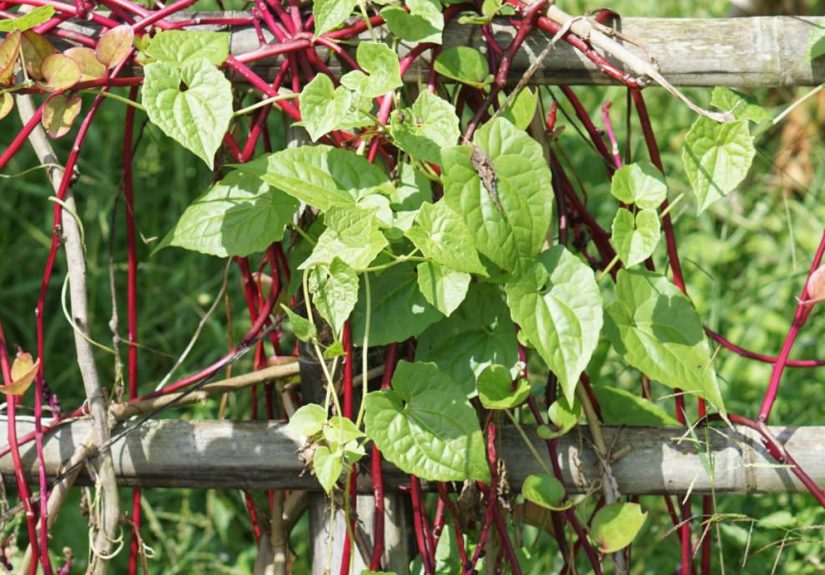
Malabar spinach usually refers to Basella alba or the red-stemmed form often sold as Basella rubra. It is a tropical, vining leafy green grown for its thick, glossy leaves and tender shoots. The plant is unrelated to true spinach, but the leaves can be used in salads, stir-fries, soups, curries, and sautés in much the same way.
The flavor is mild and green with a slightly peppery, citrusy edge. Raw leaves are pleasantly succulent. When cooked, they can develop a texture a bit like okra, which some people love and others describe with the facial expression of someone who has just stepped on a LEGO. Either way, the plant is productive, attractive, and genuinely useful in the kitchen.
In frost-free climates, Malabar spinach can behave like a perennial. In most of the United States, it is grown as a warm-season annual. The red-stemmed type is especially popular because it adds ornamental color to vegetable beds and edible landscapes.
Why Gardeners Grow Malabar Spinach
Malabar spinach is one of those smart-garden plants that solves a seasonal problem. Traditional spinach prefers cool weather and quickly declines once summer temperatures rise. Malabar spinach, on the other hand, likes heat and humidity. It often grows most vigorously just when other greens are struggling.
It is also a solid choice for gardeners who want more out of a small space. Because the plant climbs, you can grow upward instead of outward. A trellis, arch, fence panel, or even a sturdy string support can turn a modest planting area into a surprisingly generous harvest zone.
And then there is the looks department. With heart-shaped leaves, twining stems, and optional burgundy coloring, this vine pulls off the rare trick of being both practical and pretty. It can fit into a kitchen garden, a pollinator border, or a container arrangement without looking like it wandered in by accident.
Best Growing Conditions for Malabar Spinach
Light
Malabar spinach grows best in full sun, especially in regions with warm summers. In very hot climates, a little afternoon shade can be helpful and may encourage larger, more succulent leaves. The goal is not deep shade. Think “bright and warm” rather than “forest understory.”
Temperature
This is a true heat-loving vegetable. It does not appreciate chilly weather and absolutely does not forgive frost. Wait until the soil is warm and nights are reliably mild before planting outdoors. If your spring weather has a habit of pretending it is June and then suddenly remembering it is still April, be patient. Malabar spinach will reward warm timing with much faster growth.
Soil
Give it fertile, well-drained soil with plenty of organic matter. Loamy or sandy-loam soil enriched with compost is ideal. The plant likes moisture, but not swamp conditions. Soil that stays evenly damp without becoming soggy is the sweet spot.
Support
Because Malabar spinach is a vigorous climber, support matters. A sturdy trellis or fence helps keep the vines tidy, improves air circulation, makes harvesting easier, and keeps the foliage cleaner. Without support, the plant can sprawl, root where stems touch moist soil, and generally start making independent life decisions.
How to Plant Malabar Spinach
Starting From Seed
Malabar spinach is usually grown from seed, but the seed can be slow to germinate. Many gardeners speed things up by soaking seeds overnight or lightly scarifying them so water can penetrate the seed coat more easily. If you live in a short-season area, starting seeds indoors several weeks before your last frost can give you a useful head start.
Direct sowing also works well once the soil is truly warm. Sow shallowly, keep the planting area consistently moist, and do not panic if germination is not instant. Malabar spinach tends to move on tropical time, not impatient-gardener time.
Starting From Cuttings
Malabar spinach also roots easily from tip cuttings. This is great news if you already have a plant, know another gardener with one, or find fresh stems at an Asian grocery. Snip a healthy vine tip, remove the lower leaves, and place it in water or moist potting mix. Once roots form, transplant it into the garden or a container.
Spacing
Give plants enough room to breathe and climb. Around 8 to 12 inches apart is a comfortable range for most home gardens, especially when plants are being trained upward. If you are growing them on a large trellis or fence, spacing on the wider end helps reduce crowding and keeps harvesting easier later.
How to Care for Malabar Spinach
Watering
If there is one care rule to remember, it is this: do not let Malabar spinach dry out for long. Dry soil encourages flowering, and once flowering ramps up, the leaves can become more bitter and less tender. Regular deep watering keeps the plant productive and the foliage high quality.
During hot stretches, container-grown plants may need water more often than in-ground plants. Check the soil with your finger. If the top inch feels dry, it is probably time to water. A thick layer of mulch helps slow evaporation and keeps the root zone more stable.
Feeding
Malabar spinach is not outrageously needy, but it does appreciate fertile soil. Mixing compost into the bed before planting gives it a strong start. If growth slows or leaves look pale, a balanced liquid fertilizer or gentle organic feed every couple of weeks can help maintain steady production through summer.
Mulching
Mulch is one of the easiest upgrades you can give this plant. A 2-inch layer of straw, shredded leaves, or other organic mulch helps hold soil moisture, suppress weeds, and reduce temperature swings. It also means you will spend less time dragging a hose around while muttering at the weather.
Training and Pruning
Young vines benefit from a little guidance at first. Gently weave them through the trellis or tie them loosely until they begin twining on their own. Once established, the plant usually climbs enthusiastically.
Pruning is simple: harvest often. Snipping the growing tips encourages lateral branching, which gives you a fuller plant and a steadier supply of edible shoots. If the vine gets too tall or too wild, trim it back. Malabar spinach handles regular cutting well.
Growing Malabar Spinach in Containers
This plant does very well in a large container, as long as you do not treat the pot like an afterthought. Use a roomy container with drainage holes, fill it with rich potting mix, and add a tall, sturdy support at planting time. Waiting until the vine is already sprawling everywhere is a classic gardener mistake, right up there with “I’ll definitely remember what I planted here.”
Container plants dry out faster than garden beds, so moisture management is extra important. In hot weather, daily checks are smart. A patio pot in full sun can go from happy to dramatic faster than you would expect. The upside is that container-grown Malabar spinach is easy to harvest, easy to admire, and often doubles as edible privacy screening.
How and When to Harvest
You can usually begin harvesting young leaves and tender shoot tips in roughly 6 to 10 weeks, depending on temperature and growing conditions. Hot weather speeds the plant along. The best eating quality comes from the youngest growth, which is more tender and milder than older leaves.
Use scissors or garden snips to cut shoot tips, individual leaves, or longer stems as needed. Frequent harvests encourage new branching and more production. You do not need to strip the plant bare. Think of it as a steady haircut, not a buzz cut.
In the kitchen, use the leaves raw in salads when they are young and tender. Add them to stir-fries, curries, soups, or sautés for a summer spinach substitute. The stems are also edible when young. If you are cooking them, remember the texture becomes more silky and thickening, which can be a feature, not a flaw.
Common Problems and How to Fix Them
Slow Growth
If your plant just sits there, the weather is probably too cool. Malabar spinach is not lazy; it is waiting for heat. Once temperatures rise, growth usually takes off.
Bitter Leaves
Bitter foliage is often linked to drought stress or flowering. Keep the soil evenly moist and harvest regularly. Pinching off flower spikes early can also help extend leaf production.
Leaf Spot
Although Malabar spinach is often described as relatively pest- and disease-resistant, it can still develop fungal leaf spots. Remove affected leaves, avoid overhead watering late in the day, keep the planting area weeded, and improve airflow with spacing and pruning.
Snails, Slugs, or Occasional Pests
Most home gardeners report few serious pest issues, but no plant lives in a perfect world. Monitor regularly, especially in humid conditions. If you see chewing damage or slime trails, act early before the pests send out invitations to their friends.
Saving Seeds
If you let some vines flower and fruit, Malabar spinach produces dark purple berries that can be used for seed saving. Allow the fruits to mature fully, then collect them when they are dark and soft enough to process. The pulp can stain hands and surfaces, so gloves are a smart move unless you want to look like you lost a fight with a permanent marker.
Clean the seeds, let them dry thoroughly out of direct sun, and store them in a labeled envelope or container for next season. In warm regions, the plant may also self-seed or leave behind surprise volunteers.
Common Mistakes to Avoid
- Planting too early: cold soil and cool nights slow or stop growth.
- Skipping support: vines sprawl, tangle, and become harder to harvest.
- Letting the soil dry out: drought stress can trigger bitterness and flowering.
- Harvesting too late: oversized leaves and older stems are tougher.
- Using a tiny container: this is a vigorous vine, not a windowsill basil impersonator.
- Ignoring the ornamental value: Malabar spinach is productive, but it is also one of the prettiest edible vines you can grow.
Final Thoughts
If you have ever wished regular spinach would stop fainting in the summer heat, Malabar spinach is the answer. It is easy to grow once temperatures rise, visually striking, and generous with harvests when given sun, moisture, rich soil, and something sturdy to climb.
For gardeners in hot or humid regions, it can become one of the most useful leafy greens in the summer garden. For gardeners in cooler climates, it is still worth growing as a seasonal specialty crop that brings vertical interest and fresh greens to the warmest part of the year. Either way, Malabar spinach earns its place by doing exactly what many other greens refuse to do: showing up in summer and actually thriving.
Growing Experiences: What Gardeners Learn After a Season With Malabar Spinach
One of the most common experiences gardeners report with Malabar spinach is confusion at the beginning followed by amazement later. Early in the season, the plant can seem unimpressive. You sow the seed, wait, and then wait some more. The weather still feels a little too mild, the vine looks small, and you start wondering whether you should have used that trellis space for cucumbers. Then the heat arrives, and Malabar spinach suddenly remembers who it is. Growth speeds up, stems thicken, and the vine begins climbing with purpose.
Another common lesson is that support should never be an afterthought. Gardeners who give Malabar spinach a sturdy trellis from day one usually have a much easier time managing it. The plant stays cleaner, harvesting is faster, and the vine becomes a neat vertical feature instead of a green pile with ambition. People who skip support often end up improvising halfway through summer with bamboo poles, garden twine, and the sort of determination usually reserved for emergency furniture assembly.
Watering also separates average results from excellent ones. In real gardens, Malabar spinach is often at its best when the soil stays evenly moist and the roots are buffered with mulch. Gardeners who let it dry out too often tend to notice more flowering and a stronger flavor in the leaves. Those who water deeply and consistently get more tender growth and a longer harvest window. This is especially true in containers, where the plant can dry much faster than expected in a hot spell.
Many people are pleasantly surprised by how decorative the plant becomes. The red-stemmed forms in particular can look stunning against a black metal trellis, a cedar fence, or even a plain patio wall. Some gardeners start growing it for food and end up appreciating it just as much as an ornamental vine. Others discover the opposite: they plant it because it looks pretty and then realize it is one of the few greens still producing when the rest of the salad bed has given up.
The harvest itself teaches a useful rhythm. Gardeners who pick often get the best results. Snipping the tender tips every few days keeps the plant branching, manageable, and productive. Waiting too long leads to bigger leaves and longer stems that are still usable, but not always as tender. In other words, Malabar spinach rewards attention. It does not need constant fussing, but it does appreciate regular check-ins and a little garden snip here and there.
By the end of the season, many gardeners decide they will grow it again for one simple reason: it solves a real summer problem. It fills the gap left by cool-season spinach, adds height and beauty to the garden, and turns hot weather from a gardening obstacle into an advantage. Once you have had a season with a healthy Malabar spinach vine, it is hard not to start planning where the next one will go.