Table of Contents >> Show >> Hide
- What Is a Rambutan Plant?
- Best Climate for Growing Rambutan
- How to Plant a Rambutan Tree the Right Way
- Watering Rambutan Without Drowning It
- How to Fertilize a Rambutan Plant Like a Pro
- Pruning and Training for Healthier Growth
- Pollination, Flowering, and Fruiting Tips
- Common Rambutan Problems and How to Fix Them
- Can You Grow Rambutan in Containers?
- Harvesting Rambutan at the Right Time
- Real-World Rambutan Growing Experiences and Lessons Learned
- Conclusion
- SEO Tags
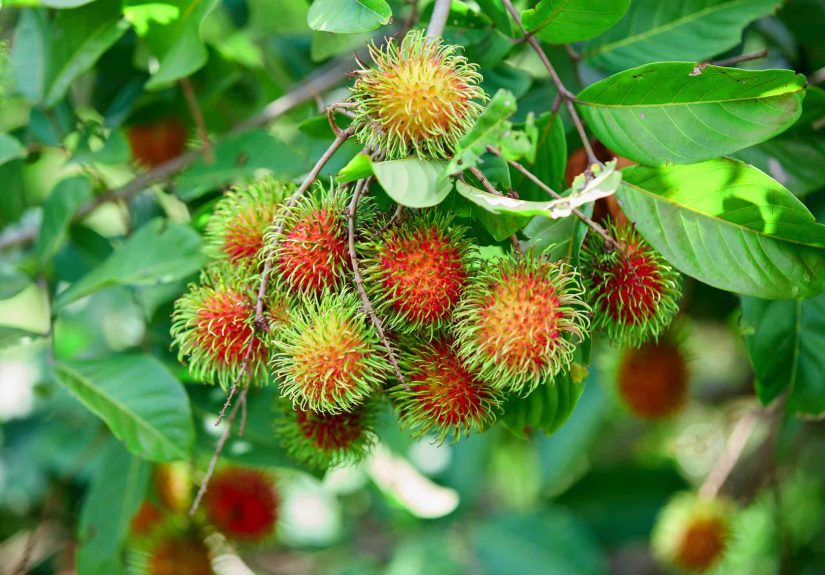
If you have ever looked at a rambutan and thought, “That fruit looks like a lychee that joined a rock band,” you are not alone. Rambutan is one of the most eye-catching tropical fruits on the planet, with bright skin and soft, hair-like spines that make it look wild, dramatic, and just a little extra. Under that flashy exterior, though, is sweet, juicy fruit that tastes like a tropical reward for gardeners with patience.
Growing a rambutan plant like a pro is not impossible, but it does require the right game plan. This is not a shrug-it-off, plant-it-anywhere tree. Rambutan wants warmth, humidity, steady care, and a gardener who understands that “tropical” is not just a vibe. It is a full-time lifestyle. Give it the conditions it craves, and you can grow a healthy, productive tree that turns your yard, greenhouse, or tropical garden into a place people suddenly want to visit very often.
In this guide, you will learn how to grow rambutan successfully, how to care for it through each stage of growth, what mistakes to avoid, and how to improve your chances of getting flowers and fruit instead of a moody tree that only produces leaves and opinions.
What Is a Rambutan Plant?
Rambutan (Nephelium lappaceum) is a tropical evergreen fruit tree in the soapberry family, which also includes lychee and longan. It is grown for its sweet, translucent flesh and ornamental appearance. In the right climate, rambutan can become a beautiful landscape tree with glossy leaves, dense branching, and heavy clusters of colorful fruit.
That said, rambutan is picky about where it lives. It performs best in hot, humid, frost-free environments. In the United States, it is most realistic as an outdoor fruit tree in truly tropical areas. In cooler or drier regions, it is usually a specialty collector’s plant grown in protected environments. So yes, you can grow rambutan like a pro, but first you need to be honest about whether your climate is tropical enough or whether your tree is about to live the greenhouse life.
Best Climate for Growing Rambutan
Warm, humid, and frost-free is the dream
Rambutan grows best in warm, humid tropical climates with year-round heat. It dislikes cold snaps, hates frost, and does not appreciate dry air. If winter in your area includes words like “icy,” “brisk,” or “bring in the patio cushions,” rambutan will not be thrilled.
The ideal rambutan environment includes:
Full sun for mature trees, bright protection for young plants, and soil that never stays waterlogged but also never turns bone-dry for long. Humidity is especially important. Dry heat may work for some tropical plants, but rambutan prefers air that feels more like a warm spa than a desert parking lot.
Can you grow rambutan in the United States?
Yes, but only some gardeners should get too confident. Outdoors, rambutan is best suited to very warm tropical parts of the United States, especially Hawaii and Puerto Rico. In much of the mainland U.S., including large parts of Florida, rambutan is better treated as a specialty plant rather than a guaranteed backyard fruit machine.
If you live outside a truly tropical zone, you can still grow rambutan in a large container or protected structure. Just know that keeping it alive is one goal; getting it to fruit is a higher-level side quest.
How to Plant a Rambutan Tree the Right Way
Start with a grafted tree if possible
If your goal is fruit, buy a grafted or budded rambutan tree from a reputable nursery. Seed-grown trees can be fun, but they are slower, less predictable, and may not come true to type. A seedling may take many years to fruit, and the fruit quality can be inconsistent. A grafted tree gives you a named cultivar, a shorter wait, and fewer future arguments with yourself.
If you are the patient type and want to grow from seed anyway, use fresh seed and plant it quickly. Rambutan seed loses viability fast, so this is not the sort of seed you forget in a drawer while reorganizing your life.
Pick the right planting spot
Choose a site with full sun, strong drainage, and protection from strong winds. Rambutan trees can grow large, so give them room. Plant far enough away from buildings, power lines, and other trees so the canopy can develop without constant competition. Crowding leads to shade, weak airflow, and more disease headaches later.
Young trees benefit from a little extra protection while they establish. A sheltered warm location is ideal, especially if your site gets drying winds or occasional weather drama.
Use well-drained, organic-rich soil
Rambutan does best in well-drained soil rich in organic matter. Slightly acidic to near-neutral soil is ideal. If your soil is heavy clay, compacted, or prone to puddling, fix that before planting or use a mound or raised area. Rambutan roots want moisture, not a swamp. There is a difference, and the tree absolutely knows it.
Before planting, mix compost into the surrounding soil if needed, and apply mulch afterward. Keep the mulch a few inches away from the trunk to prevent rot. A thick organic mulch layer helps conserve moisture, moderate soil temperature, and improve the root zone over time.
Watering Rambutan Without Drowning It
Young trees need regular moisture
For the first few years, consistent watering is one of the biggest keys to success. Newly planted rambutan trees need evenly moist soil while establishing roots. Deep watering is better than constant shallow sprinkles. You want the roots to grow down and out, not become spoiled and dramatic near the surface.
During hot or dry weather, check the soil often. If the top few inches start drying out, water thoroughly. In rainy weather, back off. Rambutan likes moisture, but it does not like sitting in soggy soil where roots lose oxygen.
Mature trees still need smart irrigation
Established rambutan trees benefit from regular irrigation during active growth, flowering, and fruit development. Dry stress during those stages can reduce fruit set and quality. In climates with a natural dry season, some growers use carefully timed dry periods to encourage flowering, but that approach works best when you know your local conditions well. For home gardeners, the safer rule is simple: avoid extremes.
If your tree is producing lots of lush leaves but very little flowering, overwatering and overfeeding may be part of the problem. Rambutan should be healthy, not pampered into endless leafy laziness.
How to Fertilize a Rambutan Plant Like a Pro
Feed for steady growth, not a jungle explosion
Young rambutan trees benefit from light, repeated feedings rather than one heroic fertilizer dump. Use a balanced fruit-tree fertilizer during the active growing season, and include micronutrients if your soil tends to run deficient. Tropical fruit trees often respond well to supplements containing magnesium, manganese, zinc, boron, and iron, especially in soils that tie up nutrients.
If your leaves turn pale while the veins stay greener, your tree may be dealing with an iron issue, particularly in alkaline soils. That is your cue to stop guessing and address the soil chemistry.
Do not overdo nitrogen
Too much nitrogen can push excessive vegetative growth and reduce flowering. In plain English, you get a gorgeous tree with commitment issues. As the tree matures, reduce the urge to overfeed, especially before the flowering season. Balanced nutrition matters more than high nitrogen once your rambutan is old enough to fruit.
Pruning and Training for Healthier Growth
Prune for structure, airflow, and harvest access
Rambutan trees benefit from selective pruning, especially when young. The goal is to build a strong framework, manage size, improve light penetration, and keep the tree easier to maintain and harvest. Remove dead, damaged, crossing, or crowded branches as needed.
The best time to do major shaping is generally after harvest, not right before the tree should be preparing to flower. Late pruning can stimulate fresh vegetative growth at the wrong time and interfere with bloom. Think of it as editing the tree after the performance, not while it is trying to learn its lines.
Keep the canopy open
An open canopy improves airflow and can help reduce humidity-related disease pressure around flowers and fruit. This matters because rambutan can be vulnerable to fungal issues in wet conditions, especially when growth is dense and air movement is poor.
Pollination, Flowering, and Fruiting Tips
Why a healthy tree still may not fruit well
One of the biggest frustrations with rambutan is that a tree can look fantastic and still disappoint you at fruiting time. Flowering and fruit set depend on climate signals, tree maturity, cultivar, and pollination. Research in Hawaii has also shown that poor pollination and too few functionally male flowers can contribute to deformed fruit in some orchards.
For home growers, the practical takeaway is this: start with a good cultivar, keep pollinators active in the garden, and consider planting more than one compatible rambutan selection if space allows. Diversity often helps when tropical fruit trees start acting mysterious.
How long until a rambutan tree fruits?
A grafted rambutan tree can begin fruiting in about three years under favorable conditions, while seed-grown trees may take around seven years or longer. That is another reason experienced growers usually start with grafted material. Gardening is already an exercise in patience. There is no need to audition for sainthood.
Common Rambutan Problems and How to Fix Them
Yellow leaves
Yellowing leaves can signal nutrient deficiency, poor drainage, root stress, or pH problems. Check your watering habits first, then evaluate your fertilizer program and soil condition. If the tree is in alkaline soil, iron deficiency is a prime suspect.
No flowers or no fruit
This often comes down to climate, immaturity, too much nitrogen, too much vegetative growth, weak pollination, or pruning at the wrong time. If your tree is healthy but unproductive, review the basics before assuming it is cursed.
Fruit rot or spots
Fungal diseases can affect rambutan fruit in humid regions. Improve airflow, prune crowded growth, remove diseased material, avoid unnecessary overhead watering late in the day, and keep the area clean. Good sanitation and canopy management go a long way before you ever consider stronger interventions.
Root trouble
If the tree declines suddenly and the soil stays wet, poor drainage may be the hidden villain. Rambutan roots need oxygen. A site that floods or remains saturated can lead to dieback, weak growth, and eventual tree failure.
Can You Grow Rambutan in Containers?
Yes, especially when the climate is not suitable for outdoor planting. Use a large container with excellent drainage, a rich but airy potting mix, and a warm, bright location. Container-grown rambutan will need more frequent watering, careful feeding, and periodic repotting or root management.
Just keep expectations realistic. A potted rambutan can be an impressive tropical specimen, but fruiting in a container is more challenging than fruiting in the ground under ideal tropical conditions. Still, for plant lovers, challenge is often just another word for “fun with extra humidity.”
Harvesting Rambutan at the Right Time
Rambutan fruit grows in clusters near branch ends and is harvested when it reaches mature color, which may be red, pink, yellow, or a blend depending on the cultivar. Fruit is usually picked with a short piece of the cluster attached rather than yanked off individually like a vending machine prize.
Fresh rambutans do not store forever. They are best enjoyed soon after harvest, though refrigeration helps extend quality. If your fruit looks great one week and tired the next, that is normal. Rambutan is many things, but a long-term pantry fruit is not one of them.
Real-World Rambutan Growing Experiences and Lessons Learned
One of the most useful things about growing rambutan is that it teaches you to pay attention. Gardeners often begin with the fruit itself because it is unusual and delicious, but the real lesson comes from how clearly the tree responds to its environment. When conditions are right, rambutan grows with confidence. When conditions are wrong, it does not quietly “do its best.” It lets you know, often through stalled growth, pale leaves, sparse flowering, or fruit that never quite develops the way you hoped.
Many experienced growers say the first big breakthrough comes when they stop treating rambutan like a generic tropical tree and start treating it like a specific tropical fruit crop with specific needs. For example, a gardener might assume more fertilizer always equals faster success. Then the tree puts on a lush flush of leaves, looks wonderful in photos, and completely skips meaningful flowering. That is when the lesson lands: vigorous growth is not the same thing as productive growth.
Another common experience is underestimating the importance of drainage. A rambutan tree can seem thirsty, especially in warm weather, so it is tempting to water frequently without checking how quickly the soil actually drains. Some growers discover the hard way that wet soil and healthy soil are not synonyms. Once they shift to deep, well-timed watering and improve the root zone with mulch and organic matter, the tree often responds with steadier growth and better canopy health.
Pollination is another surprise for many home gardeners. You can do nearly everything right and still get underwhelming fruit set if flowering conditions are poor or pollination is weak. Gardeners who add pollinator-friendly plants nearby, reduce unnecessary sprays, and grow more than one rambutan cultivar where possible often report better results over time. It is one of those classic garden truths: sometimes the fix is not force, but ecology.
Perhaps the most pro-level rambutan lesson is this one: patience works better than panic. Tropical fruit trees do not respond well to constant meddling. Repeated pruning, random fertilizer changes, and dramatic watering swings usually create more confusion than progress. The best growers observe, adjust slowly, and let the tree settle into a rhythm. They know when to prune, when to feed, when to back off, and when to accept that weather has the final word.
In the end, growing rambutan like a pro is not about magic formulas. It is about matching the tree to the right climate, giving it smart care, and learning from what the plant is telling you. Do that, and rambutan stops feeling like an exotic mystery and starts acting like what it really is: a manageable, rewarding fruit tree with excellent taste and slightly outrageous hair.
Conclusion
If you want to grow and care for a rambutan plant like a pro, focus on the fundamentals: warm frost-free conditions, rich well-drained soil, steady moisture, balanced feeding, careful pruning, and realistic expectations based on your climate. Start with a grafted tree whenever possible, protect it from stress while it is young, and remember that fruit production depends on more than just keeping the plant alive.
Rambutan is not the easiest fruit tree for every gardener, but in the right setting it is absolutely worth the effort. It is beautiful, productive, conversation-starting, and delicious. In other words, it is the kind of plant that rewards both patience and good planning. Give it what it wants, and it may eventually give you a crop that makes every other gardener suddenly become your “very close friend.”