Table of Contents >> Show >> Hide
- Why Grow Dahlias in Pots?
- Best Dahlia Varieties for Pots
- Choose the Right Pot for Dahlias
- Use the Best Soil Mix for Potted Dahlias
- When to Plant Dahlias in Pots
- How to Plant Dahlia Tubers in Pots
- Light Requirements for Potted Dahlias
- Watering Dahlias in Pots
- Fertilizing Dahlias in Containers
- Staking and Supporting Potted Dahlias
- Pinching and Deadheading for More Flowers
- Common Problems When Growing Dahlias in Pots
- Overwintering Dahlias Grown in Pots
- Extra Experience: Practical Lessons From Growing Dahlias in Pots
- Conclusion
Growing dahlias in pots is one of the easiest ways to turn a patio, balcony, porch, or tiny backyard corner into a floral fireworks show. Dahlias are dramatic by nature. They do not simply “bloom.” They arrive, pose, and demand compliments from neighbors who suddenly remember they need to borrow sugar.
The good news? You do not need a big garden bed to grow these colorful beauties. With the right container, well-draining soil, full sun, steady watering, and a little support, potted dahlias can produce lush foliage and dazzling flowers from midsummer until frost. The secret is understanding that a dahlia in a pot depends on you more than one planted in the ground. In a garden bed, roots can roam around like tourists with unlimited snacks. In a container, everythingwater, nutrients, space, stability, and drainagehas to be managed more carefully.
This guide explains exactly how to grow dahlias in pots, from choosing the best varieties and containers to planting tubers, feeding, staking, deadheading, troubleshooting, and overwintering. Whether you want a compact patio display or a cutting-garden-in-a-container situation, this step-by-step guide will help your dahlias grow strong, bloom generously, and avoid the dreaded “sad stick in a bucket” phase.
Why Grow Dahlias in Pots?
Dahlias are often grown in garden beds, but containers offer several practical advantages. First, pots make dahlias possible for renters, apartment dwellers, and anyone whose outdoor space is more “cozy balcony” than “English estate.” Second, containers let you control the growing medium, which is helpful if your native soil is heavy clay, sandy, compacted, or full of mystery roots from nearby trees.
Pots also make dahlias movable. Too much afternoon heat? Shift the container into light shade. A storm is coming? Move the plant near a wall for protection. Hosting a backyard dinner? Drag the blooming diva into the spotlight and let it do the decorating for you.
Container growing can also reduce some underground pest issues, especially where voles or other digging animals nibble on tubers. It is not a magical force field, but it does add a useful layer of protection. Most importantly, growing dahlias in pots gives you big color in small spaces, which is basically the gardening version of getting a standing ovation in a studio apartment.
Best Dahlia Varieties for Pots
Not all dahlias behave the same way in containers. Some are compact and tidy. Others grow tall, heavy, and dramatic, like they are auditioning for a period drama in a windstorm. For the easiest container success, choose low-growing, dwarf, border, bedding, or patio dahlias.
Great choices for container dahlias
- Dwarf dahlias: Usually compact, easier to support, and ideal for patios or balconies.
- Border dahlias: Bushy plants that create a full look without needing massive pots.
- Gallery-type dahlias: Popular for containers because they stay manageable and bloom well.
- Single and collarette dahlias: Often attractive to pollinators and less top-heavy than huge dinnerplate types.
- Small decorative dahlias: Good for cut flowers while still being practical in pots.
Can you grow tall dinnerplate dahlias in pots? Yes, but they need a large, heavy container, strong staking, more frequent watering, and a gardener with the emotional resilience to handle a plant that gets dramatic in wind. Beginners usually do better with compact varieties first.
Choose the Right Pot for Dahlias
Container size matters. A small pot dries out quickly, restricts root and tuber development, and may tip over once the plant becomes top-heavy. For most dahlias, choose a pot that is at least 12 to 15 inches wide and 12 inches deep. A 15-by-15-inch pot is a solid target for many varieties. For taller dahlias, go largerthink 18 inches wide or a half-barrel container.
The container must have drainage holes. This is non-negotiable. Dahlia tubers hate sitting in soggy soil, especially before they sprout. A beautiful pot with no drainage is not a planter; it is a decorative bathtub for root rot.
Best container materials
- Plastic pots: Lightweight, affordable, and good at holding moisture, but they may need weight added for stability.
- Terracotta pots: Attractive and breathable, but they dry out faster in hot weather.
- Fabric grow bags: Excellent drainage and air pruning, though they need frequent watering.
- Wooden planters: Stable and attractive, especially for larger dahlias.
- Resin or fiberglass pots: Lightweight but durable, often easier to move than clay.
For tall varieties, choose a wider, heavier pot rather than a tall, narrow one. A squat container is less likely to topple when summer winds arrive and your dahlia decides to behave like a floral sail.
Use the Best Soil Mix for Potted Dahlias
Dahlias need a growing medium that holds some moisture but drains freely. In containers, ordinary garden soil can become too dense, while very light potting mix can dry out too fast. The best mix depends on your climate and pot type, but the goal is always the same: moist, not muddy; rich, not swampy.
A practical container blend includes high-quality potting mix with added compost, perlite, or coarse material for drainage. If your potting mix is extremely fluffy and peat-heavy, it may dry unevenly or stay too wet around the tuber. If it is dense and heavy, it may suffocate the roots. Think of the soil as a good chocolate cake: moist, structured, and absolutely not soup.
Simple dahlia potting mix recipe
- 2 parts high-quality potting mix
- 1 part compost or screened organic matter
- 1 part perlite, pumice, or coarse material for drainage
Avoid potting mixes loaded with high-nitrogen fertilizer at planting time. Too much nitrogen can encourage leafy growth at the expense of flowers and may contribute to weak, lush stems. Dahlias do need nutrients, but timing and balance are important.
When to Plant Dahlias in Pots
Dahlias are warm-season plants. They do not enjoy cold, wet soil, and they are not frost-tolerant. Plant dahlia tubers in pots after your danger of frost has passed, or start them indoors several weeks earlier if you can provide bright light and warm conditions.
As a general rule, dahlias grow best when soil temperatures are around 60°F or warmer. If you plant too early in cold, wet potting mix, the tuber may rot before it ever gets a chance to sprout. Patience is your friend here. Dahlias are not late; they are simply waiting for the garden to stop acting like a refrigerator.
Starting dahlias indoors
Gardeners in colder climates can start tubers indoors 4 to 6 weeks before the last expected frost. Place the tuber in a pot, cover it lightly with soil, and keep it in a warm, bright area. Water very lightly until shoots appear. Once outdoor temperatures are reliably warm, gradually harden off the plant by placing it outside for a few hours each day before moving it outdoors full-time.
How to Plant Dahlia Tubers in Pots
Planting dahlia tubers is simple, but a few details make a big difference. Start with a firm, healthy tuber that has at least one visible eye or growth point near the crown. A tuber without an eye will not produce a plant, no matter how politely you ask.
Step-by-step planting instructions
- Fill the pot partway: Add several inches of potting mix to the bottom of the container.
- Position the tuber horizontally: Lay the tuber on its side with the eye facing upward.
- Add a stake early: If the variety is medium or tall, place the stake at planting time to avoid damaging the tuber later.
- Cover lightly: Cover the tuber with about 2 to 3 inches of soil for container planting.
- Water sparingly: Moisten the soil lightly, but do not soak it before sprouts appear.
- Add more soil as needed: As shoots grow, you can top up the pot with more mix, leaving space at the rim for watering.
One tuber per pot is best for standard containers. If you are using a very large barrel planter, you may be able to grow multiple dahlias, but overcrowding increases competition for water and nutrients. Remember: dahlias are generous bloomers, but they do not enjoy sharing a tiny apartment.
Light Requirements for Potted Dahlias
Dahlias need full sun for the best flowering. Aim for 6 to 8 hours of direct sunlight per day. Morning sun is especially valuable because it helps dry foliage and supports strong growth without the harshest afternoon heat.
In very hot climates, potted dahlias may appreciate light afternoon shade, particularly if they are on a concrete patio or near heat-reflecting walls. Containers heat up faster than garden beds, and overheated roots can stress the plant. If the leaves wilt badly every afternoon even when the soil is moist, the pot may be getting too hot.
For balconies, choose the sunniest spot available. A south- or west-facing location often works well, but watch for intense heat. If your space gets less than 5 hours of sun, dahlias may grow but bloom poorly. In that case, choose compact varieties and keep expectations realistic. A dahlia in too much shade becomes all leaves and excuses.
Watering Dahlias in Pots
Watering is the skill that separates happy container dahlias from tuber tragedies. Before sprouts emerge, water lightly. The tuber has no active leafy growth yet, so it does not need much moisture. Keep the mix barely damp, not wet.
Once shoots are above the soil and the plant begins growing strongly, watering needs increase. Containers dry out faster than garden beds, especially in hot weather, wind, or full sun. Check the soil regularly by pressing a finger about an inch into the mix. If it feels dry at that depth, water thoroughly until moisture runs from the drainage holes.
Watering tips for healthy potted dahlias
- Water at the base of the plant rather than spraying the leaves.
- Avoid letting the pot sit in a saucer of standing water.
- Water deeply rather than giving tiny daily sips.
- Increase watering during heat waves, windy days, and heavy bloom periods.
- Reduce watering in cool, rainy weather.
By midsummer, a mature dahlia in a pot may need water daily, and sometimes twice a day in extreme heat. This does not mean dumping water on a soggy pot out of habit. It means checking the soil and responding like a responsible plant parent, not a panicked sprinkler system.
Fertilizing Dahlias in Containers
Potted dahlias need more regular feeding than dahlias grown in the ground because nutrients wash through containers more quickly. However, more fertilizer is not always better. Too much nitrogen encourages big leafy plants with fewer flowers, which is disappointing unless your goal is to grow a decorative shrub with stage fright.
Use a balanced or low-nitrogen fertilizer once the plant is actively growing. Many gardeners feed every 2 to 3 weeks during the growing season, following the product label. A fertilizer formulated for tomatoes, flowers, or bulbs can work well if it is not overly nitrogen-heavy.
Feeding schedule example
- At planting: Use fresh potting mix with moderate fertility; avoid strong fertilizer directly on the tuber.
- After shoots appear: Begin light feeding once the plant is growing well.
- At 12 inches tall: Feed more consistently to support branching and bud formation.
- During bloom: Continue feeding every few weeks, but avoid overdoing nitrogen.
- Late season: Slow feeding as frost approaches and the plant begins winding down.
Staking and Supporting Potted Dahlias
Many dahlias need support, especially medium and tall varieties. The stems can be hollow and the blooms can be heavy. Add wind, rain, or one overconfident squirrel, and unsupported stems may snap.
The best time to add support is at planting. Insert a sturdy bamboo stake, metal stake, or small tomato cage before the tuber grows roots throughout the pot. For compact dahlias, a short plant ring may be enough. For taller varieties, use a strong stake and soft ties.
Support options for container dahlias
- Single stake: Best for one plant in one pot.
- Tomato cage: Useful for bushier varieties and windy patios.
- Decorative plant support: Good for visible containers near seating areas.
- Three-stake teepee: Helpful for large plants in big containers.
Tie stems loosely as they grow. Do not strangle the plant. The goal is gentle support, not a botanical hostage situation.
Pinching and Deadheading for More Flowers
Pinching helps dahlias become bushier and produce more stems. When the plant is about 10 to 12 inches tall and has several sets of leaves, pinch out the top growing tip just above a set of leaves. This encourages side shoots, which can lead to more blooms.
Deadheading is equally important. Remove faded flowers before they set seed. This tells the plant to keep making blooms instead of shifting energy into seed production. Cut spent blooms back to a leaf node or side stem. Do not just pop off the flower head and leave a long, awkward stem. Dahlias appreciate a clean haircut.
Common Problems When Growing Dahlias in Pots
Potted dahlias are not difficult, but they can run into issues. Most problems come from water imbalance, poor drainage, not enough sun, weak support, or pests.
Tuber rot
Tuber rot usually happens when the soil stays too wet, especially before shoots appear. Prevent it by using a container with drainage holes, planting in well-draining mix, and watering sparingly until growth begins.
Few or no flowers
If your dahlia is leafy but not blooming, the likely causes are too much nitrogen, too little sun, a pot that is too small, or inconsistent watering. Move the plant to a sunnier location, switch to a lower-nitrogen fertilizer, and check moisture more consistently.
Wilting leaves
Wilting can mean dry soil, overheated roots, or root trouble. Check the soil first. If it is dry, water deeply. If it is wet and the plant still wilts, drainage or root rot may be the issue. If the pot is sitting on hot concrete, move it where the roots stay cooler.
Powdery mildew and gray mold
Fungal issues are more likely when foliage stays wet and air circulation is poor. Water at soil level, avoid crowding pots, remove diseased leaves, and place plants where they can dry after rain. Deadheading and cleaning up fallen petals also help reduce disease pressure.
Slugs, aphids, and earwigs
Slugs may chew young shoots, aphids can cluster on tender growth, and earwigs may damage petals. Inspect plants often. Handpick larger pests, rinse aphids off with water, and keep the container area tidy. Healthy, well-spaced plants usually handle minor pest pressure better than stressed ones.
Overwintering Dahlias Grown in Pots
In warm climates, dahlias may survive winter outdoors if the pot is protected from freezing and soggy conditions. In colder climates, dahlia tubers need protection because freezing temperatures can kill them.
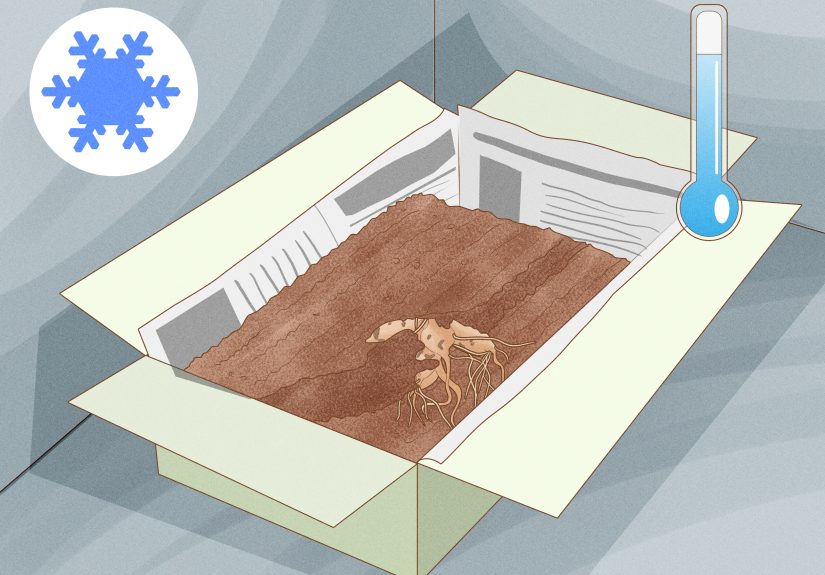
After frost blackens the foliage, cut the stems back, leaving several inches above the soil. You can either lift the tubers from the pot or store the entire container in a cool, dark, frost-free place. If lifting tubers, handle them gently, let them dry briefly, and store them in slightly moist vermiculite, wood shavings, peat, or another breathable medium. Check them monthly for shriveling or rot.
The ideal storage area is cool but not freezing, often around 35°F to 50°F. Label varieties before storing them, unless you enjoy springtime surprises and the phrase “mystery dahlia roulette.”
Extra Experience: Practical Lessons From Growing Dahlias in Pots
After growing dahlias in containers, one lesson becomes obvious: the pot is not just a container; it is the plant’s entire world. A dahlia in the ground can forgive a few mistakes because roots can spread, soil temperatures change more slowly, and moisture is more stable. A potted dahlia has less buffer. That does not make it difficult, but it does make observation important.
One practical experience is that bigger pots almost always make life easier. A small pot may look cute in April, but by July it can become a daily watering emergency. A 10-inch pot might support a very compact dahlia, but a 15-inch or larger container gives most plants better root room, better moisture balance, and more stability. If you are debating between two pot sizes, choose the larger one. Your future self, standing outside in August with a watering can, will thank you.
Another useful lesson is to avoid overwatering at the beginning. New growers often plant the tuber, see nothing happening for a week, panic, and start watering like they are trying to revive a desert. That is how many tubers rot. Before the plant sprouts, the tuber is not using much water. Light moisture is enough. Once the leaves appear and growth takes off, the watering routine changes completely. At that point, the plant becomes thirsty, especially in warm weather.
Staking early is another container-growing habit worth developing. It is tempting to wait until the plant “needs” support, but by then the roots may fill the pot. Pushing a stake into a mature container can damage tubers and roots. Add the stake at planting, even if it looks silly next to bare soil. Gardeners spend a lot of time doing things that look silly before they look brilliant.
Pot placement also matters more than many beginners expect. A container on a wooden deck may perform differently than the same container on a concrete patio. Concrete reflects heat and can warm the pot quickly. In hot climates, this can stress roots and cause wilting. Morning sun with afternoon protection is often better than brutal all-day heat. On balconies, wind can dry pots quickly and batter stems, so a sheltered corner may be more useful than the sunniest exposed edge.
Feeding is another area where moderation wins. Dahlias are hungry once they are growing, but strong nitrogen fertilizer can create a huge green plant with fewer blooms. A steady, low-nitrogen feeding schedule usually works better than random heavy doses. If the plant is dark green, tall, and leafy but not blooming, fertilizer may be part of the problem. Switch the focus from leaf growth to flower support.
Deadheading is the habit that keeps the show going. A potted dahlia can look spectacular for weeks if spent blooms are removed regularly. Walk past the plant with pruners every few days and snip off fading flowers. This small task makes the container look cleaner and encourages more buds. It also helps you spot pests early, before they throw a private buffet on your petals.
Finally, do not be discouraged if the first year is imperfect. Dahlias teach through drama. One plant may bloom like a champion, another may sulk, and a third may lean sideways as if it has strong opinions about gravity. Take notes on variety, pot size, sun exposure, watering frequency, and bloom performance. The next season becomes much easier because you are no longer guessingyou are improving your own container dahlia system.
Conclusion
Growing dahlias in pots is a rewarding way to enjoy bold, colorful flowers even when garden space is limited. Start with compact varieties, use a large container with drainage holes, plant healthy tubers in well-draining soil, and give your dahlias plenty of sun. Water lightly before sprouts appear, then water consistently as the plant grows. Feed regularly but avoid too much nitrogen, stake early, pinch for bushier growth, and deadhead often for more blooms.
With a little attention, potted dahlias can transform a patio, porch, balcony, or small garden into a blooming display that feels far more luxurious than the square footage suggests. Give them room, warmth, support, and steady care, and they will repay you with flowers that look like they were designed by someone who believed subtlety was overrated.